The Ultimate Guide to Mountaineering Gear
- The Foundation: Clothing Layers
- Footwear: Your Connection to the Ground
- Traction: Crampons and Ice Axes
- Technical Hardware
- Sleeping Systems: Surviving the Night
- Electronics and Power
- Carrying the Load: Backpacks
- Nutrition and Hydration
- Eye and Skin Protection
- The Importance of Hands
- Knowledge and Preparation
- Conclusion
- The Complete Mountaineering Checklist
Standing on a snowy peak provides a feeling unlike anything else. Reaching that summit requires physical training and mental toughness. However, your success often depends on what you carry in your pack. The right kit keeps you safe, warm, and alive in harsh conditions. We will break down every essential item you need for your next alpine adventure.
The Foundation: Clothing Layers
You cannot simply wear a thick coat and hope for the best. Mountaineering requires a strategic approach to clothing known as the layering system. You need the ability to add or remove items as your body temperature changes. Sweat is your enemy in freezing temperatures. If you sweat and then stop moving, moisture freezes against your skin.
The Base Layer
Such clothing sits directly against your skin. You want materials that pull moisture away from your body.
Merino Wool: offers natural odor resistance and keeps you warm even when wet.
Synthetics: dry very fast and are often more durable.
Avoid Cotton: Cotton absorbs moisture and holds the wetness against your skin. Such a situation leads to hypothermia very quickly.
The Mid-Layer
We use such layers for insulation. Fleece jackets or light synthetic puffy jackets trap body heat. They create a warm pocket of air around you. Many climbers bring two distinct mid-layers. You might wear a light fleece while moving and add a heavier layer when you stop for a break.
The Outer Shell
The outer layer protects you from the elements. We call such items "shells." A hard shell jacket blocks wind and water completely. It acts as your shield against storms.
Pit Zips: Look for zippers under the arms. They allow you to vent heat without taking the jacket off.
Hood Design: Verify the hood fits over a helmet.
Pants: Softshell pants often work better for the legs because they allow more flexibility and breathability than hard shells.
Footwear: Your Connection to the Ground
Your feet carry you up the mountain. Treating them well is mandatory. Mountain climbing equipment starts with the boots. Standard hiking boots will not suffice for high peaks. You need stiff boots that can support your weight on small edges of rock or ice.
Types of Boots:
Single Boots: These consist of one integrated unit. They work well for summer alpine climbs or lower altitudes. They are lighter and offer more precision.
Double Boots: These feature a removable inner liner and a separate outer shell. We use such boots for very cold conditions or multi-day expeditions. You can remove the inner liner and dry it inside your sleeping bag at night.
Fit remains the most critical factor. Your toes should not hit the front of the boot when you kick a hard surface. You need enough room to wiggle your toes. Such movement maintains blood flow and prevents frostbite. However, the heel must stay locked in place. If your heel lifts with every step, you will develop painful blisters.
Wear thick wool socks. Some climbers prefer wearing a thin liner sock underneath the thick pair. Such a combination reduces friction on the skin. Always bring extra pairs of socks. Dry feet are happy feet.
Traction: Crampons and Ice Axes
Boots alone cannot handle steep ice or hard snow. You need extra traction.
Crampons
These are metal spikes that attach to your boots. They bite into the ice and allow you to walk up vertical walls.
Steel Crampons: Offer durability for mixed terrain (rock and ice).
Aluminum Crampons: Weigh less but wear out faster on rock. Best for pure snow.
Attachment Styles: Some attach with straps, while others clip automatically onto grooves on the boot heel and toe. Check compatibility with your climbing and mountaineering equipment before leaving home.
The Ice Axe
Such a tool serves multiple purposes.
Walking: It acts as a walking stick on steep slopes.
Cutting: It helps you cut steps in the snow.
Self-Arrest: Most importantly, it saves your life if you fall. You use the pick of the axe to dig into the snow and stop your slide.
Technical Hardware
Technical climbs require ropes and protection. You need a climbing harness. Alpine harnesses differ from gym harnesses. They are lighter and pack down smaller. You must be able to put the harness on while wearing bulky gloves and crampons. Leg loops should be adjustable to fit over thick pants.
Helmets are non-negotiable mountaineering gear. Rocks fall frequently in the mountains. Ice chunks break off and tumble down. A good helmet protects your head from impact. Modern helmets are incredibly light. You will barely notice you are wearing one.
Rope Management
Carabiners: You need a mix of locking and non-locking carabiners.
Belay Device: Helps you catch a falling partner or repel down a cliff face.
Cordage: We also carry slings and prusiks. Such loops of cord help with crevasse rescue systems.
Sleeping Systems: Surviving the Night
When the sun sets, temperatures drop drastically. Your shelter becomes your lifeline.
The Tent
Four-season tents are standard gear mountain climbing requires.
Strong Poles: Designed to withstand heavy snow loads.
Shape: Geodesic shapes deflect high winds.
Fabric: They do not have much mesh, which keeps the warmth inside.
The Sleeping Bag
Your sleeping bag must be rated for temperatures lower than you expect.
Down Bags: Offer the best warmth-to-weight ratio. They pack down very small. However, down loses its insulation ability if it gets wet.
Synthetic Bags: Heavier and bulkier, but they keep you warm even when damp.
The Sleeping Pad
You also need a sleeping pad. The ground sucks heat away from your body faster than the air does. An insulated pad creates a barrier between you and the snow. Many climbers use two pads: a foam pad on the bottom and an inflatable pad on top. Such a setup provides both warmth and comfort.
Electronics and Power
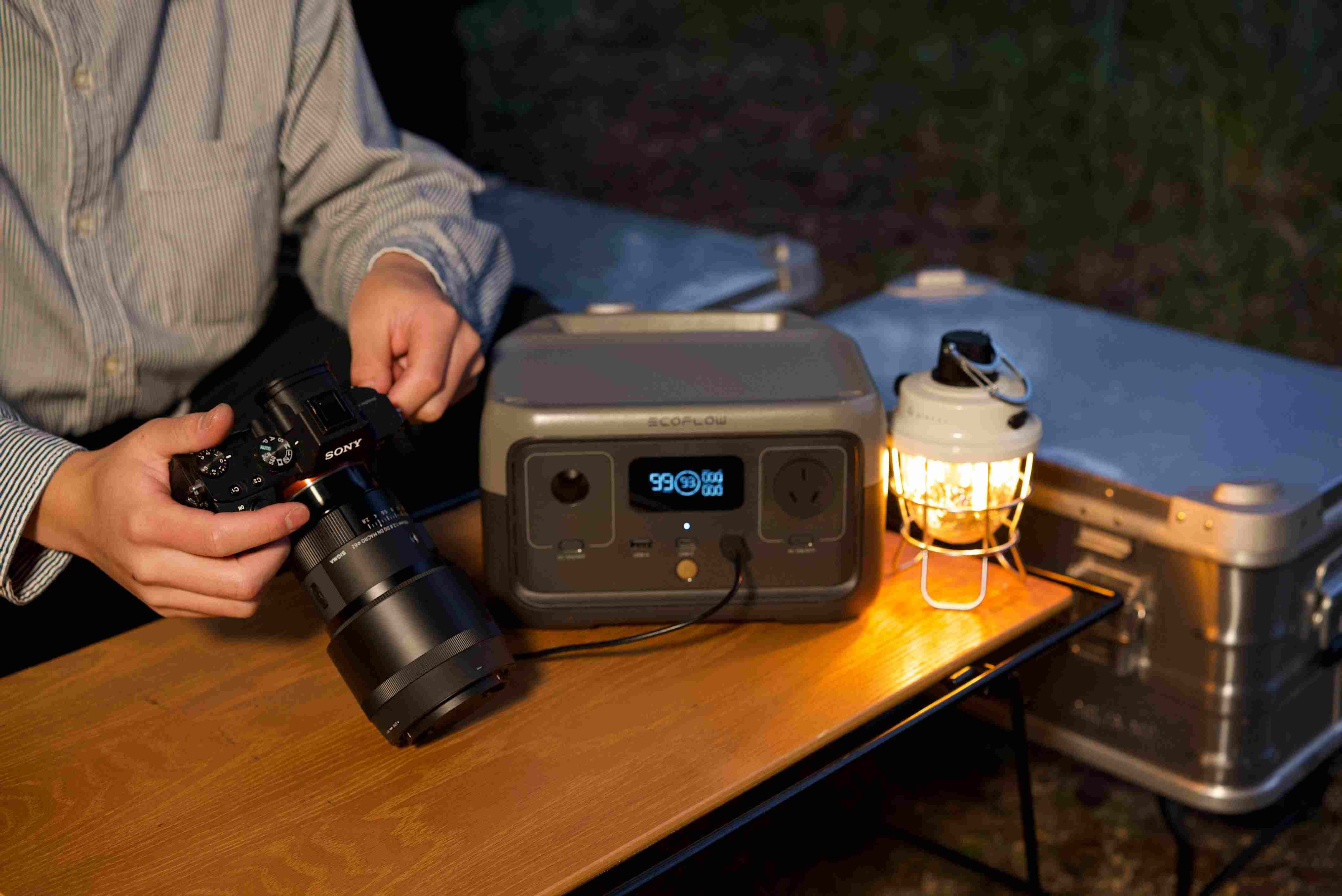
Modern exploration involves technology. We use GPS devices to navigate in whiteout conditions. We use satellite phones or emergency beacons to call for help. Cameras capture memories. Headlamps allow us to climb in the dark. We call such items essential mountaineering equipment.
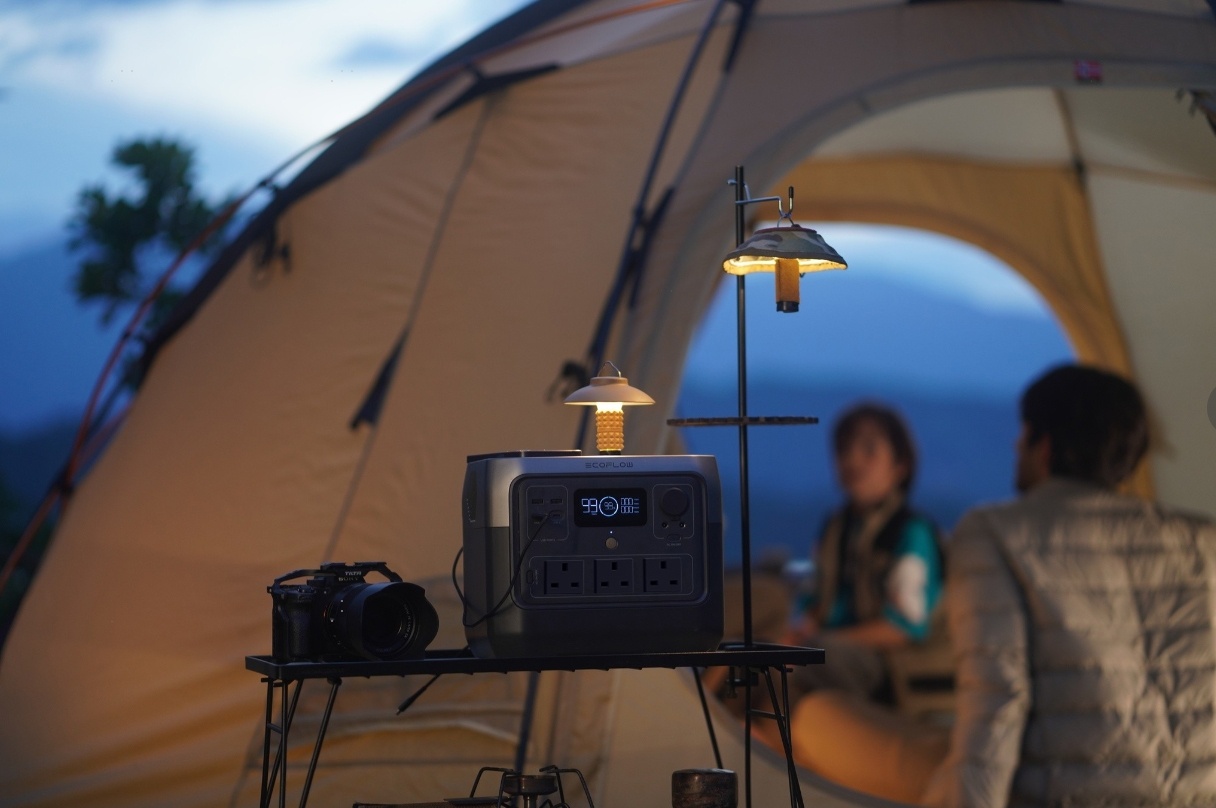
All these devices require power. Batteries drain very quickly in the cold. You need a reliable way to recharge your electronics at base camp. Portable power stations have become a standard part of the expedition kit. They allow teams to keep essential safety and navigation tools operational for days or weeks.
The EcoFlow RIVER 2 Pro Portable Power Station is ideal. It features a sizeable 768Wh capacity and 800W output. You get up to 1.8kWh a day with solar charging. It offers the fastest recharge from 0-100% in only 70 min. The safest LFP battery provides 10 years of use. It is the first power station with a TÜV Rheinland safety certification. It supports X-Boost output to 1600W. Weighing only 18.2lbs, it is perfect for base camp.
Keep your batteries warm. Carry spare batteries for your headlamp in an inside pocket near your body heat. A dead headlamp on a dark ridge can turn a simple descent into a dangerous ordeal.
Carrying the Load: Backpacks
You need a way to carry all these items. Backpacks for mountaineering generally have a slim profile. A slim shape prevents the pack from catching on rocks while you climb.
Volume Guide:
Single Day: A 30 to 40-liter pack usually works.
Multi-Day Trips: You need 60 to 80 liters.
The suspension system must transfer weight to your hips. Your shoulders should not carry the heavy load. Look for specific features on the pack:
Tool Loops: You need loops to attach your ice axes.
Crampon Straps: You need straps to carry your crampons on the outside.
Durability: The fabric must be tough enough to resist abrasion from sharp rocks and ice tools.
Removable Lid: Some packs have a removable lid. Removing the lid saves weight when you push for the summit.
Nutrition and Hydration
Your body burns thousands of calories climbing a mountain. You need fuel. High-altitude air suppresses appetite. You might not feel hungry, but you must eat.
Food Choices
Pack foods that you enjoy. Calories are the priority.
Solids: Chocolate, nuts, cheese, and salami are popular choices. They are dense in energy and do not freeze into solid bricks.
Gels: Energy gels work well for quick bursts of power.
Water Management
Hydration is equally important. You lose water through sweat and simply breathing dry air. Dehydration increases the risk of altitude sickness and frostbite.
Bottle Placement: Water freezes in bottles. You need insulated bottle covers. Keep bottles upside down in your pack. Ice forms at the top first. If the bottle is upside down, the bottom (which is now at the top) freezes, but the opening remains liquid.
Bladders vs. Bottles: Hydration bladders with hoses often freeze in extreme cold. Bottles are safer.
To get water, you often have to melt snow. You need a reliable stove.
Canister Stoves: Light and easy to use. However, gas canisters lose pressure in extreme cold.
Liquid Fuel Stoves: Heavy but work reliably in freezing temperatures and high altitudes.
Ignition: Always bring a lighter and waterproof matches.
Eye and Skin Protection
The sun is brutal at high altitudes. The atmosphere is thinner, blocking less UV radiation. Snow reflects sunlight, hitting you from below as well as above.
Snow blindness is a painful condition caused by sunburn on the eyes.
Glacier Glasses: Such glasses have dark lenses and side shields to block light entering from the periphery.
Goggles: Ski goggles work well when the wind picks up. They protect your eyes from blowing ice crystals.
Sunscreen is mandatory. Apply it to every exposed inch of skin. Don't forget the underside of your nose and inside your ears. Lips burn easily, so use a high-SPF lip balm frequently.
The Importance of Hands
Your hands are your tools. If they get cold, you cannot operate your gear. You need a glove system similar to your clothing system.
The Glove System:
Liner Glove: Start with a thin liner. Such gloves allow you to handle zippers or cameras without exposing bare skin.
Insulating Glove: Over the liner, wear a warm insulating glove.
Shell Mitten: Finally, use a waterproof shell mitten for extreme conditions. Mittens are warmer than gloves because your fingers share warmth.
Always carry a spare pair of gloves. If you drop a glove down the mountain, you are in immediate trouble. Keep the spare pair deep in your jacket so they are warm if you need them.
Knowledge and Preparation
Gear acts as a tool, but knowledge drives the machine. Buying the best mountaineering gear does not make you a mountaineer. You must know how to use it.
Training Priorities:
Tent Setup: Practice setting up your tent in the wind.
Knots: Learn to tie knots with gloves on.
Crampon Use: Walk around in your crampons on safe ground before hitting the steep ice.
Fitness: Cardio endurance helps you handle the thin air. Strength training helps you carry the heavy pack.
Check your gear before every trip. Sharpen your crampons. Inspect your rope for damage. Unexpected failure of a piece of equipment can have serious consequences. Taking care of your gear allows the gear to take care of you.
Conclusion
The mountains demand respect. Proper preparation and the right equipment give you the freedom to experience nature in its most raw form. Every item in your pack serves a specific purpose. Choose wise tools, keep them in good condition, and learn to use them well. Stay safe and enjoy the journey to the top.
The Complete Mountaineering Checklist
Clothing
Moisture-wicking base layer top and bottom (Wool or Synthetic)
Fleece mid-layer
Insulated puffy jacket (Down or Synthetic)
Waterproof hard shell jacket (with hood)
Waterproof hard shell pants or Softshell alpine pants
Liner gloves
Warm insulated gloves
Waterproof mittens
Warm hat or Beanie
Neck gaiter or buff
Sun hat
Footwear
Mountaineering boots (Single or Double, depending on objective)
Heavy wool socks (2 to 3 pairs)
Liner socks (optional)
Gaiters (to keep snow out of boots)
Camp booties (optional for tent comfort)
Technical Hardware
Climbing Helmet
Climbing Harness
Crampons (fitted to boots)
Ice Axe (with leash or sling)
Trekking poles
Locking Carabiners (3 to 4)
Non-locking Carabiners (4 to 6)
Belay and Rappel device
Prusik cords (for rescue)
120cm sewn sling
Camp and Sleep
4 Season Tent (check poles and stakes)
Sleeping Bag (rated for appropriate temperature)
Inflatable sleeping pad
Closed-cell foam pad
Stove and Fuel
Lighter and Matches (waterproof)
Pot and eating utensils
Mug or Cup
Essentials and Accessories
Backpack (40L to 80L)
Headlamp (with fresh batteries)
Spare batteries (kept warm)
Glacier Glasses (sunglasses with side shields)
Ski Goggles
Sunscreen and Lip Balm (SPF 30+)
First Aid Kit (blister care, pain meds, bandages)
Multi-tool or Knife
Water bottles (wide mouth, 1L x2)
Navigation (Map, Compass, GPS)
Portable Power Station (for base camp)
Trash bags (Pack it out!)
For press requests or interview opportunities, reach out to our media team
media.na@ecoflow.com