5 Best Camping Sites in Shenandoah National Park for an Unforgettable 2026 Getaway
Planning a 2026 getaway? If misty mountain mornings and those rolling Blue Ridge views are what you’re after, Shenandoah National Park belongs on your list. It’s an easy drive from D.C., but it feels like a whole different world—the air is cleaner, and the stars actually come out at night.
This guide breaks down the campgrounds worth checking out, from spots that work for families to others where you can get some real quiet. Plus a few gear tips that actually matter, and some lessons learned the hard way so you don’t have to.
Why Shenandoah National Park is a Must-Visit for Campers
There’s a reason Shenandoah stays at the top of so many lists. Whether you’re out on the trails every weekend or just sneaking away for a few days, the park’s got a way of fitting whatever you’re looking for.
Natural Beauty and Biodiversity
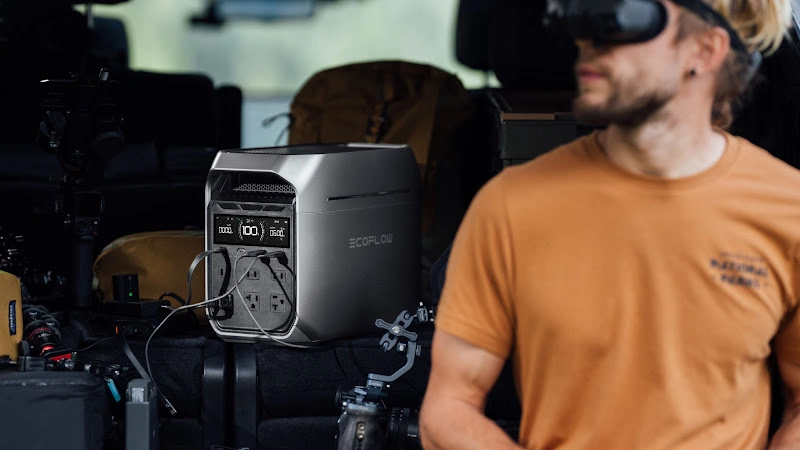
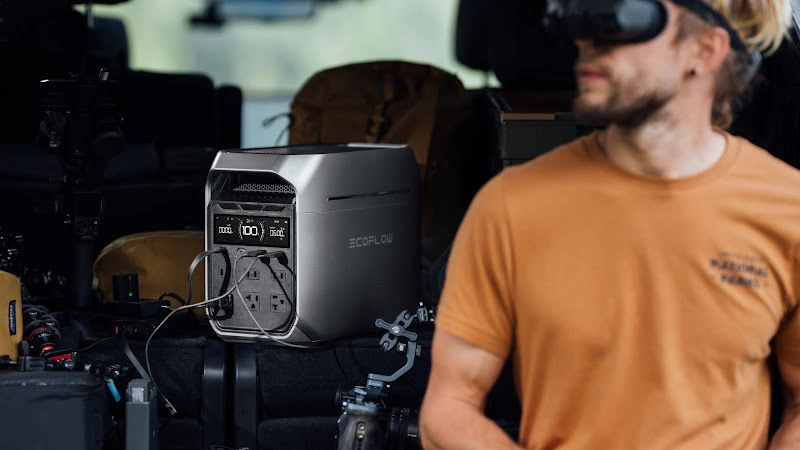
The park’s known for Skyline Drive, but the real story is what lies beyond it. Over 200,000 acres of protected land give you granite summits that have been around for ages, waterfalls like Dark Hollow that are worth the short hike, and plenty of wildlife if you know where to look—black bears included. To keep your camera ready for every sighting, many modern campers now rely on a portable power station to stay charged in the wild.
Activities Galore
Your days fill up fast. You’ve got the Appalachian Trail cutting right through—take a section or just day-hike it. The streams run cold and hold trout if you’re into fly-fishing. And when the sun goes down, the sky puts on a show that’s hard to beat this side of the Atlantic. You can even use solar panels during the day to soak up the sun and power your evening campsite lighting.
Easy Access
It’s incredibly accessible. For folks living in D.C., Richmond, or even Baltimore, you can swap skyscrapers for oak trees in just a few hours.
Seasonal Perks
While summer is popular, fall is the MVP. The foliage in mid-to-late October is legendary, though spring offers beautiful wildflowers and rushing falls.
Factors to Consider Before Picking Your Campsite
Don’t just slam down your tent anywhere—picking the right spot can make or break the trip. Each campground in the park has its own vibe, so think about what actually matters for your group before you commit. It’s also helpful to review some common mistakes to avoid when choosing a camping power station to ensure your off-grid energy setup is up to the task.
Location and Scenic Views
Want epic valley views right from your site, or prefer being buried in the trees next to a trailhead? Loft Mountain gives you those big sweeping panoramas (especially from the outer loops), while quieter spots like Mathews Arm or Lewis Mountain keep things more hidden and peaceful.
Amenities and Facilities
These are “rustic-plus” sites: expect drinking water and flush toilets at most developed campgrounds, but no electrical hookups anywhere in the park-run spots. Showers? Only a handful have coin-operated ones. No laundry, no Wi-Fi, no convenience stores in the campgrounds themselves.
Camping Type Options
Tent camping? Fine almost everywhere. Pulling in with a 30-foot RV? Stick to places like Big Meadows or Loft Mountain that handle bigger rigs. Backcountry? You’ll need a free permit and to hike everything in—great for hammocks or ultralight setups.
Reservation Tips for 2026
Shenandoah books up fast. Most sites open for reservations six months out on Recreation.gov. Holiday weekends, peak fall foliage, or summer Saturdays? Those can sell out in minutes when they drop. Set a reminder, have your dates ready, and jump on right when the window opens. First-come, first-served spots (if any are left in 2026) are rare and go early.
Top 5 Campgrounds in Shenandoah National Park
Here are the five I’d actually recommend for 2026, putting on your shortlist—no fluff, just the ones that deliver every time.
1. Big Meadows Campground
Smack in the middle of the park (mile 51.2). Families love it for a reason: It’s right next to three major waterfalls and the Big Meadows area, where deer wander out at dusk like clockwork.
2. Loft Mountain Campground
Down in the southern section, sitting high on the ridge. Biggest campground in the park, and the views are killer—especially if you sit right atop Big Flat Mountain for those long sunset panoramas over the valley.
3. Mathews Arm Campground
Northern entry point, perfect if you’re coming from northern Virginia or closer to Front Royal. You’re basically next door to Overall Run Falls—the park’s tallest waterfall—making it a hiker’s paradise.
4. Lewis Mountain Campground
My personal pick when I want to disappear. Smallest developed campground in the park, super low-key and wooded. Still close enough to Bearfence Mountain for that fun rock scramble with 360-degree views, but without the crowds swallowing you whole.
5. Backcountry Camping Sites
For those who want to leave civilization behind, the backcountry offers thousands of acres of solitude. You’ll need a free permit, but the reward is a private slice of the Blue Ridge Mountains all to yourself.
Quick Comparison: Which Campground Should You Choose?
| Campground | Best For |
|---|---|
| Big Meadows | Families & first-timers |
| Loft Mountain | Scenic view lovers |
| Mathews Arm | Waterfall hikers |
| Lewis Mountain | Quiet campers |
| Backcountry | Adventure seekers |
Essential Gear for Shenandoah Camping Trips
Packing the right gear can make the difference between a “rough” night and a five-star outdoor experience.
Tent, Sleeping Bags, and Comfort Essentials
Grab a solid 3-season tent—something with good ventilation because humidity can sneak up. Nights get chilly even in summer. A sleeping bag rated down to 30–40°F keeps you cozy without overpacking bulk.
Cooking Gear and Food Storage
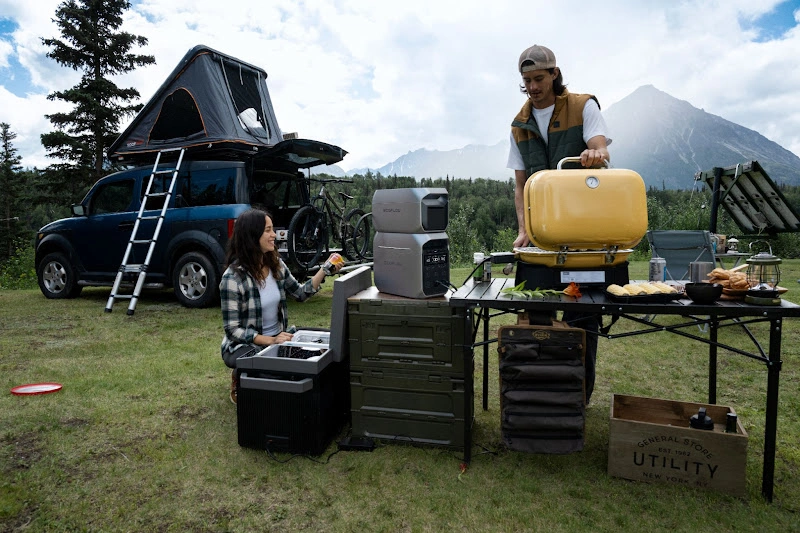
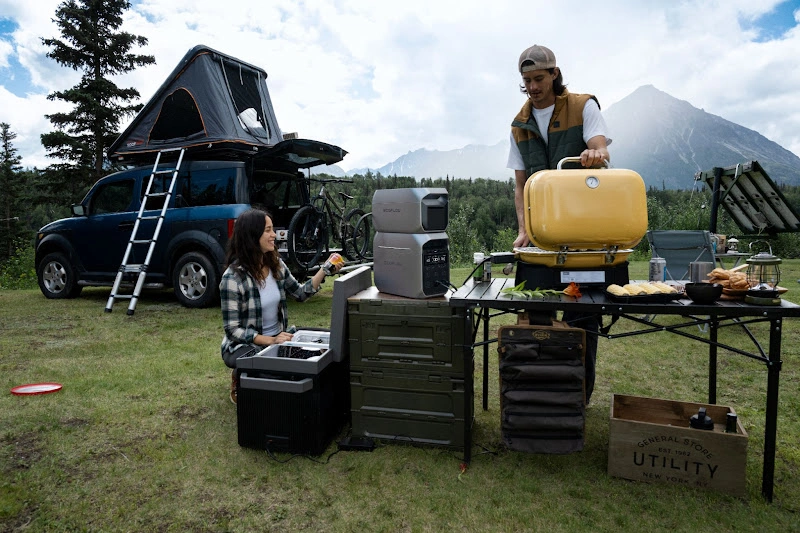
For car camping at places like Big Meadows, a portable powerhouse like the EcoFlow DELTA 2 Max Portable Power Station (2048Wh, around 23kg) is a game-changer if you’re running a portable fridge—no more ice chests turning into soup after day two. But yeah, it’s heavy; drag it with a wagon or keep it as your base camp hub.
Safety Items: First Aid, Bear Safety, Flashlights
It’s a legit bear country. Use the bear-proof lockers at most developed sites (or lock stuff in your car trunk). Pack a solid first-aid kit and a bright headlamp or flashlight for those 3 a.m. bathroom runs.
Optional Items: Hiking Poles, Binoculars, Cameras
If you’re a mobile explorer hopping between trailheads, something more portable like the EcoFlow DELTA 3 Plus Portable Power Station (1024Wh) charges fast from the car or solar panels. This makes it ideal for quickly topping up camera gear or laptops during a short 2-day getaway in the Blue Ridge Mountains.
Tips for an Unforgettable 2026 Camping Experience
To elevate your 2026 trip from a simple weekend away to a soul-recharging adventure, focus on how you interact with the mountain itself. Here’s how to make it legendary.
Plan Your Itinerary: Hiking & Scenic Spots
Don’t try to “conquer” the whole park in 48 hours; Shenandoah is meant to be sipped, not gulped. Pick two or three “hero” hikes like the rock scramble at Old Rag or the breathtaking vista at Stony Man and build your day around them. Leave your afternoons open for a spontaneous dip in a swimming hole or a slow, sun-drenched drive down Skyline Drive.
Leave No Trace Principles
Keeping Shenandoah pristine is a team effort. The “Leave No Trace” philosophy is the golden rule: if you pack it in, you must pack it out. This includes everything from orange peels to sunflower seed shells. Let’s ensure the 2027 campers find the trails just as magical as you did.
Wildlife Safety and Etiquette
Seeing a black bear is a Shenandoah rite of passage, but remember you’re the guest in their home. Maintain a distance of at least 50 yards (half a football field) at all times. Use the provided bear lockers for all food storage—as the rangers say, “a fed bear is a dead bear,” because they lose their natural fear of humans.
Stargazing Tips & Best Locations
Once the sun drops behind the Blue Ridge, the real show starts. Shenandoah has some of the darkest skies on the East Coast—perfect for amateur astronomers.
The Best Spot: Big Meadows (Mile 51) is widely open. 360-degree view of the sky. Hard to beat.
Go Dark: Show up 20 minutes early so your eyes can adjust. Switch your headlamp to red light—keeps your night vision intact and the Milky Way in high definition.
Timing: Pull up a 2026 moon phase calendar and shoot for a New Moon. That’s when the sky goes truly black.
Conclusion
Shenandoah National Park isn’t just trees and trails. It’s a place to recharge your own batteries while surrounded by the timeless beauty of the Blue Ridge. Whether you’re running the latest EcoFlow tech at your campsite or going minimalist in the backcountry, 2026 is the year to get up there and make it count.
FAQs
1. What’s the best time of year to go camping?
Fall wins for foliage, usually peaking mid-to-late October. But late spring has the mildest weather and the most impressive waterfalls—provided it’s rained. Want to dodge the crowds? Try a mid-week trip in September. The air’s turning crisp and the summer rush is over.
2. Are pets allowed in campgrounds?
Yes, your four-legged friends (dogs) are welcome at all campgrounds, but keep them on a six-foot leash. Most trails allow pets, though a few popular ones—Old Rag and Dark Hollow Falls among them—are off-limits. It’s for their safety and yours.
3. How far in advance should I make reservations?
Six months out via Recreation.gov, especially for a 2026 weekend. Shenandoah pulls heavily from D.C., so prime spots at Big Meadows or Loft Mountain tend to disappear the minute they drop. Having a car camping essentials checklist ready before the booking window opens ensures you’re prepared for any site you snag.
4. Can beginners go backcountry camping in Shenandoah?
Yes, but try out your gear at a developed site first. The park itself is beginner-friendly, but backcountry camping takes a free permit and decent navigation skills. Having a reliable power source like an EcoFlow unit back at your car also helps—you’ll want that recharge when you get out of the woods.
5. Are RVs allowed in Shenandoah campgrounds?
Yes, most campgrounds take RVs and trailers, though check the length limits on Recreation.gov before you book. Fair warning: no hookups for electric or water anywhere in the park, so plan on dry camping.
For press requests or interview opportunities, reach out to our media team
media.na@ecoflow.com