The “Buy Nothing” Movement: Building Community Economy
- What Is the “Buy Nothing” Movement and Why It’s Growing
- How “Buy Nothing” Groups Work in Everyday Life
- Why Sharing Builds Stronger, More Resilient Communities
- How Sharing Resources Supports Community Preparedness
- Simple Ways to Participate in the “Buy Nothing” Movement
- Frequently Asked Questions
- Community Sharing Builds More Resilient, Connected Neighborhoods
For centuries, the concept of community has been at the heart of social interaction and engagement. While digital tools have made communication easier, many people still feel disconnected from those around them.
One example of this shift is the Buy Nothing movement, which focuses on community, sharing, and sustainability. This article takes a closer look at this quiet neighborhood revolution.
What Is the “Buy Nothing” Movement and Why It’s Growing
Buy Nothing is a gift economy that operates on a local basis. It’s not a traditional organization, but a decentralized movement with more than 4 million participants across 44 countries worldwide.
It operates globally while focusing on local, neighborhood-level connections.
Buy Nothing is growing because more people are recognizing that asking for help and sharing resources strengthens local connections. Providing help to someone in need is a long-standing human instinct, and it helps build stronger connections between neighbors.
Buy Nothing also aligns with sustainability by encouraging practices like lending, reusing, and sharing. It operates on a person-to-person basis while helping reduce waste and extend the life of everyday items.
How “Buy Nothing” Groups Work in Everyday Life
Buy Nothing works on a gift basis; people share something they have with someone who needs it. This could include:
Lending an item temporarily
Giving away something you no longer need
Offering your time or skills to help someone nearby
For example:
Lending your lawnmower
Giving away a sewing machine you no longer use
Picking up groceries for someone who can’t leave home
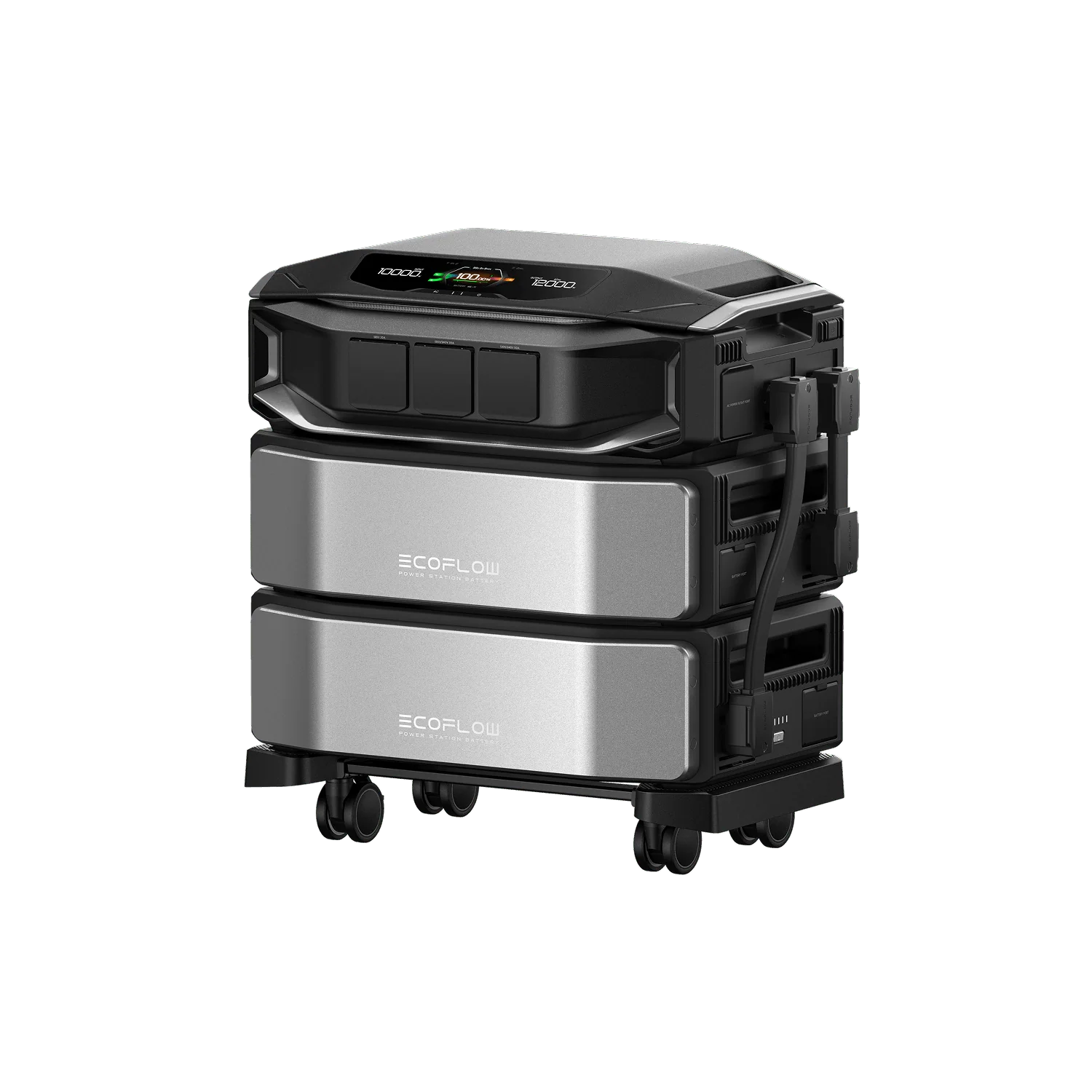
In some cases, shared resources can also include reliable backup power. For example, solutions like the EcoFlow DELTA Pro Ultra X can help keep essential devices running during outages, making it easier to support neighbors when it matters most.
Within Buy Nothing groups, people ask and offer, supporting their local community, connecting with people who were previously strangers, and often forming lifelong friendships.
Why Sharing Builds Stronger, More Resilient Communities
Sharing resources, possessions, and time reconnects people in local communities, which can feel increasingly disconnected despite digital connectivity. It builds on concepts of kindness, true charity, and sensible use of resources.
Sharing is about good times and bad. A resilient local community network is invaluable in the face of emergencies or disasters.
How Sharing Resources Supports Community Preparedness
Sharing Everyday Tools and Equipment
Why buy when you can borrow? Sharing tools and equipment within your community is financially prudent and supports social equity and sustainable living.
Giving away what you no longer use to someone who needs it helps reduce waste while supporting others in your area.
Supporting Communities During Outages and Emergencies
Buy Nothing has tapped into the innate human desire to help others. Everyday support becomes even more important during crises, as people step in to help one another.
This becomes especially important during local emergencies, when neighbors can quickly support each other with shared resources. Buy Nothing harnesses that same spirit within the streets of your own community.
How EcoFlow Fits Into Shared Community Resources
Sustainability is a foundation stone of the Buy Nothing concept, making use of what’s already there. However, this is just part of a broader environmental picture.
Sustainable energy uses natural and renewable resources, minimizing harm to the planet and reducing reliance on existing power infrastructures. Living off-grid is becoming more common for people seeking greater independence and sustainability.
Products like the EcoFlow DELTA Pro Ultra X can provide backup power for essential home needs during outages, and can also support shared access to power, such as charging phones or power essential home needs.
Providing light and access to power is a vital shared resource, and modern energy solutions offer quieter and lower-maintenance alternatives to traditional fuel generators. Resourcing yourself sustainably makes an essential difference to the planet as well as your local neighborhood.

Simple Ways to Participate in the “Buy Nothing” Movement
There are several simple ways to get involved:
Join your local Buy Nothing group
Give away items you no longer need
Request items or services you need
Offer help or skills to others in your area
You can download the Buy Nothing app or connect with your local networks on social platforms like Facebook.
Frequently Asked Questions
Are There Rules About What You Can Give or Request in “Buy Nothing” Groups?
There are defined rules, and the main ones are that no money must exchange hands, so no selling, buying, bartering, or rewarding. Giving and receiving items and services must be strictly no strings attached, respectful, and comply with local and national laws. Some groups also have unique rules based on distinct characteristics in their location or community.
Can You Share Tools or Equipment in “Buy Nothing” Groups?
Sharing tools and equipment is permitted in Buy Nothing groups, so communities can recycle what they no longer want or provide items on a temporary basis to service a particular need.
How Can “Buy Nothing” Groups Support Local Resilience During Disruptions?
Buy Nothing groups are at their most powerful during local disruptions and emergency situations. Communities have a ready-made network with local people on hand to offer items and practical help to others in a crisis, providing instant support.
Community Sharing Builds More Resilient, Connected Neighborhoods
Buy Nothing is an initiative that reflects a renewed focus on local connection, where people support each other and share resources more directly.
The concept of societal connection is also linked to resilience. Learning to depend more on each other creates strength within a community. It also feeds into the broader concept of reducing reliance on larger, less predictable systems.
Explore EcoFlow whole-home backup solutions to help maintain reliable power during outages while supporting resilience at home and within your community.
For press requests or interview opportunities, reach out to our media team
media.na@ecoflow.com