Bomb Cyclone: How to Get Ready for Extreme Weather
When your local weather forecast starts throwing around the term “bomb cyclone,” it’s usually a sign that something serious is on the way. These aren’t your average winter storms. They can ramp up fast, bring powerful winds, heavy snow or rain, and knock out power across whole cities in just a few hours. Whether it’s hitting the Northeast or rolling in along the West Coast, knowing what you’re dealing with and how to keep your home running really matters.
In this guide, we’ll break down what a bomb cyclone actually is, what kind of problems it can cause, and how to get your home ready for extreme cold, frozen pipes, and power outages. It’s not about overreacting; it’s about being prepared before things get messy.
What Is a Bomb Cyclone?
To really understand why bomb cyclones get so much attention, it helps to know what’s happening behind the scenes. A bomb cyclone is often described as a winter version of a hurricane. It doesn’t come with tropical heat, but it can bring the same kind of punch when it comes to rapidly dropping air pressure and powerful winds.
Why These Storms Intensify So Fast
The science term you’ll hear is bombogenesis. That’s when a storm’s central pressure drops very quickly, at least 24 millibars within 24 hours. This usually happens when cold air from the continent slams into warm, moist air over the ocean. The contrast creates a powerful pull that feeds the storm, allowing it to strengthen much faster than a typical winter system.
Common Warning Signs to Watch For
In the Northeast and Pacific Northwest, meteorologists often point to a “comma-shaped” cloud pattern on radar as an early warning sign. Expect a dramatic, rapid drop in temperature according to the National Weather Service and reports summarized by NOAA, temperature can fall more than 10–20°F over a matter of hours during a bomb cyclone as cold air rushes in and the low‑pressure system deepens.
Impacts and Potential Damages
When a bomb cyclone hits, the damage can be widespread. High winds can bring down power lines, leading to large-scale outages. Coastal areas may deal with flooding from storm surge, while heavy snow and ice can stress roofs and trees. Farther inland, one of the biggest dangers is whiteout conditions, a mix of blowing snow and wind that makes driving nearly impossible and being outside extremely dangerous.
When Will the Bomb Cyclone Hit?
Pinpointing the exact timing of a bomb cyclone isn’t easy, even for the National Weather Service. These storms tend to form quickly, which is why the warning window can feel short. Most bomb cyclones develop between October and March, with the strongest ones usually showing up in January and February, especially in the Northeast.
Cities like Boston, New York, and Philadelphia see these storms more often than most, while similar systems can hit the Pacific Northwest along the coast near Seattle and Portland. Because bomb cyclones intensify so fast, you may only get a day or two of notice before the worst winds, snow, or rain move in. That’s why it’s important to keep an eye on local forecasts and alerts as pressure starts dropping and the storm tightens up.
How to Prepare for a Bomb Cyclone in Extreme Cold Weather?
Getting ready for a bomb cyclone isn’t about panicking; it’s about having a solid checklist before the temperature drops and the wind starts howling. These winter safety tips help ensure that when conditions turn extreme, your home stays safe, warm, and functional until the storm passes.
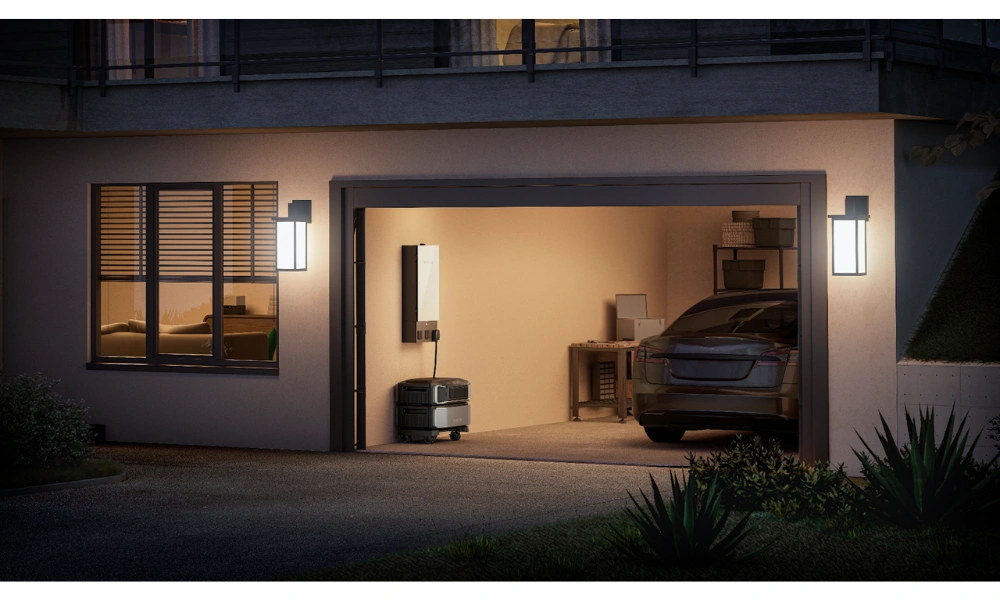
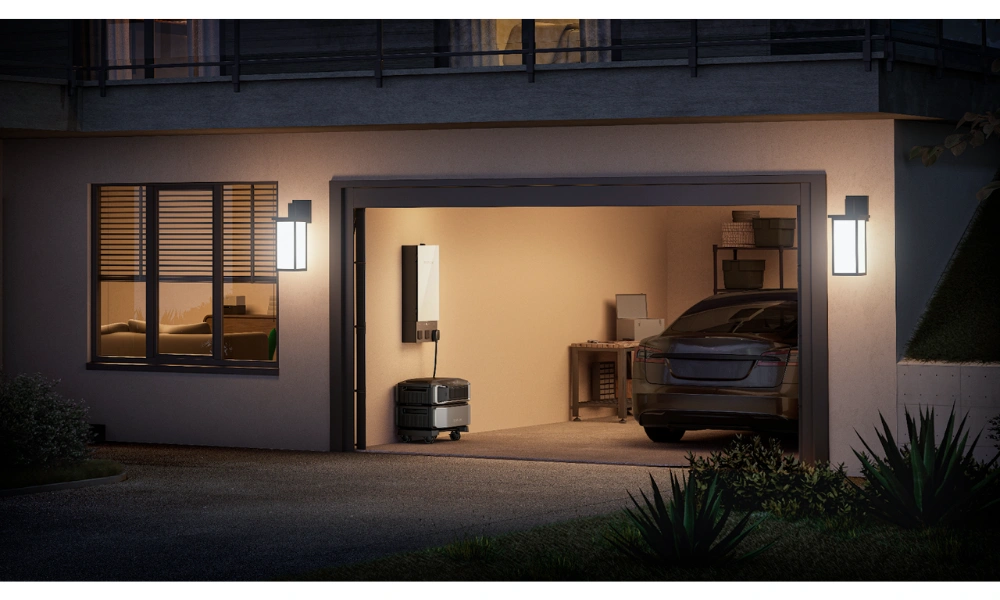
Stock 3-7 Days of Non-Perishable Food
Skip the last-minute run for milk and bread. Focus instead on food that keeps well and doesn’t need much prep, like canned meals, peanut butter, soup, and protein bars. Plan for at least one gallon of water per person per day, especially since frozen pipes or water main issues can cut off the supply without warning.
Check and Seal Windows and Doors
Cold air finds its way fast during high winds. Seal gaps with weatherstripping, draft blockers, or even rolled towels under doors. If you live in an area that sees strong gusts, it’s worth thinking about storm shutters or plywood for large windows to help prevent breakage and keep heat from escaping.
Arrange Reliable Backup Heating Sources
The biggest problem during a bomb cyclone usually starts when the power goes out. Once the electricity is gone, the furnace shuts down, indoor temperatures drop fast, and that’s when pipes can freeze and burst. A few hours of extreme cold is often all it takes to turn a routine outage into expensive water damage and a house that’s barely livable.
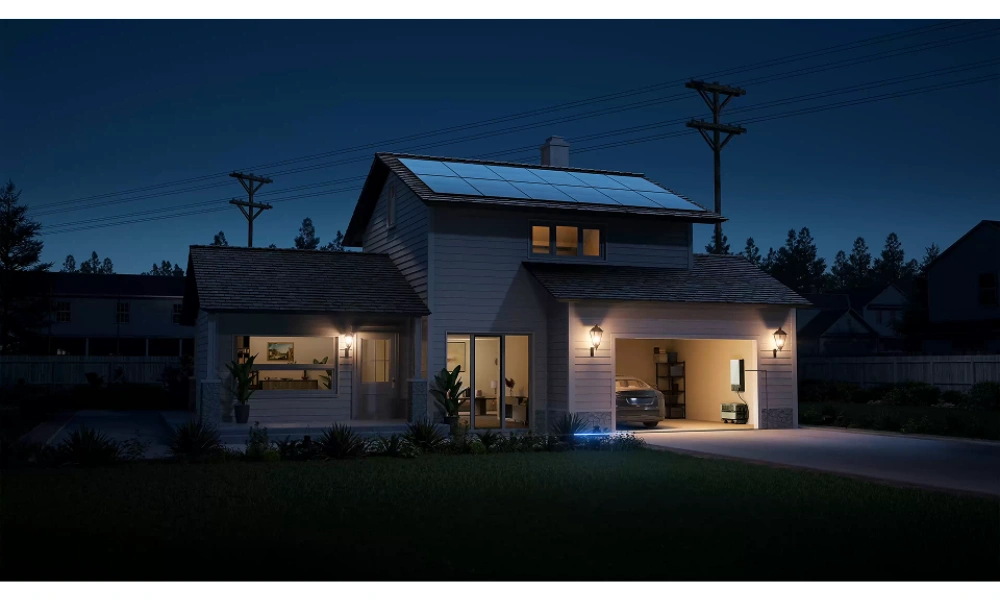
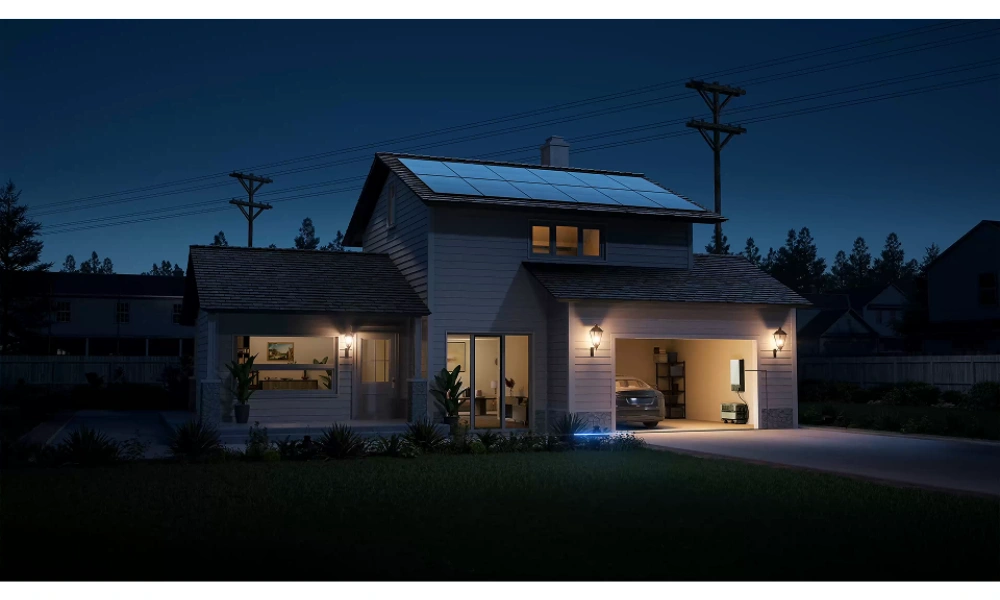
To avoid that situation, many homeowners plan ahead with a home backup battery to keep essential heating equipment running during outages. Heavy-duty portable power stations, like the EcoFlow DELTA Pro Ultra Whole-Home Backup Power, are built to handle longer outages and higher loads. They can support space heaters, heat tape, and other critical devices, helping maintain warmth in key areas of the home. That steady heat can be the difference between riding out the storm comfortably and dealing with frozen pipes once everything thaws.
The EcoFlow DELTA Pro Ultra is the only home battery dual-certified to UL1973/UL9540. It delivers 7.2-21.6kW output to run central AC, with a scalable 6-90kWh capacity for weeks of backup. Featuring Smart Home Panel 2 for auto-switchover, 5 charging modes, and self-heating for freezing weather, it’s the ultimate fail-safe power solution.
Keep Your Vehicle Ready
If you ever need to leave, you don’t want to discover every gas station is closed or out of fuel. Keep your tank full, check antifreeze levels, and store an emergency kit in the trunk. A shovel, ice scraper, jumper cables, and warm blankets can make a big difference if you’re stuck or delayed.
Know the Signs of Hypothermia
Extreme cold is dangerous because it creeps up quietly. Watch for the early warning signs: stumbling, slurred speech, confusion, or clumsiness. If someone stops shivering but still feels cold, that’s serious. Warm them slowly with dry layers and warm drinks, avoiding anything too hot.
Monitor Official Weather Alerts and News
During a bomb cyclone, staying informed isn’t optional; it’s how you make smart decisions as conditions change. The problem is, alerts don’t help much if your phone battery is dead or your Wi-Fi goes down. In a city-wide outage, access to weather radar and emergency updates becomes critical.
Some households plan for this with a portable power station that has fast UPS switching, so it takes over automatically when the grid drops. Systems like the EcoFlow DELTA Pro 3 Portable Power Station can keep a router, modem, and essential devices running without interruption. That means you can continue checking forecasts, receiving alerts, and staying in touch with family while outages ripple through the neighborhood.
Conclusion
A bomb cyclone is serious weather, but it doesn’t have to turn into a household emergency. Knowing what these storms are capable of, taking a few steps to protect your home, and planning for power outages can make a big difference when conditions get rough.
Whether it’s sealing up drafts, keeping heat where it matters, or making sure you can stay connected when the grid goes down, preparation helps you stay safe and warm in extreme cold. Stay aware, stay ready, and you’ll be in a much better position to ride out a bomb cyclone safely and comfortably.
FAQ
1. How long does a bomb cyclone usually last?
Most bomb cyclones hit hardest over about 12 to 24 hours. That’s when winds, snow, or rain are at their worst. The bigger issue is what comes after: deep snow, ice, and power outages can stick around for days, making a reliable power station essential, and in some areas, recovery can take a week or more.
2. Is a bomb cyclone the same thing as a blizzard?
No. A bomb cyclone describes how fast a storm strengthens due to a rapid drop in air pressure. A blizzard, on the other hand, is defined by sustained strong winds and very low visibility. A bomb cyclone can cause blizzard conditions, but not every bomb cyclone brings snow.
3. What are the main types of severe weather in the U.S.?
The most common types of severe weather Americans deal with include hurricanes, tornadoes, thunderstorms, floods, blizzards (including those caused by bomb cyclones), heat waves, and droughts. Each brings different risks, which is why preparation looks different depending on where you live.
4. Can you drive during a bomb cyclone?
Driving is strongly discouraged. Whiteout conditions, black ice, and sudden road closures make travel extremely dangerous. If you absolutely have to go out, use a properly equipped 4WD or AWD vehicle, carry emergency supplies, and check road conditions through your state’s Department of Transportation. For official alerts and updates, monitor NOAA Weather Radio, local TV stations, or emergency resources like ready.gov.
5. Which states are most affected by bomb cyclones?
Bomb cyclones most often impact states along the East Coast, from New England down through the Mid Atlantic, as well as the Pacific Northwest. These areas sit near the collision zone between cold continental air and warmer ocean air, which creates the perfect conditions for these fast-intensifying storms.
For press requests or interview opportunities, reach out to our media team
media.na@ecoflow.com