Think About a Block Party? Here’s What to Know Before You Plan One
- What Is a Block Party?
- What Permits, Rules, and Basics Should You Check First?
- How to Plan a Block Party That Feels Fun, Simple, and Organized
- Which Block Party Ideas Keep Guests of All Ages Engaged?
- How Can Portable Power and Energy Storage Make a Block Party Easier?
- Start Planning a Smarter Block Party With the Right Setup From Day One
- FAQs
Planning a block party sounds simple until the details start stacking up. You need enough food and seating, activities for different age groups, and a setup that still feels easy to manage. Local rules may also come into play, especially if the gathering uses shared outdoor space. Then there is the practical side of comfort, lighting, music, and phone charging. With the right plan, a block party can feel relaxed, welcoming, and much easier to pull off than many hosts expect.
What Is a Block Party?
A block party is a neighborhood gathering held in a shared outdoor space, such as a residential street, a cul-de-sac, a driveway area, or another common space where neighbors can meet, eat, and spend time together. Unlike a backyard cookout hosted by one household, a block party creates a more open setting where people can move around freely, stop by casually, and join the event in a way that feels easy and natural.
Why Does It Bring Neighbors Together?
Shared space changes the way people interact. Neighbors who usually only wave from a distance have time to stop and talk. Children meet other families on the street. New residents feel more included, and familiar faces become actual connections. That sense of closeness is hard to build through daily routines alone, which is one reason a well-planned block party often turns into a neighborhood tradition.
What Permits, Rules, and Basics Should You Check First?
Before anything else, make sure the event can actually run smoothly in your neighborhood. Rules around shared outdoor space, street access, noise, and cleanup can affect the size, timing, and layout of the gathering.
Where the event will take place: A public residential street may involve different rules from a shared private area, cul-de-sac, or common space.
Whether approval is required: Some neighborhoods or local authorities may require advance approval, especially if the setup affects traffic or public access.
Noise and ending-time limits: Music, speakers, and evening activities may need to stay within certain hours.
Access and traffic flow: Cars, deliveries, and emergency access should not be blocked by tables, games, or seating areas.
Trash and cleanup responsibility: Decide in advance who will handle trash bags, bins, and post-event cleanup.
Weather and comfort basics: Shade, water, seating, and evening lighting should be part of the plan early, especially for summer gatherings.
How to Plan a Block Party That Feels Fun, Simple, and Organized
Once the ground rules are clear, the next question becomes much easier: what to bring to a block party so it feels welcoming instead of rushed. Most hosts do not need a massive shopping trip. They need a short list of essentials, a sensible layout, and a realistic sense of how people will move through the space.
Practical Essentials to Have Ready
Folding tables and extra chairs
Water, ice, coolers, cups, and napkins
Trash bags, paper towels, and serving tools
Sunscreen, hand sanitizer, and wipes
Shade options such as canopies or umbrellas
Simple evening lighting
A phone charging area
A power plan for music, fans, and small appliances
It also helps to divide the event into zones. Food and drinks should sit where people can circulate without creating a bottleneck. Seating should be close enough for conversation but not crowded against kids’ activities. One utility zone for power and charging keeps cables from spreading across the whole space.
Zone | Main Purpose | What to Place There |
Food Area | Easy serving and traffic flow | Tables, drinks, coolers, trash, paper goods |
Seating Area | Conversation and rest | Chairs, shade, side tables |
Activity Area | Games and movement | Chalk, bubbles, lawn games, prize basket |
Utility Area | Power and convenience | Lights, charging, speaker, fan |
This is also the best place to answer another common pain point: food pressure. Hosts often worry they need to provide everything. In reality, a neighborhood gathering runs better when each household brings one clear category, such as drinks, desserts, fruit, chips, or paper goods. The result feels abundant without putting the full burden on one family.
Which Block Party Ideas Keep Guests of All Ages Engaged?
At a block party, the best activities are usually the ones guests can join at any point and leave without feeling they missed the main moment.
Activities for Kids
For younger guests, simple activities usually work best. A sidewalk chalk area can keep children busy with very little setup, while also making the street feel more lively. Bubble stations are another easy option, especially for families with small children. If more school-age kids are attending, bike or wagon decorating can add a fun visual element and lead naturally into a short parade down the block.
Activities for Teens
Teens usually respond better to activities that feel casual rather than overly structured. Lawn games such as cornhole or ring toss give them something to do without making participation feel forced. A photo corner with a simple backdrop can also work well, especially for friend groups. Music helps, too, so letting teens help shape part of the playlist can make them feel more involved in the event.
Activities for Adults
Adults often stay engaged when food and conversation come together naturally. A shared dessert table, a chili tasting setup, or a casual potluck contest can create easy talking points without making the event feel overplanned. In neighborhoods where people already know each other fairly well, a short round of local trivia can also work, as long as it stays light and informal.
Ideas That Work Across the Whole Crowd
Some setups help the entire event feel more welcoming. A small welcome table can make newer neighbors feel less awkward when they arrive. String lights coming on before sunset can shift the mood into the evening without much effort. Even placing lawn games near the seating area can help different age groups stay connected instead of drifting into separate corners.
How Can Portable Power and Energy Storage Make a Block Party Easier?
This part often gets overlooked until the event is already underway. The speaker needs power. A fan would help in the heat. The phone charging line starts to form. Evening lights suddenly matter once the sun drops. Without a plan, everything ends up fighting over the same outlet.
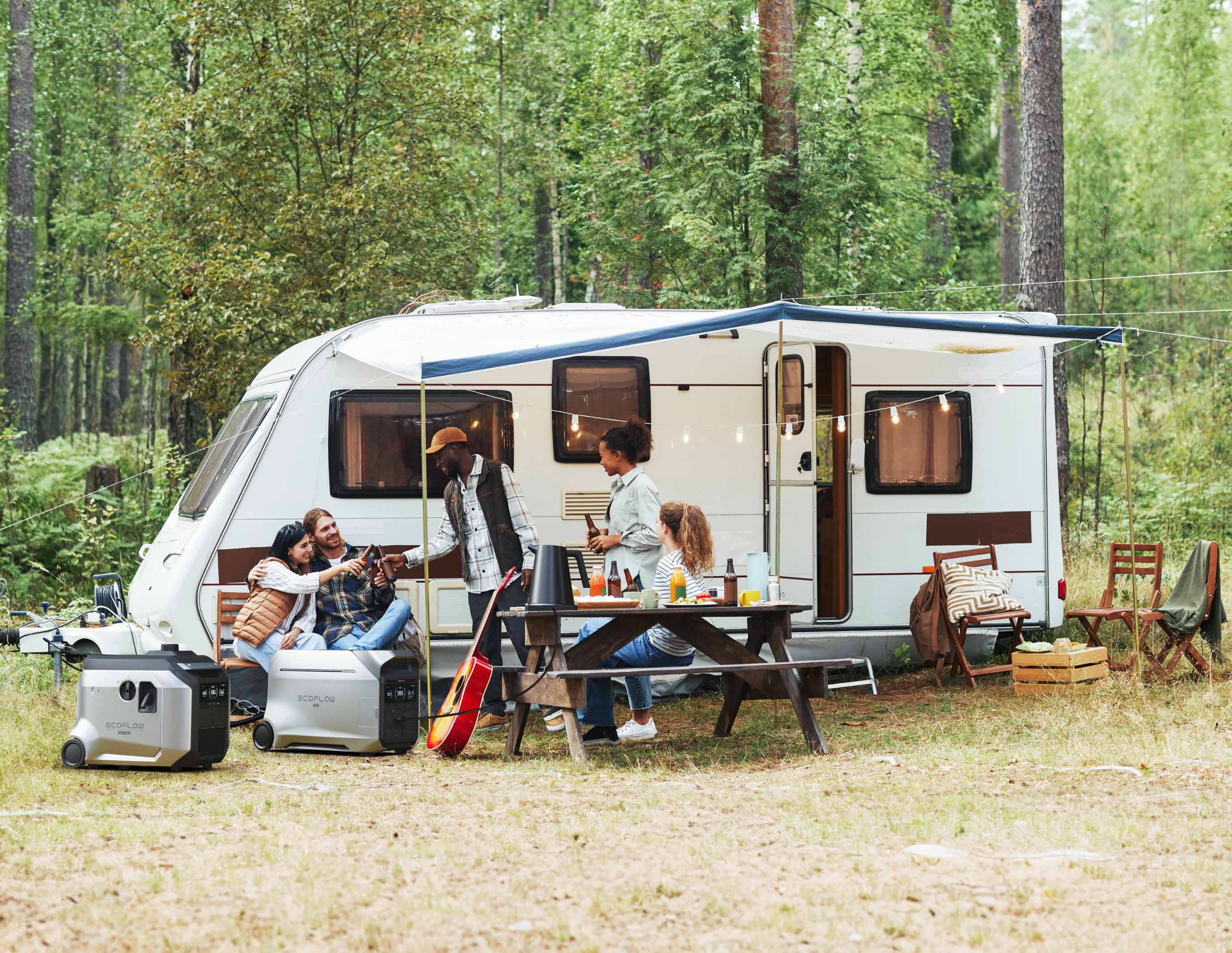
That is where portable energy storage becomes genuinely useful. Instead of arranging the event around one wall socket, hosts can place power where it improves the experience. A charging station near the seating area keeps guests connected. A small fan near the food table makes hot weather easier to handle. Music can be set where it sounds best instead of where the extension cord happens to reach.
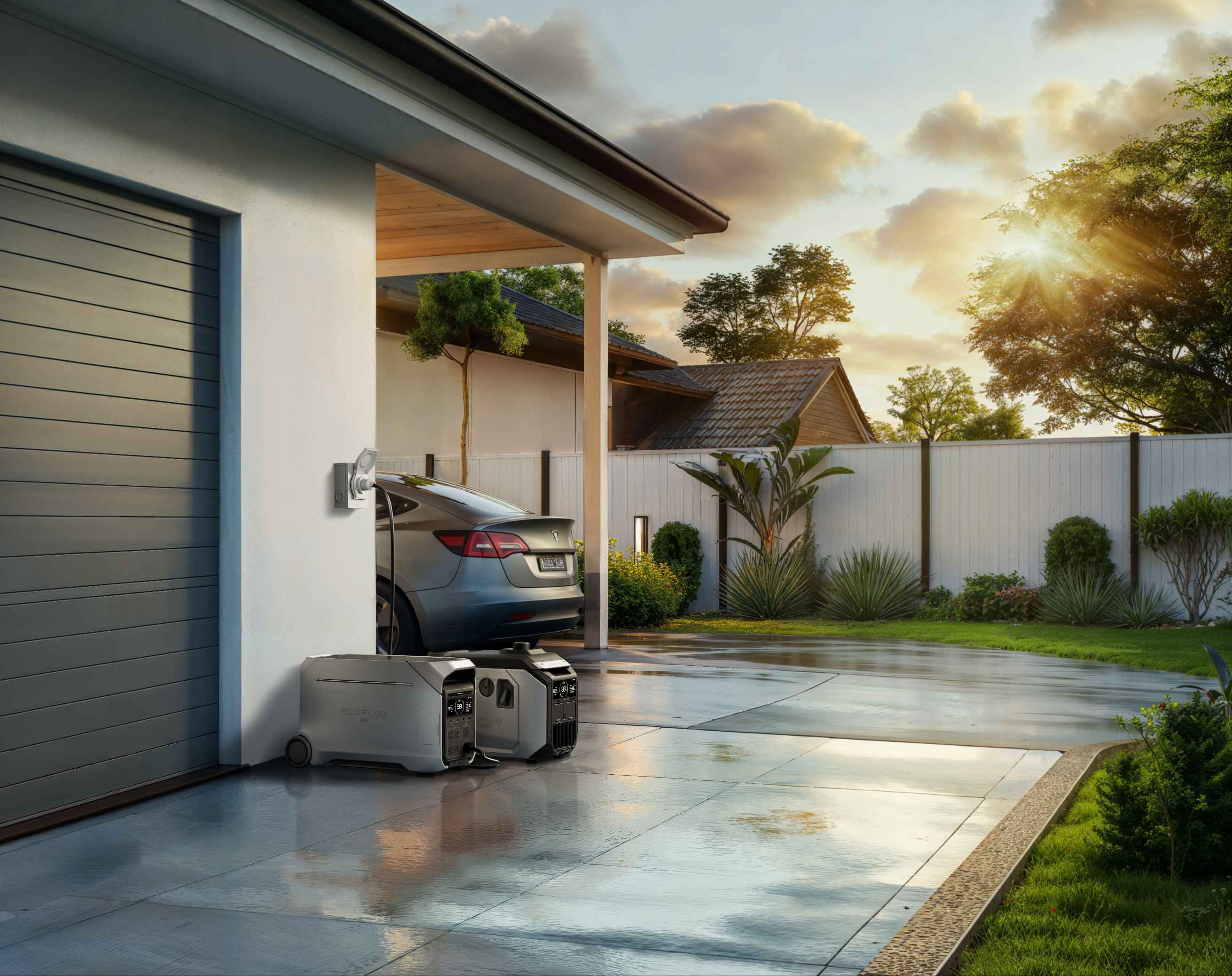
For a more flexible outdoor setup, the EcoFlow DELTA Pro 3 + 400W Portable Solar Panel is a practical fit, offering portable solar charging for lights, music, and phones.
A simple power map can help:
Low draw needs: phone charging, LED lights, hotspot
Mid-range needs: speaker, fan
Higher draw needs: a small kitchen appliance for limited use
That kind of planning keeps expectations realistic and helps the event run without friction.
Start Planning a Smarter Block Party With the Right Setup From Day One
A successful block party usually comes down to a few practical choices made early. Clear rules, a comfortable layout, simple food, and age-friendly activities all help the event feel easy for everyone. If the setup also includes reliable power for lighting, music, and charging, the day tends to run much more smoothly. Plan around comfort and flow from the beginning, and your block party is far more likely to feel welcoming, relaxed, and worth repeating.
FAQs
Q1. Should guests bring something to a block party if the host does not ask?
Yes, bringing something small is usually a good idea. A drink, dessert, bag of ice, or paper goods can all be helpful without creating extra pressure for the host. If the event already has a sign-up list, follow that first. If not, choose something easy to share and easy to carry. A thoughtful contribution helps the event feel more communal and takes some of the burden off the organizer.
Q2. Can a block party still feel successful if not everyone on the street joins?
Yes, it can. A block party does not need full participation to feel welcoming or worthwhile. In most neighborhoods, some people stay for hours, some stop by briefly, and some choose not to attend at all. What matters more is creating a friendly atmosphere for those who do come. A smaller turnout can even make the event feel more relaxed and easier to manage, especially the first time.
Q3. Should you plan a rain date for a block party?
Yes, having a rain date is a smart idea if the event depends heavily on outdoor space. Weather can affect turnout, food, seating, and the overall mood far more than hosts expect. A backup date also makes communication easier because people know there is already a plan in place. If a second date is not possible, a shortened schedule or a covered fallback area can still help save the event.
Q4. Is it okay to invite people from nearby streets, or should a block party stay limited?
Yes, inviting a few nearby friends or families is usually fine, as long as the event still fits the space and the neighborhood setting. Problems tend to happen when the guest count grows faster than the layout, food plan, or seating can handle. A block party usually feels best when it remains local and manageable. Keeping the crowd at a comfortable size helps protect the easy, neighborly atmosphere people expect.
Q5. Do you need portable power or energy storage for a block party?
Not always, but it can be very useful when the event needs lighting, music, phone charging, or small comfort devices away from the house. A portable power setup makes it easier to place these essentials where people actually need them, instead of building the whole event around one outlet. It can also help the layout feel cleaner, especially when you want fewer long cords running through walkways or seating areas.
For press requests or interview opportunities, reach out to our media team
media.na@ecoflow.com