Bifacial vs. Monofacial: Testing the New 220W NextGen Panels
- What Is the Difference Between Bifacial and Monofacial Solar Panels?
- How NextGen Bifacial Solar Panels Generate Extra Power
- Factors That Influence Bifacial Solar Panel Performance
- When the EcoFlow NextGen 220W Bifacial Panel Makes Sense
- Frequently Asked Questions
- Choosing the Right Solar Panel Type Maximizes Long-Term Energy Production
When you’re shopping for a solar setup, it’s tempting to choose the panel with the highest wattage and call it a day. But wattage alone doesn’t tell the whole story. There are different types of solar panels, and choosing the wrong one could leave money on the table.
Monofacial and bifacial panels are two of the most common options on the market. Learn how they differ, factors that affect their performance, and how to find the best solar panels for your home.
What Is the Difference Between Bifacial and Monofacial Solar Panels?
These two types of solar panels will both generate electricity from the sun, but they differ in terms of installation, cost, and efficiency.
Monofacial panels are the traditional, single-sided panels you’re familiar with. They only have cells in the front, which sit under tempered glass. The back is covered with an opaque white or black backsheet. This backsheet is the key difference between a bifacial and a monofacial solar setup: it completely blocks light from reaching the rear of the cells.
Bifacial solar panels can capture sunlight on both the front and back sides. Instead of blocking light, their construction allows solar cells to absorb reflected sunlight beneath the panel. Some models use glass-on-glass construction, which tends to last longer. Others have a transparent plastic backsheet that’s more affordable, but tends to break down faster.
Bifacial panels, like the EcoFlow NextGen 220W Bifacial Portable Solar Panel, generally outperform monofacial models, especially in reflective ground conditions. On rooftops, the gain is modest but measurable. On elevated ground mounts, the difference can be dramatic. Bifacials cost more upfront, but they generate so much more energy that they offset that cost over time.
Monofacial models are easier to install, but they aren’t quite as durable as bifacial solar panels. They’re more affordable and could be a better fit if you’re new to solar, but they’ll likely require more replacements and generate less energy.
How NextGen Bifacial Solar Panels Generate Extra Power
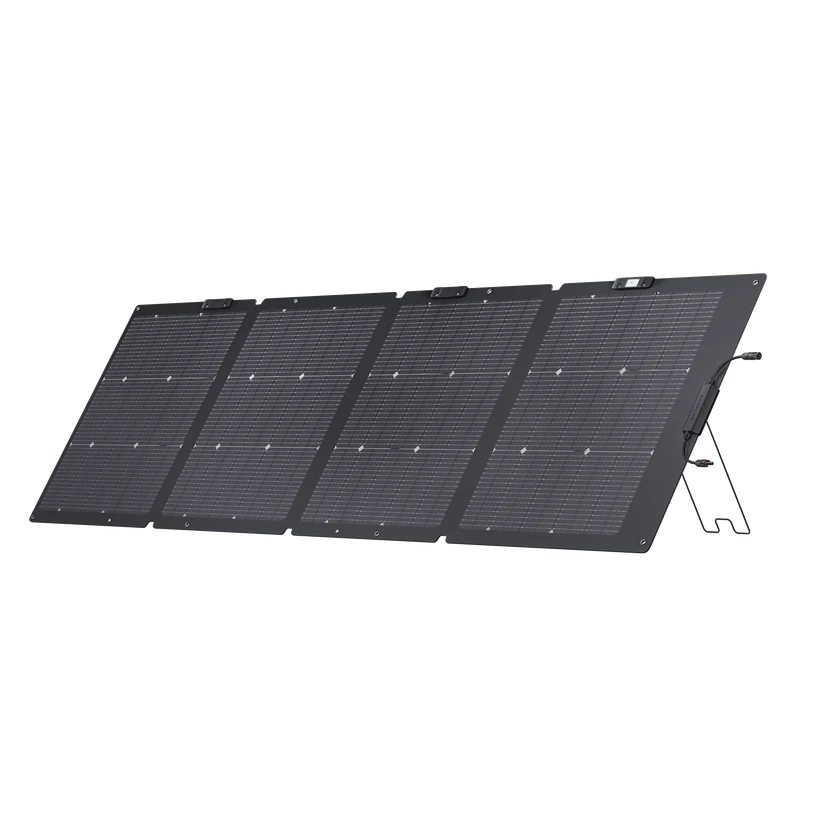
The EcoFlow NextGen 220W Bifacial Portable Solar Panel leverages the core advantage of bifacial technology—capturing light from both sides—and goes one step further.
This panel features a 220W primary side and a 175W rear side, which means it can collect up to 28% more energy than single-sided panels. The EcoFlow NextGen 220W Bifacial Portable Solar Panel is also the solar industry’s first portable panel to use TOPCon solar cell technology. This upgrade increases the panel’s conversion efficiency to 25%, which means you can generate more usable electricity.
Sunlight exposure affects performance on any solar panel, but this model includes features to help capture more sunlight. The built-in adjustable bracket makes it easy to tilt the panel from 30° to 60°, helping you optimize the angle throughout the day or across seasons. The panel also includes a solar angle guide to help you capture peak sunlight.
Unlike fixed rooftop systems, this panel is designed to move with you. It’s:
Lightweight and compact
Easy to reposition as light conditions change
Practical for travel and emergency use
It also carries an IP68 rating, which offers strong protection against water and dust intrusion. The tempered glass coating adds durability while protecting the cells inside.
The EcoFlow NextGen 220W Bifacial Portable Solar Panel is also a smart addition to your home backup system. It pairs well with a whole-home generator, which extends energy access beyond your small devices and into bigger household loads.
Factors That Influence Bifacial Solar Panel Performance
Bifacial panels can outperform traditional monofacial models, but only with the right setup. Regardless of which EcoFlow solar panel you go with, consider these factors to collect the most energy possible.
Panel Height
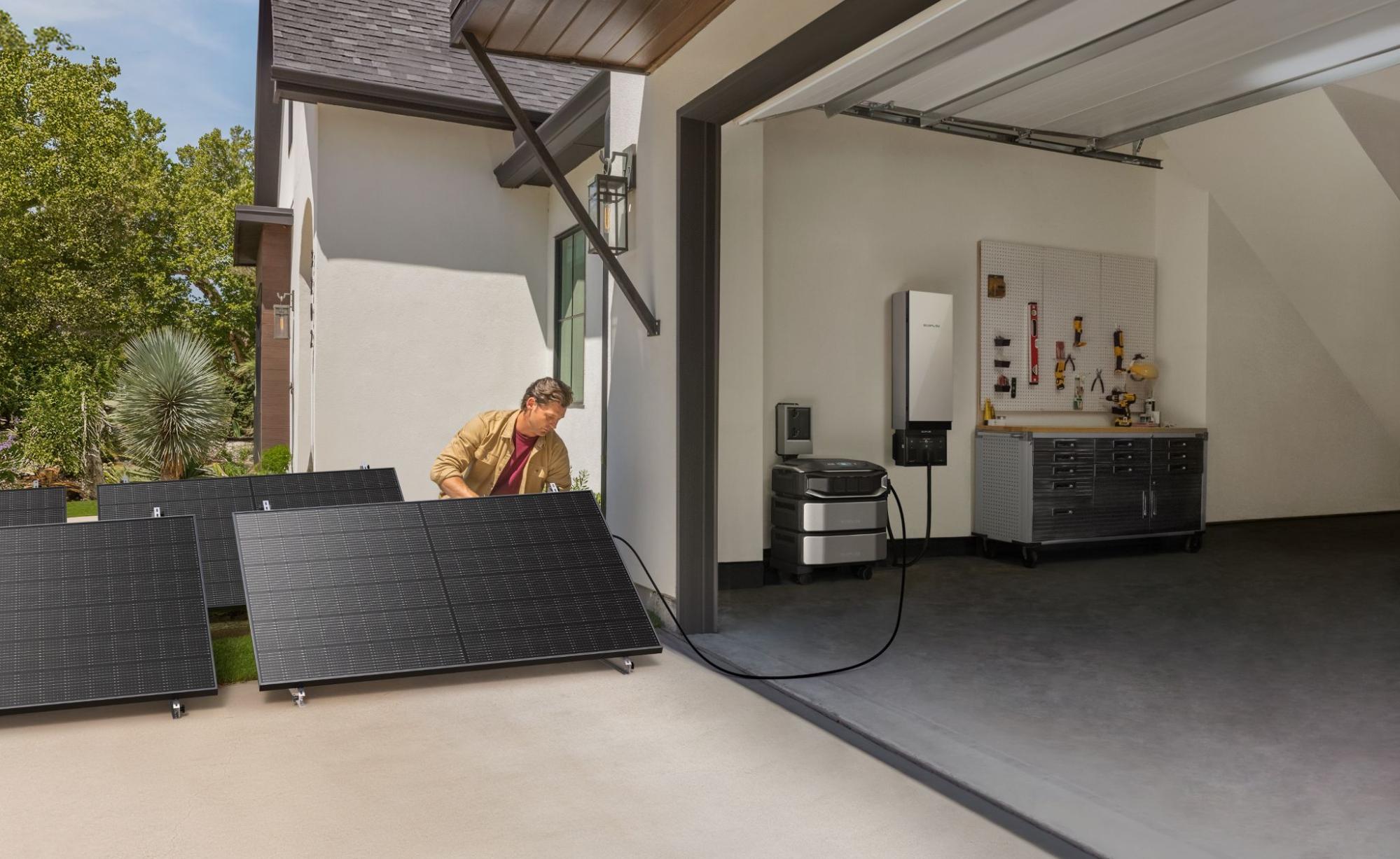
Bifacial panels need space beneath them to capture reflected light. That means you need to install the panel on a rack to keep it elevated. If the panel sits flush against a roof or too close to the ground, you won’t generate much energy. In most cases, you should install the panels 3 to 4 feet (1 to 1.2 meters) above the ground.
Tilt
Your panels need the right angle to maximize direct sunlight. However, bifacial panels also need the right tilt to absorb reflected light underneath the panel. The EcoFlow NextGen 220W Bifacial Portable Solar Panel includes a tilt guide to help you capture the most sunlight based on your location, time of day, and season.
Surface Reflectivity
With the albedo effect, the reflectivity of the ground or surface beneath a bifacial solar panel can have a big impact on energy production. Light-colored surfaces like snow, sand, or concrete reflect more sunlight into the panel. Dark asphalt or soil reflects far less. Even a modestly reflective surface can work, but the more reflective your environment, the more energy you’ll collect.
When the EcoFlow NextGen 220W Bifacial Panel Makes Sense
You need to choose the best solar panel type for your setup, budget, and energy needs.
Monofacial panels make sense when:
You want a lower upfront cost
You prefer a simpler installation
The panel will sit flush on a rooftop
Space is limited
The EcoFlow NextGen 220W bifacial panel is the better choice if you have the room to reflect light on both sides of the panel. It’s best if you:
Want a ground-mounted setup
Live in snowy, desert, or coastal regions
Want maximum generation from limited daylight
Care about long-term durability and performance
Ultimately, any solar setup should align with the 20% rule, which says that you should generate 20% more energy than you need. Bifacial panels’ higher effective capacity makes it easier to reach that buffer without dramatically expanding your system.
Frequently Asked Questions
Which Is Better, Monofacial or Bifacial?
It depends on your needs. Monofacial panels are simpler to install and more affordable. They’re ideal for flush rooftop installations or for tight budgets. Bifacial panels collect much more energy, especially in reflective areas with elevated mounts. While they’re more expensive upfront, they’re the better choice if you want more durability and energy production.
Do Bifacial Panels Work on Cloudy Days?
Technically, all solar panels work on cloudy days, but not as well as they do on sunny days. Bifacial panels’ rear side can still capture ambient reflected light, helping you gather a little more energy on overcast days.
Can Bifacial Solar Panels Be Used on a Roof?
Yes, but only with the right setup. If you place these panels on the roof, you risk shading the rear side that captures reflected light. Lighter-colored roofs or elevated racks can help you capture more reflected light. If that isn’t possible, you may need to stick with monofacial rooftop solar panels.
Choosing the Right Solar Panel Type Maximizes Long-Term Energy Production
Monofacial and bifacial solar panels will gather solar energy and convert it into usable power, whether you’re at home or traveling. While monofacial panels are cheaper and easier to manage, bifacial panels are the gold standard for durability and maximum energy production.
Most solar panels are mounted on your home or property, but EcoFlow is changing the game. Our portable solar panels help you adjust to changing conditions and generate more power without expanding your footprint. See how the EcoFlow NextGen 220W Bifacial Portable Solar Panel is ideal for high-performance setups.
For press requests or interview opportunities, reach out to our media team
media.na@ecoflow.com