Bidirectional Charging (V2G) in 2026: Which Cars Finally Support It?
- What Is Bidirectional Charging and Why It Matters in 2026
- Cars That Support Bidirectional Charging (V2G/V2H/V2L) in or Around 2026
- Bidirectional Charging: Integrating V2H with Home Energy
- Use Cases: Power Outages, Off-Peak Charging, and Grid Support
- Costs, Savings, and ROI with Bidirectional Charging
- Frequently Asked Questions
- Vehicle-to-Home Charging Strengthens Household Energy Resilience
Bidirectional charging technology is finally reaching mainstream adoption in 2026, and EV owners are realizing the full potential of their cars as more than just a means of transportation. Electric vehicles can now power homes or feed electricity back to the grid, creating an interconnected and bidirectional flow of energy that we can use to our advantage.
V2H (Vehicle-to-Home) can power your home, and V2G (Vehicle-to-Grid) can support a more resilient grid while optimizing energy costs.
A growing number of auto manufacturers are implementing bidirectional capabilities. Learning which cars support them and how to integrate them with your home energy system will create new possibilities for energy independence.
What Is Bidirectional Charging and Why It Matters in 2026
Bidirectional charging enables electricity to flow freely in both directions between EV batteries and the grid, allowing them to function as both mobile batteries and power stations. While this isn’t a feature that you’d utilize with public charging, it can turn your EV into a backup power source at home during a blackout or emergency.
2026 seems to be a significant tipping point as bidirectional charging becomes a new standard.
Homeowners benefit greatly from this shift, gaining a backup power source equivalent to an extensive home battery system. The grid also benefits from new stability, as thousands of EVs can store and release energy during peak demand or outages.
Even new economic incentives are feeding the demand for this technology. Utilities are finding ways to compensate EV owners for providing grid services, thereby turning EVs into a potential new revenue stream.
How V2G and V2H Work: From Wall Socket to Home Power
V2G (Vehicle-to-Grid) feeds your car’s energy to the electrical grid, while V2H (Vehicle-to-Home) powers your house directly from your EV battery. V2L (Vehicle-to-Load) is another feature gaining popularity, as it serves as a backup power source for appliances or tools during AC power outages.
V2X (Vehicle-to-Everything) encompasses all of these forms of bidirectional energy transfer.
Integrating these features requires a compatible EV, a bidirectional charger, and a home energy management system. Special bidirectional inverters can also convert DC electricity from a battery to AC electricity. The smart charging system manages the flow of energy based on grid demands or home needs.
Cars That Support Bidirectional Charging (V2G/V2H/V2L) in or Around 2026
Ford F-150 Lightning provides full V2L, V2H, and V2G
Nissan Leaf continues V2G and V2H support
Hyundai IONIQ 5 and IONIQ 6 feature V2L with 3.6kW output capability
BMW iX3 launching spring 2026 with bidirectional capability and BMW Wallbox Professional
Mercedes-Benz GLC will gain V2G in 2026
Tesla Model Y Performance (2026) officially supports V2L, with V2H available for 2024+ Model 3/Y and Cybertruck
Tesla Cybertruck provides 11.5kW V2H and V2L capability
Genesis GV60 and GV70 provide V2L
Kia EV6 provides V2L with 3.6kW output, EV9 adding V2G and V2H capabilities
Volkswagen ID.4 and ID.Buzz models provide V2H
General Motors Ultium platform vehicles (Cadillac Lyriq, Hummer EV, Silverado EV) to provide V2H by 2026
Mitsubishi Outlander PHEV provide V2G, V2H, and V2L capabilities
Volvo EX90 provides bidirectional charging capability
Bidirectional Charging: Integrating V2H with Home Energy
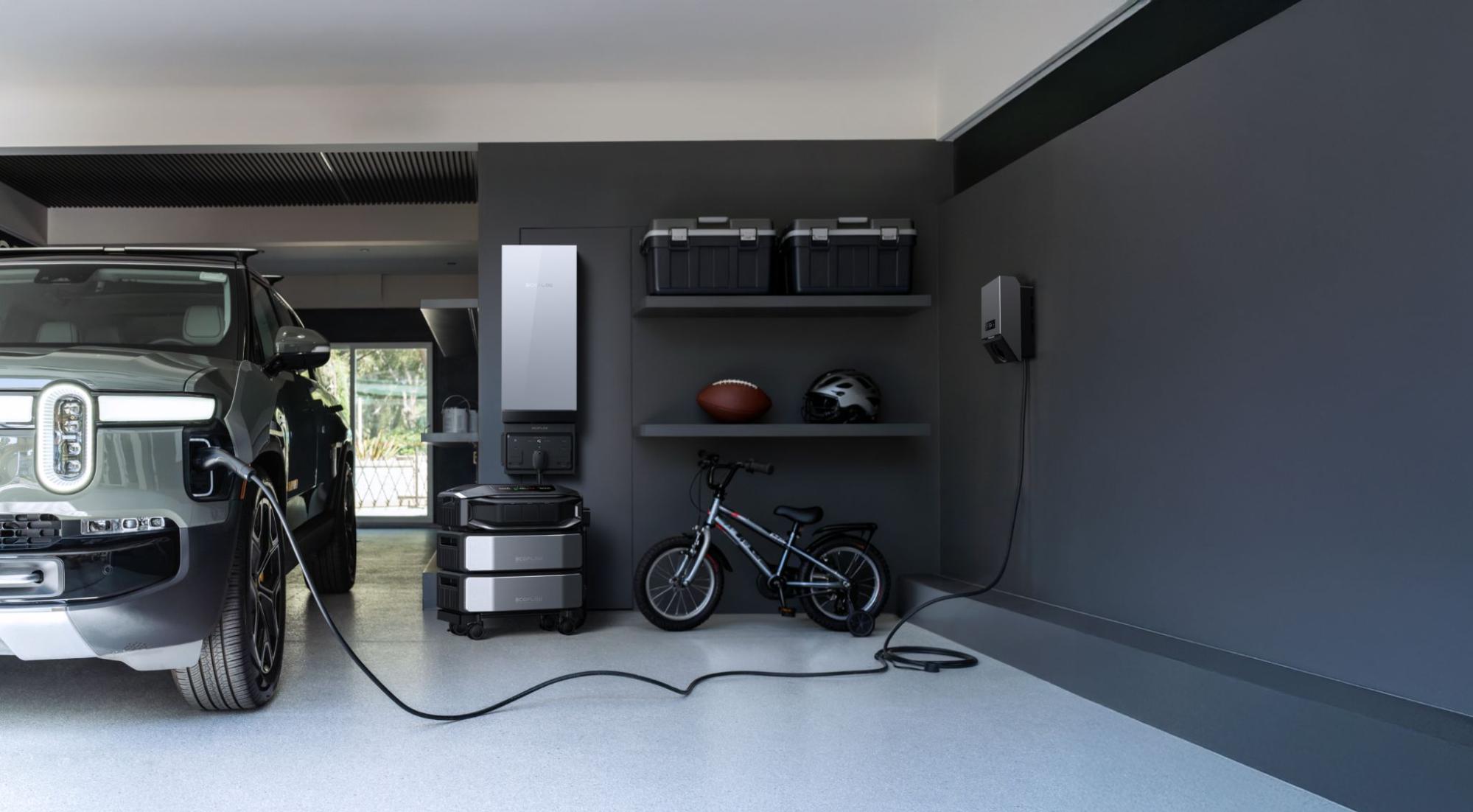
If you want to integrate Vehicle-to-Home capabilities to power your home’s energy, you’ll need a special bidirectional EV charger installed by a certified electrician. If you have solar panels, a smart home panel like the EcoFlow Smart Home Panel 3 will coordinate between your EV, your solar panels, and grid electricity, doing much of the managing work for you. It will automatically switch power sources during outages to maintain your home’s critical systems.
For enhanced energy storage, you can also integrate it with an existing home battery system that you can tap into as needed. Your backup power duration will depend on your EV’s battery capacity and the amount of energy your home consumes.
Use Cases: Power Outages, Off-Peak Charging, and Grid Support
Power Outages: Sudden blackout? Use V2H charging to power your whole-home generator and avoid disruptions.
Off-Peak Charging: Optimize your charging time by scheduling it during off-peak hours to save money. You can then use that stored energy later to power your home when grid power is more expensive.
Grid Support: Provide stored EV battery power to the grid and earn compensation for the electricity, helping to support resiliency while benefiting from your contributions and serving as part of a distributed power source.
Costs, Savings, and ROI with Bidirectional Charging
You can save significantly on your EV charging costs by maximizing the benefits of bidirectional charging. While you’ll need to recoup the upfront costs of the bidirectional charger, your annual home energy savings will range from $500 to $2,000, depending on your local electricity rates. Grid service payments can provide an additional $200 to $1,000 in monthly income, and avoiding expensive generator purchases can save you thousands more.
Federal tax credits are also available for installing bidirectional charging equipment, and in some areas, utility rebates can further reduce the upfront costs. Most people achieve ROI within 3-7 years.
Frequently Asked Questions
What’s the Difference Between V2G, V2H, and V2L?
V2G sends power back to the electric grid for utility services. V2H sends power directly to your home to optimize energy costs or maintain power during an outage. V2L provides standard AC power for appliances, tools, or equipment.
Do All EVs Support Bidirectional Charging in 2026?
Not all EVs support bidirectional charging in 2026, but the majority of new EVs in 2026 provide some form of bidirectional charging capability. V2L is becoming a standard feature, while V2G and V2H are still limited to specific manufacturers and models.
Vehicle-to-Home Charging Strengthens Household Energy Resilience
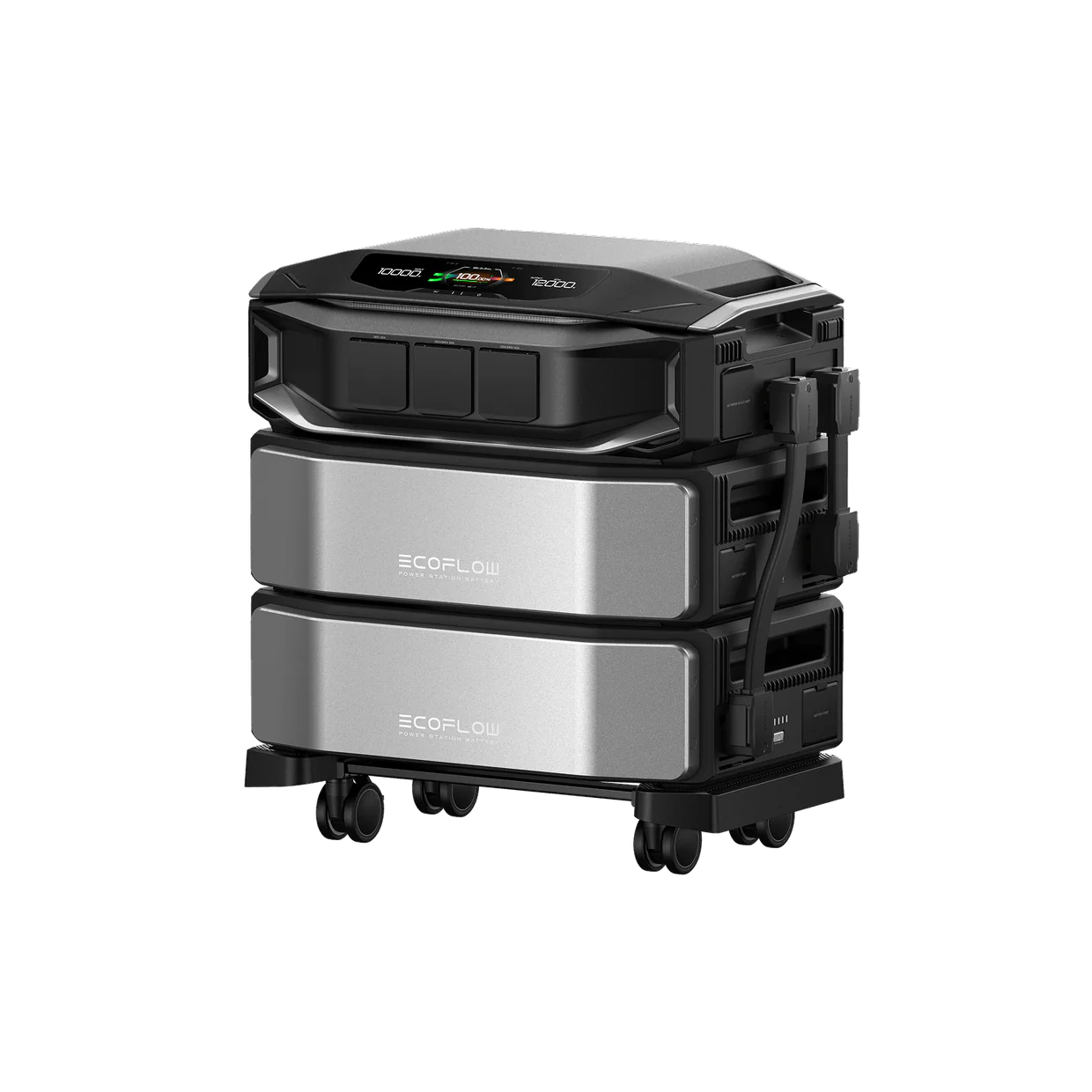
2026 is a breakthrough year for bidirectional charging as it breaks into the mainstream. This new technology gives EVs value far beyond transportation, transforming them into valuable assets for home and utility energy use. You can send power to the grid through utility partnerships, back up your home by sending power to a portable power station like the EcoFlow DELTA Pro Ultra X, or use your car as an AC outlet for tools or appliances. It will soon be the new normal, and this is just the beginning.
For press requests or interview opportunities, reach out to our media team
media.na@ecoflow.com