Best RV Generators 2026: Reliable Power for Your Camper
Whether you’re waking up to a sunrise in the Great Smoky Mountains or boondocking out in the open deserts of Arizona, having reliable power is what separates a smooth trip from a frustrating one. RV travel in 2026 looks a lot different from how it used to. It’s no longer just about keeping the lights on; you’re powering laptops for remote work, CPAP machines overnight, and high-efficiency AC units during hot afternoons. This guide breaks down the best RV generators for 2026 and explains how modern inverter and solar technology can support a more comfortable travel setup while keeping noise, fuel use, and environmental impact in check.
Why a Reliable RV Generator Matters
A generator isn’t just another accessory; it’s what keeps your RV working like a real home on wheels. As more Americans embrace work-from-anywhere travel, the need for steady, clean power has become essential. When your office, kitchen, and sleeping space all rely on electricity, reliability isn’t optional.
Supporting Appliances and Electronics Safely
Today’s RVs are loaded with sensitive electronics, from laptops and routers to smart TVs and charging stations. Older open-frame generators can deliver unstable, “dirty” power with voltage spikes that damage delicate gear. Modern inverter generators solve this by producing a pure sine wave, protecting electronics the same way a standard home outlet does.
Enhancing Comfort During Travel
Comfort makes a big difference on the road. Hot showers, a cold fridge, and a working microwave can turn a remote campsite into a livable space. A dependable generator means that even when you’re miles from shore power, you don’t have to give up everyday conveniences.
Enabling Longer and More Flexible Trips
With a solid power setup, you’re no longer tied to crowded campgrounds with electrical hookups. Many RVers use generators to spend extended time on off-grid land managed by the Bureau of Land Management. Reliable power lets you stay out longer, keep food frozen, and travel on your own schedule.
Improving Energy Efficiency and Reducing Fuel Costs
Efficiency is a major focus in 2026. Modern inverter technology allows generators to adjust engine speed based on demand instead of running at full throttle, which cuts fuel use. Adding solar panels to the mix lets you capture free energy during the day, reducing how often you need gasoline or propane.
Reducing Stress and Emergency Power Concerns
Weather changes and mechanical issues can turn a trip sideways fast. Dual fuel and solar integrated systems add peace of mind by giving you backup options. If one power source fails, you still have electricity to run essentials like your furnace, phone chargers, or communication equipment when it matters most.
Types of RV Generators
Knowing the different generator types makes it much easier to choose what actually fits your rig and travel style. In 2026, most RVers end up choosing from four main categories, depending on how they camp, how much power they need, and how quiet they want things to be.
Portable Gas Generators
Portable gas generators are still a common choice for budget-minded campers who need high output. These are usually open-frame units, meaning the engine is exposed. That design helps with cooling but also makes them louder. They deliver a lot of wattage for the money, but the downsides include noisy operation, higher emissions, and “dirty” power that can be risky for modern electronics. Because of the noise, they’re also being restricted more often in U.S. National Parks.
Inverter Generators
Inverter generators are often seen as the more campground-friendly option. They’re fully enclosed, much quieter, and produce clean, stable AC power in a pure sine wave. The engine adjusts speed based on demand, which saves fuel and keeps noise levels low. For many American RVers today, an inverter generator is the baseline if you want reliable power without disturbing your neighbors.
Diesel Generators
For large Class A or Class B+ motorhomes, built-in diesel generators are often the most practical solution. These systems draw fuel directly from the RV’s main tank, so there’s no need to haul extra gas cans. They’re designed for heavy-duty use and can easily power multiple 15,000 BTU air conditioners. The tradeoffs are weight, cost, and maintenance, since diesel generators typically require professional servicing.
Solar and Hybrid Generators
Solar and hybrid generators, commonly called portable power stations, represent the newest wave of RV power in 2026. They operate silently, produce no emissions, and recharge through solar panels, shore power, or the vehicle alternator. Many also function as a built-in UPS, keeping sensitive equipment like refrigerators or satellite internet running if shore power cuts out. For RVers who value quiet operation and flexibility, this category has become increasingly popular.
RV Generator Types Comparison Table
| Type | Power Range | Noise Level | Weight | Suitable RV | Advantages | Limitations |
|---|---|---|---|---|---|---|
| Portable Gas | 2,000–10,000 W | High (65–75 dB) | 50–200 lbs | Small to mid-size trailers | High output, affordable | Noisy, high emissions, limited continuous use |
| Inverter | 1,500–4,500 W | Low (50–60 dB) | 40–100 lbs | Small to mid-size trailers / RVs | Quiet, clean power, fuel-efficient | Lower power output, slightly higher price |
| Diesel | 3,000–15,000 W | Medium (55–65 dB) | 150–500 lbs | Large Class A/B+ motorhomes | High power, durable, connects to vehicle fuel | Heavy, expensive, requires specialized maintenance |
| Solar / Hybrid | 1,000–6,000 W | Very low (almost silent) | 20–150 lbs | Small trailers to mid-size RVs | Silent, zero emissions, expandable | High upfront cost, depends on sunlight or battery capacity |
Key Factors When Choosing the Best RV Electric Generators
Before pulling the trigger on a generator, it’s worth making sure it actually matches how you travel. The right choice depends on how much power you use, where you camp, and how much noise and space you’re willing to deal with once you’re parked.
Wattage and Load Capacity
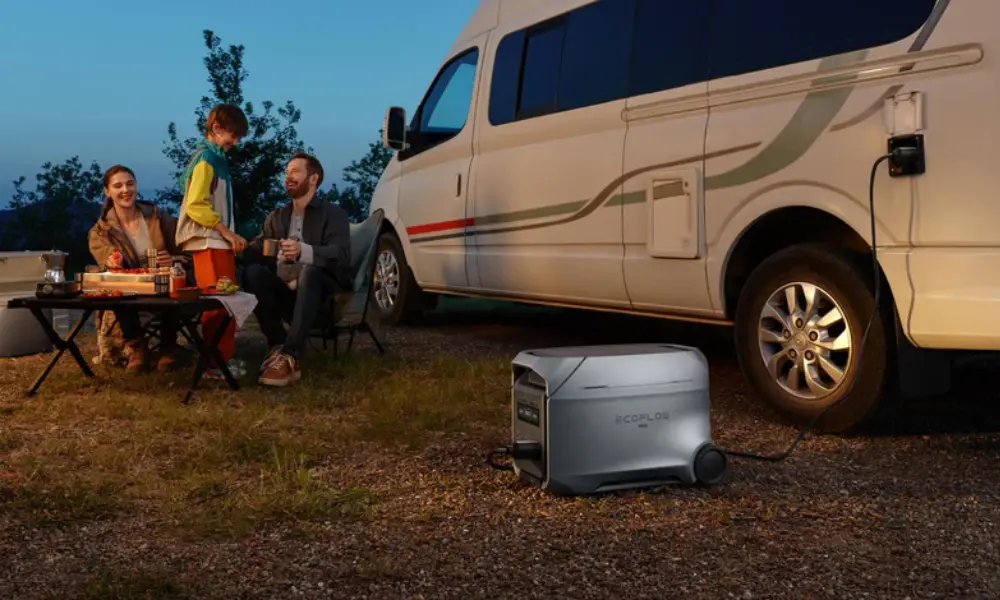
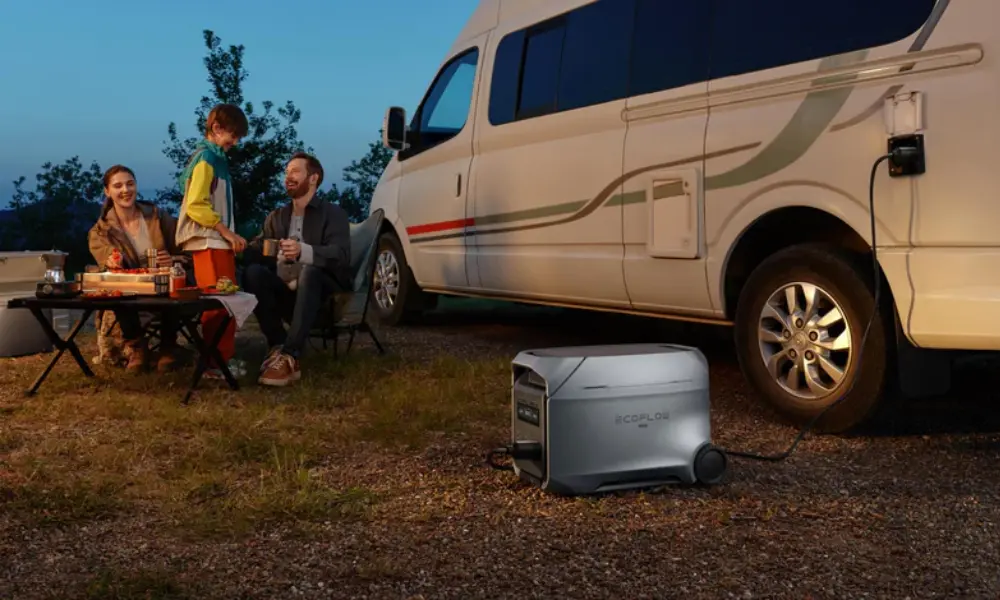
It’s important to understand the difference between starting watts and running watts. Starting watts cover the brief surge needed to fire up things like air conditioners or water pumps, while running watts are the steady power those appliances draw once they’re going. Add up everything you expect to run at the same time so you don’t overload the system. Many RVers now prefer expandable setups that let them add battery modules later as their power needs change.
Fuel Type and Efficiency
Fuel flexibility can make a big difference, especially when you’re traveling through remote areas like the Pacific Northwest. Dual-fuel generators that run on gas and propane are popular since propane burns cleaner and stores longer. On the electric side, units with high solar input ratings let you pull in free energy from portable or roof-mounted panels, cutting down how often you need fuel at all.
Noise Level
Noise matters more than most people expect. Many U.S. National parks enforce 60 db limits, and a loud generator can quickly spoil a quiet campsite or get you in trouble with park rules. That’s why it’s important to choose a quiet RV generator with sound-dampening enclosures or “quiet run” certifications to keep things peaceful and campground-friendly.
Portability and Size
Storage space is always limited, whether you’re in a Sprinter van or a full-size fifth wheel. Beyond checking dimensions, think about how easy the unit is to move. Features like telescoping handles and sturdy wheels make it much easier to roll the generator to a safe operating distance instead of wrestling with dead weight.
Safety Features
Safety shouldn’t be optional. Fuel-powered generators should have automatic carbon monoxide (CO) shut-off sensors to reduce serious health risks. Electric power stations rely on advanced Battery Management Systems (BMS) to guard against overheating, surges, and short circuits. These protections help keep both you and your RV’s wiring safe.
Smart Features and Energy Management
Connectivity is a big part of what defines generators in 2026. Many newer units offer app control through Bluetooth or Wi-Fi, so you can check battery levels or fuel use from your phone. Some systems even let you schedule charging during off-peak hours, which can help keep energy costs in check over time.
3 Best Electric Generators for RV 2026
After reviewing how people actually use power on the road, these three options from EcoFlow stand out for 2026. Each one is suited to a different RV lifestyle, from full-time living to short weekend escapes.
1. EcoFlow DELTA Pro 3 + Smart Generator 4000 (Dual Fuel)
This setup is designed for large Class A rigs and full-time boondockers who want home-level comfort without compromise. The EcoFlow DELTA Pro 3 + Smart Generator 4000 (Dual Fuel) pairs a powerful 4000W dual-fuel generator with a high-capacity battery system, creating a smart setup that only starts the gas engine when battery levels drop. That design helps conserve fuel while still handling heavy loads, including central AC units and other high-demand appliances running at the same time.
2. EcoFlow DELTA 2 Max Portable Power Station
For Class B vans and mid-sized travel trailers, the EcoFlow DELTA 2 Max Portable Power Station lands in an efficient middle ground. It starts with a 2kWh capacity and can expand up to 6kWh, giving it enough power to handle about 99% of everyday appliances. It runs completely silently and supports fast X-Stream charging, which makes it a solid choice for weekend trips, stealth camping, or staying in National Parks where noise rules are strict.
3. Ecoflow Delta 3 Ultra Series Portable Power Station
When space is limited, the Ecoflow Delta 3 Ultra Series Portable Power Station focuses on delivering useful power in a compact, easy-to-carry form. It’s well-suited for teardrop trailers and small campers where every inch matters. Despite its smaller size, it reliably powers essentials like laptops, CPAP machines, and LED lighting. Multiple AC and USB outputs, along with simple solar compatibility, make it a good option for lightweight, off-grid travel.
Comparison Overview
| Model | Best For | Pros | Cons |
|---|---|---|---|
| EcoFlow DELTA Pro 3 + Smart Generator 4000 | Large Class A/B+ RVs, full-time RVers | Dual-fuel, high output, smart management, fuel-efficient | Heavy, expensive |
| EcoFlow DELTA 2 Max Portable Power Station | Mid-size RVs, weekend trailers | Silent operation, expandable battery, ultra-fast charging, portable | Mid-high price, cannot run a large AC continuously |
| EcoFlow DELTA 3 Ultra Series | Small trailers, teardrop campers | High-density power, lightweight, portable, solar-compatible | Limited output, suitable only for essential devices |
How to Safely Use and Maintain Your RV Electric Generator
Owning a solid generator is only half the job. Keeping it dependable, whether you’re parked in the Rockies during a cold snap or dealing with a humid night in Florida, comes down to how you use and maintain it. Good habits don’t just extend the life of your equipment; they also play a big role in keeping everyone inside the RV safe.
Safe Setup and Operation
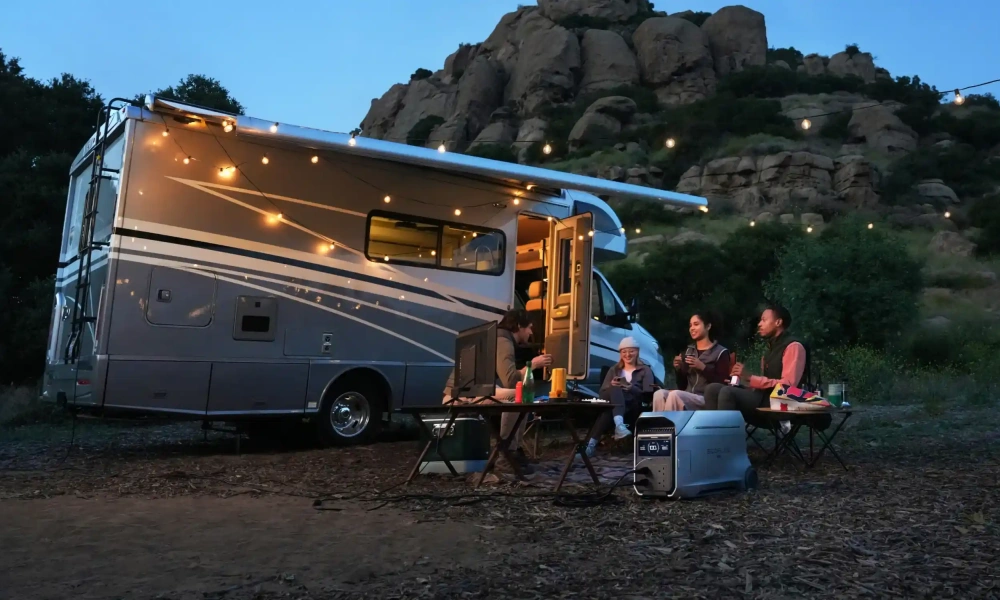
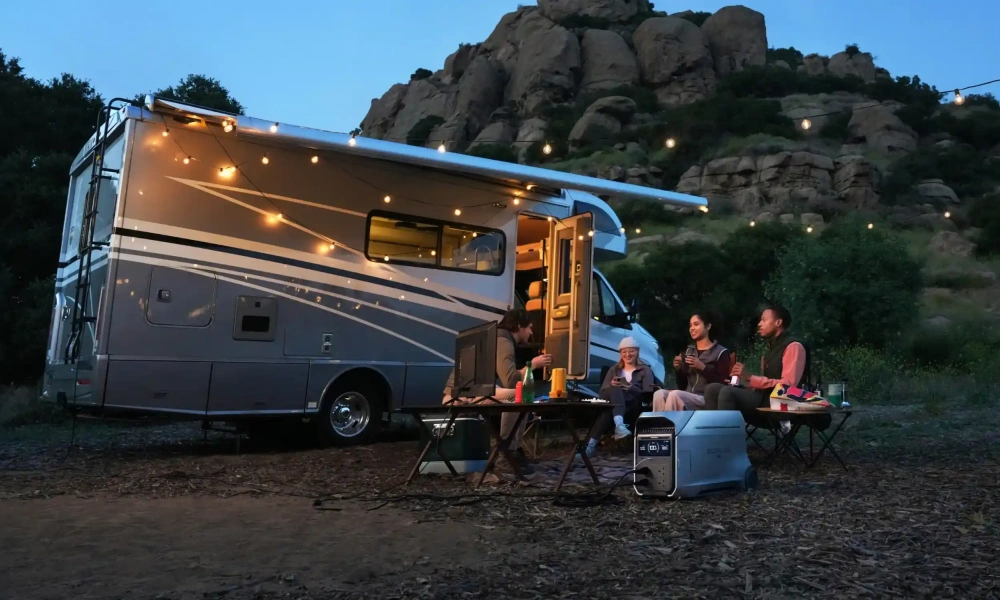
Proper placement is where safety starts. For any fuel-powered generator, the 20-foot rule is non-negotiable. Always run the unit at least 20 feet away from your RV, with the exhaust pointing away from doors, windows, and vents to avoid carbon monoxide buildup. If you’re using a portable power station, place it on a dry, level surface with enough airflow so the cooling fans aren’t blocked, especially during fast charging or heavy use.
Regular Maintenance Checklist
A generator that’s maintained regularly is far more reliable on the road. With gas or diesel models, check the oil before every startup and plan on changing the oil and filter every 50 to 100 hours of use. Keep the air filter clean, particularly if you travel through dusty areas, so the engine doesn’t struggle. For battery-based systems, maintenance is mostly digital; check the manufacturer’s app for firmware updates that improve battery performance and safety.
Storing Your Generator Safely
How you store your generator matters just as much as how you run it. For fuel-powered units, either drain the fuel tank or add a stabilizer to prevent buildup that can clog the carburetor. Lithium-based power stations store best at around 50% to 80% charge, kept in a cool, dry place and away from extreme temperatures.
Fuel Storage and Handling Tips
Fuel handling is an area where mistakes can get dangerous fast. Always use EPA-approved, clearly labeled containers and store them in an exterior rack or a ventilated compartment, never inside the RV. Before refueling a gas generator, let it cool down for at least 15 minutes. Spilling fuel on a hot engine can cause a flash fire, turning a routine refill into a serious hazard.
Conclusion
Picking the right RV generator in 2026 comes down to finding the balance between power, efficiency, and quiet operation. Some travelers need serious output for full-time living, while others prioritize portability and silence for shorter trips. Whether that means the heavy-duty capability of the EcoFlow DELTA Pro 3 or the compact, easy-to-move design of the EcoFlow DELTA 3 Ultra, having the right power setup helps keep your road trip smooth and stress-free. With reliable electricity on board, you can focus less on managing power and more on enjoying the open road.
FAQ
1. What Size Generator for a 50 Amp RV?
A true 50-amp RV can pull a lot of power, so fully covering everything usually means a generator in the 8,000 to 12,000-watt range. That’s because these rigs use two 50-amp, 120V legs. In real-world use, though, many RVers don’t run all appliances at once. With smart power management, a 4,000-6,000W generator can work fine if you’re careful about not running multiple AC units at the same time.
2. What Size Generator Do I Need to Run My RV?
The right size depends on your total wattage needs. Most 30-amp RVs do well with a 3,000 to 4,500-watt generator, which is usually enough for one air conditioner plus basic appliances. Smaller trailers or campers without AC can often get by with a 1,000 to 2,000-watt unit.
3. Can I Run My AC in My RV with the Generator?
Yes, you can run an RV air conditioner on a generator as long as it has enough starting wattage to handle the compressor kick-on. Startup draws more power than normal operation. Many RVers install soft start devices on their AC units, which reduces the surge and makes it possible to run AC on smaller, quieter generators.
4. Can I Plug My RV into a Solar Generator?
Yes. Using a standard shore power adapter, such as a 30-amp or 50-amp to 15/20-amp adapter, you can plug your RV into a solar generator. This setup makes solar generators for your RV a practical solution for running outlets and your 12V system silently using stored battery power, which is especially useful at night or in noise-restricted areas.
5. What Uses the Most Electricity in an RV?
The air conditioner is usually the biggest power draw in an RV. After that, electric water heaters, microwaves, and space heaters use the most electricity. Anything that produces heat or cooling typically consumes far more power than lighting, fans, or everyday electronics.
For press requests or interview opportunities, reach out to our media team
media.na@ecoflow.com