How to Make Coffee Without Electricity (8 Easy Methods for Power Outages)
A power outage doesn’t mean you have to give up your daily coffee routine.
From no-heat options like cold brew to off-grid methods using camp stoves or portable power, there are several reliable ways to brew coffee without electricity.
This guide outlines safe, practical approaches to help you prepare your morning drink during outages, whether they last a few hours or several days.
What You Need to Brew Coffee in a Power Outage
The tools you need to make coffee without electricity include:
A water source — During a power outage, you may still have access to running water, and if not, you most likely have an alternative water supply as part of your emergency readiness plan and kit.
A heat source with which to boil water — Some options include a camping stove, portable gas burner, campfire, propane or charcoal grill, and wood stove. If you have a gas stove at home, using a match to light it works as well.
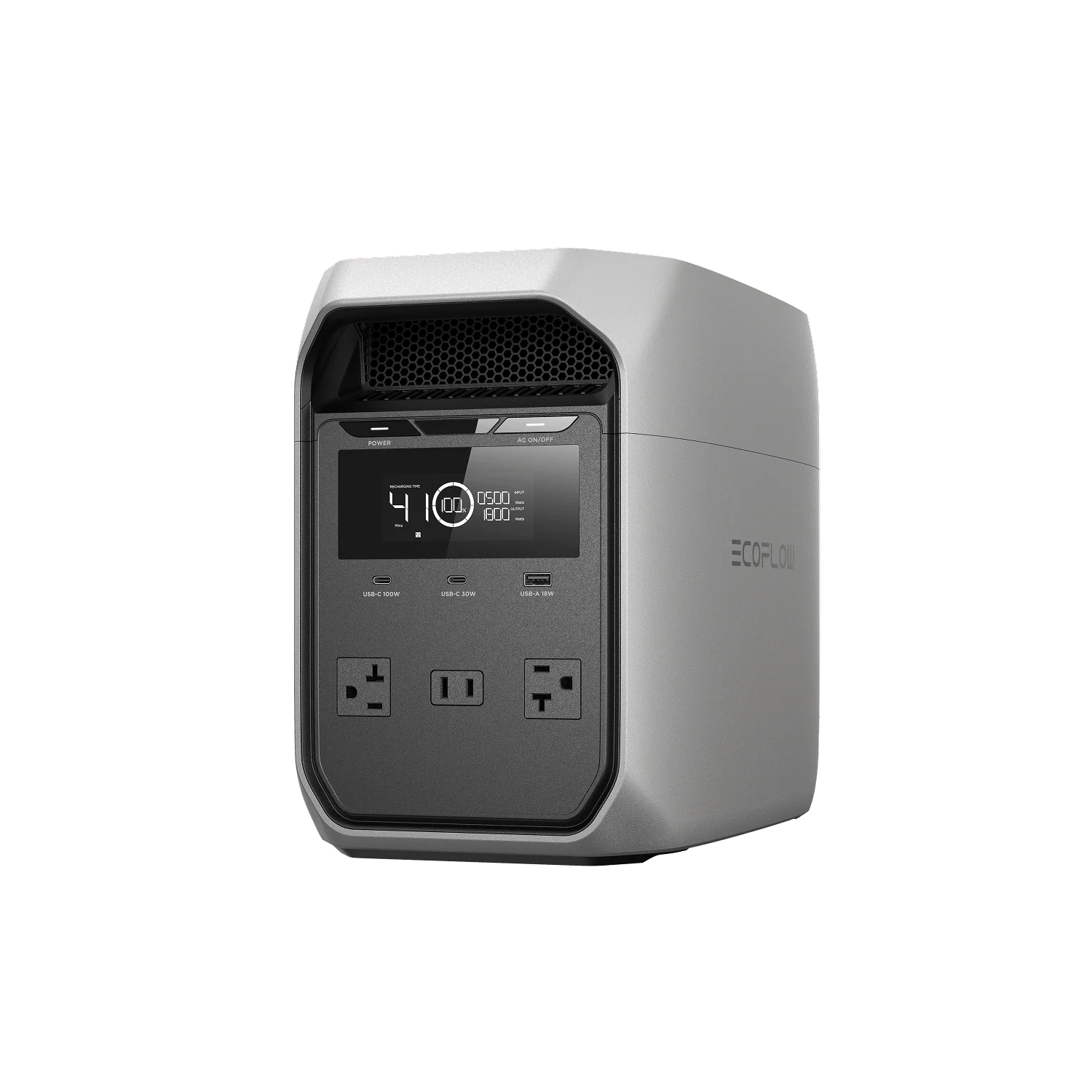
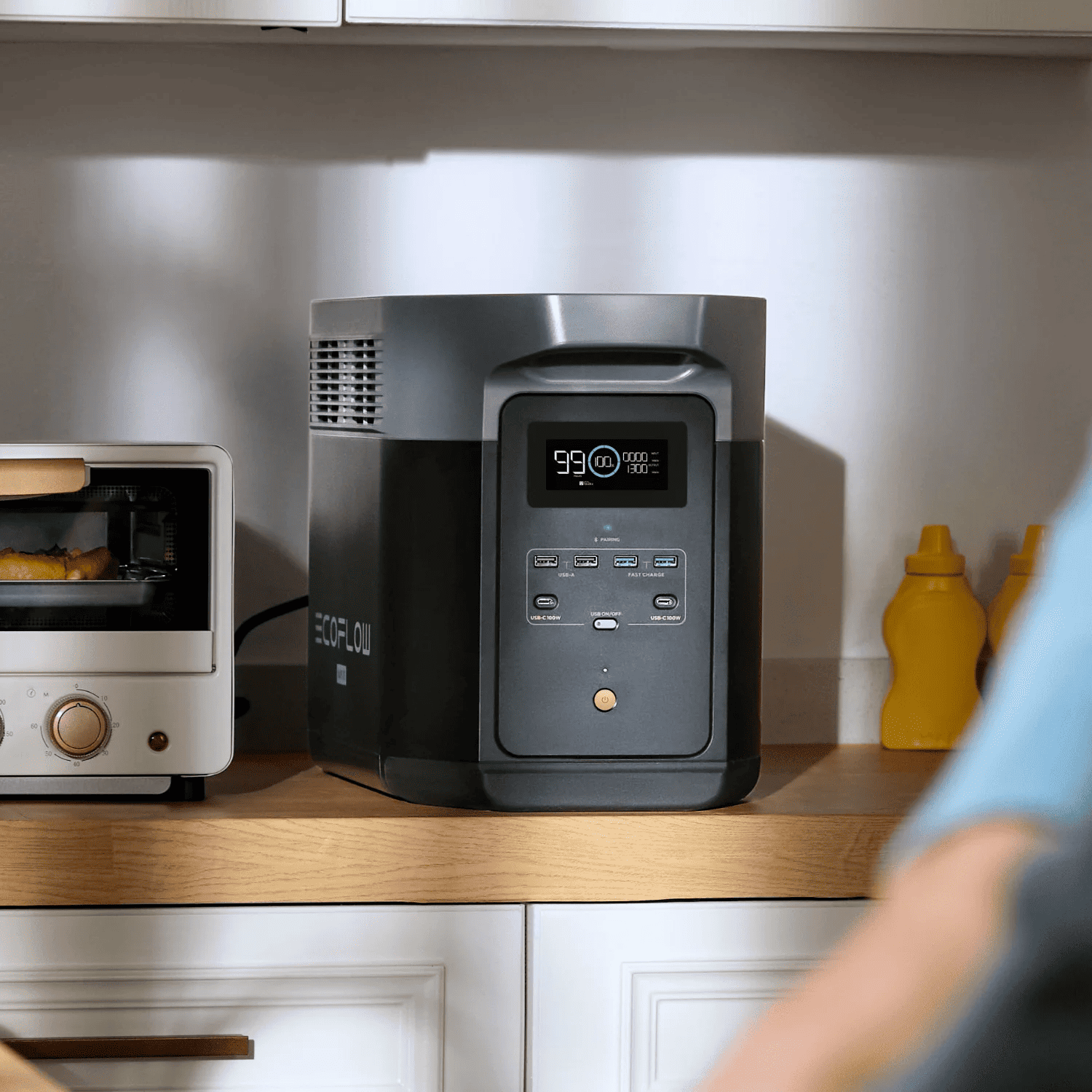
Alternatively, a portable power station, like the EcoFlow DELTA series, can run an electric kettle for a faster, more convenient option during outages.
A pot, kettle, or some heat-resistant container to boil the water in.
Grounds — If you’re using whole beans, be sure to get yourself a manual coffee grinder (one that doesn’t require electricity).
As for your brew tool, what you’ll need depends on what method you’ll be using; it could be a French press, a pour-over maker, or a simple pot.
5 Easy Ways to Make Coffee Without Electricity
French Press
Use any of your preferred methods — camping stove, stovetop kettle, gas stove, campfire — to boil water. Be sure to follow the proper safety precautions while doing so. The ideal temperature for boiled water when making coffee is 200°F (about 90°C).
Measure how much coffee you want to use in a separate container. Use a coffee-to-water ratio of 1:15. If you’re working with whole beans, grind them until coarse before measuring out how much you want to use.
Put the grounds in the French press. Pour the hot water over them.
Let the drink steep for approximately 4 minutes.
Press the plunger down slowly.
Pour your drink into a cup.
Instant Coffee
Use a camping stove, stovetop kettle, gas grill, or any preferred method to boil water.
Stir instant grounds into hot water. Follow the container’s instructions for how much water you need and how much coffee to put in.
Pour your beverage into a cup and enjoy.
Pour-Over
For this method, you’ll need a coffee filter and a pour-over cone.
Boil water
Grind the beans to a medium-fine consistency, if they aren’t already packaged that way. Measure out coffee in a separate container using a 1:15 coffee-to-water ratio.
Place the filter in a pour-over cone. Set the cone over a mug. Add the coffee grounds to the filter, and shake it gently to level the coffee.
Slowly pour a small amount of water over the grounds in a circular motion. Stir and excavate the grounds.
Rest for 30 seconds.
Continue to slowly pour the rest of the water. Gently swirl the coffee around as the water drips down into the mug.
Remove the pour-over once the water has finished dripping through the grounds.
Cold Brew
This method takes more time to make when compared to the other methods. However, since it requires no boiled water, it’s a useful technique when you don’t have easy access to a water heating source.
Use the coffee-to-water ratio 1:4 to create a strong concentrate. Be sure to use coarse grounds, because finer grounds extract very quickly.
Steep the mixture at room temp. for 12–24 hours.
Use a mesh filter to strain the mixture. This process should produce a syrupy concentrate.
Dilute with water, milk, or by adding equal parts water and milk.
Moka Pot
This brew tool creates an espresso-like cup of coffee. The bottom chamber holds water, the filter funnel holds the ground coffee, and the collector chamber fills with the freshly brewed coffee.
If you have no electricity, the Moka pot works best on the gas hobs of a gas stove. To use:
Unscrew the top of the Moka pot from the bottom, then pull the coffee basket out. You should be left with a cup. Add hot water to the bottom chamber, stopping at the safety valve.
Fill the basket completely with medium-fine ground coffee. Level the coffee at the top of the basket. Do not put any pressure on the grounds, to prevent from creating too much pressure while the drink is brewing.
Put all the parts of the Moka pot back together. Place the basket into the bottom piece, and screw the top of the pot to the bottom without over-tightening it.
Place the Moka pot on your heating source. Brewing with this pot should take 3–4 minutes.
When you hear a gurgling sound, this means that there is little to no water left in the bottom chamber. That sound indicates that the brewing process is almost complete. Take the Moka pot off the heat after hearing this sound.
Pour the coffee into a mug and enjoy.
How to Heat Water Safely When the Power Is Out
Boiled water serves many uses during a power outage, from making coffee to cooking food. There are several safe ways to heat water:
Safe Heat Sources
Heat Source | How to Use | Key Safety Notes |
Gas stove | Light manually with matches and boil water as usual | Ensure proper ventilation |
Camp stove | Set up on a flat surface, ignite per instructions, place pot on burner | Outdoor use only |
Campfire | Build fire in a safe area and place or suspend a pot over flames | Keep away from flammable materials |
Propane/charcoal grill | Place a pot over flame or coals and close lid to trap heat | Outdoor use only |
Using Backup Power for Kettles and Coffee Makers
During outages, portable power stations let you run electric kettles and coffee makers just like you would with grid power, giving you quick and reliable access to hot water.
Where EcoFlow Portable Power Stations Fit In
For compact, everyday backup, options like the EcoFlow DELTA 3 Classic provide enough power to run kettles and small coffee makers during short outages. Its portable design and quick setup make it ideal for keeping simple routines, like making coffee, running smoothly when the power goes out.
For longer runtimes or higher-demand setups, the EcoFlow DELTA 2 Max offers greater capacity, making it a better fit for extended use or powering multiple kitchen devices at once. It’s a practical option if you want more flexibility and don’t want to worry about recharging as often.
Frequently Asked Questions
Can You Make Coffee Without Heat During a Power Outage?
Yes. While most coffee methods require hot water, there are several ways to make it without electricity. Cold brew is the most common no-heat option, but you can also use alternative heat sources like camp stoves, gas stoves, or grills to boil water and brew using methods like a French press or pour-over.
How Much Coffee Do I Use per Cup Without a Coffee Maker?
Generally, you can use a 1:15 coffee-to-water ratio, or two tablespoons of coffee per 8 ounces of water.
Is It Safe to Use a Camping Stove Indoors to Boil Water for Coffee?
No. Only use camping stoves outdoors to ensure proper ventilation and reduced risk of carbon monoxide poisoning.
Can a Portable Power Station Run My Electric Kettle or Coffee Maker?
Yes, a portable power station can run your electric kettle or coffee maker.
Keep Your Coffee Routine Reliable Through Any Outage
Power outages don’t have to disrupt your daily routine. Whether you’re using a French press, pour-over, or instant coffee, there are plenty of reliable ways to brew without electricity.
For added convenience, portable power stations can keep essential appliances like kettles and coffee makers running, so you don’t have to rely solely on manual methods.
Explore the EcoFlow DELTA Series to find a portable power solution that keeps your coffee routine simple, even during outages.
For press requests or interview opportunities, reach out to our media team
media.na@ecoflow.com