Apple Picking Trips: A Family Road Trip Guide for Fall
- When Is Apple Picking Season in the U.S.?
- How Do You Choose the Right Apple Picking Orchard for Kids?
- What Should Families Do Before Apple Picking Starts?
- Which Apples Should You Pick for Snacks, Baking, and Storage?
- What Family Activities Make Apple Picking More Fun?
- How Can You Build an Apple Picking Packing List for a Fall Road Trip?
- How Do You Plan a Picnic During Apple Picking Season?
- How Do You Keep Apples Fresh on the Drive Home?
- Plan Your Apple Picking Road Trip With Less Stress
- FAQs
Apple picking turns a fall drive into a family day filled with fresh air, farm snacks, photos, and apples worth bringing home. It is one of the easiest fall road trip ideas for U.S. families because it can be short, affordable, and flexible. With the right orchard, timing, packing list, and food plan, the whole trip can feel simple from the first row to the ride home.
When Is Apple Picking Season in the U.S.?
Apple picking season changes by state, weather, elevation, and apple variety. In many U.S. regions, early apples may be available in late summer, while September and October are often the main months for family apple picking trips.
The safest answer to “when is apple picking season” is local. A farm in the Northeast may peak at a different time than one in the Midwest, South, or Pacific Northwest. A warm spring, heavy rain, late frost, or storm can also shift the harvest window.
Before setting a date, check the orchard’s latest crop update. Many farms post weekly notes showing which apple varieties are open for picking, which rows are closed, and whether reservations are required. If the trip is on a busy weekend, check the orchard’s website or social media the morning you leave because popular varieties can run out quickly.
How Do You Choose the Right Apple Picking Orchard for Kids?
The closest orchard is not always the best one for a family trip. A good orchard should match your children’s ages, your drive time, and the kind of day you want.
For younger kids, choose a farm with short walking routes, easy parking, restrooms, and clear signs. For older kids, extra activities such as hayrides, farm games, pumpkin patches, or cider stands can make the trip feel more like a fall road trip.
Before you go, compare these details:
Driving distance and parking setup
Restrooms and handwashing stations
Stroller or wagon access
Admission fees or bag minimums
Online reservation rules
Pet policy
Picnic policy
Food, cider, or bakery options
Current apple varieties
If the orchard allows wagons, bring one for apples, snacks, jackets, and tired kids. If it does not, pack lighter and choose a smaller picking bag.
What Should Families Do Before Apple Picking Starts?
A few simple steps can make apple picking easier once you reach the rows. Start by asking farm staff which apple varieties are ripe and where your family is allowed to pick. They can also tell you which apples are best for eating fresh, baking, or making sauce.
Teach kids how to pick before they start. A ripe apple often comes off with a gentle lift and twist. Hard pulling can damage branches or knock down nearby fruit.
Basic orchard rules are simple:
Pick only in marked rows
Do not climb trees
Do not shake branches
Do not throw apples
Do not enter restricted work areas
Ask before sampling fruit
Closed toe shoes are a smart choice because orchard ground can be uneven. Light layers also help because fall mornings may be cool while afternoons can feel warm. Add sunscreen, hats, wet wipes, and a small first aid kit for minor scrapes or sticky hands.
Which Apples Should You Pick for Snacks, Baking, and Storage?
Apple varieties can taste and cook very differently. Some are sweet and crisp, some are tart, and some hold their shape better in the oven. Ask the orchard team what is ripe that day, then use this table to choose with a purpose.
Use Case | Good Apple Types | Why They Work |
|---|---|---|
Fresh snacking | Gala, Fuji, Honeycrisp | Sweet, crisp, and easy for kids to enjoy |
Tart flavor | Granny Smith, Pink Lady | Bright flavor for people who prefer less sweetness |
Baking | Granny Smith, Rome, Braeburn, Jonagold | Often hold texture better in pies or crisps |
Applesauce | McIntosh, Cortland, Golden Delicious | Softer texture can cook down well |
The table is a starting point, not a fixed rule. Availability changes by region and week. A practical family plan is to pick one bag for snacking and a smaller bag for baking.
What Family Activities Make Apple Picking More Fun?
Apple picking gives kids a clear activity, but the day should still stay flexible. Pick for a while, take a snack break, try one farm activity, then decide whether your family has energy for more.
Good family activity ideas include:
Let each child choose one apple variety to taste
Take photos near orchard rows or farm signs
Buy cider donuts as a special fall snack
Visit a pumpkin patch if the farm has one
Make a simple scavenger hunt for red, green, and yellow apples
Pick a few apples for a neighbor or grandparent
Make apple crisp, muffins, or applesauce after getting home
Younger kids may enjoy the first hour most. Older kids may care more about photos, snacks, and side activities. Keep the schedule loose so the day feels like a fun fall outing instead of a long list of tasks.
How Can You Build an Apple Picking Packing List for a Fall Road Trip?
A good packing list should cover comfort, food, photos, power, and the ride home. You do not need to bring too much. Focus on items that solve common family road trip problems.
Pack for Kids, Weather, and Orchard Comfort
Bring water bottles, snacks, sunscreen, hats, wet wipes, hand sanitizer, a picnic blanket, and light jackets. A change of clothes helps if kids find mud, spill cider, or get sweaty during farm games.
If your orchard allows wagons, one wagon can carry apples, snacks, jackets, and small bags. For toddlers, a stroller may help, but check the orchard rules first because some rows may not be stroller-friendly.
Pack for Food, Photos, and Portable Power
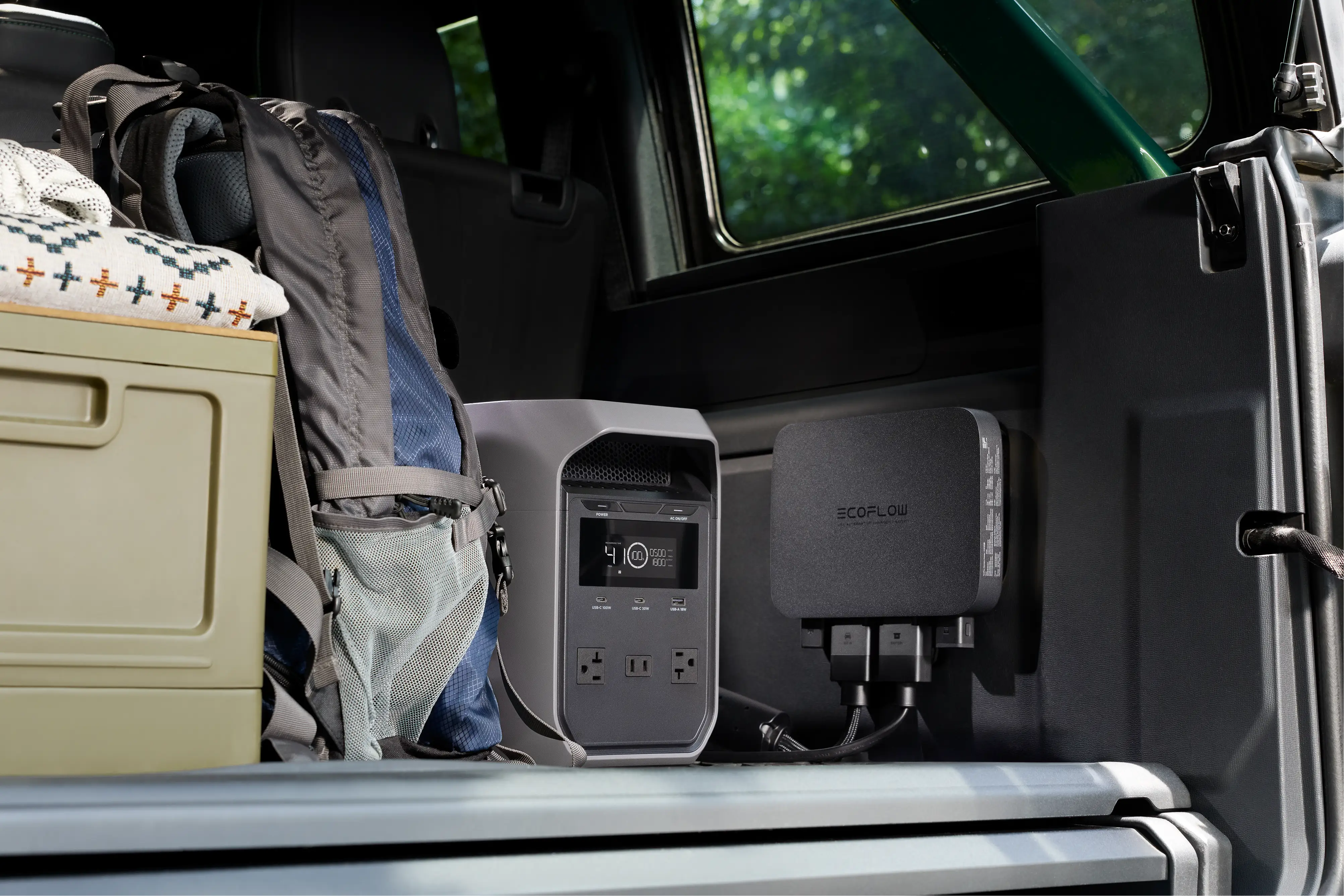
Apple picking trips often involve phones, maps, photos, videos, a small fan, lights, and chilled food. A portable power station, meaning a rechargeable battery unit with outlets and charging ports, can support compatible devices when your family spends most of the day away from wall outlets.
For a full day at the orchard, the EcoFlow DELTA 3 Classic Portable Power Station can be a useful part of the family road trip packing list. Wh, or watt-hour, shows how much energy a power station can store. With a 1024Wh capacity and 1800W AC output, this model can help power compatible road trip gear such as a car fridge, phones, camera batteries, a small fan, or lights.
It also uses LFP, or lithium iron phosphate, battery chemistry, which is commonly valued for long cycle life and stable performance. That makes it a practical option for families who want more than a small power bank during a full outdoor day. Actual use time depends on the devices connected, their power draw, outdoor conditions, and how the power station is used during the trip.
How Do You Plan a Picnic During Apple Picking Season?
A picnic can turn apple picking into a fuller fall road trip, but food needs basic care. Pack simple items that travel well and do not require much setup. Sandwiches, wraps, crackers, fruit, trail mix, sealed drinks, and shelf-stable snacks are easy choices.
Perishable foods are foods that can spoil more quickly without proper temperature control, such as meat, dairy, eggs, and prepared dishes. Keep these foods cold before and during the trip. A cooler or car fridge can help protect lunch while your family is in the orchard.
Serve the picnic, eat, and return leftovers to cold storage quickly. If you use a powered car fridge, a portable power station can help keep it running while the vehicle is parked, as long as both the fridge and power station are used within their rated limits.
Bring a small trash bag and leave the picnic area clean. Many orchards are family businesses, and careful visitors help keep these seasonal spaces welcoming.
How Do You Keep Apples Fresh on the Drive Home?
Apples are sturdy, but they can still bruise, soften, or lose freshness in heat. After picking, place bags or boxes in a shaded part of the car. Avoid stacking heavy bags on top of each other, especially if the apples are large.
Do not leave apples in a hot trunk for hours after the farm visit. If you plan to stop for lunch or visit another fall attraction, keep the apples out of direct sun and move them home as soon as practical.
Once home, sort the apples before storing them. Use bruised but not moldy apples first for sauce, baking, or smoothies. Store undamaged apples in the refrigerator crisper drawer if you want them to last longer. Apples usually keep better in cool, humid conditions than on a warm counter.
For easier use later, divide apples by purpose. Keep snack apples easy to reach and set baking apples aside for pies, crisps, muffins, or cooked desserts.
Plan Your Apple Picking Road Trip With Less Stress
A good apple picking trip starts with the right orchard, current apple picking season updates, a simple packing list, and a plan for keeping food and apples protected on the ride home. Keep the day flexible, let kids enjoy the orchard at their own pace, and turn a simple fall drive into a family tradition. Choose a nearby orchard, check this week’s picking update, and start planning a fall road trip your family will actually enjoy.
FAQs
Q1. Is Apple Picking Better in the Morning or Afternoon?
Morning is usually better for families who want cooler weather, easier parking, and lighter crowds. Afternoon can still work if your kids nap first or the orchard has late hours. Check farm updates because popular rows may be picked over by later visitors. Morning trips also leave more time for lunch, photos, and sorting apples once you get home.
Q2. Can Apple Picking Work as a Budget Fall Road Trip?
Yes, apple picking can be budget-friendly if you compare prices before choosing a farm. Look for orchards that charge by bag instead of by many separate activities. Bringing lunch, snacks, and drinks also helps control the total cost. Setting a picking limit before you start can also prevent buying more apples than your family can use.
Q3. Should Families Wash Apples in the Orchard?
No, it is usually better to wash apples right before eating them. Extra moisture during storage can make fruit soften faster. If kids want to eat one at the orchard, use clean water if available and follow the farm’s food safety rules. Once home, dry-wash apples well before serving or storing them.
Q4. How Far Should Families Drive for Apple Picking?
For younger kids, one to two hours each way is usually enough. Longer drives can work if the orchard is part of a bigger fall route with planned breaks. Keep the return drive simple because kids may be tired after walking outdoors. Families with toddlers may want to choose an orchard closer to home for the first trip.
Disclaimer: This article is for informational purposes only and does not constitute professional agricultural, food safety, travel, or product-use advice. Apple picking season, orchard availability, food storage needs, and road trip conditions can vary by region, weather, orchard policy, and the devices used during travel. Always check the orchard’s latest updates before visiting, follow on-site farm rules, and handle perishable foods according to official food safety guidance. For official and authoritative information, please refer to the USDA Seasonal Produce Guide, FDA Outdoor Food Safety Guidance, Iowa State University Extension Apple Storage Guidance, and Washington State University Apple Harvest Guidance.
For press requests or interview opportunities, reach out to our media team
media.na@ecoflow.com