Agrivoltaics: Farming Under Solar Panels
Agrivoltaics addresses two growing pressures at once: the demand for renewable energy and the pressure placed on agricultural land. It allows farmers to use the same land for both energy and crop production, rather than dedicating it to just one purpose.
Learn how the system works, what grows best under panels, and the trade-offs of this growing method.
What Is Agrivoltaics?
Agrivoltaics is a term coined from “agriculture” and “photovoltaics.”
It refers to solar panels installed above or alongside crops, where energy and food production share the same land footprint.
It's not the same as a solar farm, where land is removed from food production entirely. Instead, agrivoltaics keeps both uses active simultaneously.
While this practice originated in the 1980s, it's now gaining commercial traction around the world.
How Does Farming Under Solar Panels Work?
When farming underneath solar panels, the panels are mounted on raised structures that leave the ground-level space accessible for planting, animal grazing, or beekeeping. The panel height and spacing are customized to the equipment needed to access the area in the crop type.
A solar canopy is a popular design for agrivoltaics that uses elevated arrays, like a roof over the crops, which allows the farm machinery to pass beneath it.
The shade reduces soil moisture loss, lowering the demand for irrigation. Plus, the electricity generated can be used to power the on-site farm operations, such as irrigation pumps, refrigeration, or lighting.
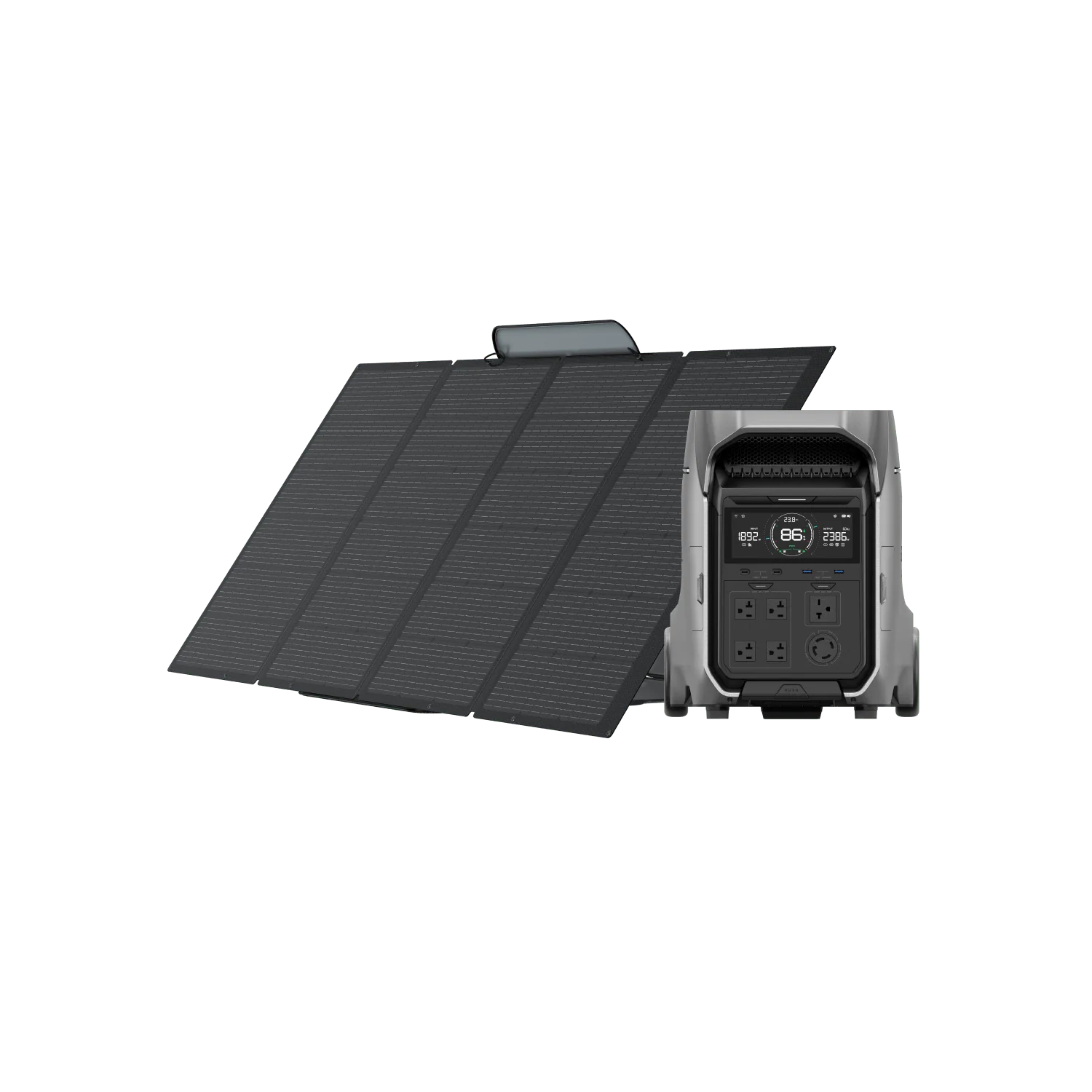
Portable systems like the EcoFlow DELTA Pro 3 + 400W Solar Panel can support remote or small-scale agricultural setups where grid access is limited, such as powering tools or refrigeration.
Why Is Agrivoltaics Gaining Popularity in 2026?
In 2026, the premium for available land is at an all-time high. Solar and agriculture are both increasingly competing for the same acreage.
Agrivoltaics is a solution that allows them both to share the same land.
Additionally, rising energy costs are making more farmers and homesteaders look to on-farm power generation options, which are more financially viable and provide energy independence.
Another benefit of agrivoltaics is the shade that they provide, especially in drought-prone regions that quickly lose soil moisture.
More state and federal incentives are becoming available for solar projects in the U.S. There’s also a growing body of research showing the viability and improved yields of agrivoltaic crops.
It's becoming a more attractive option for both the agriculture and energy sectors because it serves multiple purposes.
What Crops and Systems Work Best?
The crops that flourish most in agrivoltaic land are shade-tolerant crops like:
Leafy greens
Spinach
Lettuce
Kale
Herbs
Berries
Root vegetables and some grains also show adaptability under partial shade.
There are also applications outside of growing crops themselves — livestock grazing and pollinator habitats are well-suited for agrivoltaic setups.
Because agrivoltaics are not one-size-fits-all, they can be adjusted to match specific use-case needs for best results.
While traditional solar setups often use ground-mounted or rooftop systems, agrivoltaics typically relies on elevated or spaced arrays that allow light and access beneath the panels for sun-dependent plants.
However, location also matters. Agrivoltaics see the strongest yields in arid and semi-arid climates due to the reduced heat stress from additional shading.
What Are the Benefits and Challenges of Agrivoltaics?
There are real trade-offs to agrivoltaics worth understanding before you commit to a system.
The challenges are mostly front-loaded in cost and planning. All the benefits will vary based on crop type, farm scale, and climate.
Learn where it performs well and where it struggles so you can set realistic expectations before installation.
Benefits
Potential for dual revenue via crop sales and energy production (or savings) within the same area of land.
Uses shade to lower evaporation rates, plant stress, and reduce water use.
Supports pollinator health when the ground cover includes flowering plants.
Excess solar energy can feed into your home's energy storage. Excess solar energy can be stored in a home battery system to support backup power and reduce reliance on the grid.
Panel efficiency can improve in the cooler microclimates that vegetation creates below.
Contributes to farm resilience against grid outages and rising energy costs.
Challenges
High upfront cost for raised panel system infrastructure.
Complex installation requires coordination between solar and agricultural planning.
Not all crops or climates will benefit equally.
Shade can reduce the yields of sun-dependent crops.
Requires careful planning for farm maintenance access.
Zoning and permitting can be complicated depending on your jurisdiction.
Frequently Asked Questions
What Is the Purpose of Agrivoltaics?
Agrivoltaics is a system that uses a single parcel of land for food and electricity generation simultaneously. It reduces competition between solar development and farmland, and improves conditions for certain crops, while generating clean, renewable energy.
Does Solar Affect Crop Growth?
Whether solar panels impact crop growth depends on the crop itself. Shade-tolerant plants will benefit from the reduced heat and moisture loss, but sun-dependent crops may experience reduced yields if the shading is too excessive. System design and panel placement can help balance the light levels with energy input.
Is Agrivoltaics Cost-Effective?
The upfront costs of agrivoltaics are much higher than standard ground mount or roof mount solar because they require elevated structures. However, the long-term economics will improve if the system provides dual revenue streams and reduces your input costs, like water and cooling. Government incentive programs can also help improve the financial case for agrivoltaics over time.
Agrivoltaics Combines Energy Production and Agriculture for Better Land Use
Agrivoltaics is an appealing and practical approach to producing both food and energy on the same land, rather than having to choose between the two. It's currently most viable for shade-tolerant crops in regions with strong sun and water scarcity.
But as technology and research mature, we're learning more about different farm types that could be viable candidates.
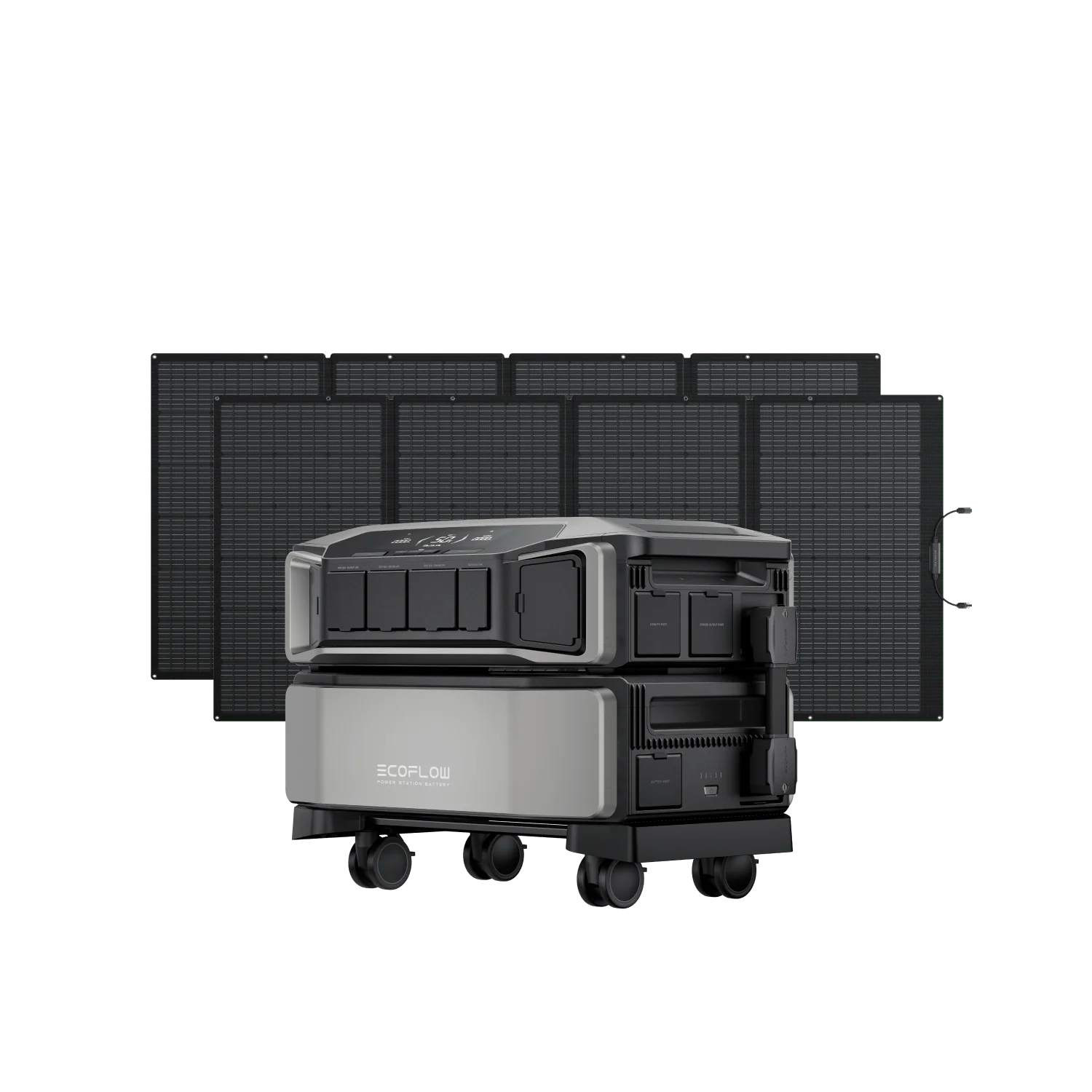
If your farming operation or homestead is ready to take the next step, pair an agrivoltaic system, with a home energy storage solution like the EcoFlow DELTA Pro Ultra + 400W Solar Panels to store and use the energy you generate.
For press requests or interview opportunities, reach out to our media team
media.na@ecoflow.com