Lighting for Growing Plants: Complete Guide for Beginners
- Why is lighting important for plant growth
- Natural vs artificial lighting for plants
- Types of grow lights for plants
- Understanding the light spectrum for plants
- How to choose the right lighting for plants
- How to set up grow lights for indoor plants at home
- Power solutions for indoor growing setups
- Common mistakes when using grow lights for plants
- Tips for better plant growth with lighting
- Conclusion
- FAQs
Getting the right lighting for growing plants indoors can make all the difference, especially for beginners. Natural sunlight isn't always enough, which is why understanding different lighting options—and reliable power solutions such as solar batteries for backup or off-grid setups—becomes important. This guide will walk you through the basics of lighting for growing plants, simple setup tips, and safe practices to help your plants grow healthy and strong from day one.
Why is lighting important for plant growth
Lighting is essential for plant growth because lighting for growing plants powers photosynthesis, the process that allows plants to convert light into energy. Without adequate light, plants cannot produce enough food, leading to weak, slow, or stunted growth. Proper lighting also supports healthy leaf development, strong stems, and better flowering or fruit production. In indoor environments, the right lighting ensures plants stay healthy and grow consistently throughout the year.
Natural vs artificial lighting for plants
Natural light is the most effective source for plant growth because it provides a full spectrum that supports healthy photosynthesis and overall development. However, many indoor spaces do not receive enough consistent sunlight, which can limit growth and affect plant health.
In such cases, artificial solutions like grow lights for indoor plants help maintain stable light levels and support continuous growth. They are especially useful for indoor gardening, ensuring plants get the right intensity and duration of light, even without natural sunlight.
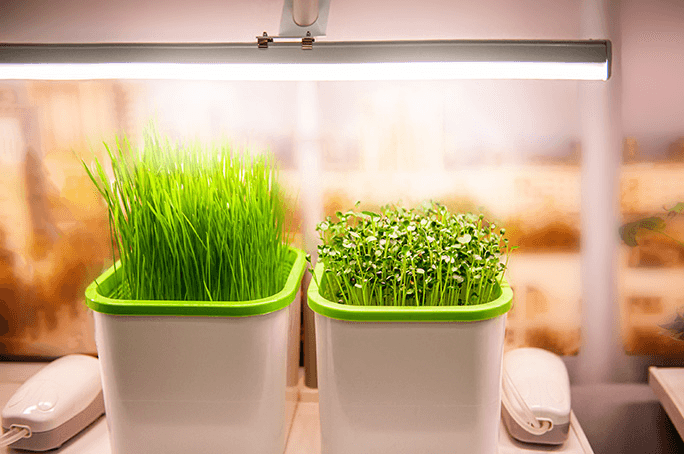
Types of grow lights for plants
There are several types of grow lights for plants designed to support healthy indoor growth. Each type offers different levels of brightness, energy efficiency, and coverage. Understanding these options helps you choose the right lighting setup for your plants' specific needs.
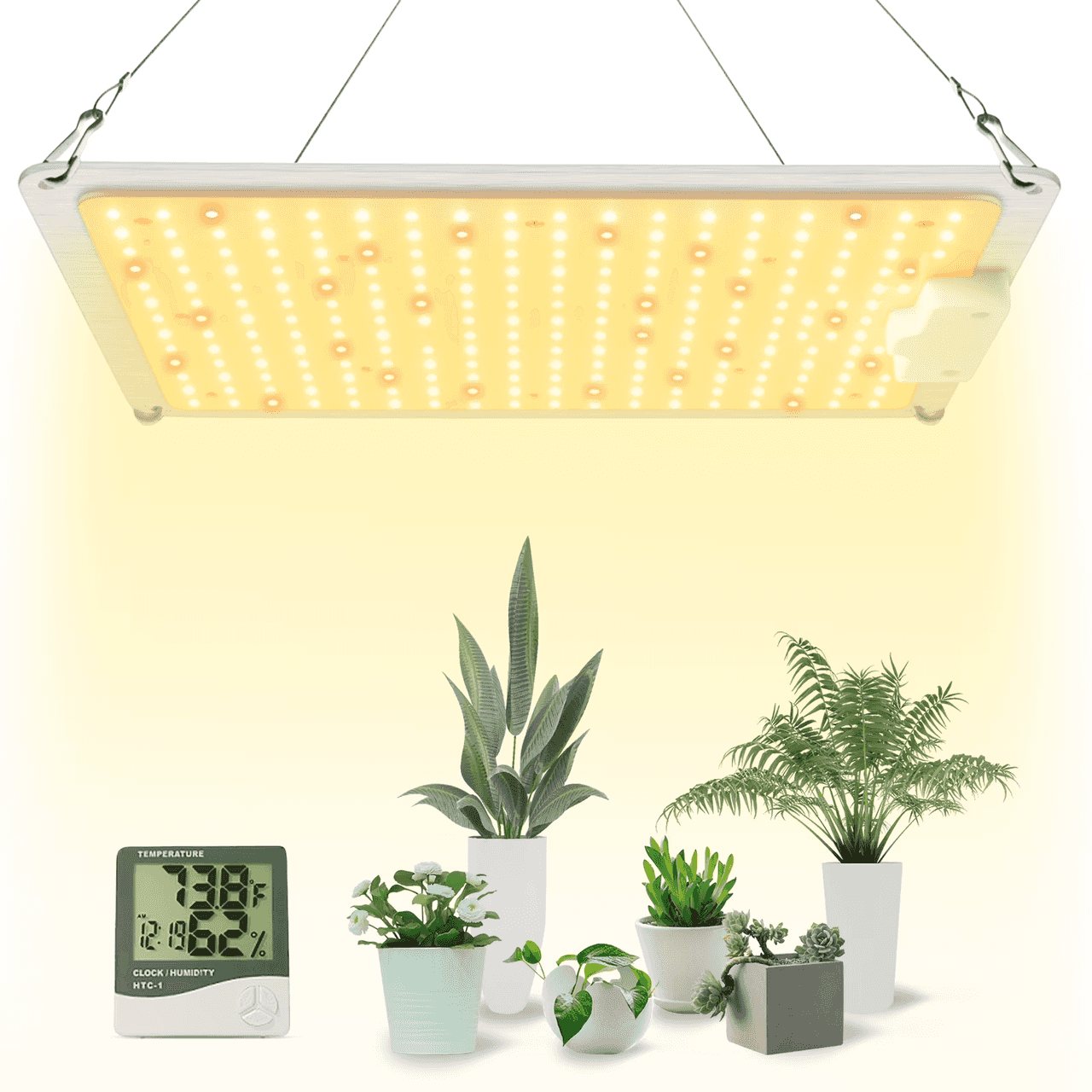
1. LED grow lights
LED grow lights are one of the most popular options due to their energy efficiency and long lifespan. They produce low heat, making them safe for close use with plants. These lights can also be adjusted for different growth stages, from seedlings to flowering. They are ideal for modern indoor gardening setups.
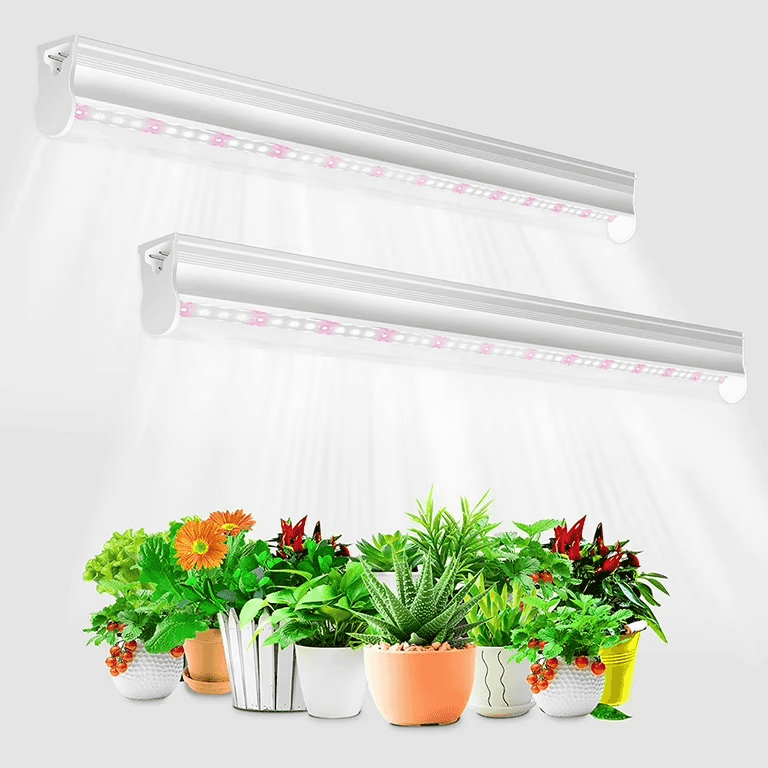
2. Fluorescent lights
Fluorescent lights are a budget-friendly option commonly used for small indoor plant setups. They provide soft, even lighting that works well for seedlings and low-light plants. However, they are less powerful compared to LEDs and may not support larger or flowering plants effectively.
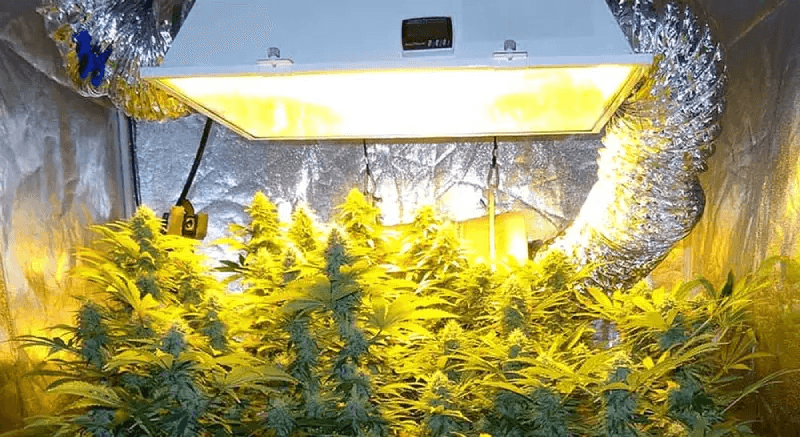
3. HID lights (high-intensity discharge)
HID lights are powerful grow lights for plants used for large-scale or high-demand plant growth. They produce strong light output, making them suitable for flowering and fruiting stages. However, they generate more heat and consume more energy, so proper ventilation is necessary when using them indoors.
Understanding the light spectrum for plants
Understanding the light spectrum is important when choosing indoor lighting solutions, as different wavelengths directly affect plant growth. Each type of light plays a specific role in supporting healthy development. Knowing how light works helps you choose the right setup for better results.
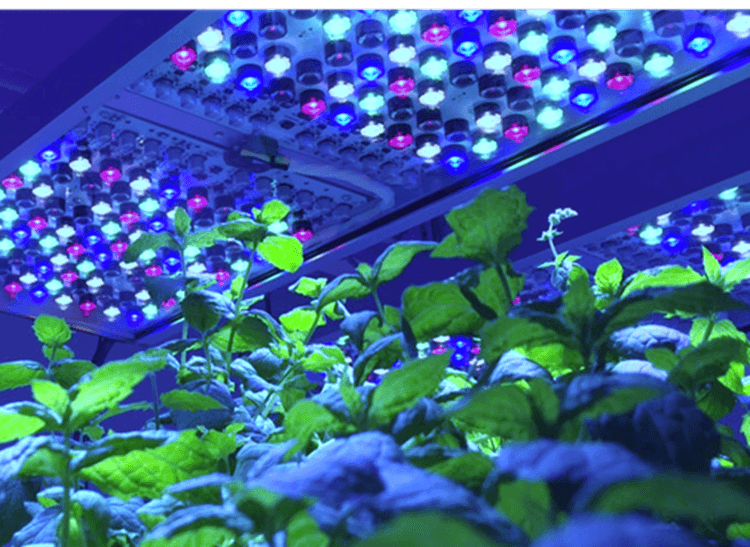
1. Blue light for vegetative growth
Blue light supports strong vegetative growth by encouraging healthy leaves and compact stems. It is most useful during early plant development when structure and strength are forming. This makes it an important part of lighting for growing plant setups.
2. Red light for flowering
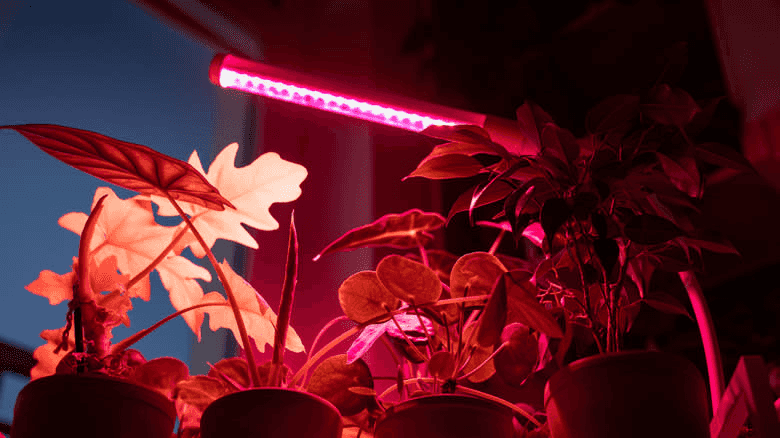
Red light is essential for the flowering and fruiting stages, as it promotes blooming and higher yield. It helps plants focus energy on reproduction and overall productivity. Using it correctly improves results and is considered the best house plant for low light in indoor gardening systems.
3. Full-spectrum lighting
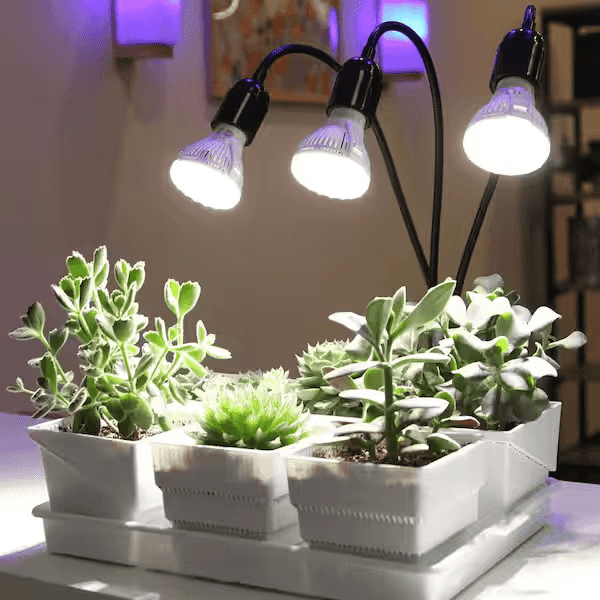
Full-spectrum lighting combines all essential wavelengths, similar to natural sunlight. It supports plants through every stage of growth, from seedlings to flowering. This makes it one of the most effective choices for growing lights for plants.
How to choose the right lighting for plants
Choosing the right setup for lighting for plants depends on several important factors that affect growth and overall plant health. Each plant has different needs, so understanding your space and lighting options helps you make a better decision. The right choice ensures balanced growth and long-term success.
1. Type of plants being grown
Different plants require different light levels to grow properly. Low-light plants like ferns need less intensity, while flowering plants require stronger lighting. Matching light type to plant needs ensures healthy development.
2. Space and setup size
The size of your growing area affects the type and number of lights needed. Small spaces may only need a single light source, while larger setups require multiple fixtures. Proper placement ensures even light distribution.
3. Light intensity and coverage
Light intensity determines how well plants can perform photosynthesis. Too little light leads to weak growth, while too much can cause damage. Choosing the right coverage helps maintain balanced and healthy growth.
4. Energy efficiency
Energy-efficient options like growing lights for indoor plants help reduce electricity costs while providing consistent performance. LED systems are especially popular because they last longer and use less power. This makes them ideal for long-term indoor gardening.
How to set up grow lights for indoor plants at home
Setting up grow lights for indoor plants correctly is essential for healthy and consistent plant growth. A proper setup ensures that plants receive enough light without stress or damage. With the right placement and timing, you can easily create an effective indoor growing environment.
1. Positioning lights correctly
Correct positioning ensures that all plants receive even light coverage. Lights should be placed directly above or slightly angled toward the plants for balanced exposure. This prevents uneven growth and shading issues.
2. Adjusting height and distance
The height and distance of lights depend on the plant type and light strength. Keeping lights too close can burn leaves, while placing them too far reduces effectiveness. Adjusting the distance ensures optimal light absorption.
3. Setting light schedules
A consistent light schedule helps maintain healthy growth cycles. Most indoor plants need 12–16 hours of light, depending on their type. Using timers can make it easier to maintain a regular and stress-free routine.
Power solutions for indoor growing setups
Reliable energy support is essential for indoor growing setups because consistent lighting and environmental control directly impact plant health and growth results. Since indoor gardens depend on systems like grow lights for plants, ventilation, and timers, uninterrupted power becomes a key requirement. Many growers turn to dependable power solutions from trusted brands like EcoFlow to maintain stable performance and reduce the risk of unexpected outages. A stable power solution ensures smooth operation without fluctuations or downtime, supporting healthy plant development. Below are two powerful solutions designed for efficient indoor growing environments.
STREAM Ultra X – Smart solar-powered energy system for indoor growing setups
The STREAM Ultra X is a dependable smart energy solution built to support indoor growing setups with stable and efficient power. It stores surplus solar energy during the day and uses it at night, reducing dependence on grid electricity. With up to 1200W AC output, it can reliably run grow lights for indoor plants, ventilation systems, timers, and other essential gardening equipment without interruption.
Designed for high efficiency, it supports up to 2000W solar input and includes four MPPT trackers along with advanced low-light cell technology. This allows it to generate power even in cloudy or low-light conditions, ensuring consistent energy flow for indoor plant lighting systems. When paired with a 450W rigid solar panel, it improves daily energy harvesting, making plant care more stable and efficient throughout the day.
For expanding indoor setups, the STREAM Ultra X offers flexible scalability from 3.84kWh to 23kWh. This makes it suitable for both small home plant setups and larger indoor gardens with multiple lighting zones and equipment. It also integrates with smart home ecosystems through Tiber, Matter, and Shelly protocols, allowing seamless control with smart plugs, lighting systems, and automation tools commonly used in indoor growing environments.
Built for long-term reliability, it offers a 15-year lifespan with consistent performance, strong safety features, and low maintenance needs. This makes it a future-ready option for users who need a stable, efficient, and scalable power solution for indoor plant growth.
DELTA 3 Max Plus – High-performance backup power for indoor growing setups
The EcoFlow DELTA 3 Max Plus is a high-performance 2kWh backup power system designed to keep indoor growing setups running smoothly without interruption. It delivers a powerful 3000W AC output with a 6000W surge capacity, making it capable of supporting multiple high-demand devices such as grow lights for indoor plants, fans, irrigation systems, and monitoring equipment at the same time. This ensures stable performance even during power cuts or voltage fluctuations.
Built with advanced full-tab LFP battery cells and a smart BMS (Battery Management System), it provides continuous protection against overheating, overcharging, and unstable energy flow. This is especially important for indoor plant environments where consistent lighting and climate control are critical. Its <10ms UPS auto-switch feature ensures an almost instant transition during outages, allowing essential systems to keep running without disruption.
The Smart Output Priority feature allows users to decide which devices stay powered first during outages, ensuring critical systems like plant lighting, ventilation, or irrigation remain active. Through the EcoFlow Oasis smart app, users can monitor power usage, adjust settings, and manage energy distribution directly from their smartphone, creating a more controlled and efficient indoor growing setup.
With an expandable capacity from 2kWh to 10kWh, the DELTA 3 Max Plus adapts easily to different indoor gardening needs, from small home plant setups to large-scale indoor growing rooms. This flexibility makes it a reliable long-term solution for users who need consistent, stable, and scalable power for healthy plant growth.
Common mistakes when using grow lights for plants
Here are some common mistakes people make when using grow lights for plants indoors. These errors can affect plant health, slow growth, or even damage leaves if not managed properly. Understanding them helps you create a more balanced and effective lighting setup.
1. Placing lights too close or too far
One of the most common mistakes is incorrect light distance. If grow lights for plants are placed too close, they can burn or dry out leaves due to excess heat and intensity. If placed too far, plants may not receive enough light, leading to weak and leggy growth. Finding the right distance ensures healthy and balanced development.
2. Using an incorrect light spectrum
Using the wrong light spectrum can also limit plant growth. Different stages of plants need different light types, and lighting for growing plants must match these needs. For example, blue light supports leaf growth, while red light supports flowering. Using a mismatched spectrum can slow development and reduce overall plant performance.
3. Overexposing plants to light
Giving plants too much light can be just as harmful as too little. Continuous or excessive exposure can stress plants, causing leaf curling, discoloration, or poor growth cycles. A proper schedule with controlled exposure helps grow lights for plants to work effectively and keeps plants healthy over time.
Tips for better plant growth with lighting
Here are some practical tips to improve results when using lighting for growing plants indoors. These simple adjustments can help your plants grow healthier, stronger, and more consistently over time.
Match light type to plant needs
Different plants require different types and intensities of light for proper growth. Low-light plants need softer lighting, while flowering plants perform better under stronger light sources. Choosing the right grow lights for indoor plants based on plant type ensures balanced development and prevents growth issues.
Maintain consistent schedules
Plants rely on regular light cycles to grow properly, just like they would in natural conditions. Maintaining a consistent schedule of 12–16 hours of light daily helps support steady growth and healthy development. Using timers can make managing lighting routines easier and more reliable.
Monitor plant response and adjust
Observing how your plants react to lighting is key to improving results. Signs like yellowing leaves, slow growth, or stretching indicate adjustments are needed. Tweaking light intensity, distance, or duration ensures your setup stays effective and supports long-term plant health.
Conclusion
Getting the right lighting for growing plants is key to healthy and consistent indoor growth. By choosing suitable light types, maintaining proper setup, and avoiding common mistakes, you can create an ideal environment for your plants to thrive.
For even better results, using a reliable power solution like EcoFlow helps keep your grow lights and systems running without interruptions. This ensures stable performance and supports healthy plant growth over time.
FAQs
What kind of light is best for growing plants?
Full-spectrum light is considered the best option because it mimics natural sunlight and supports all growth stages. It helps with both vegetative growth and flowering. LED grow lights are especially popular due to their efficiency and balanced spectrum. They are ideal for most indoor plant setups.
Can any LED light be used as a grow light?
Not all LED lights are suitable for plant growth. Regular LEDs may provide brightness but lack the correct spectrum needed for photosynthesis. Specially designed grow LEDs offer the right wavelengths for healthy development. Using proper grow lights for plants ensures better results.
Is 12 hours of light enough for seedlings?
Most seedlings need around 12–16 hours of light daily for healthy growth. While 12 hours can work, slightly longer exposure often produces stronger and more compact plants. Consistency is more important than intensity alone. Using proper lighting for growing plants helps maintain steady development.
What are the 4 types of lighting?
The four main types include LED lights, fluorescent lights, HID (high-intensity discharge) lights, and natural sunlight. Each type has different intensity levels and use cases. LEDs are the most energy-efficient, while HID lights are more powerful for large setups. Choosing the right one depends on your indoor growing needs.