The New "Zero Emission" Sales Mandate: What the 20% Target Means for Buyers in 2026
Canada is committed to zero-emission vehicles. Currently, the country ranks in the second tier of global electric vehicle adopters, placing it ahead of the United States but lagging behind leading European countries and China. That's why the government established the Zero Emission Vehicle Sales mandate.
The government has committed to achieving 100% of all vehicle sales being zero-emission vehicles by 2035. That includes interim targets of at least 20% by 2026 and 60% by 2030.
What does this mean for you if you're looking to buy a car this year? Let's take a look at how this government push to meet goals on climate action might affect your purchasing decisions.
What Is Canada's 20% Zero Emission Vehicle Sales Mandate?
The government's goal is to help decarbonize the transportation sector by encouraging the adoption of zero-emission vehicles. Beginning in 2026, the government will be pushing to ensure that at least 20% of all new light-duty vehicles sold are zero-emission vehicles, or ZEVs.
This doesn't mean the government is going to tell you what you can and can't buy. It does, however, mean they will invest in ways to make ZEVs more affordable and charging stations more accessible.
The ultimate goal is to have all new cars sold generate zero emissions by 2035. This is a key component of moving to a more sustainable economy, reducing pollution, and making it possible to mitigate the effects of climate change.
Generally, when people talk about zero-emission vehicles, they mean electric vehicles. However, a ZEV can be an electric vehicle, a plug-in hybrid, or a fuel-cell vehicle, but note that it does not include first-generation hybrids. Transport Canada publishes a list of vehicles that qualify as ZEVs. However, this list changes often as manufacturers introduce new models to capitalize on the growing popularity of ZEVs.
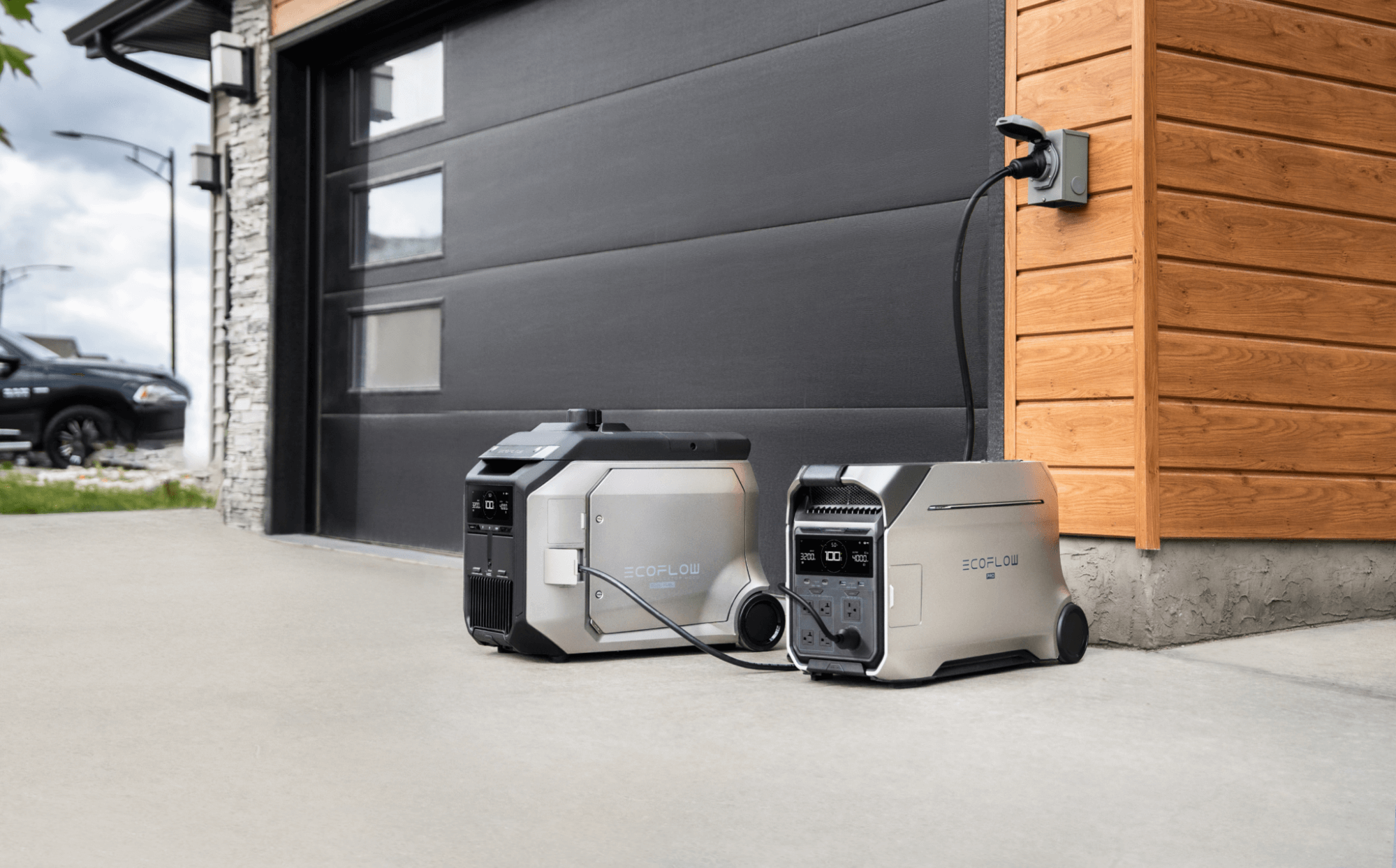
If you’re looking to adopt a more eco-friendly lifestyle, consider investing in a power source like the EcoFlow DELTA Pro 3, which can provide backup power and EV charging without relying on fossil fuels.
How the 2026 Target Might Affect Vehicle Availability and Pricing
What does all this mean for you if you're buying a car in 2026? Well, the ZEV mandate is expected to have a number of effects on the market for new cars:
Shifts in Dealership Inventory
To comply with the government mandate, dealers will be stocking more ZEVs and fewer internal combustion engine (ICE) vehicles. This is part of a trend that has been growing over the past few decades anyway, as electric cars become more capable and more popular.
In the short term, this may affect availability. Demand for the popular ZEV models is likely to be greater than the supply, especially in urban centres where charging infrastructure is more developed, making electric cars more practical. For you, as a buyer, that could mean longer wait times for certain vehicles, specific trim options, or limited colour and feature availability.
Pricing for ZEVs is hard to predict, and high demand could push prices higher. At the same time, increased production and competition also puts downward pressure on prices. The federal government no longer offers purchase incentives for ZEVs, but it’s not out of the question that purchase incentives might be reintroduced to meet the mandates.
As the new rules take effect, 2026 is likely to be a transitional time in the new car market. Planning ahead, staying flexible with vehicle options, and understanding your local market conditions can help you navigate upcoming shifts in new car availability and pricing.
Preparing for a More Electrified Transportation System
The Canadian government's ultimate goal is to have all vehicles be ZEVs, but that doesn't mean gas-powered cars will be outlawed. It does, however, mean they will use several methods, including incentives, legislation, and infrastructure investment, to make ZEVs more practical, more affordable, and therefore more popular.
Reducing emissions is something we can all get behind. At the same time, such a big shift in the way transportation is handled is likely to have major effects on our economy and lifestyle. After all, Canada is a country of vast distances, and cars are a big part of our lifestyle.
Switching to a more electrified transportation system means greater pressure on the existing electrical grid. That requires substantial government investment in new power stations and electrical transmission equipment. An ever-growing demand for electricity puts more pressure on the grid, which can lead to outages and potentially higher electricity prices.
A good way to mitigate this is to consider flexible energy solutions. For example, portable power stations like the EcoFlow DELTA Pro 3 can provide backup power for your devices or an electric car in the event of an outage. The EcoFlow DELTA Pro Series also offers whole-home backup power so that you can stay connected even when the grid goes down.
Vehicle electrification is just one part of broader home energy planning. An electric car will increase your household's demand for power, but it also creates a fantastic opportunity for true off-grid living.

Frequently Asked Questions
Does the 20% ZEV Mandate Mean Gas Cars Will Be Banned in 2026?
No. The mandate only applies to new car sales. In 2026, the target is to have 20% of all new vehicles sold be ZEVs. You can still buy a gas vehicle if you prefer.
Will EV Prices Go up or Down Because of the Mandate?
Canada's 20% ZEV mandate may increase demand for electric vehicles in the short term, potentially leading to higher prices. However, manufacturers are also investing heavily in electric vehicles, and competition and technological advancements are putting downward pressure on prices, too.
How Will This Affect Rural or Remote Canadian Drivers?
Currently, ZEVs are more popular in cities with better-developed charging infrastructure, where range is less of a concern. However, electric cars continue to improve technologically, increasing their range. Also, the government mandate is accompanied by increased spending and developing charging infrastructure to build out the network in more remote areas.
Do Buyers Need To Install Home Charging Before Buying an EV?
No. You can charge electric cars at public charging stations, just like you would at a gas station with a traditional car. However, the possibility of home charging makes ZEVs tempting for those looking to reduce their transportation costs, and it also makes home power systems even more attractive.
Navigating Canada’s Zero Emissions Vehicle Policy
Canada's ZEV mandate is an ambitious attempt to reduce pollution and battle climate change. While the target of 20% of vehicles sold in 2026 being ZEVs is ambitious, it shows the direction the country's energy policy is taking.
These rules are going to change the way transportation works in Canada, so it's a good idea to understand these changes, especially if you're in the market for a new car this year. And, as households adapt to higher electricity demands from electric vehicles, having a reliable backup power solution can make life easier. Portable power stations like the EcoFlow DELTA Pro Series offer flexible home backup power, so your EV (and essential appliances) can stay charged even during outages.