Everything You Need to Know about Energy Management Systems in 2026
As we are now in 2026, the way households and businesses think about energy has changed significantly. Rising electricity costs, growing environmental awareness, and increasingly extreme weather patterns, especially across Canada, have pushed energy management from a niche concept into a practical necessity. This guide explores how Energy Management Systems (EMS) have evolved, explains their core components and types, and outlines how Canadian homeowners can use modern tools and storage solutions to better control energy use, costs, and reliability.
What are Energy Management Systems?
To manage energy effectively, it helps first to understand the framework behind it. An Energy Management System (EMS) is more than a smart thermostat or a single connected device. It’s a broader, coordinated approach to tracking how electricity is used and making thoughtful adjustments to improve efficiency over time.
Core Definition and Purpose
At its core, an EMS combines hardware and software to monitor, coordinate, and control energy consumption across a home or building. Its main goal is to reduce unnecessary energy use, manage costs, and ensure power is available when it’s needed, without putting extra strain on the grid or on site power sources. Rather than reacting after the fact, an EMS helps users make informed decisions in real time.
Key Components of EMS
Most functional energy management systems are built around three main layers that work together, these layers create a system that is both automated and easy to interact with.
Sensors and meters, which collect real time data on electricity usage and power flow
Control logic, the software layer that analyzes this data and determines when systems should turn on, power down, or shift loads
User interface, typically a dashboard accessed through a mobile app or web portal, allowing users to see their consumption clearly and adjust settings as needed.
How EMS Works in Practice
In everyday use, an EMS follows a continuous cycle of measuring, analyzing, and responding. For example, on a high demand afternoon in Toronto, the system might detect rising electricity prices and automatically shift certain loads to battery power. It could also reduce non essential lighting or delay flexible tasks to help keep energy spending within a defined budget, all without noticeably affecting comfort.
Types of Energy Management Systems
Energy management isn’t something that looks the same everywhere. The way a downtown office tower uses electricity is very different from how a family home or a remote cabin does. Because of that, Energy Management Systems are generally grouped by where and how they’re used.
1. Home Energy Management (HEM)
Home Energy Management Systems are designed around everyday living. They focus on comfort, convenience, and keeping energy costs under control. These systems often connect things like lighting, appliances, and heating or cooling equipment, giving homeowners a clearer picture of how energy is used throughout the day and where small adjustments can make a difference. They also offer methods to save energy at home, like optimizing appliance use, adjusting thermostats, and improving lighting efficiency to reduce consumption.
2. Industrial Energy Management (IEM)
In industrial settings, energy management operates on a much larger scale. Factories and plants rely on systems that can handle heavy machinery, strict schedules, and high electrical loads. The main priorities here are reliability, power quality, and avoiding downtime, where even a short interruption can be costly or unsafe.
3. Commercial Building Energy Management (BEM)
Commercial Energy Management Systems are common in offices, shopping centres, and large public buildings. These systems coordinate lighting, climate control, elevators, and ventilation for many occupants at once. The challenge is finding the right balance between comfort, efficiency, and meeting sustainability or certification requirements such as LEED standards.
4. Grid-Level Energy Management (Utility EMS)
At the utility level, energy management happens across entire cities or provinces. These systems help balance supply and demand on a large scale, making sure electricity is available when people need it. They also play a key role in integrating renewable energy sources like wind and solar into the existing grid without compromising stability.
5. Mobile and Portable Energy Management
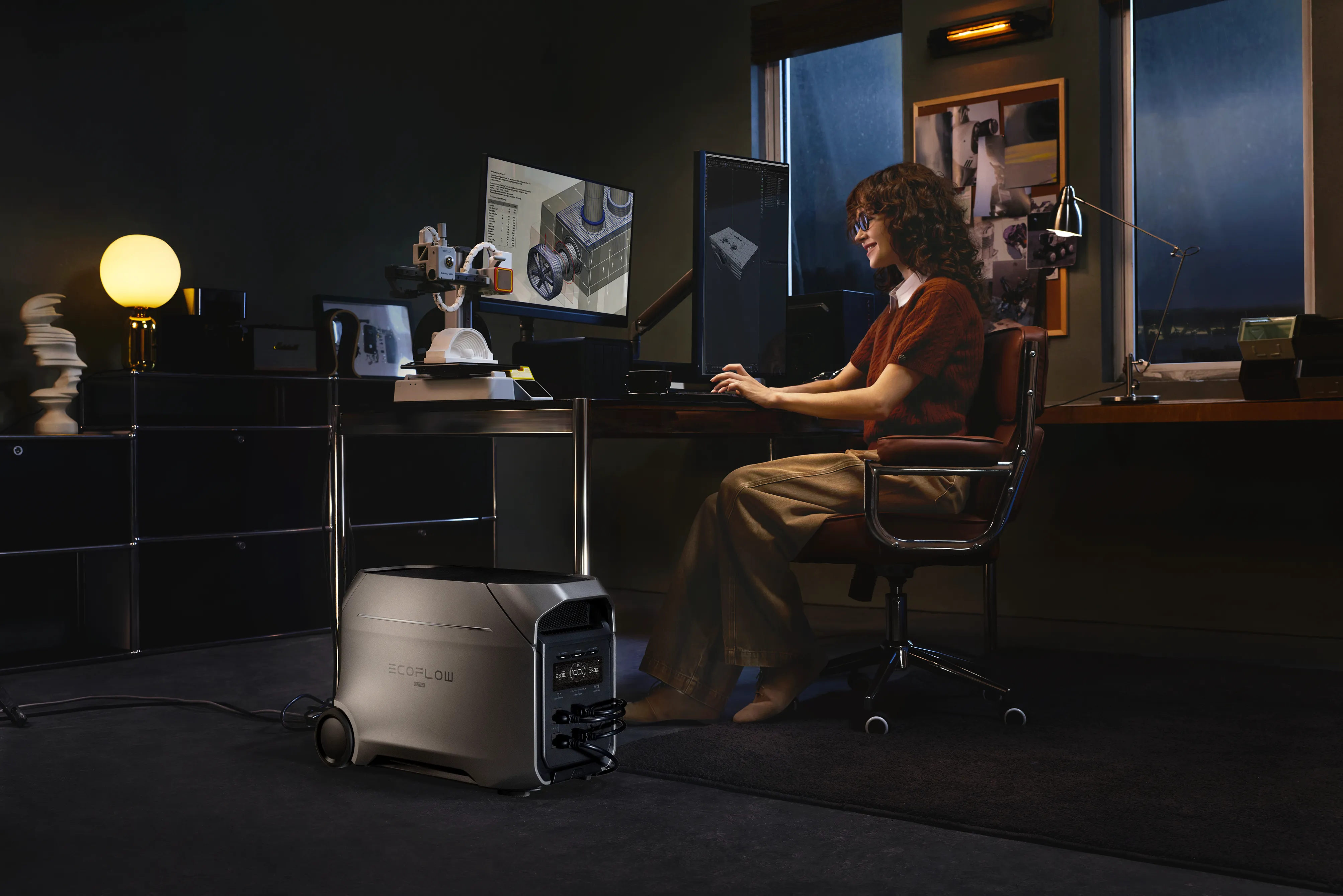
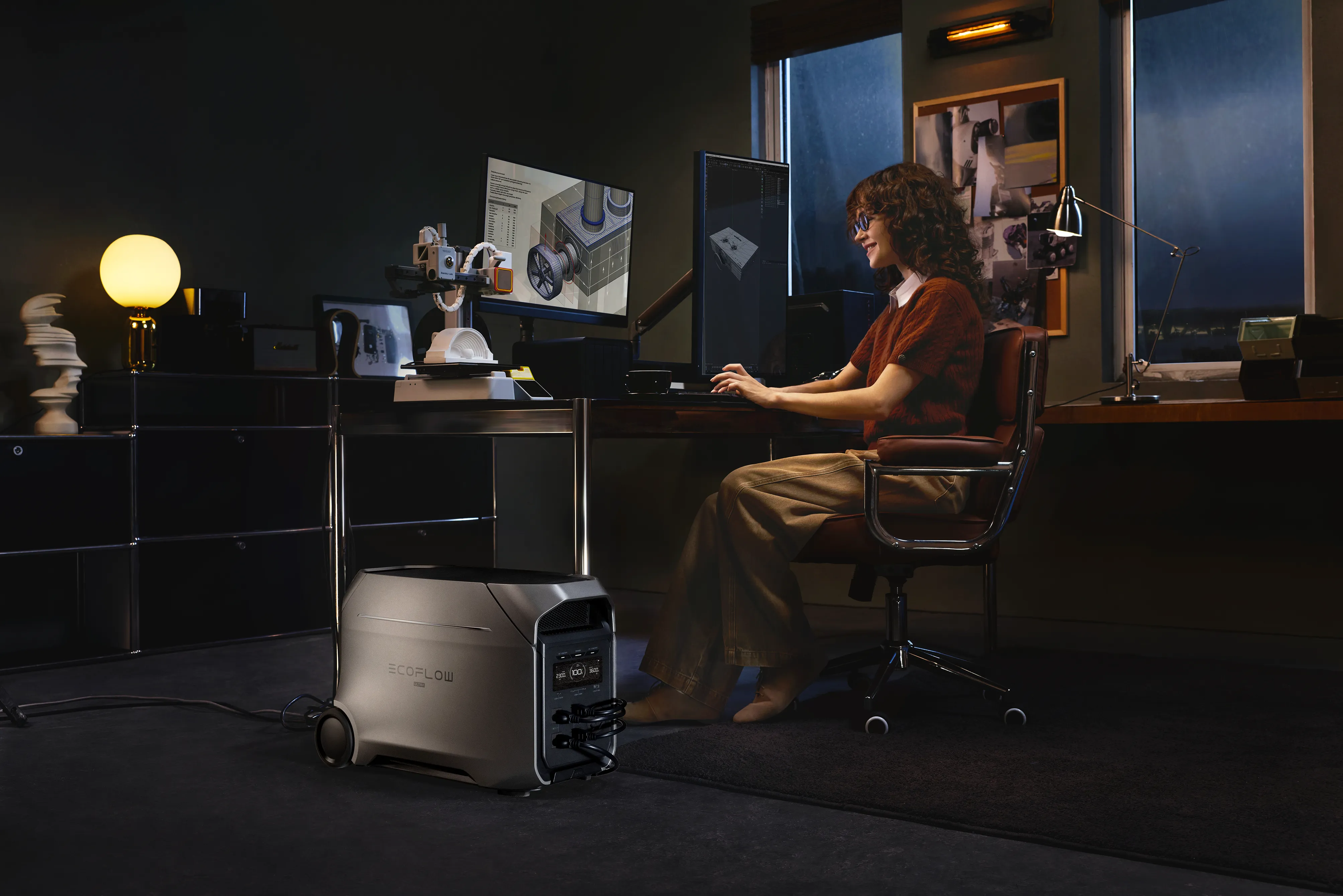
As more people travel, work remotely, or prepare for emergencies, portable energy management has become increasingly relevant. These systems focus on managing stored energy in portable power stations, helping ensure reliable electricity during camping trips, remote workdays, or unexpected power outages at home.
Functions of Energy Management Systems
An Energy Management System does more than just switch things on and off. At its best, it quietly helps a home or building use power more thoughtfully over time. In Canada’s demanding climate, where heating and cooling needs change dramatically through the year, these functions work together like a behind the scenes control centre, making sure energy isn’t wasted and costs stay predictable, and sustainable energy practices are supported.
1. Monitoring and Data Analytics
Everything starts with visibility. An EMS shows where electricity is actually being used, often highlighting surprises along the way. It’s common to discover so-called “vampire loads,” like electronics or chargers that keep drawing power even when they’re not in active use. By displaying energy flow through simple charts or live data, the system makes it easier to spot inefficiencies that would normally be hidden inside a single monthly utility bill.
2. Control and Optimization
Seeing the data is only useful if you can act on it. Modern EMS platforms can automatically adjust when certain devices run, shifting heavier tasks to off peak hours when electricity is cheaper. In provinces such as Ontario or Alberta, this might mean running a dishwasher overnight or scheduling EV charging when demand is lower. Over time, these small adjustments help reduce costs and ease pressure on the local grid during peak periods.
3. Fault Detection and Reliability
An EMS also acts as a constant health check for your electrical system. By watching how circuits behave, it can spot unusual patterns, such as a refrigerator motor working harder than it should or a wiring issue starting to develop. Catching these problems early can prevent inconvenient outages, expensive repairs, or more serious safety concerns down the line.
4. Cost Management and Forecasting
One of the most practical benefits of an EMS is predictability. By combining past usage data with weather forecasts and local rate structures, the system can estimate what your energy costs are likely to look like for the month ahead. This is especially helpful during winter, when a cold snap can quickly drive up heating demand and push bills higher than expected.
5. Compliance and Continuous Improvement
For businesses and commercial property owners, an EMS plays an important role in meeting regulatory and environmental requirements. It keeps clear, reliable records that support carbon reporting and standards such as ISO 50001, making compliance easier to manage over time. Just as importantly, it creates a consistent baseline, allowing you to track energy performance year over year and clearly see whether efficiency upgrades are delivering real savings and a measurable return on investment.
Strategies for Home Energy Optimization
For Canadian households, energy optimization is rarely a one time project. With temperatures ranging from -30°C in winter to well above 30°C in summer, managing energy is an ongoing, seasonal effort. The goal isn’t perfection, but resilience, making sure your home stays comfortable and affordable no matter what the weather brings.


1. Sealing and Insulating Building Envelope
Before investing in new technology, it’s worth looking at the basics. A well-sealed home keeps warm air in during winter and hot air out during summer. Improving attic insulation, sealing gaps around doors and windows, and upgrading weather stripping can dramatically reduce heat loss. These improvements are especially valuable in older Canadian homes, where energy often escapes long before it reaches your living space.
2. Upgrading HVAC Systems
Heating and cooling systems are typically the biggest energy users in a home. During extreme conditions, like a prairie cold snap or a prolonged heat wave, the demand on both your HVAC system and the grid increases sharply. When paired with an intelligent energy management setup, systems such as the EcoFlow DELTA Pro Ultra X Whole-Home Backup Power can work alongside Time of Use rates by charging during off-peak periods and supporting high demand loads during peak hours. This approach helps reduce monthly costs while adding a reliable layer of whole home backup.
3. Optimizing Appliance Usage
Not all savings come from major upgrades. Adjusting how and when everyday appliances run can have a noticeable impact over time. Dishwashers, laundry machines, and other flexible loads don’t always need to operate during peak hours. For households looking for a simpler way to manage this, systems like the EcoFlow DELTA 3 Ultra Series Portable Power Station (3072Wh) allow users to schedule charging and route selected appliances through stored energy. This kind of setup makes smarter energy use possible without complex rewiring or professional installation.
4. Integrating Renewables and Storage
For homeowners interested in greater energy independence, generating power on site is the next step. Pairing solar panels with battery storage creates a small, self managed energy system that stores excess solar power during the day and uses it in the evening. This setup reduces reliance on the grid when electricity prices are highest and adds flexibility during outages, making it a practical long-term strategy rather than a purely environmental one.
Conclusion
An Energy Management System marks the shift from passively consuming electricity to actively managing how it’s used. Once you understand the different types of EMS and what they actually do day to day, it becomes easier to make choices that reduce waste, smooth out costs, and improve reliability. For Canadian homes facing rising energy prices and unpredictable weather, that kind of control matters. When paired thoughtfully with modern storage options, such as the EcoFlow DELTA series, an EMS can help create a more resilient setup, one that keeps your home comfortable and powered, no matter what’s happening outside.
FAQ
1. Is an energy management system the same as BMS?
They’re related, but they’re not the same thing. A Building Management System (BMS) is the overall operating system of a building. It looks after many functions at once, such as security, elevators, lighting, ventilation, fire safety, and plumbing. Its main job is to keep the building running safely and smoothly. An Energy Management System (EMS) has a much narrower focus. It deals specifically with energy, how electricity is measured, where it’s being used, and how loads can be optimized to reduce waste and costs. A simple way to think about it is this: the BMS runs the whole building, while the EMS keeps a close eye on the energy budget. In modern smart buildings, the EMS often feeds detailed energy data into the BMS to improve overall efficiency.
2. What is the difference between EMS and SCADA?
The difference comes down to real-time control versus long term decision making. SCADA systems are commonly used in industrial environments to monitor and control equipment instantly. If a motor overheats or a valve needs to close, SCADA handles that action right away to protect machinery and maintain safety. An EMS works at a higher, more strategic level. It takes data from systems like SCADA and uses it to make broader decisions about energy use. Instead of asking whether a machine is running correctly, an EMS asks whether it makes sense for that machine to be running at that moment, given electricity prices, demand levels, or sustainability targets.
3. What is energy management for beginners?
For beginners, energy management is less about technology and more about awareness. It starts with understanding your baseload, which is the electricity your home uses when nothing obvious is running, such as overnight. From there, progress can be simple and practical. A good starting point is tracking usage with smart plugs or a power monitoring app to identify which appliances draw the most energy. The next step is adjusting habits, like running laundry or dishwashers during off peak hours. Finally, small automation features, timers, schedules, or smart scenes, help make sure lights, heaters, and electronics aren’t running when no one is using them.
4. How do you create an energy management system?
Putting together an energy management system doesn’t mean tearing into your home’s wiring or doing everything at once. Most people build it gradually, adding pieces as their needs grow.
It usually starts with monitoring. Installing a smart energy monitor in your electrical panel lets you see real-time usage on your phone and understand where your power is actually going. The next step is storage and backup, often by adding an app controlled battery solution such as a portable power station from EcoFlow. This gives you the flexibility to store energy when rates are low and use it later when electricity is more expensive. Finally, some homeowners move to full integration by adding solar panels and smart circuit breakers, allowing the system to automatically reduce non-essential loads during outages or periods of high prices.
5. What are the main components of an energy management system?
At its core, an Energy Management System is built around a simple loop that runs continuously in the background. It starts with measurement, using smart meters and sensors to track how electricity is flowing through the home. That information is then sent through communication channels, such as Wi-Fi or cellular networks, so it can be processed elsewhere. The logic layer, usually a software platform or app, analyzes usage patterns, timing, and costs to decide what should happen next. Finally, those decisions are carried out by the control layer, which includes hardware like inverters, smart switches, or breakers. Together, these components work quietly to monitor, decide, and adjust energy use in real time.