Does Cold Weather Affect EV Charging? Practical Winter Tips
People frequently ask does cold weather affect ev charging during their research. Yes, cold temperatures noticeably slow down ev charging. When the thermometer drops below freezing, battery chemistry becomes sluggish, leading to longer charge times and reduced driving range during harsh Canadian winters. Preparing your vehicle and utilizing proper habits mitigates these delays. Modern electric vehicles possess advanced thermal management systems designed to handle freezing conditions efficiently. You can keep your battery healthy and commutes uninterrupted with simple adjustments.
How Cold Weather Affects EV Charging Speed
Frigid temperatures alter the fundamental physical properties of lithium-ion batteries. The internal chemical reactions dictate how quickly energy transfers into the cells.
Reduced Chemical Efficiency in Freezing Temperatures
Inside the battery pack, lithium ions move back and forth through a liquid electrolyte solution between the anode and the cathode. Freezing Canadian winters cause this liquid to become highly viscous. Ions travel slowly through this thickened fluid. The vehicle's battery management system restricts power intake intentionally to protect the cells. Pushing high voltage into cold cells causes lithium plating, a condition that degrades battery health. The software limits the intake speed until the internal climate reaches an optimal state, usually around 15°C to 25°C. This self-preservation mechanism guarantees the longevity of your vehicle but requires patience at the plug.
The Impact on Public DC Fast Stations
Direct Current fast stations normally replenish a battery rapidly. Sub-zero conditions alter this expected timeline. A session requiring 30 minutes at an optimal 20°C easily demands 60 minutes or more at -15°C. Drivers arriving at a public station with a completely cold battery face steep delays. The station directs the initial power surge strictly toward the battery's thermal management heaters. The accumulation of driving range begins only after the system achieves the correct internal temperature.
Compounding Range Reductions and Heating Demands
Cold, dense air increases aerodynamic drag on the highway, forcing the motors to work harder. Heating the passenger cabin requires a massive electrical draw directly from the main battery pack. Electric motors operate too efficiently to provide excess waste heat. Your vehicle must expend stored energy to run heaters to keep occupants comfortable and the windshield clear of ice. Dense winter tires also increase rolling resistance. These compounding factors result in fewer kilometres per charge during the winter months.
The physical limitations of cold batteries temporarily extend the time required to replenish energy. Overall performance and normal charging speeds return completely once ambient temperatures rise in the spring.
Why an EV Home Charger Needs Priority in Cold Weather
Relying on public infrastructure during a winter freeze introduces unpredictable delays. Securing a reliable setup in your own garage provides predictability and comfort.
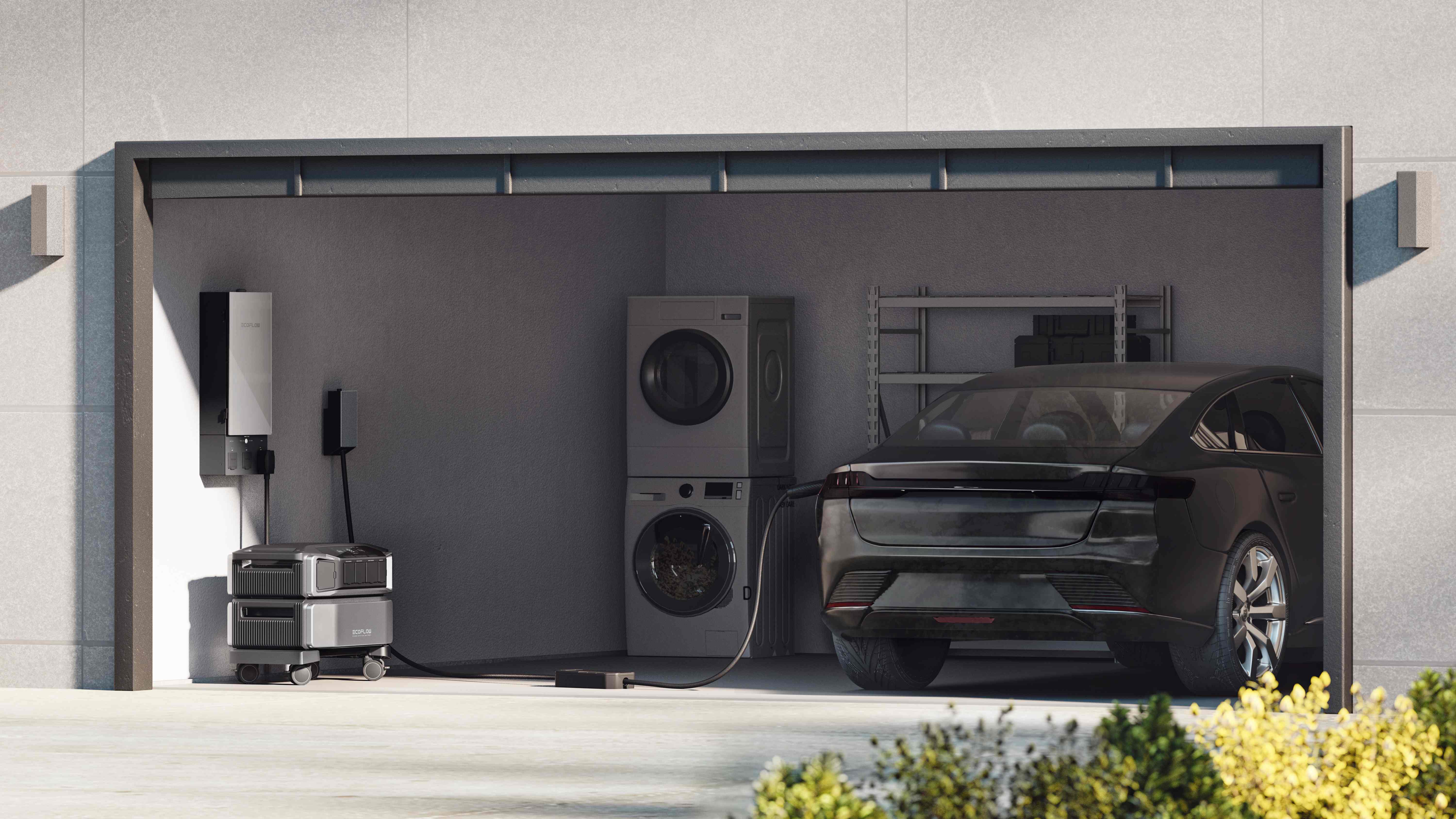
A high-quality ev home charger operates overnight, turning a long wait into productive downtime. Connecting your vehicle at the end of the day allows the battery to draw grid power steadily. The vehicle's computer maintains the battery's temperature throughout the freezing night. Waking up to a fully prepared vehicle eliminates the stress of morning public charging queues. Alternating current delivery is slower than DC fast charging, making it much less sensitive to extreme cold restrictions. The slow input generates mild heat naturally, keeping the battery conditioned without excessive thermal management strain.
Level 1 outlets provide insufficient power in extreme cold, failing to add range as all incoming energy goes toward battery heating. Upgrading to a dedicated 240-volt Level 2 unit ensures your vehicle gains adequate range even on the coldest January nights. Taking advantage of lower off-peak electricity rates in provinces like Ontario and British Columbia also reduces your monthly utility bills.
| Charging Method | Speed in Sub-Zero Cold | Winter Reliability | Ideal Use Case |
| Level 1 (120V) | Extremely slow | Poor; energy lost to heating | Mild climates only |
| Level 2 (240V) | Steady and consistent | Excellent; maintains warmth | Overnight daily use |
| DC Fast Station | Severely reduced initially | Variable; requires preconditioning | Long winter road trips |
Installing dedicated equipment transforms winter vehicle ownership from a daily struggle into a seamless routine. Consistent overnight power access guarantees maximum daily range.
Practical Tips for Charging EV in Cold Weather
Specific routines preserve battery health and ensure your vehicle remains ready. Modifying your habits makes charging ev in cold weather highly efficient.
Keep your EV plugged in at home: Keeping the cord connected allows the vehicle to pull power directly from the grid to maintain battery temperature. This prevents the car from draining its own reserves to keep the cells warm overnight. A dedicated ev home charger guarantees your battery stays conditioned without depleting your driving range. Canadian winters frequently bring severe ice storms and grid blackouts. You need reliable power to keep that ev home charger running alongside your home heating systems. The EcoFlow DELTA Pro Ultra seamlessly backs up your entire house during a severe grid failure. Delivering 7.2kW to 21.6kW of output, it provides enough uninterrupted power to run your vehicle charging equipment, heavy-duty home heating, and large appliances simultaneously. It is convenient, powerful, and gives you total peace of mind. You don't have to worry about waking up to a frozen house and a dead car battery. Save your family from freezing temperatures and make your winter routine stress-free.
Precondition the battery prior to departure: Use your smartphone application to warm the cabin and the battery while the car remains connected to the wall. Pulling energy from the house rather than the battery preserves your driving range. The internal components reach their optimal temperature, ensuring maximum regenerative braking capability from the moment you leave the driveway.
Navigate to fast stations early: Input the public station into the vehicle's built-in navigation system. Modern software automatically triggers battery preconditioning as you approach the destination. The vehicle utilizes waste heat from the motors to warm the battery, ensuring it can accept high-speed DC power immediately upon arrival.
Park inside whenever possible: An unheated garage provides a warmer environment than parking outdoors in the wind. Shielding the vehicle from direct snow accumulation reduces the energy required to melt ice off the windshield.
Rely on localized heating: Heating the entire cabin consumes massive amounts of electricity. Utilize the heated steering wheel and heated seats to stay comfortable. These localized heating elements require a fraction of the energy compared to the main cabin air heater, preserving valuable kilometres of range.
Consistent preparation drastically reduces the impact of sub-zero temperatures on your commute. Utilizing smart features and reliable backup power keeps you moving efficiently.
Troubleshooting Winter EV Charging Drops
Unexpected interruptions occur frequently when ice and snow interfere with hardware. Resolving these minor obstacles quickly gets your vehicle back on the road. Asking does cold weather affect ev charging leads directly to resolving common winter hardware faults.
Frozen Port Mechanisms
Moisture from melting snow frequently freezes inside the port mechanism. The locking pin fails to engage or disengage when encased in ice. Never pour boiling water over the components, as extreme temperature shifts shatter the surrounding plastic. Use a warm towel or gently apply heat from a hair dryer to melt the ice block. Applying a silicone-based lubricant to the hinges at the start of winter prevents moisture from adhering to the moving parts. Keeping the port area clear of debris ensures a secure connection every time.
Reduced Regenerative Braking
Drivers often notice the vehicle coasts freely instead of slowing down when lifting off the accelerator. A freezing battery cannot accept the rapid influx of energy generated by regenerative braking. The vehicle's computer disables this feature to protect the cells. This behavior is completely normal and resolves itself after driving for several kilometres as the battery naturally generates internal heat. You must rely entirely on the physical friction brakes during the initial portion of your commute. Always leave extra following distance during the first few minutes of your drive.
Public Station Failures
Public infrastructure suffers heavily during extreme cold snaps. Frozen touchscreens, stiff cables, and internal hardware faults render stations useless. Cables become completely rigid at -20°C, requiring physical force to maneuver into the port. Always verify station status through community-driven smartphone applications prior to altering your route. Arriving at a broken station with a depleted battery in freezing conditions poses a safety risk. Mastering the nuances of charging ev in cold weather requires mapping out multiple backup stations along your route. Ensure you have at least fifty kilometres of buffer range when travelling between public stations in January.
Hardware freezes and software limitations demand patience and adaptability. Recognizing these standard winter behaviors prevents unnecessary alarm during your daily commute.
Power Your Winter Drives
Mastering winter electric vehicle ownership requires preparation and the right equipment. The physical limitations of cold batteries demand adjustments to your daily routine. Prioritizing home infrastructure ensures your vehicle starts every morning fully prepared for the freezing commute. Upgrading your property with reliable solutions like EcoFlow guarantees your transportation and household remain secure during unpredictable grid failures. Stay proactive, monitor your battery health, and drive confidently through the toughest winter months.
FAQ
Q1: Can an electric vehicle battery freeze solid in winter?
A lithium-ion battery pack will not freeze solid like a block of ice under normal Canadian winter conditions. The liquid electrolyte becomes highly viscous and thick, which restricts the flow of ions. The vehicle's advanced thermal management software constantly monitors internal temperatures. The system automatically triggers internal heaters to maintain a safe baseline temperature, preventing any physical freezing. Leaving the vehicle unplugged at -30°C for multiple days risks completely draining the battery, but the cells themselves resist solidifying entirely.
Q2: Is it safe to charge an electric car in the snow?
Charging your vehicle during a heavy snowstorm poses zero safety risks. The engineers designed the connectors, cables, and vehicle ports with robust weatherproofing to withstand extreme precipitation. The connection features heavily insulated pins that isolate the electrical current from external moisture. Power only begins flowing after the station and the vehicle computer successfully communicate and verify a completely secure, watertight connection. You can safely plug in your vehicle during blizzards without fearing electrical shorts or dangerous shocks.
Q3: Should I charge to one hundred percent in winter?
Pushing the battery to maximum capacity regularly degrades the long-term health of the cells. You should set your daily charging limit to eighty or ninety percent for routine commuting, even during the coldest months. The vehicle requires empty capacity in the battery to capture energy from the regenerative braking system. A completely full battery forces the computer to disable regenerative braking entirely, forcing you to rely solely on the physical brake pads until the capacity drops sufficiently.
Q4: Does preconditioning the battery consume driving range?
Preconditioning consumes stored energy if the vehicle remains unplugged from a power source. Warming the heavy battery pack and the passenger cabin requires a massive electrical draw. Activating the climate control while connected to a dedicated home wallbox pulls power directly from the local utility grid. The grid supplies all the necessary energy to reach the optimal temperature. Your vehicle departs the driveway with a fully conditioned battery and a complete, undisturbed driving range for your commute.
Q5: How long does a cold battery take to warm up?
The internal temperature dictates the warming timeline based on the severity of the ambient cold. Activating the preconditioning system through your smartphone usually requires twenty to thirty minutes to achieve optimal operating temperatures. Relying solely on the waste heat generated by the electric motors during driving takes much longer. Commuting on the highway generates enough internal heat to warm the battery after thirty to forty-five minutes of continuous operation, eventually restoring standard regenerative braking functionality.