Portable Power Stations for March Storms: What Canadian Households Should Know
- Why March Storms Cause Power Outages Across Canada
- What a Portable Power Station Is and How It Works
- What Canadian Households Commonly Power During an Outage
- Key Capabilities to Look for in a Portable Power Station
- How Solar Panels Extend Runtime During Multi-Day Outages
- Planning Your Home’s Emergency Power Needs
- Portable Power Stations vs Fuel Generators for Storm Preparedness
- Using EcoFlow Portable Power Stations During March Storms
- Frequently Asked Questions
- Staying Prepared for the Next Storm Season
March storms in Canada can strike without warning and leave homes dark and essential devices offline. For households across the country, having a reliable source of backup power is no longer just a convenience; it’s a necessity.
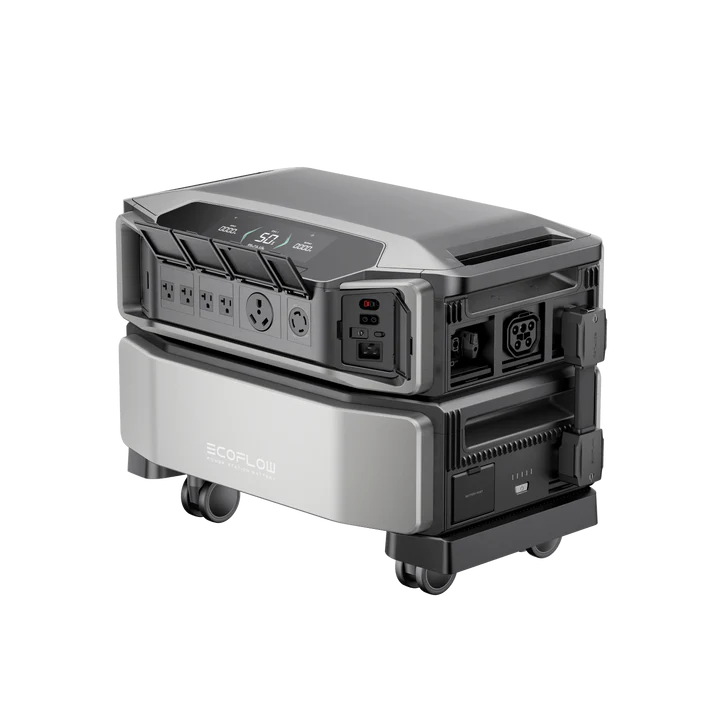
Portable power stations offer a compact and efficient solution to keep lights on, devices charged, and appliances running during outages. If you’re a homeowner in Canada, looking into portable power stations like the EcoFlow DELTA Pro Ultra before March storms hit might be a smart move.
Why March Storms Cause Power Outages Across Canada
March is a transitional month in Canada, and the weather can be particularly unpredictable. Warm spells can trigger melting snow, while sudden cold snaps bring ice storms and heavy snowfall. These conditions put significant strain on the power grid. Ice accumulation on power lines and trees can cause lines to snap, while high winds can topple poles and damage infrastructure. In addition, the combination of wet snow and freezing rain makes roads hazardous for repair crews, which can delay restoration efforts.
Because of this, even relatively short storms can leave households without electricity for hours, or in some cases, days.
What a Portable Power Station Is and How It Works
A portable power station is a compact, rechargeable battery that provides electricity to devices and appliances during power outages. Unlike traditional gas generators, it’s quiet, emission-free, and safe for indoor use.
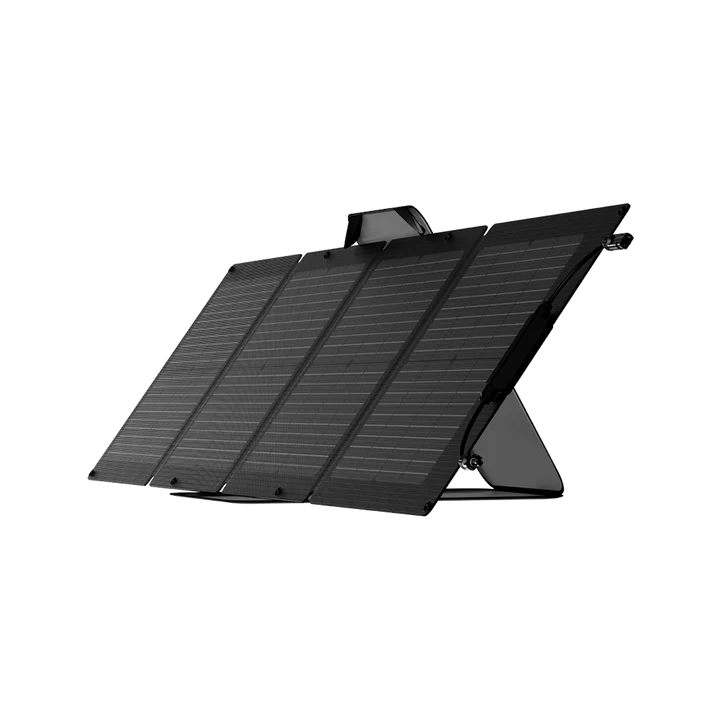
Most units can be charged from wall outlets, car ports, or portable solar panels and convert stored energy into standard AC power, as well as DC and USB outputs for smaller electronics. For households preparing for March storms, a portable power station can be a flexible solution or complement to whole-home backup power solutions.
What Canadian Households Commonly Power During an Outage
During a power outage, Canadian households typically prioritize keeping essential devices and appliances running. Smartphones, laptops, and tablets are at the top of the list to maintain communication and access to news or emergency alerts. Refrigerators and freezers are next on the list, to help prevent food spoilage.
Many families also use portable power stations and whole-home generators to keep lights on, small heaters or fans operating, and entertainment devices running, particularly when outages last for several hours.
Key Capabilities to Look for in a Portable Power Station
When choosing a portable power station, not all units are created equal. Canadian households should focus on a few key capabilities to ensure their investment is effective during power outages:
Battery capacity (Wh): Determines how long the station can power your devices. Higher watt-hour ratings mean longer runtime for essentials like refrigerators or medical equipment.
Output options: Look for multiple AC outlets, USB ports, and 12V DC outputs to support a variety of devices simultaneously.
Recharge methods: Versatility matters. Units that charge via wall outlets, car ports, and solar panels offer flexibility.
Portability: Size and weight matter if you need to move the station around your home or take it outdoors.
Safety features: Overload protection, short-circuit prevention, and temperature control help protect both your devices and the unit itself.
How Solar Panels Extend Runtime During Multi-Day Outages
For Canadian households facing multi-day power outages, portable power stations can run out of charge quickly if they rely solely on wall or car charging. This is where solar panels become a game-changer. By harnessing the sun’s energy, solar panels can continuously recharge your power station.
Solar-compatible power stations often feature dedicated inputs for solar panels and smart charging systems that optimize energy intake based on sunlight conditions. While charging times depend on panel size, sunlight intensity, and the power station’s capacity, even a few hours of solar charging each day can make a difference during extended outages.
Planning Your Home’s Emergency Power Needs
Preparing for outages starts with identifying your household’s essential devices like refrigerators and communication tools, and choosing a power station with enough capacity to run them.
Consider how long you may need backup power and whether solar panels or multiple units are necessary for extended outages. Finally, plan for efficient energy use and easy access, so your home stays safe and powered during March storms.
Portable Power Stations vs Fuel Generators for Storm Preparedness
Portable power stations are quiet, emission-free, and safe for indoor use, which makes them ideal for charging devices and running small appliances.
Fuel generators provide higher power for larger appliances but are noisy, require fuel, and must be used outdoors. For most Canadian households, portable power stations offer a safer, more convenient solution for short to medium outages, while generators are better for high-demand or whole-home needs.
Using EcoFlow Portable Power Stations During March Storms
EcoFlow portable power stations help Canadian households stay powered during March storms. They can run essentials like lights, refrigerators, and medical devices. Many models support solar charging for extended outages.
For high-capacity needs, the EcoFlow DELTA Pro Series offers excellent output and multiple charging options, thus making it a reliable solution for keeping your home safe and powered.
Frequently Asked Questions
How Long Does a Portable Power Station Last?
The runtime of a portable power station depends on its battery capacity (measured in watt-hours) and the power demand of the devices you’re running. Small units may keep phones or laptops charged for several hours, while larger models can power refrigerators, medical devices, or multiple appliances for 8–24 hours.
What Is the Weather Like in Canada in March?
March in Canada is a transitional month, so weather can vary widely depending on the region. Southern areas may see early signs of spring with milder temperatures, while northern regions can still experience harsh winter conditions, including snow, ice, and freezing rain.
Was There an Ice Storm in Canada in March 2025?
Yes, in late March 2025, a significant ice storm affected parts of Ontario and Quebec. Between about March 28 and 31, prolonged freezing rain and ice accretion caused hazardous conditions, downed trees and power lines, and caused widespread power outages in Ontario and Quebec.
Staying Prepared for the Next Storm Season
March storms in Canada can leave homes without power unexpectedly, so backup solutions are essential. Understanding your household’s energy needs and investing in a reliable portable power station ensures lights, devices, and appliances stay running.
For high-capacity needs, the EcoFlow DELTA Pro Ultra offers versatile power and helps Canadian households stay safe and prepared for the next storm season.