Wind Energy Explained: Pros, Cons, and Environmental Impact
Many Canadian households are experiencing rising electricity bills or have witnessed storms rolling across their backyards. For many Canadians, wind energy remains a potential option for reducing home energy costs. While large wind turbines are already visible across the Alberta prairies and along the Atlantic coast, 2026 is increasingly focused on bringing clean energy technologies to a more residential scale. However, how practical is wind power when winter hits hard or the air goes dead calm? This guide cuts through the hype and looks at the pros and cons of wind energy, alongside its environmental trade‑offs, plus how you can pair it with smart technology to build a more reliable home power setup.
What Are the Advantages of Wind Energy?
Harnessing the energy of wind is one of the oldest and most rapidly expanding methods of power generation across the country. As Canadian municipalities and homeowners look for ways to buffer against rising utility rates, localized and large-scale wind installations offer a practical option for communities and homeowners with suitable conditions. Let’s dive into the core operational and financial benefits that make wind a premier choice for clean power generation.
Producing Electricity Without Fuel Costs
Unlike traditional fossil-fuel power stations that are constantly vulnerable to volatile global oil and gas markets, wind power operates with a completely free commodity. Once a wind turbine is engineered, transported, and erected, the ongoing cost of electricity production drops dramatically because the wind costs absolutely nothing. For Canadian communities, this translates into highly predictable, long-term operational costs and insulation from sudden spikes in monthly utility bills.
Reducing Greenhouse Gas Emissions
Once they’re operating, wind turbines generate electricity without producing direct greenhouse gas emissions or air pollutants. Lifecycle assessments generally estimate wind power at around 10–15 g CO₂e per kWh, far below fossil-fuel-based electricity generation, compared with around 400–900 g CO₂e per kWh for fossil-fuel-based electricity generation. By reducing reliance on coal and natural gas generation, wind power helps lower carbon emissions, improve local air quality, and support Canada’s transition to a cleaner electricity system.
Generating Power From Local Resources
Canada’s diverse geography yields substantial wind power potential, particularly across the open prairies, extensive coastlines, and open northern terrain. Tapping into local wind energy means we don’t have to move electricity across thousands of kilometres of aging transmission lines. That kind of decentralized setup boosts provincial energy independence, keeps investment circulating within local economies, and gives rural communities a real shot at generating and using their own power.
What Are the Challenges and Limitations of Wind Energy?
No energy source is perfect, and wind has its own set of structural and environmental hurdles that take some careful planning. Looking at those challenges honestly helps you see where wind really shines and where it needs a little backup.
Dependence on Wind Conditions
The biggest challenge with wind power is intermittency. Wind speeds don’t always remain consistent. Turbines require a minimum “cut-in” wind speed to begin generating electricity, and they must also shut down safely when wind speeds exceed a maximum “cut-out” threshold during severe weather events in Canada. That kind of variability means wind on its own can’t always match a household’s or the grid’s minute‑to‑minute power needs without some help from a reliable backup power station or storage setup.
Land Use and Visual Concerns
Setting up a commercial‑scale wind farm takes up a lot of space. Turbines need to be spread well apart so they don’t interfere with each other’s airflow. The footprint of the base itself is fairly small, but the bigger sticking point tends to be how they change the look of the local landscape—and that often stirs up debate in rural communities. Working through zoning rules, managing aesthetic concerns, and addressing worries about low‑frequency noise are all part of the development process for any wind project.
Wildlife and Ecosystem Considerations
Building any large‑scale infrastructure can cause some short‑term disruption—habitat disturbance, soil compaction, and changes to the natural landscape. For wind projects, that means careful ecological mapping up front to make sure rotor blades don’t get in the way of critical migration routes or sensitive plants and wildlife. Tackling those environmental realities early on is key to making sure green energy projects don’t end up doing more harm than good to local biodiversity.
What Is the Environmental Impact of Wind Energy?
Figuring out the true environmental footprint of any technology means looking past day‑to‑day operations and considering the full lifecycle. When exploring what is wind energy at its core, it is fundamentally clean, but the manufacturing process and the physical infrastructure do come with their own ecological costs. The following sections examine these factors in more detail.
Effects on Birds and Bats
Bird and bat collisions are often raised as a concern when new wind farms are proposed. While studies show these collisions occur far less frequently than those involving buildings or vehicles, developers continue to look for ways to reduce the risk. Measures such as radar monitoring, acoustic deterrent systems, and temporary shutdowns during peak migration periods are increasingly being used to help protect wildlife.
Land and Water Footprint Considerations
Compared to fossil fuel extraction or large‑scale hydroelectric flooding, wind farms have a very low operational water footprint—they use almost no water to make electricity. On top of that, the land between turbines stays usable. Across Canada, farmers and ranchers often lease their wind‑swept fields to energy developers while still grazing cattle or growing crops right under the blades.
Turbine Manufacturing and Recycling
The manufacturing side of wind energy is resource‑intensive. It takes steel, concrete, copper, and composite fiberglass to build turbines that can stand up to the elements. For many years, recycling large fiberglass turbine blades at the end of their service life remained a challenge because composite materials were difficult to process and reuse. But recycling tech has come a long way by 2026. Old blades are now being turned into cement additives, raw materials for consumer goods, and even structural pellets, helping reduce waste and improve how turbine materials are reused.
Long-Term Sustainability Benefits
Over its multi-decade operational lifespan, wind energy delivers compounding environmental dividends that far outweigh its initial manufacturing footprint. A modern turbine offsets the energy used during its production and installation within the first year of operation.
How Can Canadians Build a More Reliable Renewable Energy System?
As clean technology evolves and renewable energy sources power modern living, Canadian homeowners are focusing not only on generating renewable power but also on keeping it available when they need it most. A reliable home energy system combines multiple sources and storage solutions, helping households stay powered through changing weather conditions.
Balancing Energy Supply and Demand
A home microgrid works best when electricity generation and household demand stay in balance. Because wind speeds vary throughout the day, an energy management system can automatically switch between wind, battery storage, and the grid to keep power flowing when it’s needed. That helps your home run smoothly while reducing unnecessary strain on both your equipment and the grid.
Integrating Wind and Solar Resources
In practical applications, wind and solar energy can complement each other effectively. Sunny days often bring calmer winds, while overcast weather, stormy conditions, or winter nights are more likely to produce stronger wind output. Combining both sources helps households capture energy across a wider range of weather conditions, supporting more consistent on-site energy generation.
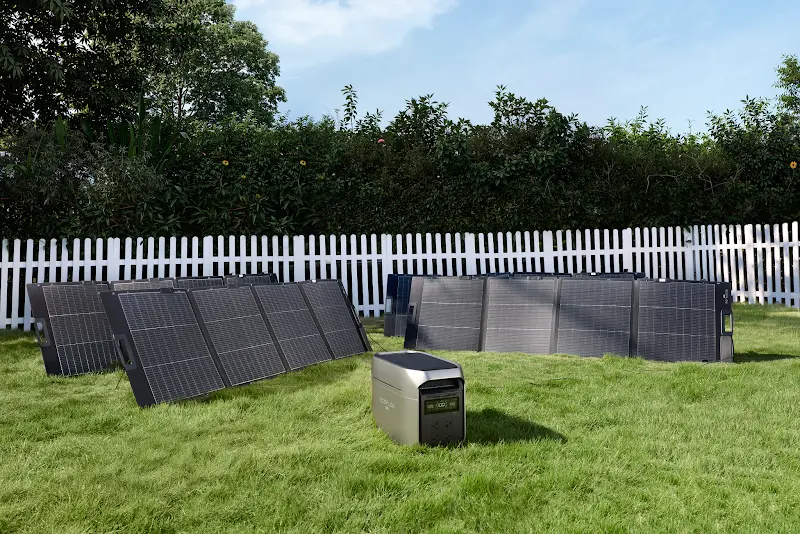
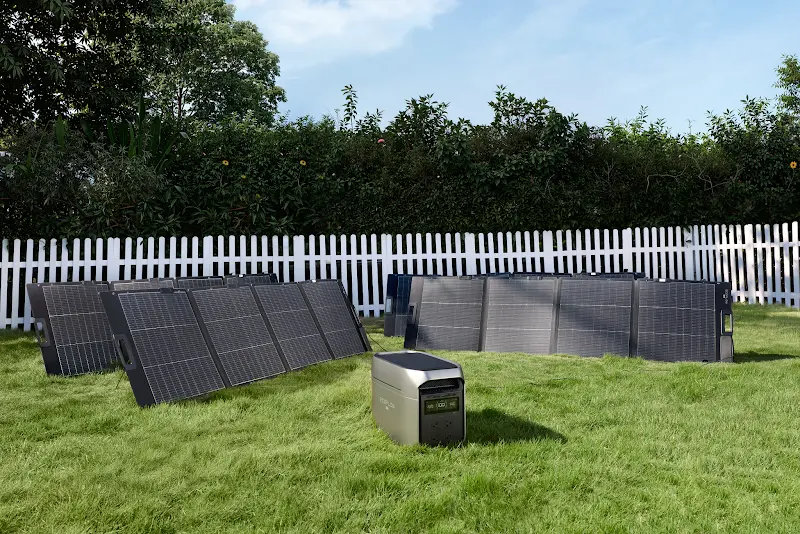
This is where a system like the EcoFlow DELTA 3 Max Plus + 400W Solar Panel becomes practical for residential use. It allows you to efficiently harvest solar energy during peak daylight hours, storing every drop of surplus electricity into its premium battery core. When wind conditions fluctuate or nighttime electricity demands peak, this portable power station seamlessly releases its stored reserves. For many Canadian households, this can help support off-grid or backup scenarios during seasonal weather variations.
Using Whole-Home Battery Storage for Backup Power
When scaling up a renewable energy system to handle a comprehensive residential setup, the primary objective is ensuring your entire household remains fully operational during unexpected grid failures or extended periods of calm weather. Everyday life brings routine disruptions—whether it’s an intense summer storm in Ontario, a freezing ice storm in Quebec, or routine grid maintenance. During these critical windows, standard generation isn’t enough; you need a robust, high-tier storage system to step in instantly.
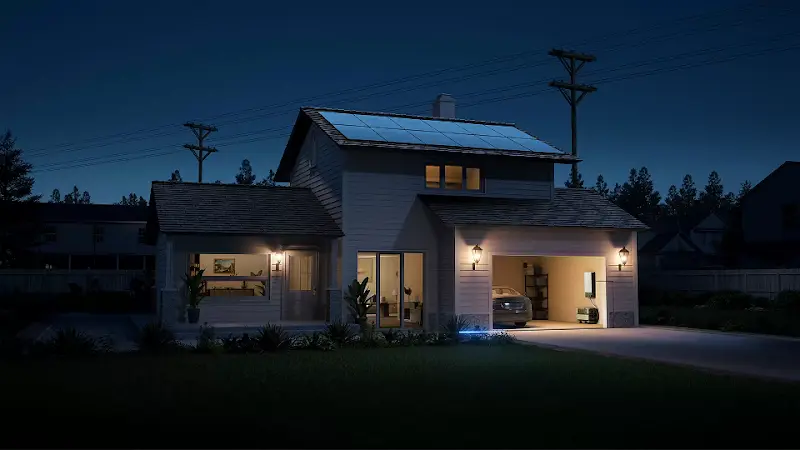
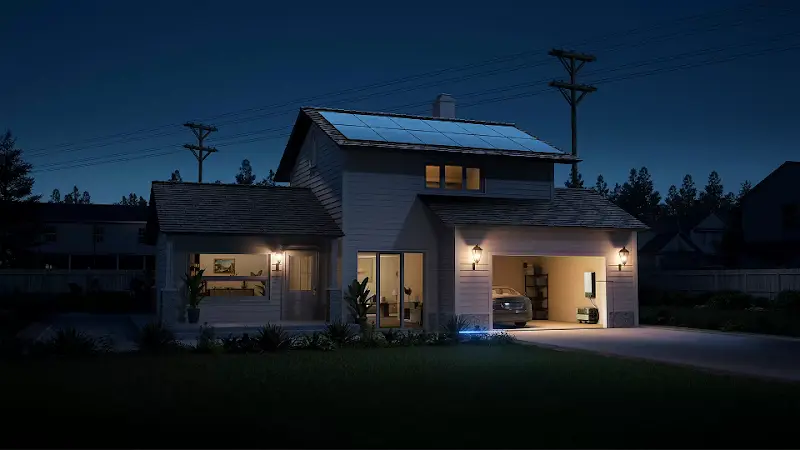
The EcoFlow DELTA Pro Ultra Whole-Home Backup Power is designed to support higher energy demands in residential settings. It can store electricity from home wind systems, solar panels, or the primary grid, providing a high-capacity energy storage solution for backup use. When a grid outage occurs, the system can automatically switch to backup mode to supply power to essential household loads such as lighting, refrigeration, communication devices, central heating, and selected high-wattage appliances like air conditioners or well pumps, depending on system configuration. Thanks to its modular and stackable architecture, Canadian homeowners can expand capacity over time, allowing the system to evolve from a basic emergency backup solution into a more flexible home energy setup that provides improved resilience across seasonal conditions.
Is Wind Energy Worth It for Canadians in 2026?
With federal incentives shifting and turbine technology getting more efficient all the time, the financial picture is looking better than ever—but a lot still comes down to where you’re located. Before you make the leap, here’s a look at the key financial factors you’ll want to weigh.
Evaluating Wind Energy Installation Costs in Canada
The initial capital outlay for a residential or small-business wind turbine includes the cost of the hardware, tower assembly, professional site assessments, permitting, and grid-tie electronics. While hardware prices have stabilized, civil works and provincial electrical inspections add to the upfront investment. Fortunately, various federal and provincial incentives and green financing programs may be available depending on location.
Understanding Wind Energy Output in Different Provinces
How much wind you can actually tap into depends a lot on where you live. Out on the open stretches of Saskatchewan and Alberta, or along the coastal cliffs of Nova Scotia and Newfoundland, wind resources are generally stronger and more consistent—which means a turbine can really pay off. But if you’re in a heavily forested area or a low‑lying valley, especially in parts of B.C., consistent wind flow might be harder to come by, and a turbine may be less economically viable.
Payback Period and Long-Term Savings Potential
For a properly sited small-scale turbine in a high-wind zone, the typical payback period may range between 10 to 15 years, depending on installation costs, electricity prices, and local wind conditions. Once that initial investment is cleared, the system provides relatively low operating costs. When paired with smart battery storage, such as a high-capacity portable power station, households may also reduce exposure to peak-hour electricity pricing, which can improve overall lifetime savings.
When Wind Energy Is Not a Good Choice
Wind energy is generally a poor fit for dense urban neighborhoods or tightly packed suburban developments. Strict local municipal bylaws frequently restrict tower heights, and surrounding homes and tall trees create turbulent, disrupted airflows that severely cripple a turbine’s efficiency.
Conclusion
Wind energy is a strong, proven piece of Canada’s move toward a cleaner future. It generates power without emissions and offers solid long‑term cost protection. Sure, it depends on weather patterns and comes with some zoning red tape, but those challenges are manageable with the right approach.
Pair wind with solar panels and a smart home battery system like the EcoFlow DELTA series, and Canadian homeowners can take real control of their own energy. You get reliability through every season, with the lights on and the house warm no matter what the grid’s doing.
FAQ
What Is the Cheapest Source of Electricity?
In Canada, utility-scale onshore wind and solar are among the lowest-cost sources of newly built electricity generation, particularly in regions where resource conditions are favorable and grid integration costs are low.
What Is the Minimum Wind Speed to Generate Electricity?
Most small wind turbines begin generating electricity at wind speeds of around 3-5 m/s (11-18 km/h), depending on design. This is known as the cut-in speed, although actual output remains low until wind speeds increase.
How Much Do Small Wind Turbines Produce?
A small residential wind turbine can typically offset around 10% to 40% of a home’s electricity use in suitable wind conditions. Annual savings vary based on wind resources, electricity rates, and system size.
Can Wind Power Completely Power a Home?
Yes, but only under the right conditions. A well-sited wind turbine paired with battery storage can significantly reduce or, in optimal conditions, fully meet a home’s electricity needs with sufficient storage and backup systems, though backup power is often recommended during periods of low wind.
What Happens at the End of a Wind Turbine's Life Cycle?
Most of a wind turbine can be recycled at the end of its service life. Steel, copper, and other metals are routinely recovered, while new recycling technologies are making turbine blades easier to reuse and recycle.