Solar Power Cost Explained: What Is the Real Price for Your House?
Going solar is one of the most rewarding upgrades a Canadian homeowner can make. But the upfront costs can feel like a lot to take in. This guide gives you a clear look at what solar actually costs—breaking down average installation prices across the country, the key equipment that affects your bill, available rebates at both federal and provincial levels, and how adding storage can boost your overall return.
How Much Does a Residential Solar System Cost in Canada?
The total cost of residential solar in Canada is not a one-size-fits-all figure. It depends largely on your regional solar market, the amount of sunlight your roof receives, and your household's historical energy consumption.
Average Cost per Watt of Solar Panels in Canada
In Canada, the standard industry metric for quoting residential solar systems is the cost per watt. Residential solar installations typically range between $2.50 and $3.50 per watt depending on system size, location, and installation complexity. A standard 8 kW system, for example, typically costs between $20,000 and $28,000 before incentives or tax rebates. However, the actual value of a solar investment can vary significantly by province due to differences in electricity rates, sunlight exposure, and available incentive programs.
| Province | Typical Solar Cost Factor |
|---|---|
| Ontario | Higher electricity prices can improve ROI |
| Alberta | Strong solar resource |
| BC | Lower electricity rates may extend payback |
| Nova Scotia | Incentives can affect upfront cost |
For example, homeowners in provinces with higher electricity costs may see faster payback periods, while areas with lower rates may require a longer timeline to recover the initial investment.
Typical Total Installation Cost by Home Size
The total solar installation cost depends on your home's size, electricity usage, roof conditions, and system capacity. Below is a general estimate of what Canadian homeowners can expect before rebates or incentives. While these figures begin with standard properties, the requirements and upfront costs for solar power for tiny houses are typically much lower.
| System Size | Home Type | Estimated Cost |
|---|---|---|
| 5 kW | Small Home | $12,500–$17,500 |
| 8 kW | Medium Home | $20,000–$28,000 |
| 10 kW | Detached Home | $25,000–$35,000 |
| 15 kW | Large Home | $37,500–$52,500 |
What Factors Influence the Total Solar Installation Cost?
When you receive a quote from a solar contractor, that total solar power cost is aggregated from several distinct structural and operational components.
Solar Panels, Inverters, and Core Equipment Costs
The physical hardware makes up the largest portion of your overall project budget. Premium monocrystalline solar panels offer the highest efficiency in colder Canadian winter conditions, but they command a higher price tag. Additionally, choosing between a centralized string inverter or more sophisticated microinverters—which optimize production when parts of your roof suffer from temporary shading—will directly affect hardware expenditures.
Installation, Labour, and System Design Fees
A successful solar installation requires careful structural engineering and specialized electrical work. Professional installers charge for the initial site assessment, custom CAD design of your roof array, and the physical labor required to safely mount and wire your panels. Steep roofs, complex architectural angles, or older homes that require a main electrical panel upgrade before installation will naturally incur higher labor costs.
Permits, Inspections, and Grid Connection Costs
You cannot simply plug solar panels into your home without municipal oversight. Your total price includes fees for local building permits, electrical safety inspections, and the administrative costs charged by your local utility company to swap your standard meter for a bidirectional unit and legally connect your system to the local grid.
Canadian Solar Incentives Reducing Upfront Cost
Fortunately, you do not have to shoulder the entire solar power cost alone, as robust governmental frameworks exist to accelerate adoption.
Federal Rebates and Financing Options
While foundational federal programs like the Canada Greener Homes Grant and the 0% interest Canada Greener Homes Loan have officially closed to new applications, the federal government has pivoted its support toward targeted streams, such as the Canada Greener Homes Affordability Program for low-to-moderate-income households. For standard residential installations, the financial onboarding has largely transitioned to local and structured financing pathways.
Provincial and Municipal Incentive Schemes
Provinces and municipalities across Canada have introduced a range of local financing and incentive programs to support residential solar adoption. A key example is the Clean Energy Improvement Program (CEIP) in Alberta, which enables property owners to finance energy upgrades through their property tax bill. In select municipalities, Property Assessed Clean Energy (PACE) programs may also be available, allowing homeowners to finance a portion or, in some cases, the full cost of eligible improvements through long-term repayment mechanisms tied to the property.
Additionally, major urban centers such as Toronto and Ottawa offer dedicated financing pathways, including Toronto’s Home Energy Loan Program (HELP) and the Better Homes Ottawa Loan Program, which provide fixed-rate, low-interest financing options to support residential energy efficiency and solar upgrades.
Net Metering and Bill Offset Mechanisms
Most Canadian utility providers utilize a system known as net metering. When your panels generate more electricity than your house consumes during sunny summer afternoons, the excess power flows back into the grid. Your utility company credits your account for this surplus, allowing you to draw power from the grid during dark winter nights at a highly reduced net cost, although fixed customer and delivery charges will still apply.
Solar Battery Storage Options for Canadian Homes
While being connected to the grid keeps your lights on, choosing a home battery storage system for your solar ecosystem allows you to maximize your self-consumption and guard against regional power grid failures.
Why Energy Storage Improves Solar Efficiency
A solar system without a battery relies entirely on immediate usage or grid export. By adding energy storage, you can capture the peak afternoon generation and use it during high-tariff evening hours, drastically optimizing your total home operational efficiency.
Backup Power Solutions for Small Households
For smaller households or those with basic essential power needs, installing a massive, whole-home energy storage system right out of the gate can increase initial capital requirements. Therefore, a more practical approach is using a lightweight, supplemental storage solution that balances functionality and affordability.
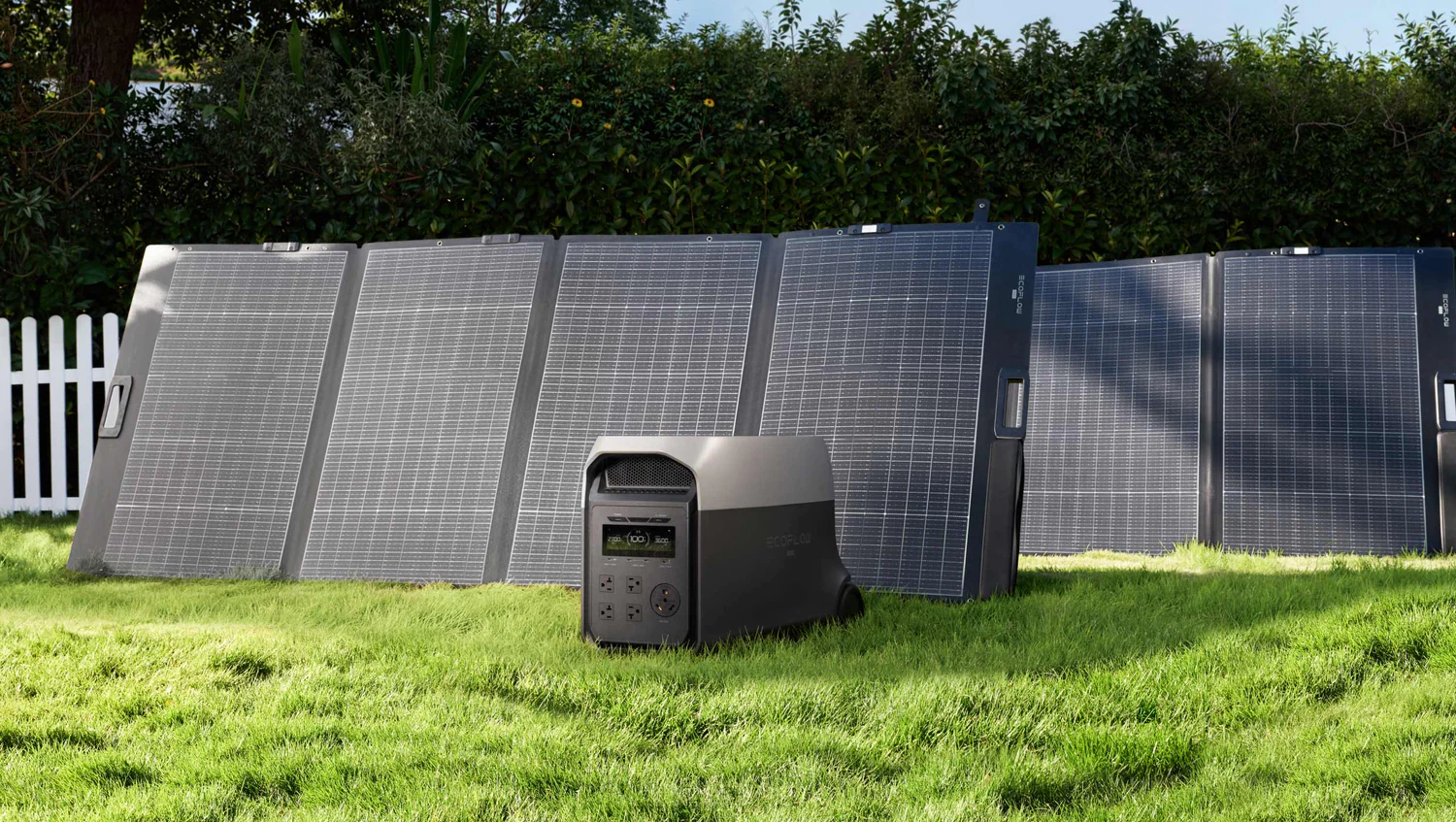
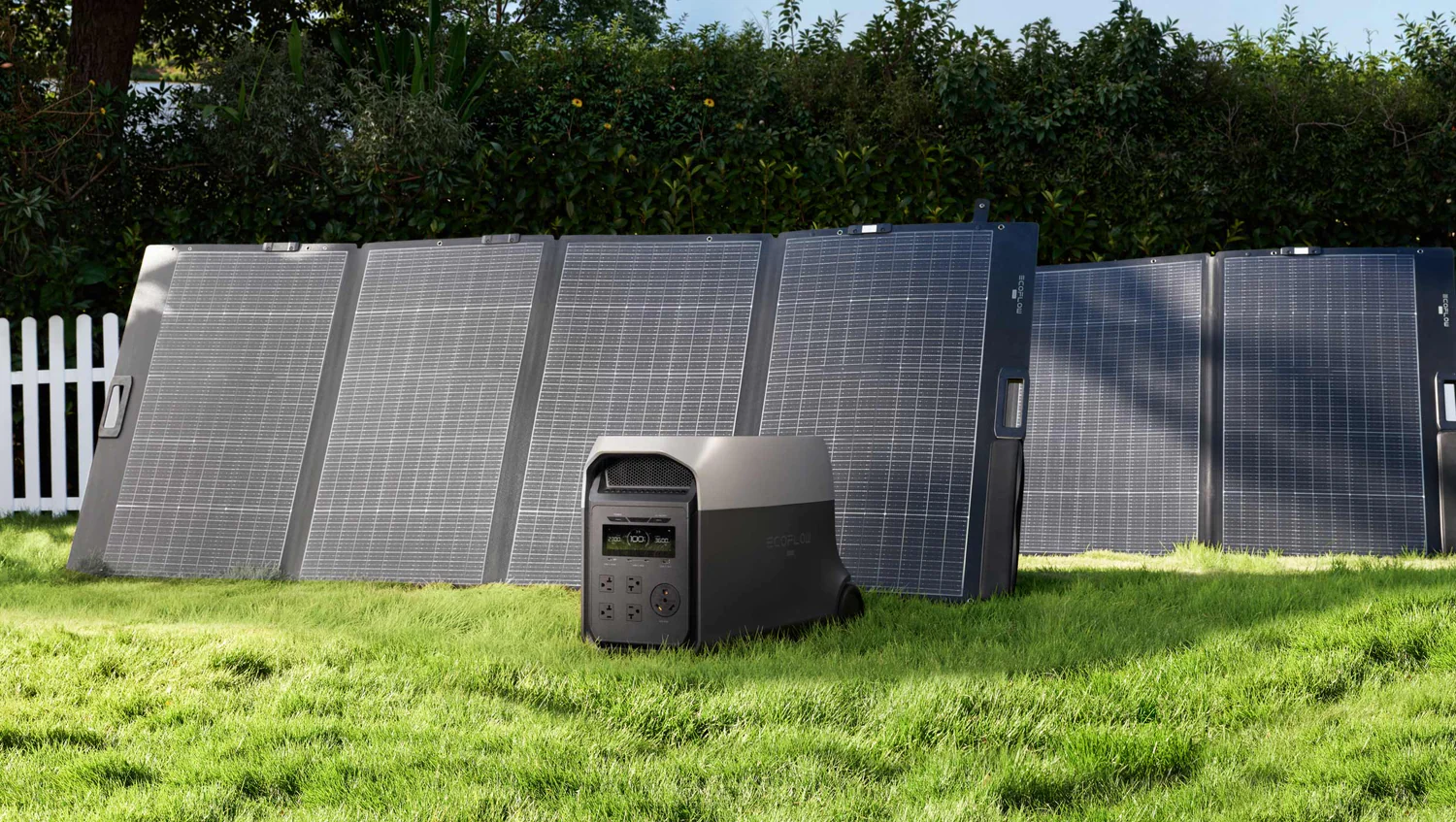
The EcoFlow DELTA 3 Max (2048Wh) + 400W Solar Panel serves as an excellent low-barrier, portable setup for this scenario. Without noticeably increasing your primary household solar power cost, this versatile combination delivers flexible, reliable backup power for essential appliances. By keeping it charged via its dedicated solar panel, you can help improve your home's self-sufficiency, reduce reliance on grid power during peak hours, and support more optimized long-term monthly utility usage.
High-Capacity Home Backup Systems
When your objective upgrades to more comprehensive home energy management, a larger-scale battery system can become an important part of a resilient setup. The value of a higher-capacity storage system lies in helping transform your solar installation from a passive generator into a more flexible, dispatchable energy source for the home.
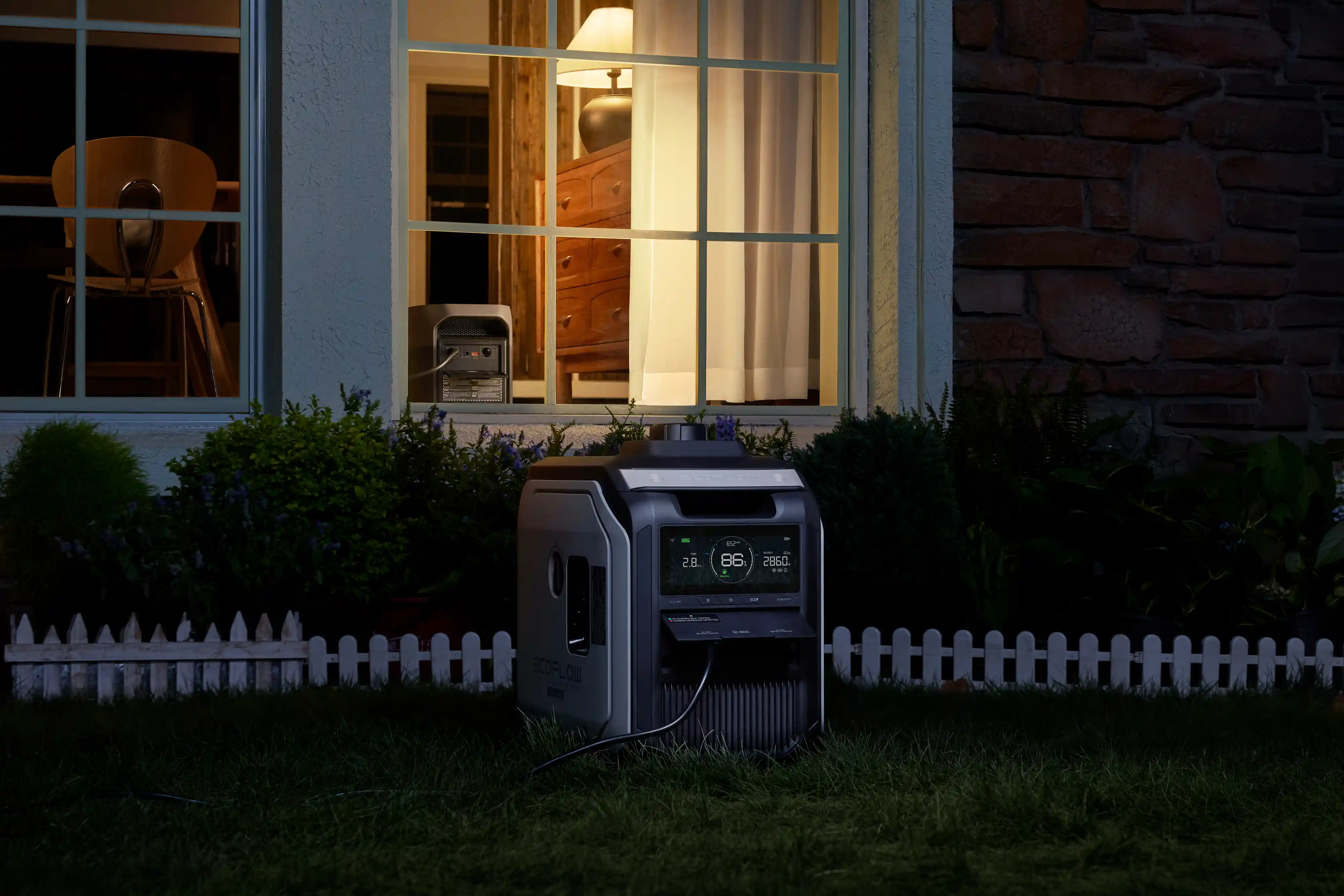
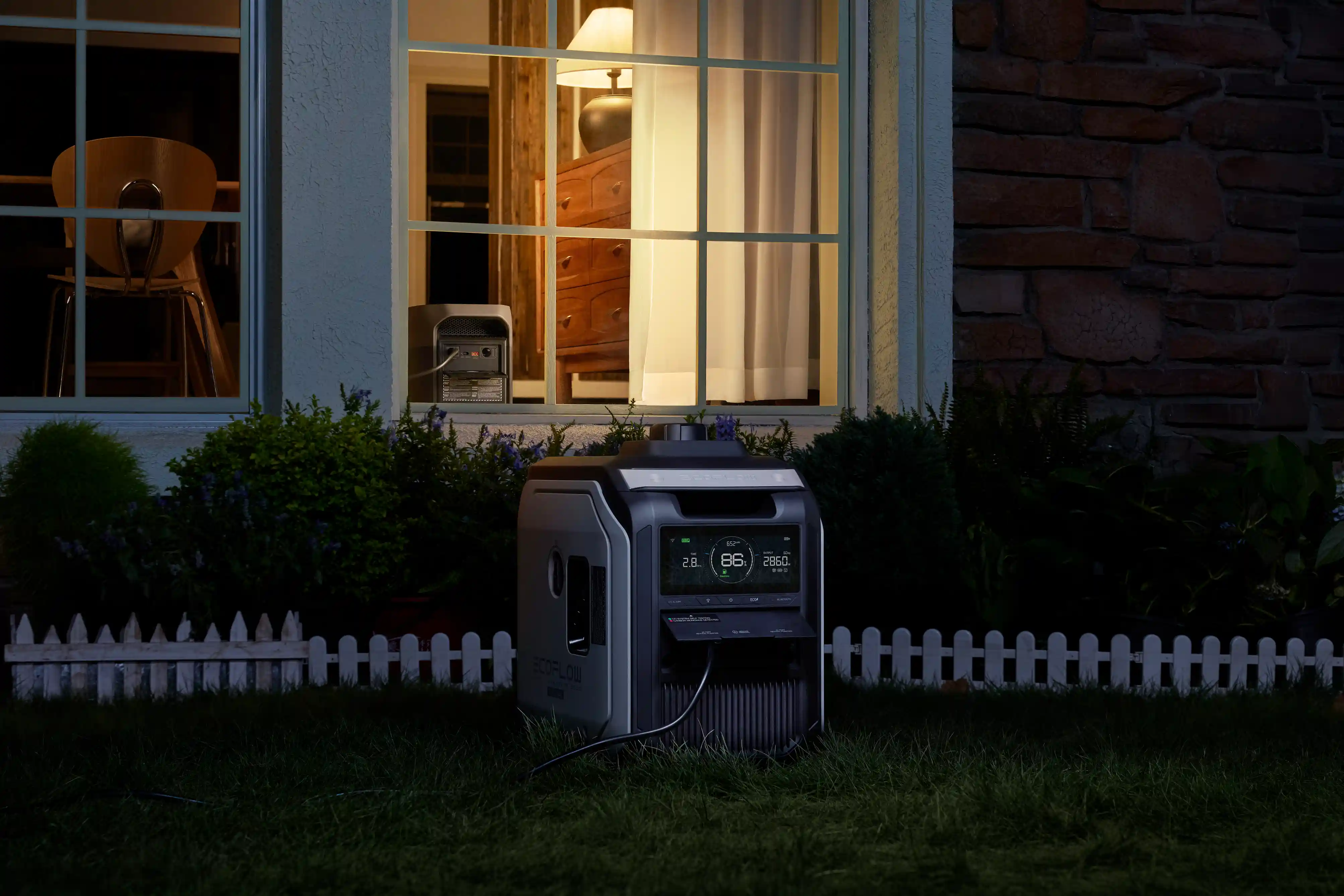
In this application scenario, the EcoFlow DELTA 3 Ultra + 400W Solar Panel can serve as part of a higher-capacity home backup setup when properly configured. During the day, the system can store surplus solar energy. When the sun goes down, it may help support household loads—such as lighting, kitchen appliances, internet equipment, and selected higher-demand devices depending on system configuration and usage. This approach can help reduce reliance on the grid and improve overall energy resilience during severe weather conditions, rather than fully replacing grid power.
Is Solar Power Worth It in Canada?
Despite the upfront hurdles, the math behind residential solar can be a financially attractive long-term investment for many Canadian homeowners, especially in areas with strong sunlight exposure and higher electricity rates.
Average Payback Period Under Canadian Conditions
Depending on your province's specific electricity rates and available incentives, the average payback period for a residential solar system in Canada ranges between 8 to 12 years. After the payback period, the system can continue generating savings for many years, although maintenance and equipment replacement costs should still be considered.
Long-Term Electricity Savings Over System Lifespan
Modern Tier-1 solar panels typically come with performance warranties of 25 to 30 years. Over a 25-year system lifespan, a typical Canadian household can save anywhere from $30,000 to more than $80,000 in electricity costs, depending on local utility rates, solar production, and net metering credits. In addition to reducing monthly energy bills, solar also provides a valuable hedge against future electricity price increases.
Situations Where Solar May Be Less Cost-Effective
Solar might not be the right choice for every single property. If your roof is heavily shaded by mature trees, faces entirely north, or requires an immediate full structural replacement within the next few years, it is often more sensible to address those environmental and structural issues before locking in an installation agreement. However, homeowners in these situations are not necessarily excluded from clean energy options. In many cases, a portable power station can offer a more flexible, plug-and-play alternative for essential backup power, without requiring a permanent rooftop installation.
Conclusion
Figuring out the real cost of solar for your home comes down to weighing the upfront investment against years of steady, predictable savings on your hydro bill. Choose quality panels, pair them with the right storage—whether supplemental or high-capacity, like what EcoFlow offers—and take full advantage of Canadian rebates and incentives. Done right, you're turning your property into a highly resilient power source that pays off for the environment and your bottom line, year after year.
FAQ
How Many Solar Panels Does It Take to Run a House?
With today's high-efficiency panels, most Canadian homes need between 15 and 25 solar modules to cover their annual electricity use. Premium panels now commonly deliver 400W to 500W each, so you don't need as many on your roof as you would have a few years ago to reach a standard 8 kW to 10 kW system. The final number still comes down to your household's yearly kilowatt-hour consumption and how much direct, unshaded sun your roof gets over the course of the year.
Can I Power My Home with a Solar System Alone?
Yes, you can power most household needs in many cases, depending on system size, but you will need an integrated battery storage system to keep the lights on overnight or during prolonged cloudy weather. Without a reliable battery bank to store daytime surplus power, you will still need to remain connected to the local utility grid to draw electricity when the sun isn't shining.
Can I Run My AC All Day with Solar?
Yes, you can run your air conditioning on solar power during the day, provided your system is sized correctly to handle the high starting and running wattage of cooling units. Because AC usage peaks during the sunniest parts of the day, it often aligns well with maximum solar generation hours, making it particularly efficient during daytime hours when supported by robust setups.
How Long Does It Take to Install Solar PV Panels?
The physical on-site installation of residential solar panels usually takes just 1 to 3 days to complete. However, the entire end-to-end process—including custom engineering designs, municipal building permits, utility approvals, and final grid connection inspections—can take anywhere from several weeks to a few months.
Can I Buy My Own Solar Panels and Install Them Myself?
While you can technically purchase DIY solar kits, it is highly recommended to hire certified professionals for installation due to complex building codes and electrical safety risks. Furthermore, most Canadian utility companies and government rebate programs typically require systems to be installed by a licensed electrician to qualify for grid interconnection and financial incentives.
Do Solar Panels Increase Home Value?
Yes, multiple real estate studies show that homes equipped with owned solar panel systems sell faster and at a premium compared to homes without them. Buyers see immediate value in the drastically reduced monthly utility costs, making solar power a solid investment that enhances your property's long-term marketability.