Essential Home Safety Hacks for the Next Wind Chill Warning
Winter in Canada has a way of testing even the most prepared households. Our northern latitude means we’re regularly exposed to powerful Arctic air masses that can turn an ordinary cold snap into a serious safety concern. When Environment Canada issues a wind chill warning, it’s more than just a reminder to bundle up, it’s a clear signal that conditions are dangerous enough to pose real risks, from frostbite and hypothermia to frozen pipes and strain on home heating systems. This guide breaks down what these warnings actually mean, explains the practical “4 P’s” of winter safety, and offers a straightforward checklist to help Canadian households stay protected when extreme cold sets in.
What Causes a Wind Chill Warning?
Knowing why a wind chill warning is issued makes it easier to decide what needs attention first at home. These alerts aren’t casual advice to dress warmer. They’re based on clear thresholds showing that exposed skin can freeze in minutes, making conditions dangerous very quickly if precautions aren’t taken.
1. Heat Loss from Strong Winds
From a weather science perspective, wind plays a huge role in how cold things actually feel. Strong winds strip away the thin layer of warm air that normally sits on the surface of your skin, or the outside of your home, through a process known as forced convection. When winds stay high for hours, heat is lost much faster, causing a sharp drop in perceived temperature. That rapid cooling is often what pushes conditions into warning territory.
2. Dangerous Temperature and Wind Combinations
It’s not just how cold it is, it’s how cold it feels once the wind is factored in. Environment Canada watches for situations where low temperatures and strong winds line up in a way that becomes genuinely dangerous. That combined effect is measured using the wind chill index, which reflects how quickly the body loses heat when skin is exposed.
As an example, an air temperature of -20°C with winds around 30 km/h can feel closer to -32. In those conditions, exposed skin can freeze in as little as 10 to 30 minutes. Once things reach that point, the risk is no longer theoretical, which is why formal wind chill warnings are issued to prompt people to limit exposure and take precautions.
3. Arctic Air Mass Intrusions
Many of Canada’s coldest stretches are caused by large Arctic air masses, often referred to as polar vortex events. These dense, high pressure systems slide south from the North Pole and can park themselves over a region for days. Once they settle in, daytime temperatures struggle to recover, increasing ongoing risks for people, pets, and home heating systems. This prolonged exposure is why some wind chill warnings last much longer than a single day.
4. Dry Air and Evaporative Cooling
Arctic air is also extremely dry, because cold air can’t hold much moisture. This dryness speeds up evaporation from your skin and lungs, and evaporation is a cooling process. As a result, your body loses heat faster than expected, creating that sharp, stinging sensation many Canadians recognize during extreme cold. Wind chill warnings help alert people to this hidden heat loss, encouraging proper coverage and protection before heading outdoors.
4 P's You Need to Know in Freezing Weather
When extreme cold is on the way, Canadian safety officials often come back to the same simple checklist: the 4 P’s. It’s an easy way to make sure the most vulnerable parts of daily life are taken care of before conditions worsen, especially when time is limited and temperatures are dropping fast.
1. People: Limit Outdoor Exposure and Stay Safe
During a wind chill warning, the safest place to be is indoors. Make sure your heating system is working properly and take a moment to check in on elderly family members, neighbours, or anyone living alone who may need extra help. If you do have to go outside, dress in loose layers that trap heat effectively. Start with a moisture wicking base layer, add an insulating layer like fleece or wool, and finish with a windproof, waterproof outer shell to block the cold.
2. Pets: Keep Them Warm and Protected
A good rule of thumb is this: if the ground feels too cold for your hand, it’s too cold for your pet’s paws. When a wind chill warning is in effect, outdoor time should be limited to short bathroom breaks. Pets with short fur or low body fat are especially vulnerable to hypothermia. Once they’re back inside, check their paws carefully, as ice melt chemicals on sidewalks and driveways can irritate skin and cause painful burns.
3. Pipes: Prevent Freezing and Bursting
Frozen pipes are one of the most expensive winter problems homeowners face. Water lines in unheated areas like basements, crawlspaces, or attics should be wrapped with foam insulation. Opening cabinet doors under sinks helps warm air reach the plumbing. In especially cold conditions, letting a faucet drip slightly can relieve pressure in the pipes and reduce the risk of bursting when temperatures drop overnight.
4. Plants: Shield Them from Wind and Cold
Strong winter winds can damage even hardy Canadian plants by drying them out, a problem often called winter burn. Move potted plants into a garage or basement if possible. For outdoor shrubs, breathable burlap wraps work well as wind protection. Avoid plastic coverings, which trap moisture and freeze overnight, often causing more harm than good to delicate plant tissue.
Emergency Preparation Checklist Before a Wind Chill Event
When a wind chill warning is issued, the window to prepare closes quickly. A clear checklist can be the difference between riding out the cold comfortably and dealing with a serious emergency. Taking a few steps ahead of time helps ensure your home stays warm, safe, and functional even if conditions worsen overnight.
1. Stocking Essential Supplies
A well prepared winter kit is your first layer of protection. Focus on practical items that support warmth, hydration, and awareness. Keep high calorie, non-perishable foods on hand, things like canned meals, nut mixes, or energy bars, and plan for at least four litres of water per person per day. Add a manual can opener and a battery powered weather radio so you can stay informed if internet or mobile service becomes unreliable. Flashlights with fresh batteries should be easy to find, not buried in a drawer, in case extreme cold leads to a power outage.
2. Equipment and Home Environment Check
In Canada, a proactive home check starts with securing your thermal envelope, inspecting windows for drafts and refreshing weatherstripping. You should also verify that other essential daily equipment, such as your furnace and water heater. Attention: one of the most critical vulnerabilities is the sudden loss of power. When the grid fails, your furnace fan cuts out, and the house's internal temperature drops toward the freezing point within hours.
To avoid this life-threatening risk, a reliable backup strategy must move beyond small portable chargers to something capable of sustaining a household's core life-support systems. A truly dependable solution can carry the heavy load of heating and refrigeration for the duration of a storm.
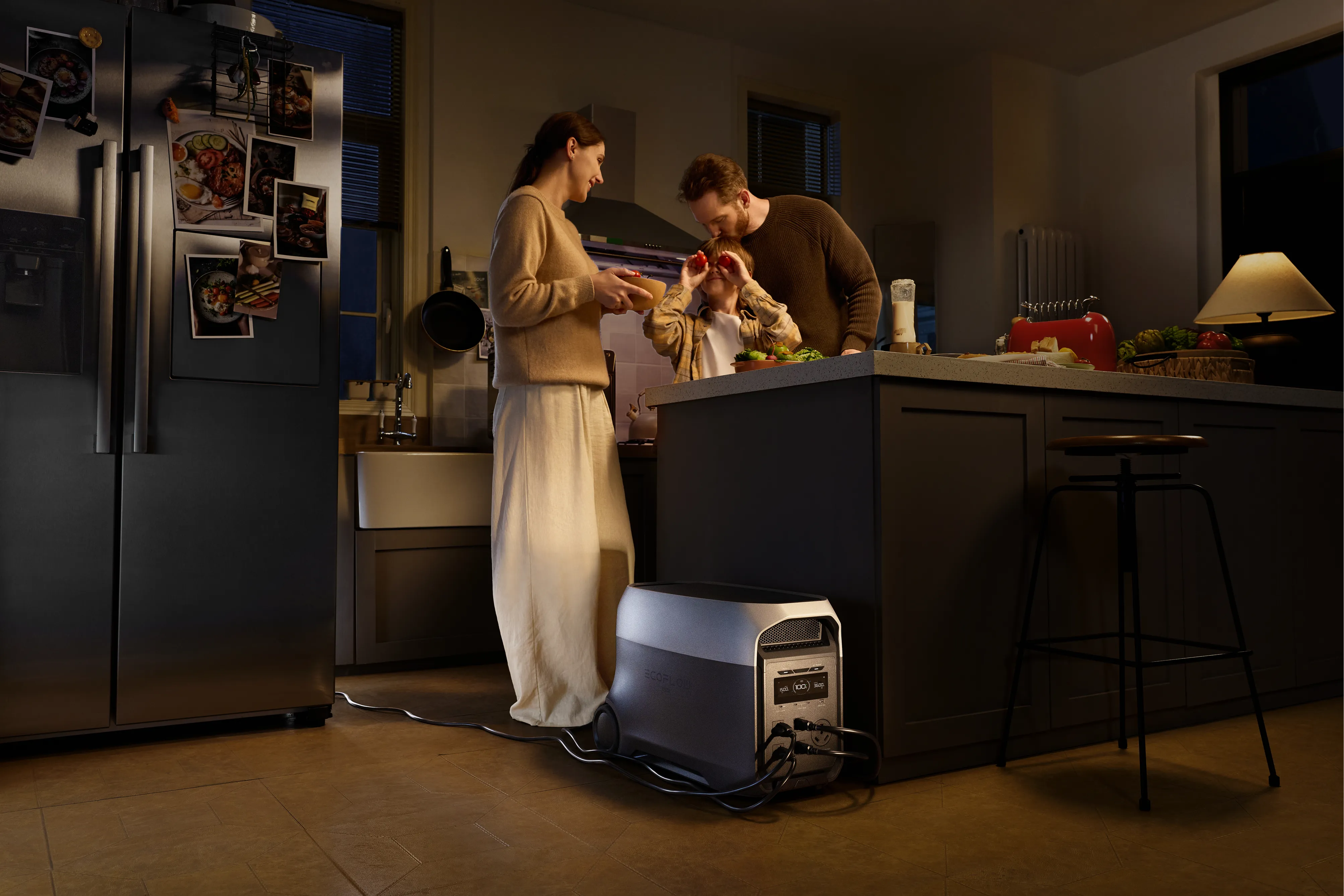
The EcoFlow DELTA Pro Ultra X Whole-Home Backup Power is exactly that kind of solution. Imagine a multi-day arctic freeze where power lines are downed by ice, yet your essential devices stay powered. Its massive 12–180kWh capacity keeps the furnace blowing and the kitchen running. Instead of a freezing emergency, your family can still gather for a hot meal in a bright kitchen and retreat to heated bedrooms. Your home remains a functional and comfortable sanctuary.
3. Information and Communication Preparedness
Keeping up with a fast changing wind chill warning depends on staying connected. Regular updates from Environment Canada and local emergency services can change quickly, so phones, laptops, and even your home Wi-Fi router must be fully charged and working properly before conditions worsen. Make sure emergency alerts are turned on, as they’re often the fastest way to learn about road closures, warming centres, or extended outages.
The challenge is that extreme cold often brings ice and strong winds with it, and those conditions frequently knock out power. That creates a real problem: just when you need weather updates or a reliable way to call for help, batteries start draining and connections drop. Having a dependable backup power option, such as the EcoFlow DELTA 3 Ultra Series Portable Power Station (3072Wh), helps bridge that gap. It gives you the flexibility to keep essential devices powered in different rooms, maintain internet access for alerts, and even run items like electric blankets overnight. With expandable capacity, it provides steady support so your household stays informed and connected until the cold wave passes.
4. Personal Protective Gear and Health Readiness
Cold weather readiness also means looking after your body. Keep chemical hand and toe warmers available for outdoor exposure, as they provide steady warmth for several hours. Update your first aid kit with Mylar emergency blankets, which reflect body heat effectively if primary heating fails. Finally, make sure essential medications are easy to access and keep extra thermal socks ready, protecting hands and feet is one of the simplest ways to reduce the risk of frostbite during extreme cold.
Emergency Response Procedures for Unexpected Situations
When a wind chill warning turns into reality, how you respond in the first few moments can make a real difference. Cold related emergencies tend to escalate quickly, so having a clear plan helps you stay calm and act with purpose rather than panic.
Frostbite and Hypothermia First Aid
Frostbite often starts subtly, with frostnip causing red, numb, or tingling skin. If an area becomes pale, white, or waxy, that’s a medical emergency and requires immediate hospital care. Hypothermia can be harder to spot, but common warning signs include the “umbles”: stumbling, mumbling, and fumbling. If you suspect hypothermia, get the person indoors right away, wrap them in dry blankets, and offer warm, non-alcoholic drinks if they are conscious, while waiting for medical help.
Heating, Water, Electricity, and Gas Failures
Extreme cold can disrupt utilities without much warning. Be ready with extra blankets, safe backup heating options, and enough drinking water to last at least a day or two. If you have a portable power source, use it to keep essential devices running or to prevent pipes from freezing. It’s also important to know where your gas shutoff is and how to turn it off safely if a line is damaged or you smell gas. Ensure your home heating systems are functioning properly and consider having a backup plan in case of failure.
Responding to Wind Chill Related Hazards
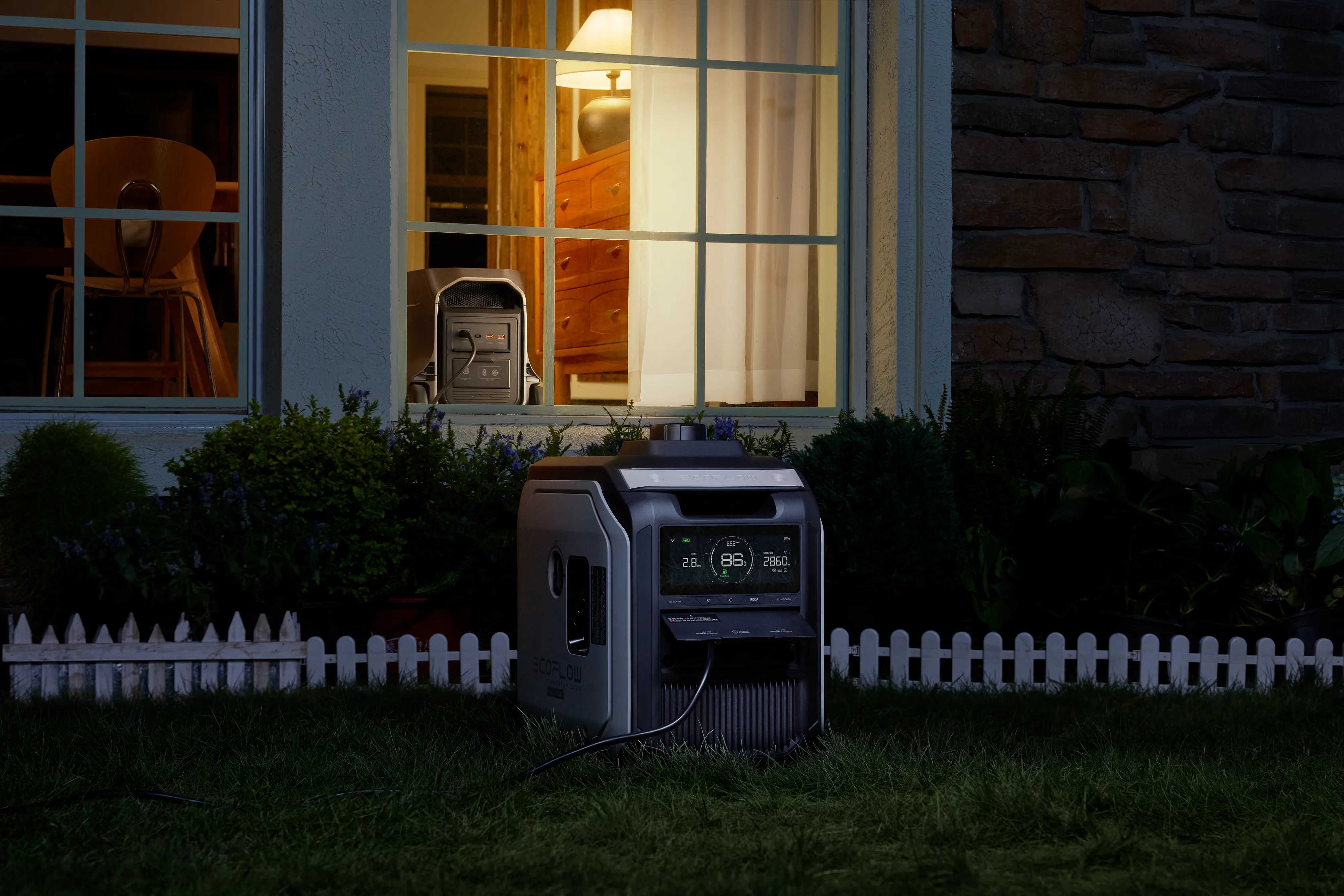
Carbon monoxide becomes a serious risk during winter storms. Make sure your CO detectors are working and have a house battery backup. Never use camping stoves, propane heaters, or generators inside your home or garage, even with doors or windows open. These devices can produce dangerous levels of gas in minutes. Any fuel burning equipment should be used outdoors only, with proper ventilation, to keep your household safe during prolonged cold events.
Conclusion
Getting through a wind chill warning in Canada comes down to preparation and a bit of forward thinking. When you’ve taken the time to check the 4 P’s and planned for how your home will stay warm and functional if conditions worsen, you remove much of the uncertainty that makes extreme cold stressful. A reliable backup power plan plays a big role in that, helping keep heat, lighting, and communication in place when the grid can’t be counted on. With the right steps taken ahead of time, and dependable options like solutions from EcoFlow available when needed, even severe wind chill doesn’t have to turn into a crisis. Instead, it becomes another winter evening spent indoors, warm, calm, and well prepared.
FAQ
1. What is the difference between a wind chill advisory and a wind chill warning?
A wind chill advisory is issued when conditions are cold enough to be uncomfortable and potentially harmful with prolonged exposure. It’s a signal to take precautions, dress properly, and limit time outdoors to avoid minor frostbite. A wind chill warning, on the other hand, indicates much more severe conditions. At that level, the combination of wind and cold creates a serious risk, with frostbite possible on exposed skin in under 10 minutes. Warnings are meant to prompt immediate action, not just caution.
2. How can you protect your home during extreme cold weather?
Protecting your home during extreme cold starts with keeping heat inside. Seal drafts around doors and windows, refresh worn weatherstripping, and insulate pipes in unheated areas like basements or crawlspaces. Just as important is planning for power loss. A high-capacity portable power station as a backup solution, such as the EcoFlow DELTA Pro Ultra X, helps keep furnace fans and essential appliances running if the grid fails. That continued airflow and heat can prevent indoor temperatures from dropping to levels that risk both comfort and structural damage.
3. What can we learn from Calgary’s extreme wind chill events?
Calgary’s weather is a good reminder of how quickly conditions can change in Canada. Warm Chinook winds can raise temperatures suddenly, only to be followed by Arctic air that drives wind chills down within hours. These events show that winter preparedness shouldn’t be reactive. When temperatures can drop 20 degrees in a short span, having systems and habits in place ahead of time, rather than scrambling after a warning is issued, makes a real difference in home safety.
4. What temperature is dangerously cold for a house?
From a home protection standpoint, indoor temperatures should generally stay above 13°C (55°F) to reduce the risk of frozen pipes. Below that point, plumbing becomes vulnerable. For people, especially seniors, young children, or those with health conditions, temperatures below 16°C (61°F) can be unsafe if exposure is prolonged. Maintaining indoor heat during extreme cold isn’t just about comfort, it’s about preventing real health and property risks.
5. Will pipes freeze in an unheated basement?
Yes, they can. During a wind chill warning, unheated basements and crawlspaces often become the coldest parts of a house, even if the living areas upstairs still feel warm. These spaces lose heat quickly, especially if insulation is limited. Wrapping pipes with foam sleeves or heat tape helps, but backup heat matters too. Having the ability to run a small heater in these areas during a power outage can be the difference between intact plumbing and costly pipe bursts.