How to Set up the Perfect Camp Kitchen
- Choose the Ideal Location for Your Camp and Kitchen
- Organize Your Portable Camp Kitchen Station Efficiently
- Integrated Camping Kitchen Gear for Seamless Cooking
- Optimize Your Setup with Durable Nesting Kits
- Master Your Outdoor Cooking Experience
- FAQs
- Q1. What Is the Most Effective Way to Level a Camp Kitchen on Uneven Ground?
A well-organized camp kitchen transforms wilderness cooking from a chore into pure enjoyment. This guide covers everything you need to create a functional portable camp kitchen: choosing safe locations, arranging essential camping kitchen gear efficiently, and maintaining your camping kitchen set for long-term use. Whether you're a weekend camper or seasoned adventurer, mastering your camp and kitchen setup ensures every outdoor meal becomes effortless and memorable.
Choose the Ideal Location for Your Camp and Kitchen
The choice of a suitable location is a determinant of a successful outdoor meal experience. You should look for a location that provides a balance between convenience and environmental safety.
Safe Distance from Sleeping Areas and Wildlife
It is important that you look for a flat and hard ground that can support a lot of foot traffic without being eroded away. To follow Parks Canada safety guidelines, maintain a significant distance between your kitchen and tents. This prevents food flavour and scents from drawing curious wildlife, like bears, into your sleeping quarters. It is also important that you set up camp on a raised area that will prevent water from accumulating at your feet in case of rain.
Wind Protection and Fire Safety Zones
Wind is the nemesis of a well-functioning burner. You can set up your cooking area behind a natural wind block, such as a large rock, to protect the flame and keep the wind blowing through to preclude the possibility of carbon monoxide accumulation. Refrain from grilling in a closed vestibule because fuel burning needs adequate ventilation to remain safe.
Organize Your Portable Camp Kitchen Station Efficiently
Once your site is secured, the next step is transforming that space into a functional command centre. A dedicated portable camp kitchen provides a stable, ergonomic surface that mimics the flow of a residential kitchen, ensuring every tool has a designated home. Efficiency in the wild depends on this organized workspace, allowing you to spend less time searching and more time enjoying the scenery.
Ergonomic Workspace and Height Adjustment
Standard picnic tables are often too low for comfortable prep work, leading to back strain. A good portable camp kitchen allows you to change the surface height to a comfortable level for standing. This camp kitchen should consist of different compartments for a stove, cutting board, and drying rack to avoid contamination.
Vertical Storage and Tool Accessibility
Utilize vertical space to keep your counters clear of clutter. Many modern stations feature integrated hooks and shelving systems.
- Hang frequently used spatulas and tongs on side hooks.
- Place heavy cast-iron pans on lower shelves for stability.
- Keep paper towels and trash bags on a dedicated rod or loop.
- Store spice kits in eye-level pouches for quick seasoning.
| Component | Primary Function | Storage Benefit |
| Prep Surface | Chopping and assembling ingredients | Keeps food away from ground dirt |
| Side Table | Holds the stove or heat source | Separates fire from prep work |
| Under-shelf | Stores heavy pots and dry goods | Lowers the centre of gravity for stability |
| Wash Station | Sanitizing hands and utensils | Keeps hygiene tasks separate from food prep |
A well-organized table ensures that your workspace remains clean and functional throughout the entire duration of your trip.
Integrated Camping Kitchen Gear for Seamless Cooking
The right camping kitchen gear must be rugged enough to handle temperature swings and transport vibrations. Selecting pieces that serve multiple purposes will significantly reduce the bulk of your load.
Integrating your gear means ensuring every piece of equipment works in harmony. Your stove should fit your table, and your fuel source should be easily accessible but safely tucked away.
Stable Stove Placement and Reliable Electric Power
A professional setup balances traditional flame with modern energy. Begin by placing your stove on a heat-resistant, perfectly levelled surface. This ensures even heat distribution and prevents oil from pooling.
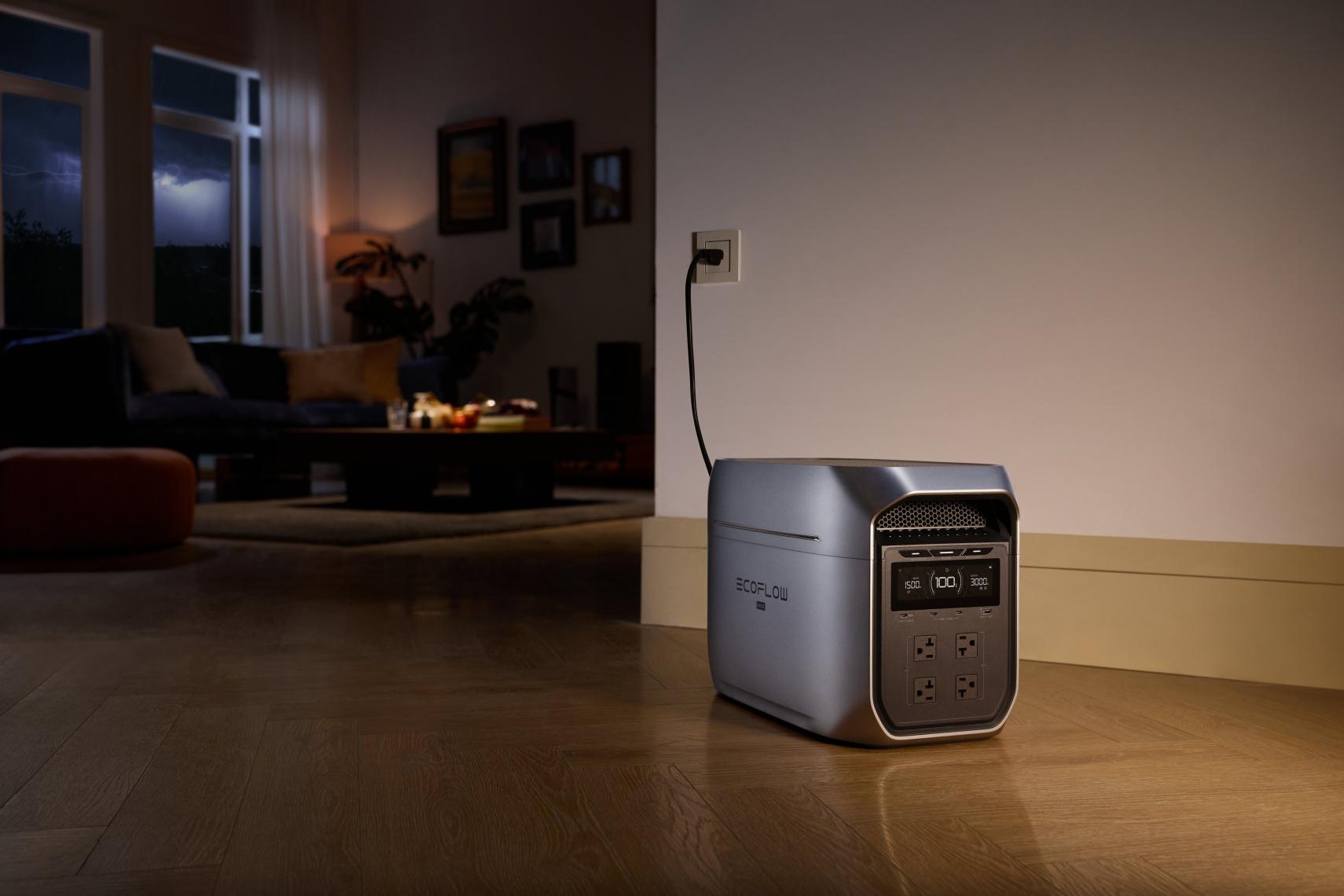
To truly elevate your culinary capabilities, integrate a portable power station for camping to manage energy-intensive tasks silently. A robust unit like the EcoFlow DELTA 3 Max Plus acts as a reliable energy hub beneath your prep station. Its substantial 2048Wh capacity is a significant advantage for Canadian campers because it maintains food at a consistent temperature in a portable fridge all weekend. This eliminates the inconvenience of melting ice and soggy food containers. Beyond refrigeration, this power source provides enough high-wattage output to run induction cooktops, electric kettles, or blenders simultaneously. This integration brings the precision of a residential kitchen to the most remote wilderness sites without the noise of a traditional generator.
Raw and Cooked Food Separation
Maintain a strict separation between raw meats and fresh produce to prevent cross-contamination. This habit is vital in the woods, where running water for deep cleaning is limited. Set up a small wash station nearby with biodegradable soap so you can sanitize your hands and tools immediately after use. Using colour-coded cutting boards within your camp kitchen setup makes this safety rule easy for the whole group to follow.
Optimize Your Setup with Durable Nesting Kits
Choose the equipment that is durable and compact so that you can turn your camping kitchen into an efficient workspace. This will make sure you have all the equipment you need without weighing you down with unnecessary gear.
Maximize Space with Nesting Cookware
Nesting designs allow smaller items to fit inside larger ones, drastically reducing the footprint of your camping kitchen gear.
- Select Durable Metals: Use anodized aluminum or stainless steel for fast heat conduction and scratch resistance.
- Focus on Portability: Choose pots and pans with folding or detachable handles to streamline your storage.
- Match Group Size: Verify your kit includes enough vessels to handle multi-course meals for your entire party.
Manage Maintenance and Sanitation Tasks
Consistent care of your camp and kitchen equipment prevents damage and keeps the wilderness environment pristine.
● Practice Eco-Friendly Cleanup: Use biodegradable soap and a collapsible basin to sanitize tools immediately after meals.
● Follow Disposal Guidelines: Protect the local ecosystem by straining food solids and pouring grey water at least 60 metres (200 feet) away from natural water sources.
● Prevent Gear Corrosion: Thoroughly dry all metal surfaces with a microfibre cloth before nesting pieces together to prevent rust during storage.
Master Your Outdoor Cooking Experience
An organized camp kitchen is the key to every successful wilderness adventure. By choosing the right location, organizing a portable camp kitchen, and investing in quality camp kitchen equipment, you can set up a camp kitchen that provides comfort and safety in the great outdoors. Your camp kitchen set is the focal point of every meal in the great outdoors. Ready to take your camp and kitchen game to the next level? Look for the right equipment and the right source of power to make a difference in your adventure.
FAQs
Q1. What Is the Most Effective Way to Level a Camp Kitchen on Uneven Ground?
Leg extensions that are adjustable are the best for stabilizing on a rocky surface. Without such furniture pieces, you can place flat stones or wood shims on the low spots until the surface is level. Using a level with a small amount of liquid is a great way to ensure even heating on your pans, as well as keeping the oil from flowing to one side.
Q2. How Can You Shield Your Portable Camp Kitchen from Rain?
It’s a good idea to have a waterproof tarp and some bungee cords handy at the top of your pack. When the rain comes, throw the tarp over your camp and tilt the edges down to shed water instead of letting it pool in the centre. This will help to keep your workspace dry and your stove ignition system from getting wet.
Q3. What Camping Kitchen Gear Is Essential for Bear Country?
In Canada, your storage system must focus on "scent-free" management. Store all food and "scentables" (like soap and toothpaste) in a hard-sided vehicle or a certified bear-resistant locker provided at most Provincial Park campsites. Your goal of outdoor management is the key here; make sure your surfaces are clean and wipe away all aromatic spices by placing them within airtight containers. Just ensure that you do not leave sponges or towels outside because they might hold the scent of food.
Q4. How Do You Extend the Life of Your Camping Cookware?
Moisture is the enemy. Thoroughly dry each item with a microfibre towel before packing. For those camping in humid regions like Ontario or the Maritimes, apply a thin layer of cooking oil to cast iron pieces to prevent rust during storage.