How to Power a Mobile Home in Canada: Grid, Generator, Solar, and Battery Backup
- What Is a Mobile Home?
- Single-Wide vs Double-Wide Homes: What Changes for Power?
- Mobile Home Power Supply Basics: What to Check Before You Choose a System
- Common Mobile Home Power Supply Options: Grid, Generator, Solar, and Power Station
- Why Home Battery Backup Is Often Best for Off-Grid or Frequent Outages
- How to Choose the Right Battery Backup for a Mobile Home
- The Most Practical Way to Power a Mobile Home in Canada
- FAQs
Power outages in Canada often arrive with cold weather, strong winds, or ice. When electricity drops, the first problems are practical: heat circulation, food safety, internet, and any pump tied to water or flooding. A reliable backup plan keeps those essentials running without creating electrical hazards. The best choice depends on your loads, your service voltage, and how long outages typically last where you live.
What Is a Mobile Home?
A mobile home is a factory-built dwelling designed to be transported to a site and set up for long-term living. Many are single-storey and arrive as one section or multiple sections that are joined on location. After installation and utility connections, it operates like other homes, with a breaker panel, branch circuits, and a mix of plug-in and hardwired appliances.
Single-Wide vs Double-Wide Homes: What Changes for Power?
A single-wide mobile home usually concentrates essential loads into fewer circuits. Double-wide mobile homes often have higher heating and cooling demand, more outlets, and sometimes additional 240V appliances. Those differences affect two numbers that drive every backup decision: peak power and daily energy.
Keep planning grounded by sorting loads into groups that reflect real outage priorities:
- Heat support: furnace blower, heat pump air handler, circulation pumps, or a one-room heating plan
- Cold storage: fridge, freezer
- Water and safety: well pump, sump pump, smoke and CO alarms (battery-backed units still need attention), security system
- Communications: modem, router, phone charging
- Cooking: one practical option that fits your backup limits
Most Canadian homes have both 120V and 240V circuits. If a 240V appliance must run during an outage, that requirement shapes the system choice and the installation approach.
Mobile Home Power Supply Basics: What to Check Before You Choose a System
A quick check at home makes sizing and compatibility much easier, especially around 240V loads and motor start-up surges.
Essential Loads and the Circuits That Feed Them
List the items that protect health and basic living, then connect each item to a circuit. Refrigeration, basic lighting, communications, medical devices, and water-related equipment are common essentials. Comfort loads are easy to add later, so they do not need to drive the first purchase.
Voltage Requirements
Confirm which essentials are 120V and which are 240V. Many ranges and dryers use 240V, and some pumps or HVAC components do as well. If a 240V circuit is essential, the system needs a split-phase output and a transfer method designed for that service.
Motor Startup Surges
Pumps and compressors can draw a short surge when they start. A system that looks fine on steady watts can still struggle at startup. When comparing options, check continuous output and surge capability.
Breaker Panel Clarity
Circuit labels matter. Clear labels make selective backup practical and reduce the chance of powering the wrong loads. If the directory is inaccurate, a one-time circuit mapping is worth the cost in time and peace of mind.
Backup Style: Plug-In vs Circuit-Backed
Two styles cover most households:
- Plug-in backup powers selected devices at outlets, usually through a power station and careful cord management.
- Circuit-backed backup keeps selected household circuits energized through a code-compliant transfer setup.
Circuit-backed designs usually feel smoother during a long outage, especially for hardwired loads. Plug-in designs can be effective for essentials and cost less upfront.
Common Mobile Home Power Supply Options: Grid, Generator, Solar, and Power Station
In many parts of Canada, outages vary from brief flickers to multi-day storms. The right backup setup depends on your local outage reality and the few loads that matter most when the power is out.
Utility Grid
The grid is still the default power source. Your local outage history matters here. Short outages may justify a small, quiet backup. Longer outages often justify storage plus a way to recharge.
Portable Generator
A generator delivers high output and can run heavy loads when sized correctly. It also brings requirements that cannot be ignored: fuel storage, routine maintenance, and strict outdoor operation for safety. Noise can become a real constraint in close communities, and cold-weather starting performance varies by model and upkeep.
Solar (PV)
Solar can provide quiet energy during daylight and reduce dependence on delivered fuel. Canadian winter conditions affect output. Short days, storms, and snow cover can limit production for stretches. Solar works best when the design expects seasonal swings and includes a backup charging path for long storm periods.
Power Station
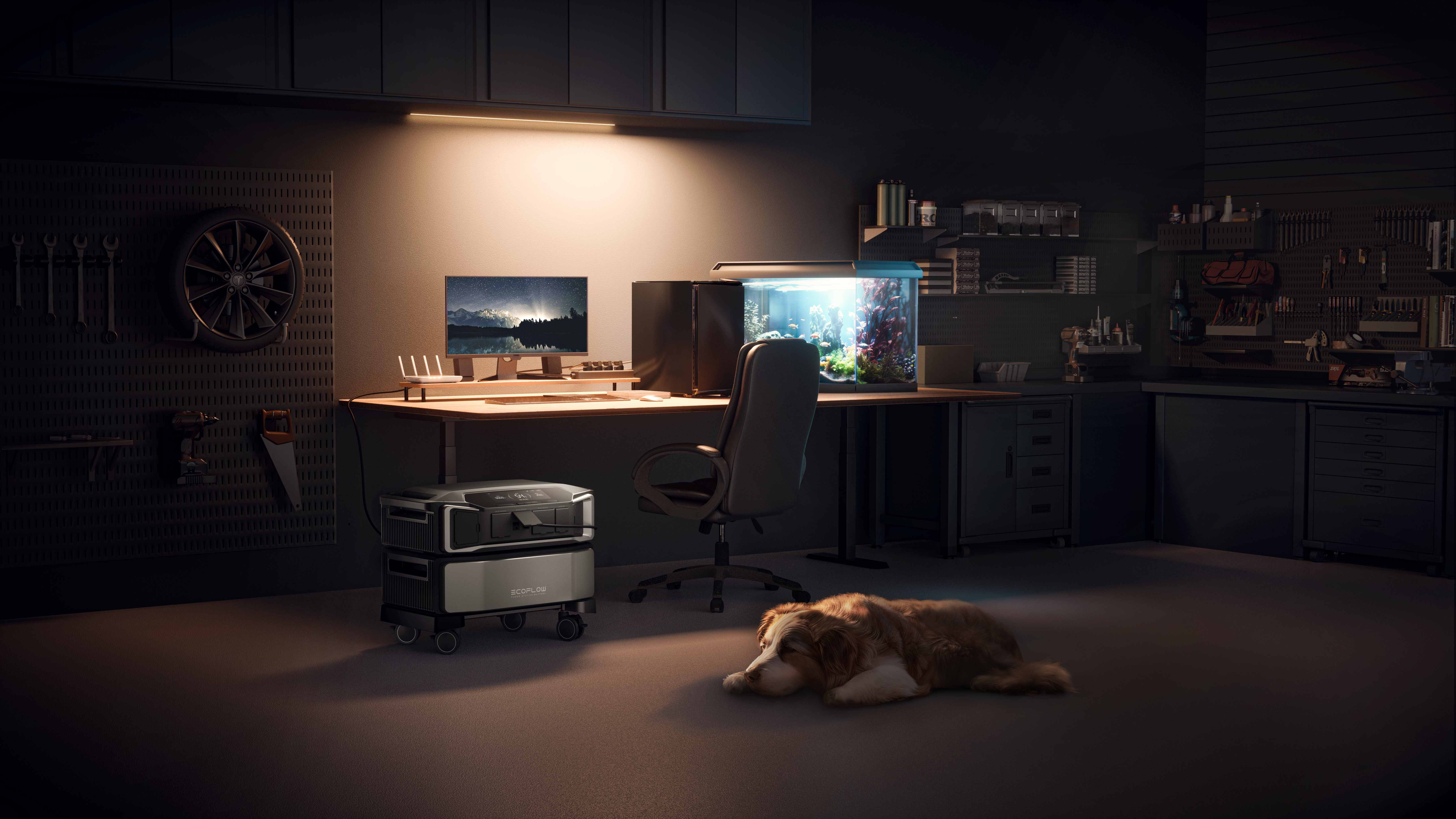
A portable power station is a battery-based unit built for portable backup. It works well for refrigeration, communications, lighting, and device charging. Runtime depends on battery size and the loads connected. Recharging can come from wall power after the grid returns, solar input, or generator charging.
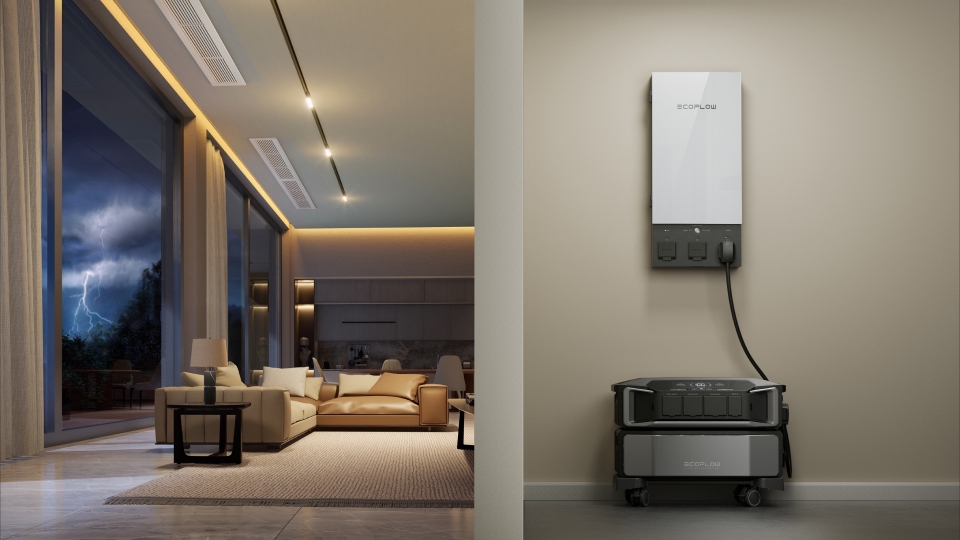
When outages are frequent, or you want a more “house-like” experience without interruption, stepping up to a whole-home system can make daily life easier. EcoFlow DELTA Pro Ultra Whole-Home Backup Power offers online UPS with 0-ms downtime, helping sensitive electronics stay on seamlessly when the grid drops.
Home Battery Backup
A home battery backup system can keep selected circuits running with less hands-on work during an outage. Because it connects to household wiring, it typically involves a licensed electrician and local inspection steps. Recent editions of the Canadian Electrical Code include specific rules for residential energy storage, so it is best treated as a proper electrical installation rather than a do-it-yourself add-on.
Why Home Battery Backup Is Often Best for Off-Grid or Frequent Outages
Frequent outages tend to expose the same weak points: overnight operation, noise fatigue, and the need to manage fuel repeatedly. Battery backup addresses those points directly. It runs quietly, it supports stable power for essentials, and it can keep key circuits steady without constant attention.
Battery storage also fits well into a hybrid setup:
- Solar plus battery: solar contributes energy when conditions allow, then the battery carries essentials after sunset.
- Generator plus battery: the generator can recharge the battery in shorter runs, then shut down while the battery supplies steady loads.
That pairing can reduce generator runtime and fuel use while keeping reliability high.
How to Choose the Right Battery Backup for a Mobile Home
Battery selection comes down to three decisions: how much energy you need, how much power you need, and how you will recharge during a long outage. Getting those three right keeps the system useful in real conditions.
Step 1: Size Energy for the Hours You Need
Energy sizing focuses on runtime. Use appliance labels or manuals to find watts, then calculate:
- Wh = W × hours
- kWh = Wh ÷ 1,000
For devices labeled in amps, convert first: W = V × A. Many plug-in loads are 120V, while some appliances and equipment use 240V. For Canadian winters, leave extra capacity because heating runtimes can increase in cold spells, and real-world conversion losses mean usable energy is typically lower than the headline number.
Step 2: Size Power for Peak Demand and Startup Surges
Power determines what can run at once and whether motors can start reliably. A system can have plenty of kWh and still fail if the output is too low.
Check three things:
- Simultaneous use: fridge plus blower plus lights plus internet gear is a common baseline.
- Motor starts: pumps and compressors may need higher surge capacity.
- Hardwired loads: some equipment cannot be powered safely through cords and needs a circuit-backed setup.
Step 3: Decide if 240V Backup Is Required
If a 240V circuit must run, look for a split-phase output and plan for a proper transfer connection. If essentials are all 120V plug loads, simpler approaches remain available and can still be very effective.
Step 4: Choose the Connection Style That Fits Your Home
Plug-in backup is flexible and quick to use, especially for a smaller essential set. Circuit-backed backup feels cleaner during long outages because essential circuits stay powered without moving cords and rearranging loads. For many households that rely on a furnace blower, a well pump, or other hardwired equipment, circuit-backed designs are often the practical route.
Step 5: Plan Recharging for Multi-Day Outages
A battery without a recharge path works for short events. A battery with a recharge plan handles multi-day conditions.
Common recharge paths:
Wall charging after the grid returns
Solar charging when site conditions allow
Generator charging during long storm periods
Placement matters too. Choose a location that stays within operating temperature guidance and remains accessible during snow conditions.
The Most Practical Way to Power a Mobile Home in Canada
A practical plan covers essentials first: refrigeration, basic lighting, communications, and any water or safety equipment you rely on. A power station fits short outages and quiet indoor use. Home battery backup fits frequent outages and off-grid living, especially when solar support or generator charging is available. Confirm 240V needs early, because that decision drives system type and installation approach. Once your essential loads and runtime target are clear, the best option becomes easier to choose and easier to live with.
FAQs
Q1: Can I use backup power indoors?
Yes, if it’s battery-powered and the manual says it’s safe indoors. Power stations and home battery packs can be safely indoors if they have enough clearance and ventilation. No, for fuel generators. Gasoline, propane, and diesel generators cannot be used indoors because the exhaust can build up and create a carbon monoxide hazard.
Q2: Do I need an electrician to add backup power?
No, for plug-in backup. Yes, for anything that feeds power into household circuits. Charging a battery unit from a normal outlet is a DIY task. Powering lights, furnace equipment, or outlets through the panel requires a code-compliant transfer method (such as a transfer switch or approved interlock) installed by a licensed electrician to prevent backfeed and wiring hazards.
Q3: Will a battery backup work in Canadian winters?
Yes, provided you do it within its temperature range. Cold can impair its performance, and it can stop charging at certain cold temperatures. Place it in a location where temperatures are moderate and there is adequate ventilation as required. If you are storing it in an unheated location, it is a good idea to check its manual for cold-weather charging and storage tips.
Q4: Can I use a dryer outlet or any other wall outlet to power my house?
No. Using an outlet to “feed” your home can cause backfeed, energize circuits you did not intend to power, and even send electricity back toward the grid, creating serious shock and fire risks. If you want to power household circuits, use a code-compliant transfer solution installed by a licensed electrician so the backup source is safely isolated.
Q5: What type of power source is better suited for frequent short power outages, a generator or a battery?
A battery system is better suited for daily use, as it is easier, quieter, requires less daily attention, and can supply power immediately. A generator can be a better option when you need a lot of power or long-running power, but it requires fuel, requires more maintenance, and must be placed outdoors.