How to Upgrade or Expand Your Solar System
- What to Know Before You Expand a Home Solar System
- How to Evaluate Your Existing Solar Power System
- How to Add More Solar Panels to Your Solar System for Home
- Why Upgrading Inverters and Components Matters
- What You Should Know About Battery Storage and Backup
- How to Maximize Savings and Incentives with a Home Solar Panel System
- How to Maintain and Monitor an Expanded Solar System
- Build a Scalable System
- FAQs
If your energy bills are increasing again or if you want to be less dependent on the grid, upgrading your setup is a good idea. A home solar power system that worked well five years ago might need some work now because technology changes and people's needs change. Updating your array ensures you get the most out of every ray of sunshine, whether you need more power, better storage, or smarter tracking.
What to Know Before You Expand a Home Solar System
Life rarely stays static, and your energy consumption likely reflects that reality. Before you start buying new equipment, it is vital to pinpoint exactly why your current setup is falling short. Understanding the root cause of your energy deficit helps you choose between adding more generation capacity or simply managing your current power better.
New Power Demands
Most homeowners look into expansion because their lifestyle has shifted. Perhaps you have transitioned to a remote work setup, running computers and climate control all day. Maybe you welcomed a new family member, or you finally bought that electric vehicle you had been eyeing. These additions significantly increase the load on a home solar system. If your system was sized perfectly for your life in 2018, it is likely undersized for your life today.
Technological Leaps
Solar tech moves fast. Panels available today are vastly more efficient than those from a decade ago. While older panels might convert 15% of sunlight into electricity, modern options often exceed 22%. This means you can generate more power in a smaller footprint. Upgrading is all about quality rather than quantity. You might find that replacing a few older components yields better results than simply tacking on more of the same older technology.
Seasonal Performance
If you're expanding in a northern climate, winter performance deserves attention. Solar panels actually work more efficiently in cold temperatures, but shorter daylight hours and lower sun angles can reduce winter output by 40-60%. Snow accumulation can temporarily block production, though panels often shed snow naturally due to their smooth surface and heat generation. When calculating your expansion needs, base your sizing on annual production rather than just summer peaks to ensure year-round coverage.
How to Evaluate Your Existing Solar Power System
You need a clear picture of your current system’s health before you can build upon it. Adding new components to a failing infrastructure is a recipe for inefficiency and wasted money. A thorough audit protects your investment and highlights whether an expansion or a repair is the right first step.
Analyze Historical Output: Look at your monitoring data from the last two years. Has production dipped significantly? A steady decline is normal, but a sharp drop suggests equipment failure rather than just insufficient size.
Inspect Physical Condition: Check for physical damage on panels, loose racking, or exposed wiring. If your roof needs replacing soon, you should handle that before expanding your array.
Inverter Capacity: Your inverter has a maximum load it can handle. If you have a 5kW inverter and 5kW of panels, you cannot simply add more panels without also replacing the inverter.
Roof Real Estate: Do you actually have space for a solar system for home expansion? If your south-facing roof is full, you might need to consider east or west-facing planes, which will require different calculations for expected output.
How to Add More Solar Panels to Your Solar System for Home
Expanding an array requires careful electrical matching to ensure the new and old hardware operate compatibly. Mismatched components can drag down the performance of the entire system to the level of the lowest-performing unit.
The Challenge of Compatibility
Mixing different brands or generations of panels can cause "clipping" or voltage issues. If you wire a new, high-current panel in series with an old, low-current panel, the new panel will be throttled down to the old panel's limits. To avoid this, installers often create a separate array for the new panels. This "parallel" approach allows your new home solar panel system expansion to operate at peak efficiency without being held back by the legacy equipment.
Aesthetic and Structural Considerations
While performance is paramount, aesthetics are also important. New panels likely won't look identical to your old ones. They might have black frames instead of silver, or a continuous cell design rather than a grid. Grouping new panels together on a different roof plane can maintain a cleaner look. Furthermore, you must verify that your roof's structural integrity can support the added weight. Local building codes may have updated since your first install, requiring structural reinforcement for the new sections.
Why Upgrading Inverters and Components Matters
The inverter is the brain of your operation, converting DC power from the panels into the AC power your house uses. Old inverters are often the bottleneck in a growing system. Swapping out an aging unit for a modern smart inverter or microinverters can unlock hidden potential in your existing panels while preparing you for future expansion.
Feature | Old String Inverters | Modern Smart/Micro Inverters |
Shade Tolerance | One shaded panel affects all | Panels operate independently |
Monitoring | Basic total output only | Panel-level detailed data |
Expandability | Limited by string size | Modular addition |
Safety | Basic grounding | Arc-fault protection & rapid shutdown |
*Note: Performance characteristics are based on typical industry equipment and may vary by specific model and installation conditions.
Upgrading to a solar power system for home setups with microinverters allows each panel to work independently. This is ideal for expansions because it eliminates the mismatch issues between old and new panels. Even if your old panels degrade faster, they won't drag down the performance of your brand-new additions.
What You Should Know About Battery Storage and Backup
For many homeowners, adding battery storage is one of the most valuable upgrades you can make. It turns your system into a reliable backup solution and also a way to cut down on bills. The grid infrastructure is facing increasing strain in many regions, so having a backup plan is important to make sure your lights stay on and your food stays cold during blackouts.
Gaining Energy Independence
Batteries let you save the extra power you make during the day so you can use it at night. For those whose utility company has switched to Time-of-Use rates, this is very important because energy costs more at night. You will save a lot more money if you use your saved power during these busy times. Traditional battery retrofits, on the other hand, can be hard to do because they need expensive permits and reworking of your main electrical panel.
Simplifying Backup Power
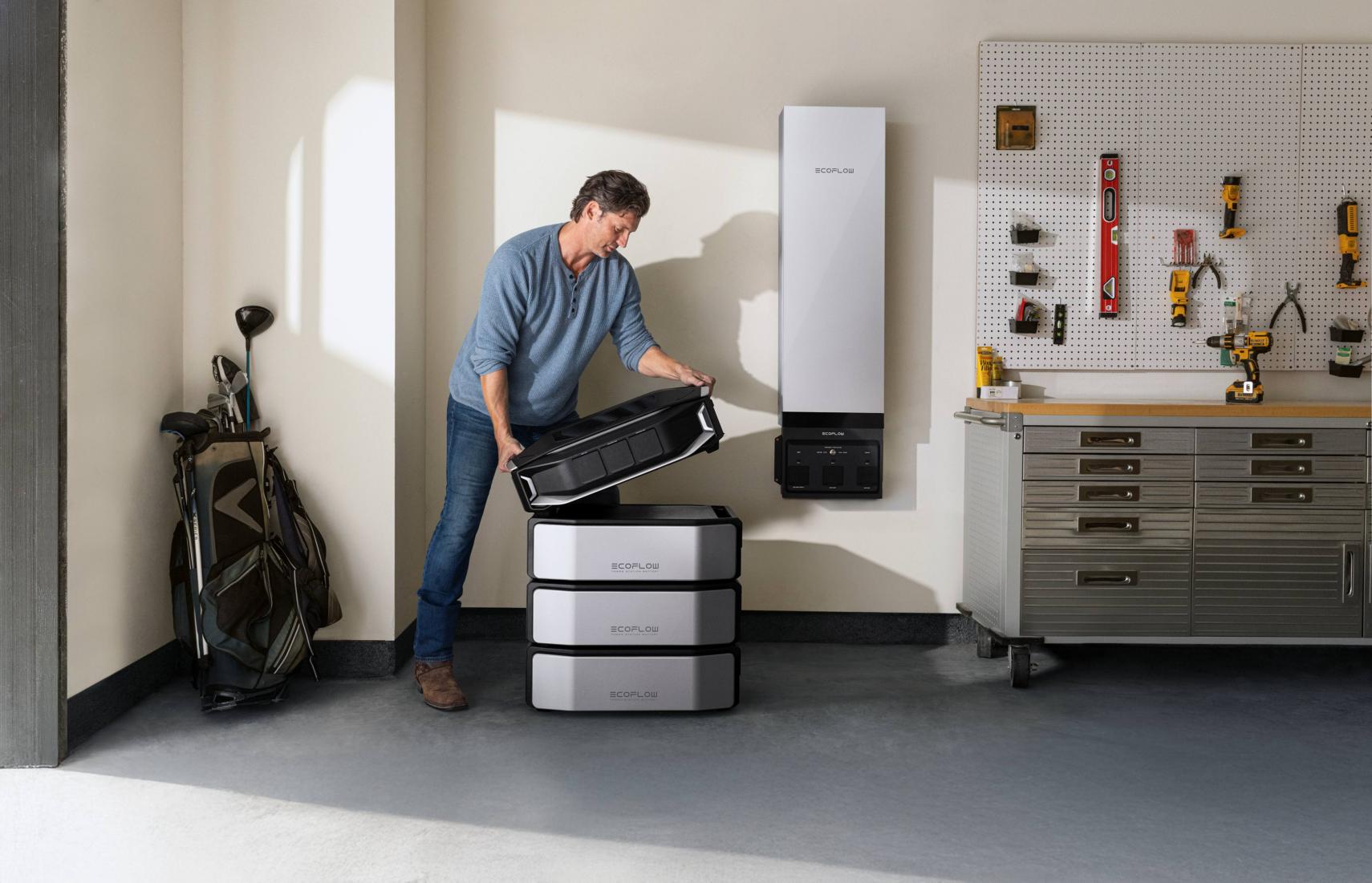
Unlike complex custom retrofits, the EcoFlow DELTA Pro Ultra offers a practical backup solution. With a 7.2kW output (expandable to 21.6kW with three inverters), it can handle substantial household loads including central air conditioning. The system features automatic switchover under 20ms to help maintain power during grid failures. You can expand your storage up to 90kWh with multiple batteries, and connections can be made without specialized tools. The modular design allows you to start with a base capacity and add more batteries as your needs grow. The upgrade process is simplified because the system adapts to your requirements. You can begin with standard capacity and expand later without extensive rewiring or additional electrical work. This type of solution helps manage home energy use more effectively, allowing you to shift consumption to avoid peak rates and maintain essential functions during outages, without the complexity that often comes with custom battery installations.
How to Maximize Savings and Incentives with a Home Solar Panel System
Expanding your solar setup requires capital, but financial incentives can significantly soften the blow. Understanding the current landscape of tax credits and rebates is essential for calculating an accurate Return on Investment (ROI).
Provincial and Local Programs
Solar incentives vary widely by location. Here are some key programs in 2026:
- Ontario: Up to $5,000 for panels and $5,000 for batteries through the Home Renovation Savings Program. Cities like Toronto and Ottawa offer PACE financing up to $125,000.
- British Columbia: $1,000 per kW (max $5,000) for panels, plus $5,000 for batteries. Solar equipment is also PST-exempt.
- Alberta: Municipal programs offer $200-$750 per kW. CEIP financing provides long-term loans with a 10% upfront rebate.
- Prince Edward Island: $1,000 per kW (max $10,000) plus low-interest financing options.
Check with your local utility and municipality for current programs. Many areas offer property tax financing that makes upgrades immediately cash-flow positive.
Maximizing Self-Consumption
Net metering policies differ by province. Some offer 1:1 credit for exported power, while others pay significantly less than retail rates. This makes self-consumption critical—use what you generate rather than exporting it. If your utility charges Time-of-Use rates, battery storage becomes especially valuable. Store midday solar production and use it during expensive evening hours to maximize savings. Even without TOU rates, batteries protect against rising costs and provide backup during outages.
How to Maintain and Monitor an Expanded Solar System
Once your upgrade is live, vigilance ensures it keeps paying dividends. A larger system has more points of failure, but modern monitoring tools make oversight easier than ever.
- Unified Monitoring: If you have mixed equipment (e.g., an old string inverter and new microinverters), try to consolidate the data. Third-party energy monitors can clamp onto your mains and give you a total picture of consumption versus generation in one app.
- Regular Cleaning: With more panels, likely on different roof planes, debris accumulation varies. A solar power system for home usage loses efficiency when dirty. Check all arrays seasonally, as new placements might catch more leaves or dust than your original set.
- Professional Audits: Schedule a check-up every two to three years. Technicians can torque checks on electrical connections, which can loosen over time due to thermal expansion and contraction. This prevents "hot spots" that can damage panels or lead to fire hazards.
Build a Scalable System
Upgrading or expanding your solar array is a proactive step toward energy security and financial savings. By carefully evaluating your current gear, navigating compatibility issues, and leveraging modern storage solutions like the EcoFlow DELTA Pro Ultra, you can build a system that meets your evolving needs. Solar isn't a static purchase; it is a dynamic asset that should grow with you.

FAQs
Q1: Can I mix different brands of solar panels?
Yes, but you need the right tools for it. You can mix different types and wattages of panels without the weaker ones slowing down the new ones if you use microinverters or power optimizers. When using a string inverter, the panels usually need to be electrically matched for it to work well.
Q2: Will adding more panels void my current warranty?
It depends on how the expansion is performed. If the new installer harms the original electrical work or roof penetrations, the first company may not be able to stand behind their work. The equipment warranty on your old panels, on the other hand, is still good. If you can, it's best to use the original installer or a certified professional who knows how to work with old systems.
Q3: Do I need to upgrade my main electrical panel?
It depends on the scale of your expansion. If your new solar system for your home uses more backfeed current than your main breaker panel can handle, you may need to update your main panel or do a "line-side tap." An electrician will figure out your load to see if the new service panel can handle extra electricity.
Q4: How do I know if I need a battery or more panels?
If your bills remain high despite strong daytime solar production, you likely need battery storage to use that power during expensive evening hours. If your bills are high because you consume more power during the day than you generate, you need more panels. The best approach is to review your hourly usage data to identify the gap.