Why Is My Hydro Bill So High? The Real Causes and How Solar & Battery Storage Helps
- Why Is Your Hydro Bill Higher Than Expected?
- What Appliances and Systems Use the Most Electricity?
- How Do Seasonal Changes Affect Hydro Costs?
- How Do Utility Rates and Delivery Charges Increase Bills?
- How Can Solar Panels and Battery Storage Reduce Hydro Costs?
- Frequently Asked Questions
- Understanding Energy Usage and Storage Solutions Can Help Reduce High Hydro Bills
Opening your hydro bill and seeing a number far higher than expected can be frustrating, especially when your energy habits haven’t changed much. But rising electricity rates, peak-hour pricing, aging appliances, seasonal demand, and hidden energy waste can all drive costs up faster than most homeowners realize.
More and more households are turning to solar panels and battery storage to take control of their energy use. By generating and storing your own power, you can reduce reliance on the grid, lower monthly bills, and protect yourself from future rate increases.
Why Is Your Hydro Bill Higher Than Expected?
Many homeowners are noticing rising energy bills even when their daily habits haven’t changed. The reality is that hydro costs are influenced by more than just how often you turn on the lights.
Utility rate increases, time-of-use pricing, seasonal heating and cooling demands, and inefficient appliances can all cause monthly bills to spike unexpectedly.
Small energy drains also add up over time.
Older HVAC systems, poor insulation, standby power usage, and running major appliances during peak-rate hours can significantly increase electricity consumption without being obvious. And these hidden costs are becoming harder for households to ignore.
What Appliances and Systems Use the Most Electricity?
The biggest drivers of high hydro bills are often the appliances and systems running quietly in the background every day. Other big electricity spenders are:
Heating and cooling systems (such as furnaces, heat pumps, and air conditioners) typically account for the largest share of electricity use in most homes.
Water heaters, especially older or tank-based models, consume significant power throughout the day.
Dryers, ovens, refrigerators, and dishwashers add steady electricity demand, particularly when they are older or inefficient.
Electronics left in standby mode contribute to ongoing, long-term energy waste.
Understanding where electricity is being used is the first step toward reducing costs and improving efficiency with solutions like smart power storage.
How Do Seasonal Changes Affect Hydro Costs?
Hydro bills often rise and fall with the seasons, even when energy habits stay the same.
In winter, heating systems work harder, and lights are used more throughout shorter days.
In summer, air conditioning can dramatically increase electricity demand, especially during heat waves.
These seasonal spikes place extra strain on the grid, which can also lead to higher time-of-use pricing in many regions.
Weather extremes can make costs even less predictable, with cold snaps or prolonged hot spells pushing energy use well beyond average levels. Over time, these fluctuations add up and create noticeable increases in monthly bills.
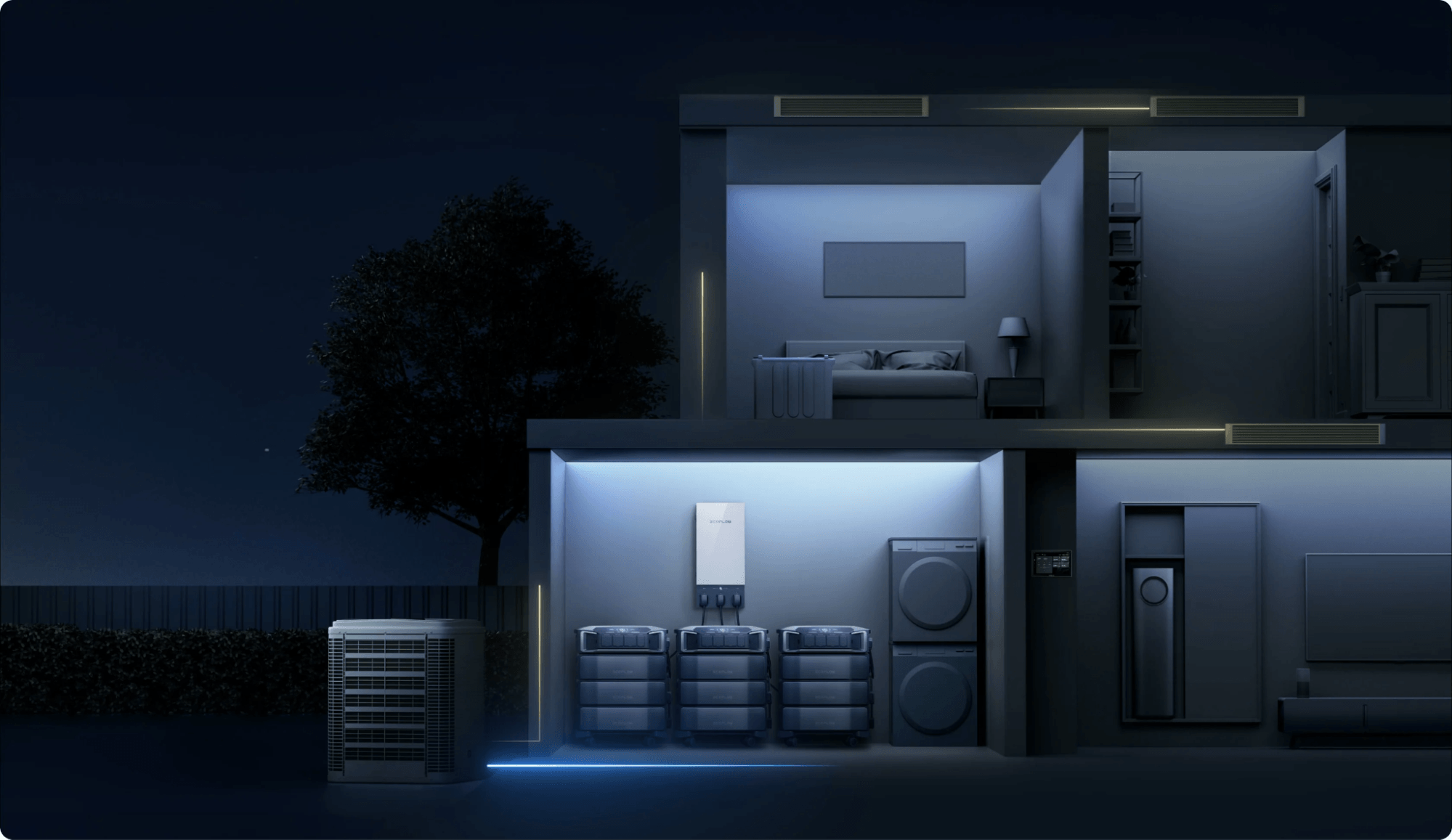
A home battery can reduce hydro bill pressure by storing energy during low-cost periods and supplying power during peak demand, helping smooth out seasonal cost swings.
How Do Utility Rates and Delivery Charges Increase Bills?
Your hydro bill isn’t just based on how much electricity you use. How you’re charged for that electricity matters just as much.
Utility rates can increase over time due to rising generation costs, infrastructure upgrades, and shifts in energy demand. Many providers also use tiered or time-of-use pricing. Meaning electricity costs more during peak hours when demand is highest.
On top of usage rates, delivery charges can significantly impact your total bill. These fees cover the cost of transmitting and maintaining the electrical grid, and they often remain fixed or increase regardless of how much power you actually consume. Taxes and additional service fees can further push monthly costs higher.
How Can Solar Panels and Battery Storage Reduce Hydro Costs?
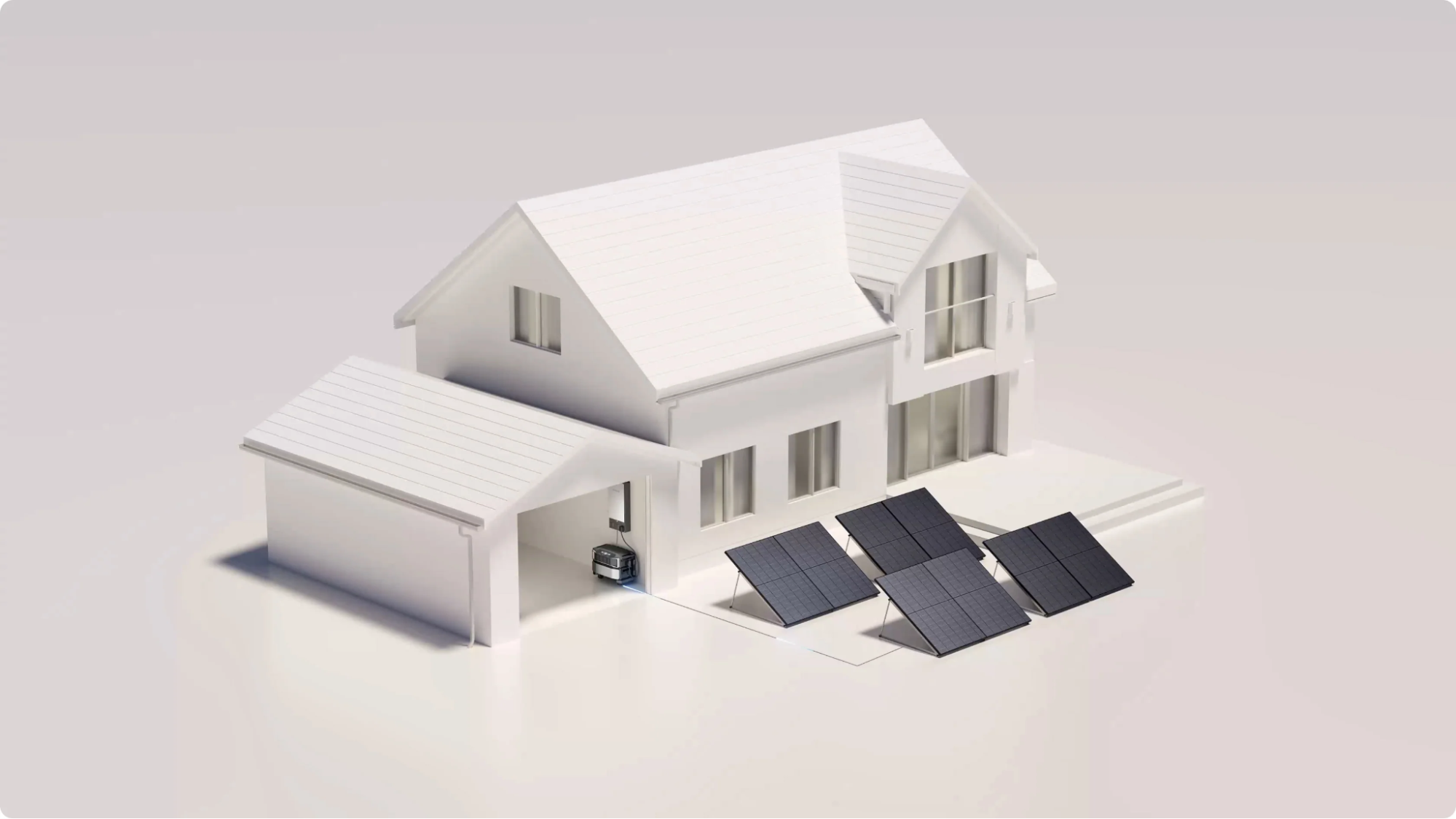
Solar panels reduce reliance on the grid by generating electricity directly from sunlight, which lowers the amount of power you need to purchase from your utility provider.
Battery storage captures any surplus your panels generate during the day and holds it in reserve for peak-rate hours or after the sun goes down, giving you greater control over when and how you draw from the grid. This combination not only helps stabilize bills but also improves energy independence and resilience during outages.
For homeowners looking to act on this, the EcoFlow DELTA Pro Ultra Whole-Home Backup Power Unit supports expandable whole-home battery storage with solar integration, storing energy during low-rate periods and supplying it during peak hours to directly reduce what you pay.
For a more flexible entry point, the EcoFlow DELTA 3 Ultra Plus offers 3072Wh of portable capacity and 3600W AC output, useful for managing essential loads and keeping critical devices running during outages.
Frequently Asked Questions
Why Did My Hydro Bill Suddenly Increase?
A sudden increase can happen even if your daily habits haven’t changed. Common causes include seasonal weather (more heating or cooling), higher utility rates, time-of-use pricing during peak hours, and increased use of major appliances. In some cases, older or inefficient appliances may also draw more electricity without you noticing, which leads to higher overall usage.
How Can I See My BC Hydro Bill?
You can view your BC Hydro bill by logging into your online account through the BC Hydro customer portal. There, you can access your current bill, review past statements, and see a detailed breakdown of your electricity usage over time. The platform also includes tools to help track consumption and understand what’s driving changes in your monthly costs.
Understanding Energy Usage and Storage Solutions Can Help Reduce High Hydro Bills
High hydro bills are often driven by a mix of rising utility rates, seasonal demand, peak-time pricing, and energy-heavy appliances running throughout the day. But solar and battery storage can shift that equation significantly. Explore EcoFlow's whole-home backup power solutions to find a setup that helps lower your monthly bill and reduce reliance on the grid.