Rainwater Collection Systems in Canada: How to Harvest, Store, and Use Rainwater at Home
- What Is a Rainwater Collection System?
- What Equipment Do You Need to Collect Rainwater?
- What Can Collected Rainwater Be Used For?
- What Regulations Should Canadians Know About Rainwater Collection?
- How Can Rainwater Systems Support Off-Grid Living and Sustainability?
- How Can Backup Power Improve Water Access During Outages?
- Frequently Asked Questions
- Rainwater Collection Helps Canadians Improve Sustainability and Emergency Preparedness
Rising water costs, changing weather patterns, and growing interest in sustainable living are leading more Canadian homeowners to explore rainwater collection systems. By capturing and storing rainwater from rooftops, households can reduce water waste, lower utility bills, and create a reliable source of water for gardens, landscaping, and other non-potable uses.
Rainwater harvesting offers practical benefits for both urban and rural properties when it’s done right.
What Is a Rainwater Collection System?
A rainwater collection system is designed to capture, filter, store, and reuse rainwater that falls on rooftops or other surfaces around a property.
These systems can range from simple rain barrels connected to a gutter downspout to larger underground storage tanks with filtration and pump systems for household use.
In Canada, rainwater harvesting has become increasingly popular for reducing water consumption, supporting sustainable living, and creating a backup water source for gardens, landscaping, and off-grid properties.
Depending on the setup, collected rainwater can be used for watering plants, washing outdoor surfaces, flushing toilets, or even supplying filtered water for household needs.
How Do Rainwater Harvesting Systems Work?
Most rainwater harvesting systems follow a simple process.
Rainwater flows from the roof into gutters and downspouts.
Debris screens and filters help remove leaves, dirt, and contaminants.
The water enters a storage tank or rain barrel.
From there, the water can either be accessed manually or distributed through pumps and plumbing systems for different household or outdoor uses.
Many homeowners interested in sustainable housing and self-sufficiency combine rainwater collection with solar energy, composting, and other eco-friendly systems. For people exploring new off-grid lifestyles, rainwater harvesting is a great way to create a more independent and resource-efficient home setup.
What Equipment Do You Need to Collect Rainwater?
Most rainwater collection systems use a few basic components to capture, store, and distribute water efficiently. The size and complexity of the setup will depend on how much rainwater you want to collect and how you plan to use it.
Roof surface: Collects rainwater as it falls.
Gutters and downspouts: Direct water from the roof into storage containers.
Filters and screens: Remove leaves, dirt, and debris.
Rain barrels or storage tanks: Store collected rainwater for later use.
First flush diverter: Redirects the first flow of dirty roof runoff.
Pumps and hoses: Help move water for irrigation or household use.
Overflow drainage: Prevents flooding when tanks become full.
Water filtration system: Needed for indoor or potable water use.
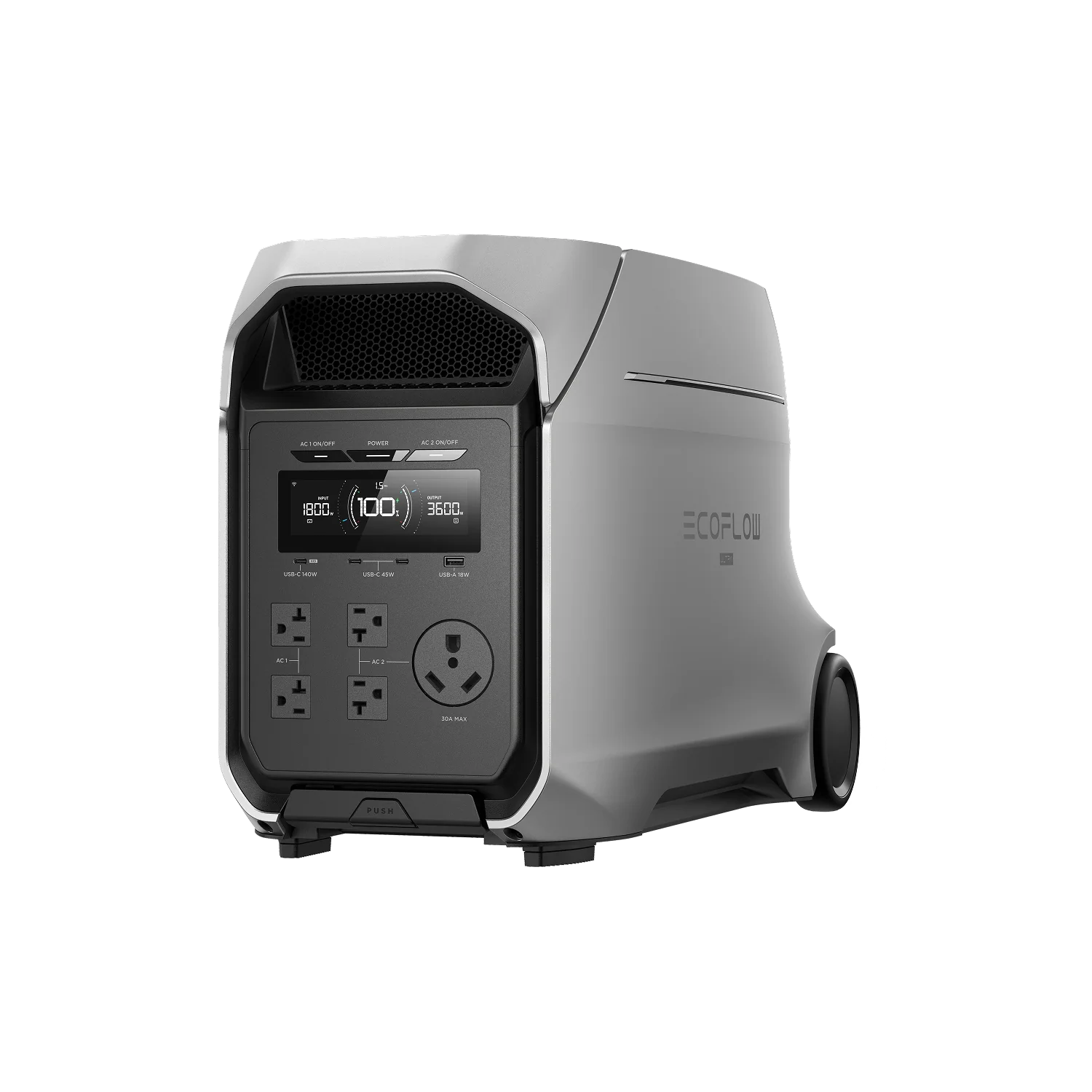
For off-grid setups or homes that are located in outage-prone areas, a portable power station like the EcoFlow DELTA 3 Ultra Plus can keep pumps and filters running when grid power isn't available.
What Can Collected Rainwater Be Used For?
Collected rainwater can be used for a wide range of household and outdoor purposes. Many Canadian homeowners use harvested rainwater for:
Watering gardens, lawns, and landscaping
Washing vehicles, patios, and outdoor equipment
Filling ponds or decorative water features
Flushing toilets and supplying non-potable household water
Supporting greenhouses and small-scale farming projects
Emergency backup water storage during outages or supply disruptions
Homeowners focused on emergency preparedness often combine rainwater harvesting with other self-sufficiency systems, such as solar power and a house backup generator, to create a more reliable and resilient home setup.
What Regulations Should Canadians Know About Rainwater Collection?
Rainwater collection rules in Canada vary by province and municipality.
While rainwater harvesting is generally permitted, some areas have regulations for storage systems, plumbing connections, water treatment, and indoor water use. Homeowners should review local building codes and health guidelines before installing a system.
Rainwater is commonly approved for outdoor uses like gardening and irrigation, but indoor or potable use may require additional filtration and safety measures.
You may also want to explore how residential energy storage can benefit your home to improve sustainability and emergency preparedness.
How Can Rainwater Systems Support Off-Grid Living and Sustainability?
Rainwater collection systems play an important role in off-grid living by reducing dependence on municipal water supplies and supporting a more self-sufficient lifestyle. Stored rainwater can provide a reliable source of water for gardening, cleaning, livestock, and other daily household needs.
When combined with renewable energy and backup systems, rainwater harvesting can help create a more resilient home setup.
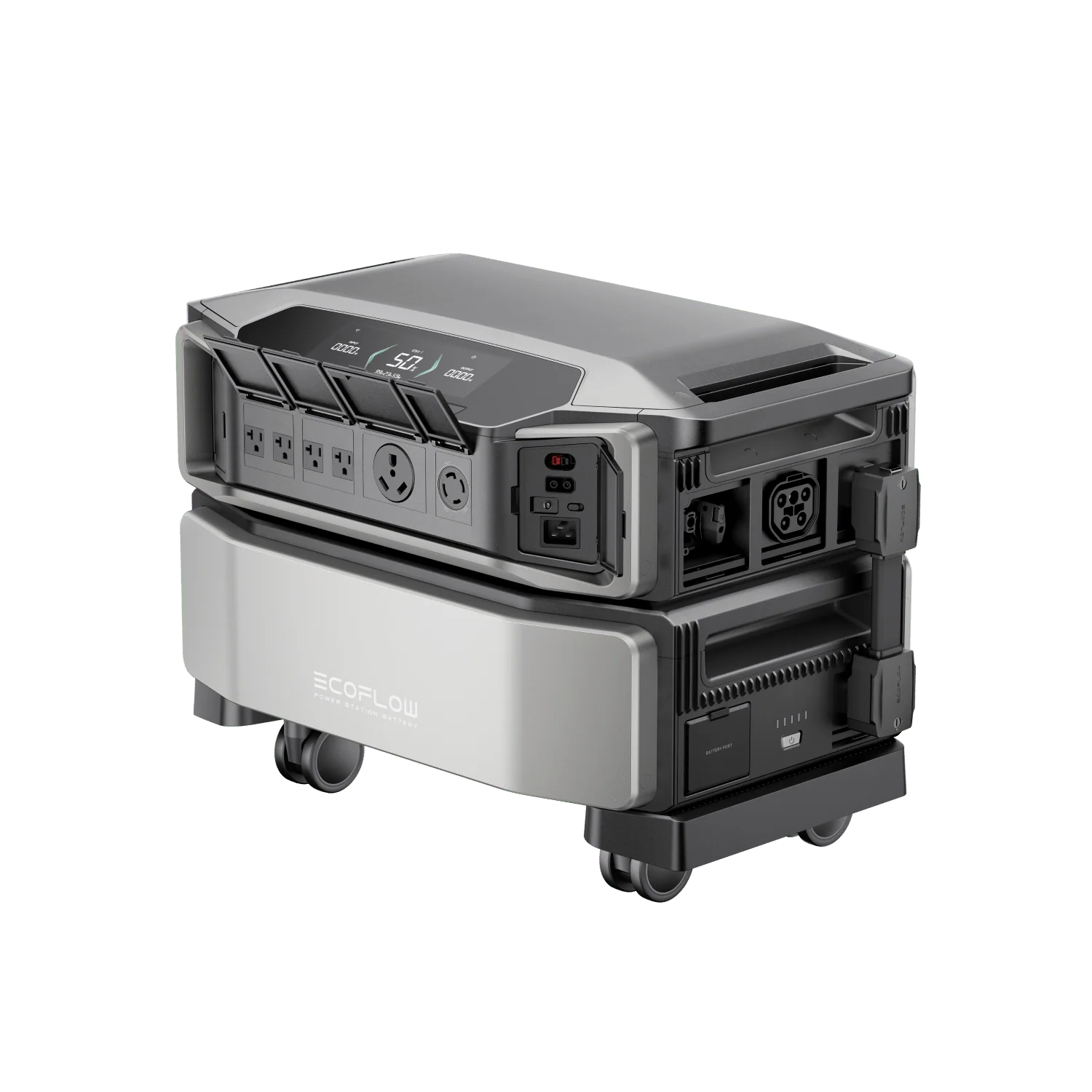
Many homeowners pair water storage with the EcoFlow DELTA Pro Ultra Whole-Home Backup Power Unit to maintain essential services during outages and reduce reliance on traditional utilities.
How Can Backup Power Improve Water Access During Outages?
Backup power plays a key role in keeping rainwater systems functional during outages, especially when pumps, filtration units, or pressure systems rely on electricity. With a reliable power source, homeowners can continue accessing stored rainwater for essential uses even when the grid goes down.
Portable and whole-home energy solutions can keep pumps, UV filters, and control systems running smoothly. Many households turn to options like the EcoFlow DELTA 3 Ultra Plus Portable Power Station to keep pumps, filters, and pressure systems running when the grid goes down.
Frequently Asked Questions
Is It Legal to Collect Rainwater in Canada?
Yes, collecting rainwater is generally legal in Canada. Rules can vary by province and municipality, though, especially regarding system size, plumbing connections, and how the water is used. Outdoor uses like gardening and irrigation are usually unrestricted, while indoor or potable use may require permits or specific safety measures.
What Is the Simplest Way to Collect Rainwater?
The simplest method is using a rain barrel connected to a downspout. Rainwater flows from the roof into gutters, then into the barrel where it’s stored for later use. Adding a basic screen or filter helps keep out debris, and a spigot at the bottom allows easy access for watering gardens or outdoor cleaning.
Rainwater Collection Helps Canadians Improve Sustainability and Emergency Preparedness
Rainwater collection systems offer a practical way for Canadian homeowners to reduce water waste, lower utility costs, and build greater independence from municipal supplies.
From simple rain barrels to advanced storage and filtration setups, these systems support everyday uses like gardening, outdoor cleaning, and non-potable household needs while also strengthening preparedness during droughts or outages.
When paired with backup power and other home resilience tools, rainwater harvesting becomes part of a more sustainable and self-reliant lifestyle.
Explore EcoFlow's whole-home backup power solutions to find the right setup for your home.