Canada Day 2026: The Ultimate Off-Grid Power Guide for Your Long Weekend Celebration
- Off-Grid Power Basics for Canada Day Plans
- Why Reliable Power Makes the Long Weekend Easier and Safer
- Build Your Weekend Power Plan: Loads, Runtime, and Autonomy
- How to Recharge Off-Grid: Solar, Vehicle, AC, and Scaling Up
- Choosing the Right Portable Power Station for Your Setup
- Frequently Asked Questions
- Power the Long Weekend Your Way, Then Use It Year-Round
July 1, 2026, is Canada Day, and although the holiday falls on a Wednesday this year, thousands of Canadians will celebrate around campfires and backyard barbecues. Celebrating off-grid, whether at a cottage or in your backyard, means you need to plan your power needs before the big day.
Here’s how to choose the right off-grid-friendly setup for your Canada Day activities, plus tips for estimating how much energy you need and the best ways to stay recharged.
Off-Grid Power Basics for Canada Day Plans
There are so many ways to celebrate Canada Day. Maybe you’re headed to a lakefront cottage with questionable Wi-Fi, camping in a provincial park, setting up at a cabin, or just turning your backyard into the neighbourhood’s unofficial Canada Day headquarters. Either way, you need a power backup that can keep the party going.
You don’t need something as powerful as a whole-home generator, but a thoughtful, portable backup system can make a big difference. Off-grid simply means you’re not relying on your home’s electrical system or a traditional wall outlet. That could mean spending the weekend at a campsite without hookups, powering essentials at a remote cottage during an outage, or running lights and speakers for a backyard gathering without extension cords stretched across the lawn.
Of course, your off-grid setup depends on your plans:
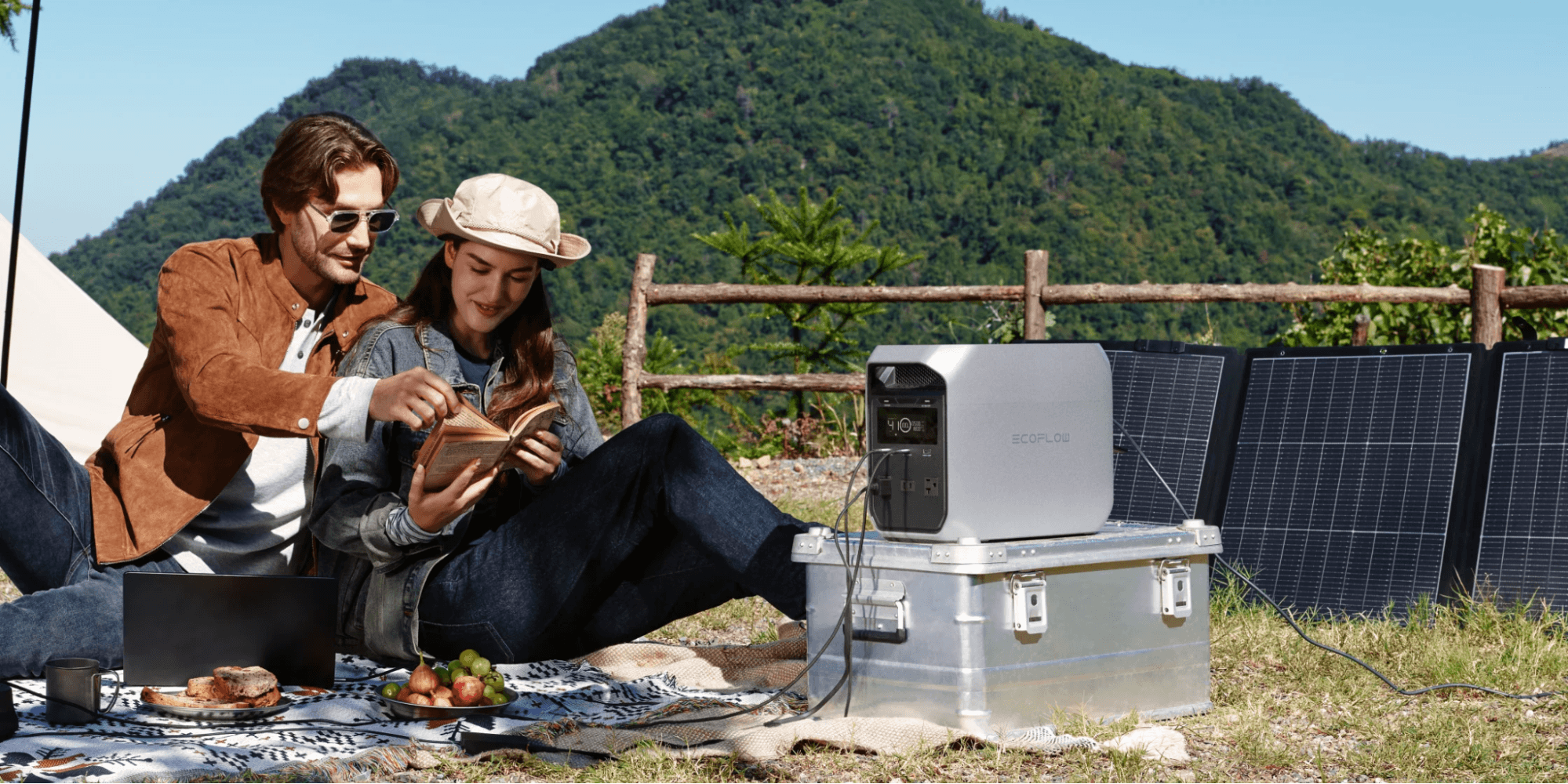
Camping and park hangouts: Smaller portable power setups, like the EcoFlow DELTA 3 Classic Portable Power Station (1024Wh), make sense for charging phones, cameras, lanterns, fans, or small cooking gear.
Cottage or cabin stays: Even places with electricity can experience outages during busy summer weekends or storms. Having backup power for essentials like internet, lights, refrigeration, or medical devices can give you more peace of mind.
Backyard celebrations: Just because you’re hosting at home doesn’t mean you’ll have reliable access to power. Outdoor kitchens, string lights, speakers, inflatables, portable fans, and charging stations can quickly overwhelm available outlets, especially if you’re entertaining a crowd.
So, you don’t have to “be off-grid” to benefit from an off-grid power setup. A portable backup battery is a great idea, whether you’re hosting in your backyard or celebrating Canada Day in the great outdoors.
Why Reliable Power Makes the Long Weekend Easier and Safer
Having dependable off-grid power means fewer headaches and more time actually enjoying the long weekend. The same idea applies to other Canadian long weekends, too, like the August Civic Holiday.
Having extra backup power on hand is never a bad thing. It can actually make your Canada Day bash much more comfortable by:
Keeping food safe: Canada Day barbecues are great until someone opens the cooler and realizes the ice melted six hours ago. If you’re camping or staying somewhere remote, reliable power helps keep food and drinks at safe temperatures longer.
Staying comfortable: Canadian summers are beautiful, but they’re also unpredictable. Reliable power helps keep everyone more comfortable, whether that means running fans during hot afternoons or charging heated blankets for cooler nights.
Connecting you: Even if you’re trying to unplug a little, communication still matters. Reliable backup power keeps phones, radios, and Wi-Fi hotspots running so you’re not hunting for the nearest charging station halfway through the weekend.
Avoiding noise, fumes, and fuel: Traditional generators are noisy and clash with the whole “peaceful lakeside morning” feeling of your campsite. Plus, not every park allows them, and nobody wants to be that neighbour at the campground.
Build Your Weekend Power Plan: Loads, Runtime, and Autonomy
A little planning goes a long way when it comes to off-grid power. Here’s how to calculate your power needs.
Step 1: Decide What You Want to Power
For most Canada Day weekends, you’ll want to power things like:
Phones and tablets.
Bluetooth speakers.
Lights.
Portable fridges or coolers.
Coffee makers and kettles.
Fans or heated blankets.
Cameras, drones, and laptops.
Small cooking appliances.
Make note of how many watts each device uses, which you’ll need to know for the next step.
Step 2: Estimate Your Power Needs
Now that you know what you want to run, use this simple watt-hour formula to see if your setup can keep everything online:
Watts * Hours of use = Watt-hours (Wh)
For example:
A 10W string light running for 5 hours = 50Wh.
A 60W portable cooler running for 8 hours = 480Wh.
A 100W speaker setup running for 4 hours = 400Wh.
Add everything together, and you’ll get a rough idea of how much energy you’ll actually need for the weekend.
Step 3: Add a Buffer
Once you’ve estimated your total, add at least 20% extra capacity. Canada Day celebrations can be unpredictable, and having extra power can make the difference between staying online and running out of electricity. For example, your friends might plug in extra gear you didn’t account for, or the weather changes, and you need to run fans all afternoon.
How to Recharge Off-Grid: Solar, Vehicle, AC, and Scaling Up
With an off-grid setup, it’s not enough to recharge your battery before heading into the wilderness. Just like with Victoria Day camping, you need portable power that reliably recharges, no matter where you are. Some of the most popular options for recharging off-grid are:
Solar: During the day, portable solar panels recharge your power station while you’re hiking, swimming, or relaxing at the cottage. By evening, the battery is topped up enough to run lights, coolers, and other devices.
Vehicle charging: If you’re road-tripping between campgrounds, cottages, trailheads, or parks, vehicle charging can recharge your battery while you travel. Even shorter drives into town for groceries or ice can make a difference.
AC charging: If you’ve got occasional access to power — even briefly — use it. Cottages, rental cabins, RV hookups, visitor centres, and even a quick stop at a family member’s house can give you a chance to recharge faster.
When shopping for an off-grid power setup, make sure you can recharge in multiple ways. If one option isn’t available, you always have an alternative.
Choosing the Right Portable Power Station for Your Setup
The trick is matching your power station to your actual plans so you’re not overpacking — or worse, running out of juice halfway through the weekend.
If you just want to charge the essentials, you can get away with a smaller portable power station. For these kinds of weekends, the EcoFlow DELTA 3 Classic hits the sweet spot between portability and capacity. It’s a practical option when you want reliable power without hauling around more than you need.
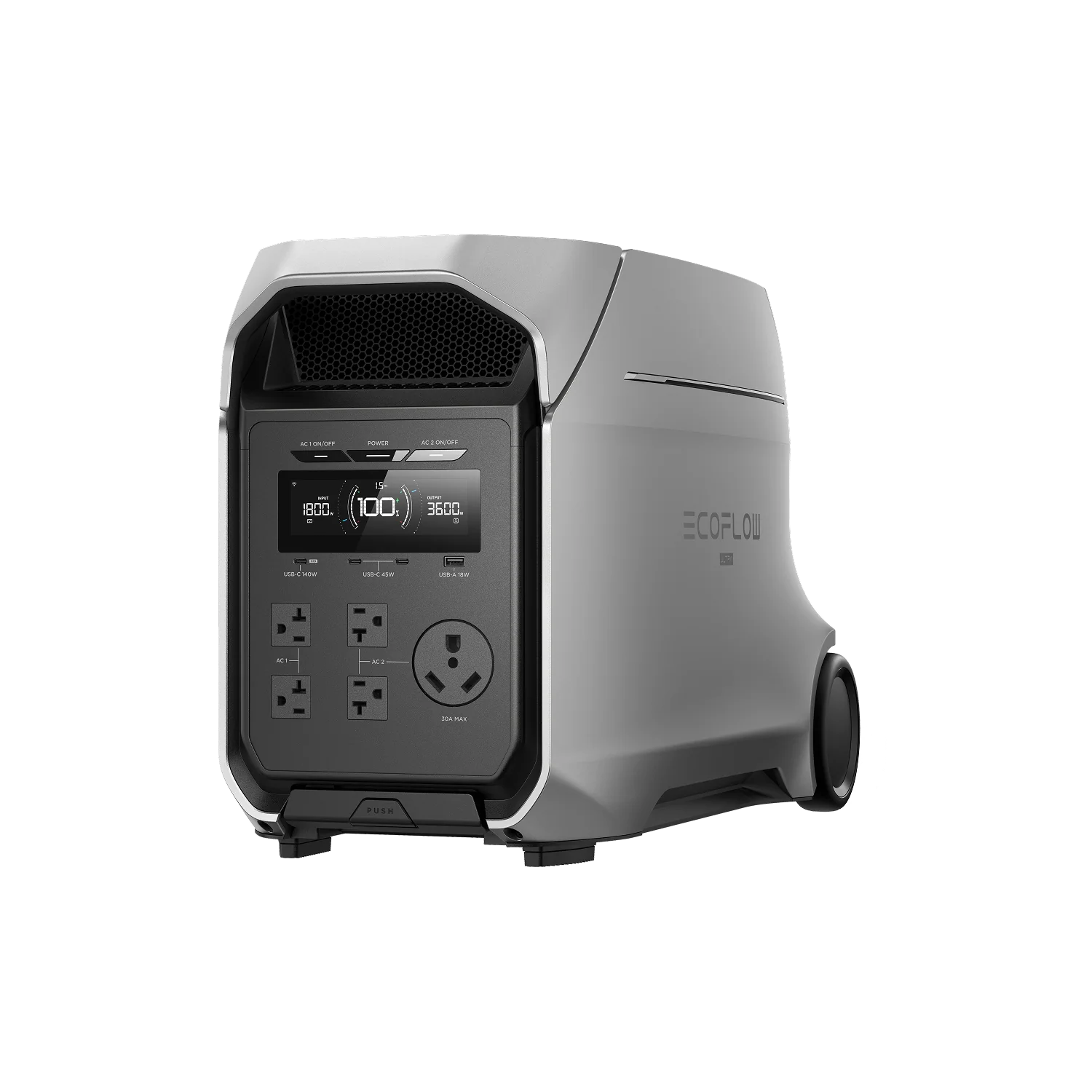
Now, if your Canada Day plans involve multiple people, longer stays, or appliances that need a lot of power, capacity matters. You may need more energy if you’re spending several days at a cottage, running a portable fridge, or charging a lot of devices for a larger group. In this case, go with the more robust EcoFlow DELTA 3 Ultra Plus Portable Power Station (3072Wh). With significantly more capacity, it’s better suited for bigger off-grid setups.
Frequently Asked Questions
How Many Wh Do I Need for a Canada Day Long Weekend?
It depends on what you’re powering and for how long. A simple camping setup with phones, lights, and speakers may only need a few hundred watt-hours (Wh), while a multi-day cottage weekend with coolers, coffee makers, fans, and several people charging devices can easily push past 1,000Wh or more. Always add a 20% buffer to account for any surprise power needs.
Can a Portable Power Station Run a Fridge for 2–3 Days?
It depends on the fridge’s size, the outside temperature, and the power station’s capacity. But yes, a small portable fridge or cooler can run for multiple days on a larger battery setup, especially if you’re recharging with solar during the day.
How Fast Can Solar Panels Recharge a Portable Power Station?
There are a lot of factors here, including panel size, the weather, and how depleted your battery is. During sunny summer days, you can recharge surprisingly quickly, usually within a few hours. But a lot of factors, like tree cover or clouds, can slow you down. That’s why it’s important to use solar not as a sole energy source, but as one part of your recharging plan.
Is a Portable Power Station Quieter and Safer Than a Gas Generator?
Yes, absolutely. Portable power stations are much quieter, don’t produce exhaust fumes, and can be used safely in places where gas generators wouldn’t make sense, like campsites, cabins, tents (outside sleeping areas), garages, or backyard gatherings.
Power the Long Weekend Your Way, Then Use It Year-Round
Canada Day is a joyful day full of friends, family, food, and outdoor fun. Don’t spend your time worrying about whether someone remembered to charge the speaker. A little off-grid power planning keeps the party going, whether you’re at a campsite, on a road trip, or in your backyard.
Best of all, a portable power station isn’t just for Canada Day. It’s just as useful for camping, power outages, road trips, backyard entertaining, remote work, cottage weekends, and all the other moments when an outlet isn’t conveniently nearby. See how the EcoFlow DELTA 3 Classic and EcoFlow DELTA 3 Ultra Plus can power both everyday adventures and long weekends.