Best Honeymoon Trips for Couples: Romantic Destinations to Consider
Honeymoons don’t come off a template. One couple wants a day on the trail and an early night, another wants room service and a slow walk to a café. Canada handles both. You could watch a Pacific storm roll in from a Tofino lodge, eat your way across Old Quebec, or stand alone beside a glacier-fed lake. The scale catches people out, though: drives run long, good rooms go early, and the best nights happen far from an outlet. What follows covers the regions worth a trip and what to pack, including smart power solutions for road trips and backcountry detours, so you can build a seamless, stress-free escape.
What Are the Best Honeymoon Destinations in Canada?
Mountain towns, coastal rainforest, vineyard patios, lakes where the only voice is a loon: whatever you two like, the country features some of the best places to travel in Canada to match.
British Columbia for Coastal and Mountain Getaways
British Columbia lets you ski before lunch and eat oysters off a dock after it. Start in Vancouver with the Stanley Park seawall and dinner in Yaletown, then head north on Highway 99. The Sea-to-Sky climbs along Howe Sound into Whistler. Up there, ski-in/ski-out chalets and private hot tubs keep a slower pace than the village below.
If it’s open ocean you’re both picturing, that’s Tofino, on the far side of Vancouver Island, three hours past the Nanaimo ferry, though you can fly in. Lodges at Chesterman Beach back onto cedar rainforest. From November into February the town runs on storm watching, which means a fire going, a wall of glass, and the Pacific throwing itself at the rocks.
Alberta for Rocky Mountain Escapes
The Rockies are the Canada people picture before they land. Banff and Lake Louise deliver the famous views and a soft bed to come back to; the log cabins add a wood stove and a television nobody turns on. Afternoon tea at Lake Louise comes with the Victoria Glacier filling the window. Moraine Lake at sunrise takes planning: the road stays closed to private vehicles year-round, so book a shuttle or a licensed operator before you go.
At the northern end of the Icefields Parkway, Jasper trades the crowds for darker night skies. It covers over 11,000 square kilometres, the largest accessible dark sky preserve in the world, and the Dark Sky Festival lands in October, making it an ideal setting to plug a camera or a heated blanket into your power station while you stargaze.
Quebec for Romantic City and Countryside Trips
Old Quebec is what people mean when they say you can reach Europe without crossing the Atlantic. Evenings end in Quartier Petit Champlain, among cobblestone and centuries-old stone facades, in a small bistro with a candle on the table.
Give the city two days, then drive out. Charlevoix and the Eastern Townships are farm country. Afternoons turn into cheese and cider on back roads under a canopy of autumn maples, and evenings finish in a Nordic bath in a birch grove.
Ontario for Lakeside and Nature Getaways
Ontario is the country at its most unhurried. Niagara-on-the-Lake is a slow weekend of horse-drawn carriages and inns in old houses. Book an icewine tasting: the grapes stay on the vine until the temperature drops to -8°C.
Two hours north, Muskoka is cottage country, and a boathouse is the move. The days arrange themselves, from paddleboarding before the motorboats wake up to a swim and a fire at night. You’ll be on the dock with a coffee by seven. After Canadian Thanksgiving, you’ll likely have the lake to yourselves.
Atlantic Canada for Coastal and Scenic Escapes
The cliffs get the photographs and the salt air gets a line in every brochure, but what couples remember is the hospitality. Here that means strangers striking up a conversation with you in a parking lot. The Cabot Trail loops around northern Cape Breton with the ocean falling away beside it most of the way. The rustic inns along it serve lobster that was swimming that morning. Nights often end at a ceilidh (pronounced kay-lee), a kitchen party with fiddles and step dancing.
Prince Edward Island sits across the Confederation Bridge from New Brunswick, and the toll is collected on the way out, not in. Cross it and you get red sand beaches, green farmland, lighthouses, and shoreline emptied once summer’s over.
What Can Couples Do on a Honeymoon in Canada?
When brainstorming the best honeymoon ideas, build the trip around what’s on: what’s in season, what’s being poured, what’s being celebrated.
Enjoy Local Food and Wine Experiences
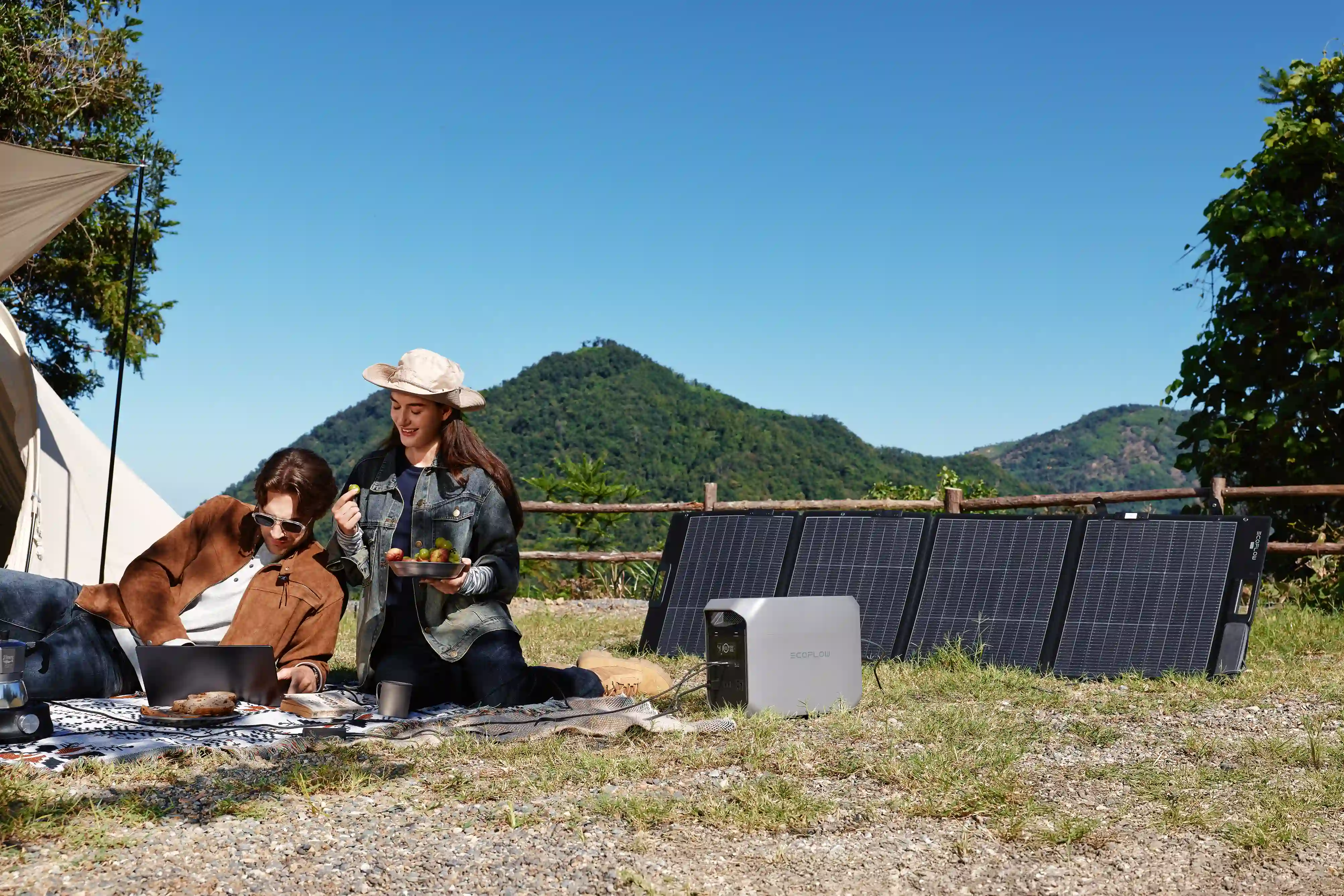
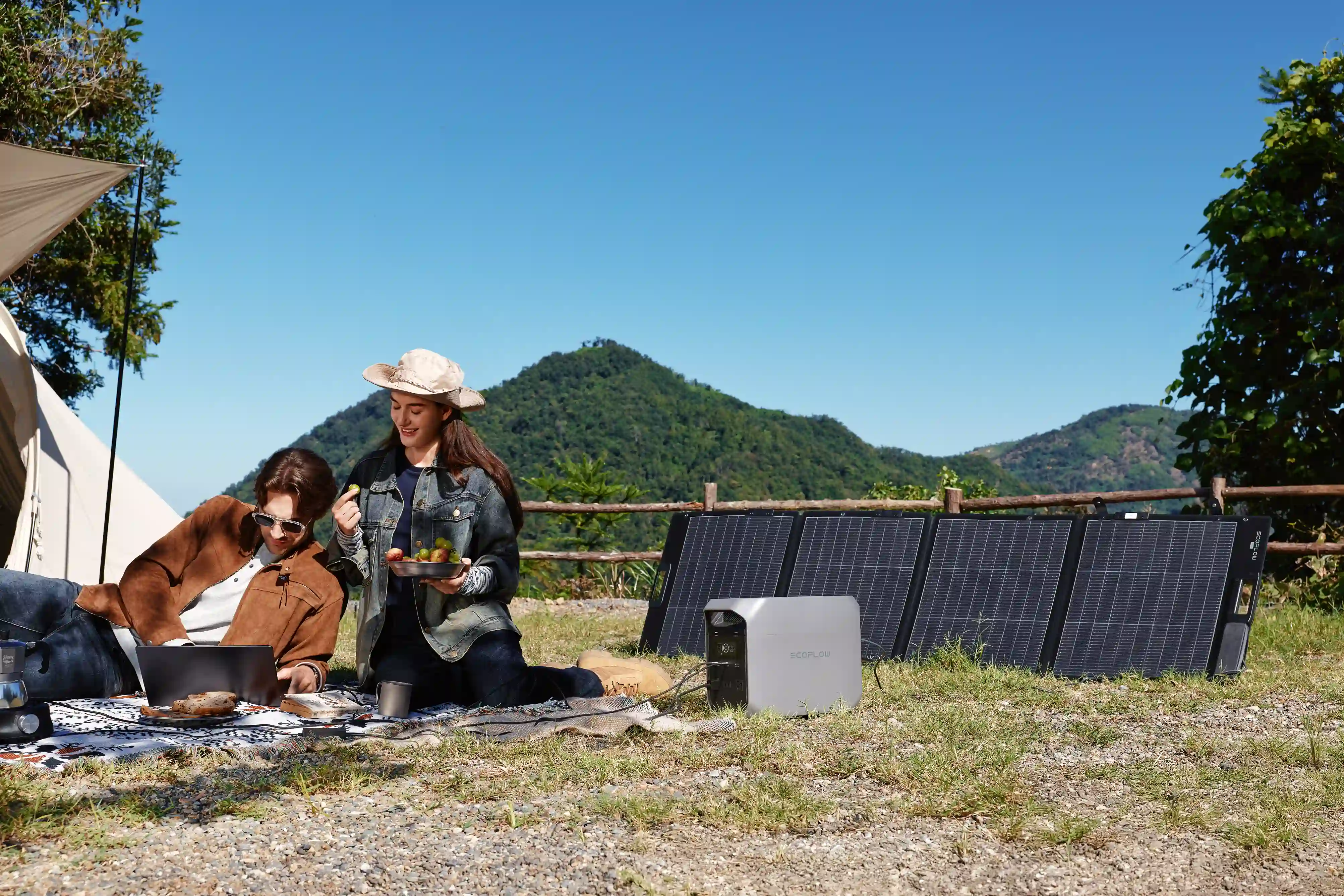
Eating is the fastest way to understand where you are. The Okanagan and the Niagara Peninsula both know their way around a vineyard patio, and a flight of pinot noir arrives with local cheese and charcuterie plus a view of the vines that produced what’s in your glass. On the Atlantic coast, lunch is a lobster roll off a paper plate at a wharf, or Malpeque oysters shucked at a picnic table; neither needs a booking, and if you bring along a portable power station, you can easily string up some ambient lights or play music to turn a simple stop into a romantic evening.
Explore Canada’s Arts and Cultural Heritage
A little regional culture changes the texture of a trip. In Quebec City you can walk the historic stone ramparts, the only fortified city walls of their kind north of Mexico. Vancouver’s contemporary Indigenous galleries carry work you won’t find elsewhere. Out east, an evening inside an authentic Halifax pub, with live maritime folk songs, weaves a rich local narrative into your honeymoon story.
Plan Couples’ Spa and Wellness Experiences
Months of wedding planning leave a mark; a hot-cold-rest cycle is the fastest way to undo it. Scandinave Spa has locations in Whistler and at Blue Mountain; Nordik Spa Village sits in Chelsea, north of Ottawa. Wherever you land, the ritual runs the same way: sauna, cold plunge, a long stretch sitting still in the forest, then start over. Phones go in a locker at the door. Book a massage for two and finish by soaking under the canopy.
Experience Seasonal Festivals and Local Events
Time the trip around a festival and the place changes. In February, Winterlude takes over downtown Ottawa, and if the ice holds, the Rideau Canal Skateway opens up. It runs 7.8 kilometres, with a BeaverTails stand at Dow’s Lake. Montreal’s holiday markets run through December, and the jazz festival takes over the Quartier des Spectacles in summer. Out west the Calgary Stampede fills ten days in July, and the city wears cowboy hats to work.
| Region / Province | Best For | Standout Experience | Ideal Season |
|---|---|---|---|
| British Columbia | Coastal & Mountain Luxury | Storm watching in Tofino; driving the Sea-to-Sky to Whistler | Year-round |
| Alberta | Iconic Alpine Views | Summer canoe rentals on Moraine Lake; Jasper stargazing | Summer / Winter |
| Quebec | European Charm & Culture | Dining in Old Quebec bistros; Nordic spas in Charlevoix | Fall / Winter |
| Ontario | Vineyards & Lakeside Cabins | Wine tasting in Niagara-on-the-Lake; Muskoka cottage life | Late Spring – Early Fall |
| Atlantic Canada | Coastal Drives & Seafood | Driving the Cabot Trail; fresh wharfside lobster | Summer – Early Fall |
How Can Couples Prepare for a Honeymoon Trip?
Packing matters more here than elsewhere when honeymooning, because the weather can turn mid-drive.
Bring Travel Accessories for Comfort and Convenience
Packing cubes sound trivial until you’ve repacked in four hotels in six days; then they keep one person’s wet gear off the other’s dinner clothes. Noise-cancelling headphones earn their space on the flight and the long rail stretches.
Dress for a country that can hand you sun, wind and sleet between breakfast and lunch. Breathable base layers, waterproof boots with real tread and a packable windbreaker cover most of it.
Prepare Charging Solutions for Travel Devices
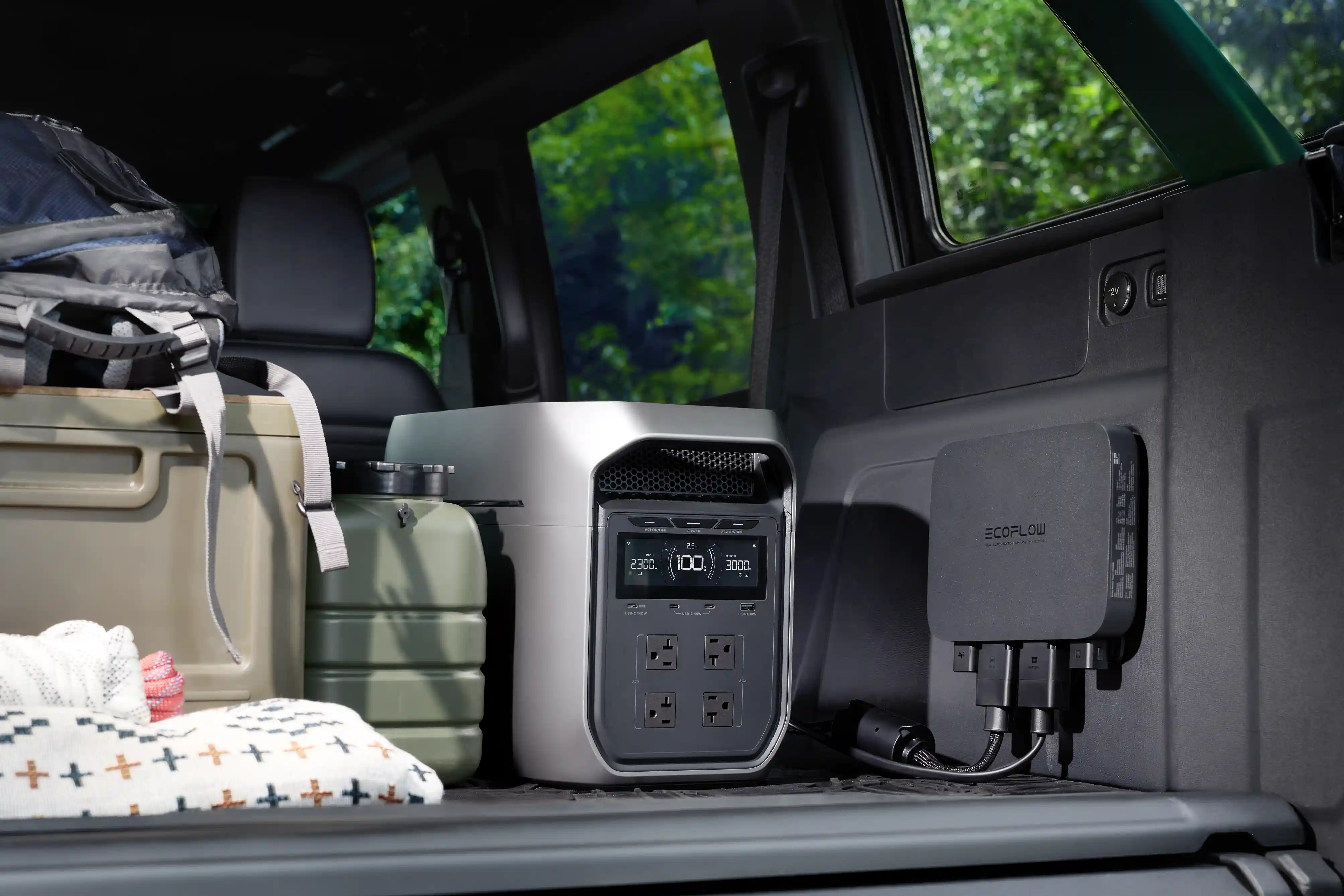
Your phone, camera and tablet hold boarding passes, hotel confirmations and every photo from the trip. That’s fine until you spend a day in a national park and find the nearest outlet inside a visitor centre that locked up an hour ago. A compact power station like the EcoFlow DELTA 3 Classic serves as a practical energy source for daily excursions. It provides multiple recharges for camera batteries, phones, drones, and small campsite essentials. Having power available at a trailhead or outside your glamping tent helps keep your devices running when standard outlets are out of reach.
Plan Backup Power for Long Road Trips
A long Canadian road trip puts hours between you and the next town, and the campsites worth staying at often have no power pedestal. A dedicated high-capacity unit keeps a 12V fridge cold, brews morning coffee in the crisp autumn air, runs lights over the picnic table, and handles higher-draw gear without touching your starter battery. That last part is the one people forget: a dead battery in a campground two hours from town costs you the afternoon.
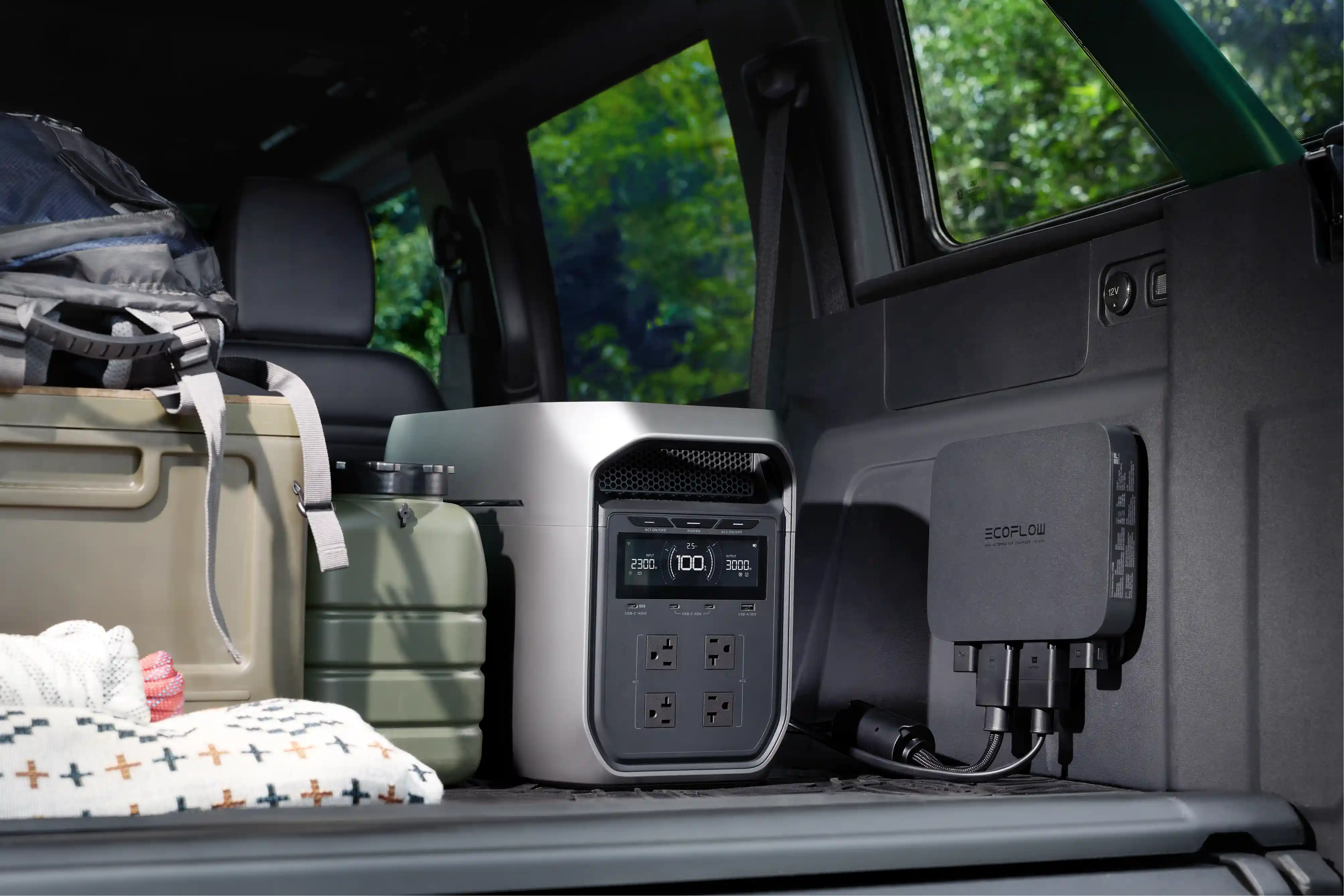
For long-distance driving and off-grid camping, pairing a larger unit like the EcoFlow DELTA 3 Max Plus (2048Wh) + 800W Alternator Charger offers a straightforward energy setup. It charges directly from the vehicle’s alternator while driving, replenishing the battery faster than a standard 12V socket. This allows you to arrive at a secluded campsite with enough stored capacity to run camp appliances and lighting overnight without needing to idle the engine.
What Should Couples Consider When Planning a Honeymoon?
A few early decisions about money, transport and weather spare you grief later.
Set a Honeymoon Budget Before Booking
Agree on a number first, then what has to come out of it: flights, a rental car, rooms, dinners, excursions. If the trip takes in several national parks, add a Parks Canada Discovery Pass, covering entry to 80+ parks and historic sites for a year. Once you know the boundaries, it’s easier to enjoy the upscale dinner or the strange little excursion without second-guessing the bill.
Check Travel Documents and Entry Requirements
What you need depends on your citizenship and how you arrive, so check the current rules before you book anything you can’t move. Whatever you carry has to stay valid for the whole trip. U.S. citizens need neither a visa nor an eTA, only acceptable identification, and a valid passport is the obvious thing to carry. Flying in from a visa-exempt country, you need an Electronic Travel Authorization (eTA), an online form to sort out before you board. Visitors from visa-required countries need a visitor visa, though citizens of certain eligible countries can apply for an eTA instead when they fly.
Plan Transportation and Accommodation
Canada covers enormous distances, and a modest hop on the map can be a full day behind the wheel, making road trip essentials and realistic route mapping a priority. If the trip spans more than one region, book multi-city flights rather than doubling back.
Mountain passes and rural coastal roads call for a rental with tires matched to the route, season, and conditions. All-wheel drive helps you get going, but it does nothing for stopping on ice, and no drivetrain replaces proper winter tires. Book the room as early as the car. Heritage inns, mountain chalets and glamping sites near the parks can fill months ahead for July and August, and again for ski season.
Consider Seasonal Weather and Travel Conditions
The same place is a different trip in a different month. Banff in July is trailheads and full parking lots; by December it’s a ski town and one of the best destinations for a winter honeymoon, where snow falls in any month.
For couples traveling right now, the autumn shoulder season suits perfectly, bringing thinner crowds and turning maples across Quebec and Ontario. Just keep in mind that many rural roads and coastal businesses start closing after Canadian Thanksgiving in mid-October. Check road conditions before a long drive through a pass, and whether winter tires are required by law.
Conclusion
Canada will hand you almost any honeymoon you ask for, if you ask early. Pick the version that suits the two of you, whether that’s a storm and a fireplace on the coast, a boathouse on a lake, or a week in a city where nobody knows your name. Then find out what the season does to that place and pack accordingly. Leave one evening with nothing planned and the trip will hold its own against the wedding that started it.
Disclaimer
Visa/eTA requirements, road conditions, and Parks Canada schedules are subject to seasonal changes. Always verify with official government sources (IRCC, DriveBC, provincial 511 services) before traveling.
FAQ
How Much Does a Normal Honeymoon Cost?
There is no single ‘normal’ honeymoon budget, but a week in Canada can easily run several thousand dollars for two once you add accommodation, transport, meals and activities. A road trip with cabin nights keeps you at the modest end. A week at a historic château or a remote wilderness resort costs considerably more.
How Far in Advance Should You Plan Your Honeymoon?
Start six to nine months in advance if you can. Small hotels in Banff and oceanfront lodges in Tofino go first, along with sleeper cabins on the mountain trains. Shuttles and park reservations open on schedules of their own, so check before you fix the dates.
What Is the Difference Between a Honeymoon and a Vacation?
A honeymoon is built around celebration, decompression, and romance rather than sightseeing. A vacation can be a packed schedule. A honeymoon usually means fewer stops, a room you want to be in, long dinners, and time to come down after the wedding.
How Long Does a Honeymoon Usually Last?
Plan on seven to fourteen days; how much fits depends on travel time. One week is enough for a single region, whether the Rockies, Vancouver Island, or Quebec City and Charlevoix. Ten days to two weeks lets you pair a couple of cities with a stretch of road and still leave a few days free to improvise.