Ontario Travel Guide: Summer Destinations and Outdoor Essentials
- Which Ontario Travel Destinations Are Worth Visiting in Summer?
- What Outdoor Activities Can You Enjoy During Ontario Summers?
- How Can You Prepare for Outdoor Travel in Ontario?
- How Can Energy Plans Improve Ontario Outdoor Experiences?
- What Should You Consider Before a Summer Trip in Ontario?
- Conclusion
- FAQ
Ontario doesn't ease into summer — one warm week and the whole province is outside, onto the freshwater lakes, along the granite shorelines, into the dense, pine-scented boreal forest. One person spends it paddling backcountry canoe routes. Another books a lakeside cottage. A third just points the car out of Toronto on a Friday and sees what happens. The trips differ. The need to plan ahead does not. This Ontario summer guide covers the most scenic destinations, the outdoor activities worth building a trip around, the gear to bring, the vehicle and power setups, and the practical safety tips: key essentials for a well-planned itinerary.
Which Ontario Travel Destinations Are Worth Visiting in Summer?
Pick a radius. From any major southern city, two or three hours of driving reaches genuine backcountry. The same radius also reaches the busy resort waterfronts. The season is short enough that locals start planning it in May.
Explore Algonquin and Ontario Provincial Parks
People argue about favourites, and every park has its own draw. Algonquin’s is scale, thousands of lakes and canoe routes where a week on the water never crosses your own wake, foot trails up to rocky Canadian Shield ridges. For shoreline the draw is Lake Superior Provincial Park and Killbear Provincial Park, granite coast and deep forest running down to empty beaches, the water cold enough to keep the crowds honest. Killarney offers the white quartzite ridges. Bon Echo’s is Mazinaw Rock, a sheer wall carrying Indigenous pictographs.
Explore Muskoka Lakes and Cottage Country
Friday afternoon traffic heading north on Highway 400 is a familiar sight for summer travelers. The traffic is headed for Muskoka, Rosseau, and Joseph, the three lakes that make this cottage country. The week up there is boats, docks, and trails, with Port Carling and Bala covering the town side. For something quieter, try the Haliburton Highlands and the Kawartha Lakes, with the Trent-Severn Waterway threading through them.
Discover Weekend Getaways Near Toronto
Not every escape needs a week. You keep four in rotation, all inside two to three hours of downtown Toronto:
Bruce Peninsula National Park & Tobermory: The famous Grotto wants booking ahead, since peak season requires a day-use vehicle parking reservation. And Georgian Bay under the limestone cliffs really is that turquoise, and that cold, even in August.
Prince Edward County (PEC): Ask a local and it's just the County. Lunch runs long here, farm-to-table dining, cideries, a serious local wine industry, and there's no better walk afterwards than the white dunes of Sandbanks Provincial Park.
Niagara-on-the-Lake & Twenty Valley: The Niagara River Parkway makes an easy bike ride, with local vineyards for stops and historic boutique hotels for the night.
Elora Gorge & Grand River: The plan is tubing down the limestone gorge rapids. The artisan shops in town and a site at a nearby conservation area fill out the weekend.
What Outdoor Activities Can You Enjoy During Ontario Summers?
Whether you are planning an iconic Algonquin park camping trip or a quiet weekend by the lake, long summer days mean sunset holds off until past 8:00 PM through August, allowing one day to easily hold both the trail and the water.
Go Camping and Hiking in Nature
Two kinds of campers share these parks. The first backs the car up to a fully serviced site with an electrical hookup; the second carries everything in, by pack or by canoe, relying on a solar generator for basic charging, and sleeps farther out. After dark it’s the same for both, white pines overhead, marshmallows over the fire, loons somewhere out on the lake. In Algonquin, hikers usually end up on the Centennial Ridges Trail or the Track and Tower Trail. The truly ambitious look farther, to the Bruce Trail and its 890 km and then some along the Niagara Escarpment.
Enjoy Boating, Fishing, and Water Activities
Ontario has more lakes and waterways than one summer can cover. That alone puts the province up with Canada’s best for boating, fishing, and paddling.
Paddlers can travel light, since nearly every major park has an outfitter renting canoes, sea kayaks, and stand-up paddleboards (SUP). Owning a boat is optional. The catch depends on the lake and the luck. Smallmouth and largemouth bass, walleye (locals say pickerel), northern pike, lake trout — those are the usual names. Proper licensing is required for most anglers, though, since the rod stays in the car without a valid Ontario Outdoors Card and a fishing licence tag.
Capture Wildlife and Scenic Views
At dawn in early summer, Highway 60 through Algonquin belongs to the moose. They wade into the roadside bogs for aquatic vegetation, and the photographers are already there too. Most wildlife works the morning and dusk shifts, which leaves midday conveniently free for lunch.
White-tailed deer, beavers, river otters, and black bears roam the northern shores of Lake Superior and Georgian Bay. Numerous bird species inhabit the area, migratory and resident alike. It's even a paradise for stargazers, with designated Dark Sky Preserves across the province, such as Torrance Barrens Dark-Sky Preserve in the Township of Muskoka Lakes, and Point Pelee National Park in southwestern Ontario, a favourite among astrophotographers seeking pristine night skies.
How Can You Prepare for Outdoor Travel in Ontario?
Most trip problems are prevented before the car starts, with the logistics sorted, the forecast checked, and the permits locked in ahead of time.
Check Ontario Weather and Seasonal Conditions
There is more than one Ontario summer. Down south and through the central belt it behaves, warm and sunny, daytime highs between 22°C and 30°C.
Northern Ontario experiences more variable weather conditions. Up around Thunder Bay, Sault Ste. Marie, and Sudbury, nights drop significantly in temperature and afternoon thunderstorms form quickly over the large lakes. So you pack the good rain shell and layers that breathe and dry fast, and the phone carries the weather radar app.
Choose Gear Based on Trip Duration
Gear scales with trip length.
Weekend Day Trips: Sturdy trail shoes or hiking boots, a 20–30L daypack, polarized sunglasses, mineral sunscreen, an EPA-approved insect repellent (containing DEET or Icaridin for blackflies and mosquitoes), and a basic first-aid kit.
Car Camping (3–5 Days): Weather-resistant 4-person tent, ground tarp/footprint, sleeping pads with adequate R-value, sleeping bags rated for 5°C to 10°C, camp stove with extra fuel canisters, LED lantern, a portable power station, and a durable hard-sided cooler.
Multi-Day Backcountry (5+ Days): Lightweight backpacking tent, waterproof dry bags/portage packs, compact water filter or purification tablets, lightweight cookset, satellite communication device (like Garmin inReach), and certified bear-resistant food barrels or hanging ropes.
Research Campsites and Travel Routes
You book five months out, because that’s when the Ontario Parks reservation window opens. The popular summer weekends go fast. Set an alarm for the opening morning. A full park changes the plan, not the trip. Below the parks sits another tier, private campgrounds, conservation authority sites, and eligible Crown land camping areas. The homework lands on Crown land campers, since the rules shift with location and residency status. Either way, check the current camping regulations, access conditions, and any seasonal restrictions with the Ontario government, a local Ontario travel information centre, or the relevant land manager before heading out.
Prepare Food and Water Supplies
Most of the food packing is pantry logic, meals that cook without fuss and stay nutritious, plus water for the whole itinerary. Two rules sit above the pantry logic. Lake or river water never goes down untreated. Filter, boil, or treat it first. Bear country has its own rule, too. The local food-storage requirements apply, and food, toiletries, and anything else scented stay well away from the sleeping area.
How Can Energy Plans Improve Ontario Outdoor Experiences?
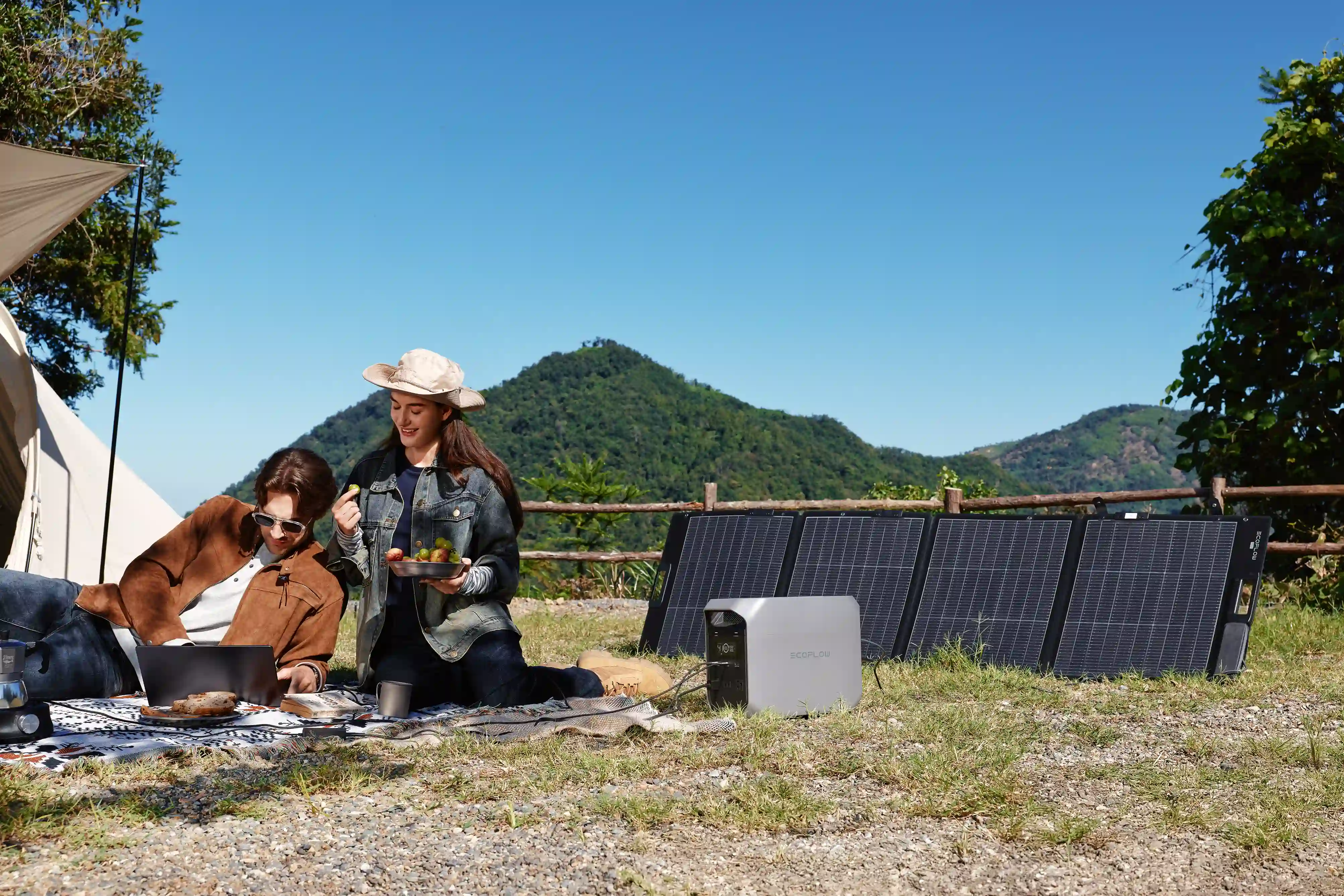
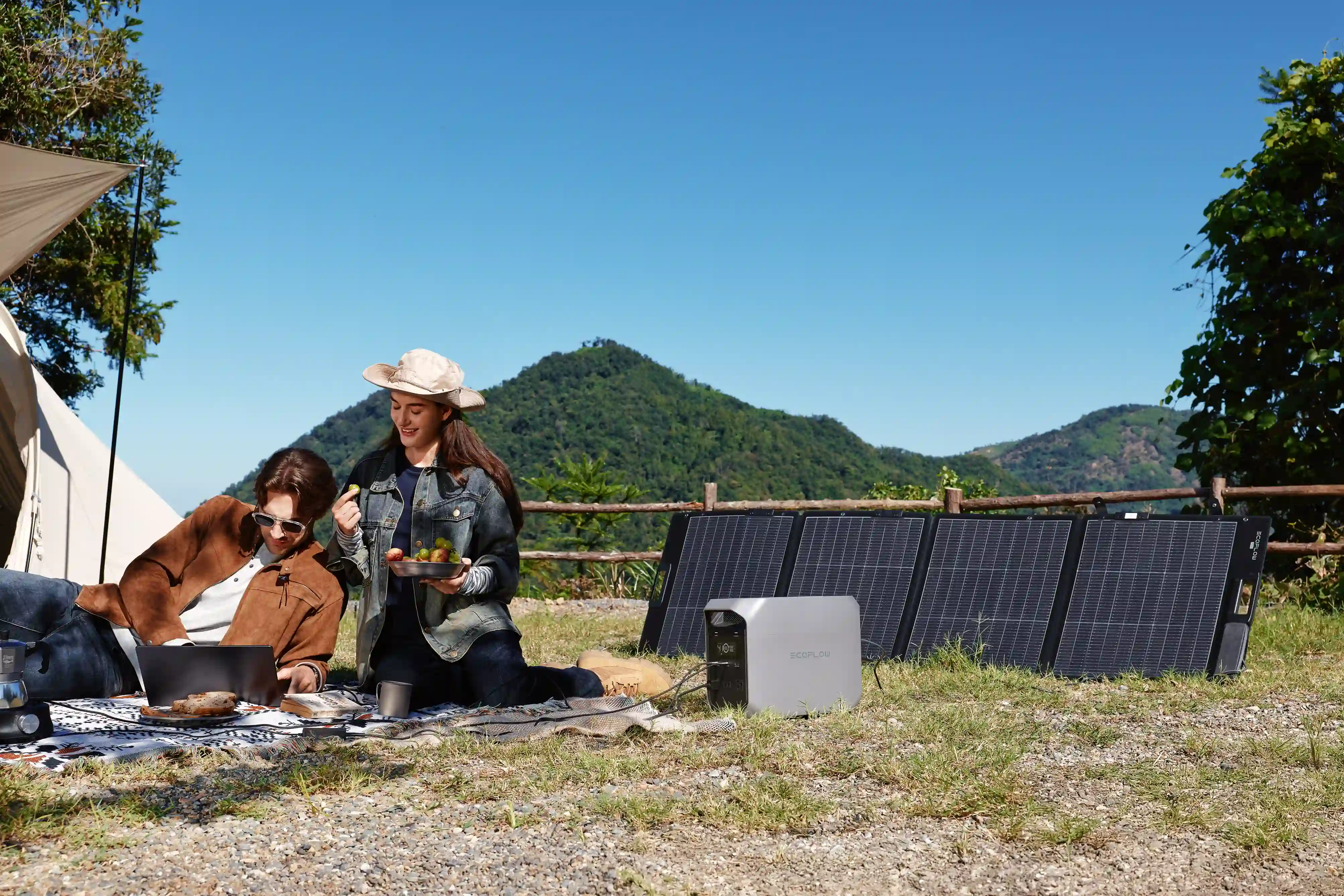
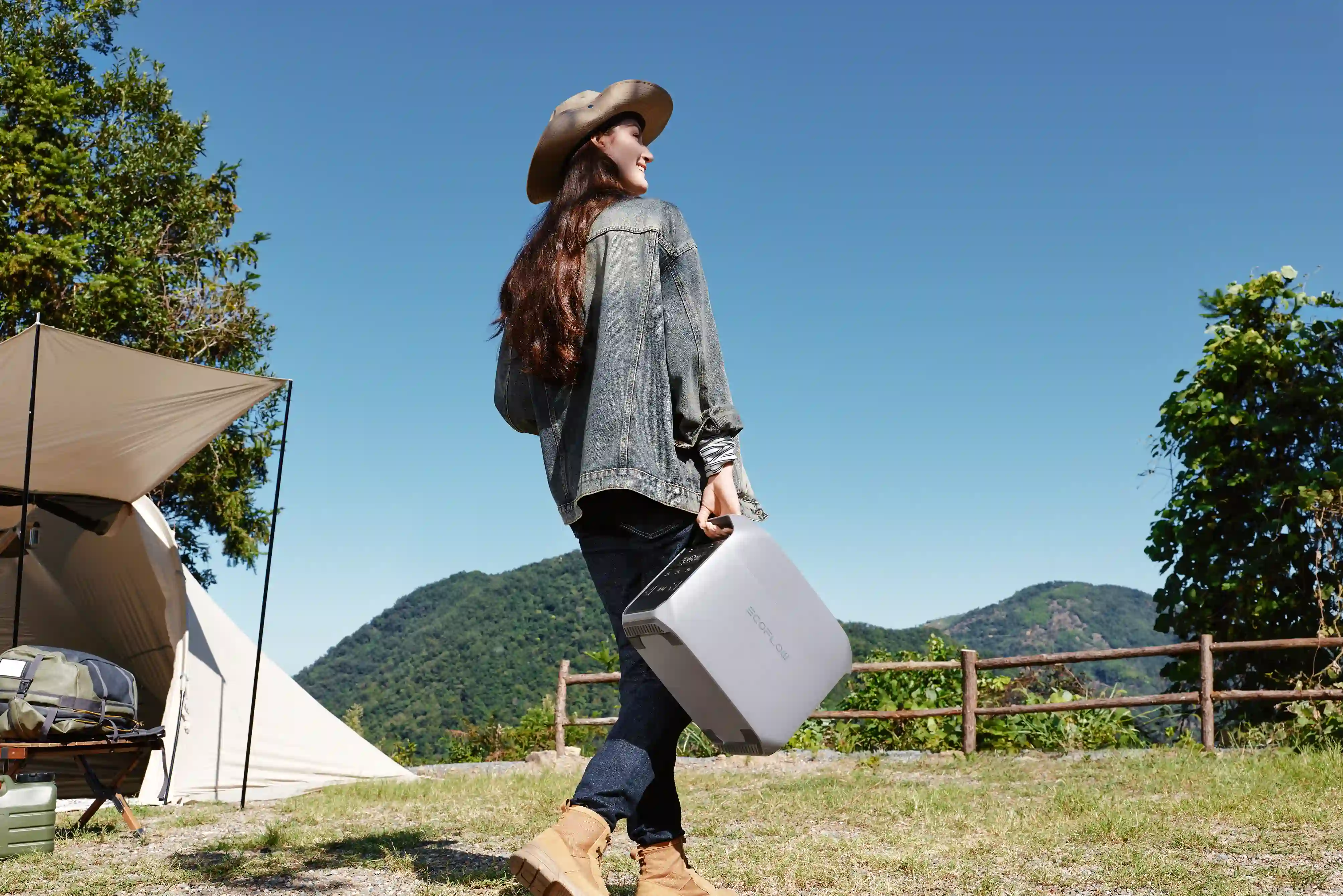
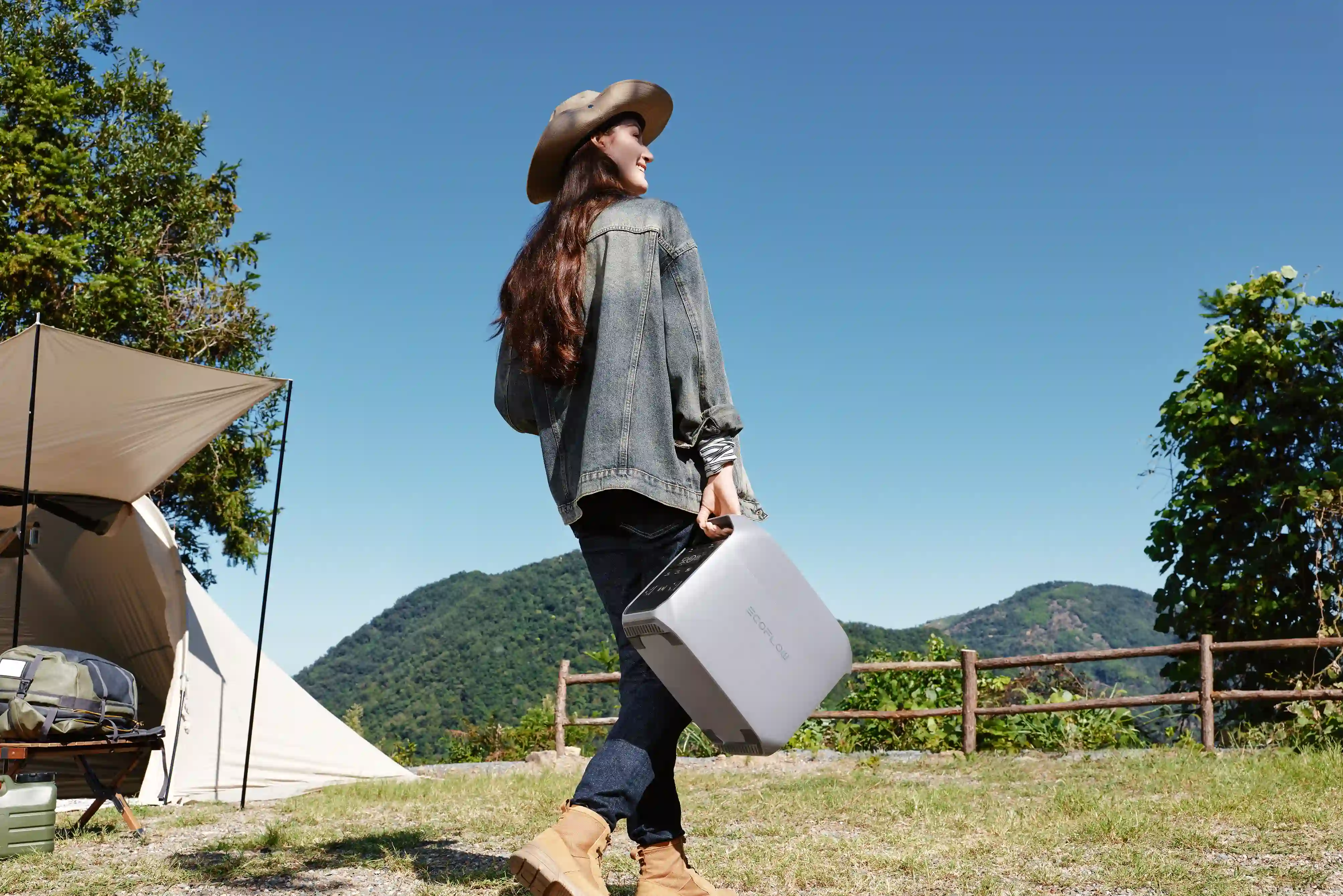
Modern trips blend natural immersion with essential technology. Next to the paddles and tents now sit navigation units, camera gear, camp lighting, and portable cooling, and adding a dedicated power station to the setup gives you greater flexibility away from crowded electrical campsites.
Power Multiple Devices During Outdoor Adventures
A week in a provincial park drains phones, cameras, drones, and camping lanterns, and everything needs a charge every day. A portable power station reduces your reliance on serviced campsite hookups.
The EcoFlow DELTA 3 Classic Portable Power Station is one example, built around reliable LFP (lithium iron phosphate) battery technology, delivering stable power output to run photography gear, laptops, mobile electronics, and portable outdoor appliances. Having this dependable power source helps your essential devices remain fully operational even when you are far from urban centers.
Support Long-Distance Road Trips in Ontario
The distances in this province are not metaphorical. Ontario’s lake regions sprawl, the boreal forest runs dense, and the northern routes sit far from everything; long hours behind the wheel come with the territory, and maintaining a continuous power supply can significantly elevate the travel experience. For travelers spending extended hours on the road, the EcoFlow DELTA 3 Max Plus (2048Wh) + 800W Alternator Charger enhances on-the-go energy flexibility. This system recharges battery reserves by drawing power from a vehicle’s alternator during travel. It supplies electricity to appliances such as 12V portable fridge-freezers, electric cooktops, outdoor lighting, and personal electronics, supporting extended road trips and remote travel across Northern Ontario.
What Should You Consider Before a Summer Trip in Ontario?
A smooth Ontario summer trip also means planning for connectivity, outdoor safety, and travel costs.
Consider Location and Accessibility
Cellular service gets patchy in remote areas and park interiors. Always download offline maps before leaving. It is also wise to plan fuel stops ahead of time when traveling north. Gas stations can be far apart, and late-night hours are rarely guaranteed. These preparations are vital road trip essentials.
Follow Outdoor Safety Guidelines
It comes down to three short lists:
Wildlife: Keep campsites clean, keep your distance from wildlife, and carry a bear deterrent where the rules allow one.
Ticks: Long clothing and insect repellent do the work here; do a tick check after any walk through woods or grass.
Water Safety: Transport Canada sets the list for your watercraft — stow all required flotation and safety gear before you launch.
Check Travel Costs and Accommodation Options
Campsites, cottages, and popular attractions get pricier and scarcer in August, the weeks when the whole province is on holiday. Midweek dates, or the shoulder season, bring both costs and crowds down.
Conclusion
Ontario in summer is bigger than any one trip. Backcountry portages in Algonquin, the sunny shores of Sandbanks, the long road along Lake Superior’s coastline — every one of them rewards the planning done before the car leaves the driveway. Pack reliable outdoor gear, sort out an independent off-grid power setup, respect the wildlife and the regional safety rules. You bring the plan, and Ontario provides the backdrop for an unforgettable trip.
FAQ
How Many Hours Does It Take to Drive Across Ontario?
Budget several days. Pure driving time alone takes a couple of full days behind the wheel, as the province is much bigger than it looks on the map. The Trans-Canada Highway covers vast stretches of forest, rocks, and shoreline between the Quebec border on one end and the Manitoba border past Kenora on the other.
What Are Some Cool Places to Visit in Ontario?
Someone always names Bruce Peninsula National Park first. Fair enough, given the crystal-clear turquoise water and the sea caves. Flowerpot Island follows, all natural rock pillars and historic lighthouses. Beyond these, numerous other attractions exist across the province: cliff pictographs at Bon Echo Provincial Park, pink granite and white quartzite ridges at Killarney Provincial Park, and sheer vertical gorges at Ouimet Canyon near Thunder Bay.
How Many Days Do You Need for an Ontario Trip from Toronto?
Budgeting time depends on your chosen destinations. The classic regions—Muskoka, Algonquin, the Bruce Peninsula, and Prince Edward County—each merit a few dedicated days to explore comfortably. Combining the main highlights of Central and Northern Ontario into a single road trip requires a larger commitment of several consecutive days behind the wheel.
How to Get Around Ontario Without a Car?
In Southern and Central Ontario, a car is optional. GO Transit has the near orbit out of Union Station: trains and buses to Niagara Falls, Barrie, and Kitchener. VIA Rail covers the long haul, Windsor to Ottawa by way of Toronto and Kingston. For the parks themselves there’s Parkbus, seasonal shuttles from downtown Toronto and Ottawa straight to Algonquin, the Bruce Peninsula, and Killarney. Regional gaps belong to Ontario Northland and Megabus.