The Ultimate Toronto Heat Wave Survival Guide: 7 Ways to Keep Your Home Cool
- Why Toronto Heat Waves Are Becoming More Extreme in 2026
- How Heat Waves Impact Your Home, Health, and Energy Bills
- 7 Proven Ways to Keep Your Toronto Home Cool During Heat Waves
- How to Build a Heat-Resilient and Energy-Independent Home in Toronto
- Preparing Your Home Before the Next Heat Wave Hits
- Conclusion
- FAQ
Summers in the Greater Toronto Area are shifting fast. Ontario has been experiencing more frequent multi-day heat waves that place increasing pressure on homes, indoor comfort, and public health. This guide breaks it all down, from how the urban heat island effect plays out across different neighbourhoods to practical, pro‑level cooling tips you can actually use. You'll learn how to stay comfortable, lower your hydro costs, and make your home more resilient to heat this summer.
Why Toronto Heat Waves Are Becoming More Extreme in 2026
Climate change and aging infrastructure are making heat waves feel more intense than they used to.
Rising Summer Temperatures in Southern Ontario
Across southern Ontario, summer temperatures keep climbing, and we're seeing more of those extreme heat alerts driven by the humidex. Official Canadian data shows a clear trend: more days in a row with highs well above 30°C, which increases pressure on the grid during peak demand and reduces the overnight cooling relief typically seen in summer. Many residents now turn to stay cool and safe during Ontario heat wave alerts as part of their preparation for extreme temperature events.
Urban Heat Island Effect in Downtown Toronto
During recent summer heat events, overnight temperatures in parts of downtown Toronto tend to remain higher than in surrounding suburban areas. As detailed by the Climate Atlas of Canada’s Urban Heat Island analysis, dense urban materials such as concrete, asphalt, and glass absorb solar energy during the day and gradually release that stored heat after sunset. This thermal effect contributes to the city core often staying significantly warmer than outlying suburban or rural areas, even deep into the nighttime hours.
Why Older Homes in Toronto Overheat Faster
Toronto's historic brick homes have plenty of charm, especially in neighbourhoods like The Danforth, High Park, or Cabbagetown. But many of them lack modern insulation and vapour barriers. That double‑brick construction acts like a heat sponge, soaking up heat all day and slowly releasing it indoors well after sunset. The top floors can become almost unbearable.
How Heat Waves Impact Your Home, Health, and Energy Bills
When an extreme heat event settles over the Golden Horseshoe, the consequences extend far beyond simple physical discomfort, directly hitting our well-being and wallets.
Indoor Temperature Spikes and Sleep Disruption
If indoor temperatures don't cool down overnight, your body can't regulate its internal thermostat properly. That leads to poor sleep. Stretch that across a multi‑day heat wave, and the lack of good rest builds up—physical fatigue gets worse, mental focus blurs, and everyone in the house ends up short‑tempered.
Risks for Seniors, Pets, and Children
Seniors, young kids, and pets are much more vulnerable to heat exhaustion and heat stroke. If you don't have a reliable way to keep your living space cool, indoor temperatures can climb to dangerous levels fast, especially for anyone who can't regulate body heat well.
Air Conditioning Overload and Rising Electricity Costs
As homeowners turn up their AC to deal with humidity, central air systems often end up running continuously. This drives up electricity demand across Ontario and leads to higher hydro bills. It can also put added strain on HVAC systems, increasing the risk of unexpected breakdowns. During peak hours, some households use a portable power station to power fans or small cooling devices, providing additional flexibility during periods of high electricity demand.
7 Proven Ways to Keep Your Toronto Home Cool During Heat Waves
Beating the heat requires a smart mix of passive design tricks and strategic technology upgrades to lower indoor temperatures without breaking the bank.
1. Block Heat Before It Enters (Curtains, Blinds, Reflective Films)
One of the most effective ways to keep a room cool is to block solar energy before it gets through your windows. Keep south and west‑facing blinds or blackout curtains fully closed during peak daylight hours. You can also put up reflective window film, which bounces harsh UV rays away before they have a chance to warm up your floors, walls, and furniture.
2. Optimize Natural Ventilation During Cooler Hours
Take advantage of the cooler night and early morning air by opening windows on opposite sides of your home. That creates a natural cross‑breeze. Just make sure to close everything up tight by around 8:00 AM to lock in that fresh, cool air before the humidex starts climbing again.
3. Use Fans Strategically for Airflow Circulation
Fans don't actually cool the air, but they do cool your skin through evaporation. Set your ceiling fan to spin counter‑clockwise at a higher speed to push a refreshing breeze straight down. At night, put a floor fan across from a window to help pull in cooler outdoor air.
4. Reduce Indoor Heat Sources (Appliances, Cooking Habits)
Major household appliances like ovens, clothes dryers, and dishwashers throw off a massive amount of ambient heat into your living space. Avoid using them during the hottest parts of the day; instead, opt for outdoor cooking like a barbecue, prep crisp summer salads, or run appliances late at night. A solar generator can also be used to power small kitchen devices outside the home, helping reduce indoor heat buildup.
5. Improve Home Insulation and Sealing for Summer Efficiency
Good insulation is your main defense against summer heat. Sealing up air leaks around windows and doors keeps your costly cooled air inside and stops humid outdoor air from sneaking in.
6. Smart Thermostat and Energy Management Strategies
Install a smart thermostat to automatically adjust temperatures based on your daily routine, letting the house warm up slightly when you‘re away and cooling it down right before you return. This simple automation reduces unnecessary runtime, saving you money during peak pricing periods.
7. Backup Cooling Solutions for Extreme Heat Days (Portable AC & Solar-Powered Options)
When Toronto sees several days in a row with highs approaching or exceeding 35°C, basic fans and curtains just aren't enough to keep indoor temperatures safe and livable. That's especially true in older homes with poor insulation. During these extreme stretches, a lot of local families turn to flexible setups that combine portable cooling with low‑cost power to handle sudden heat spikes or local grid issues.
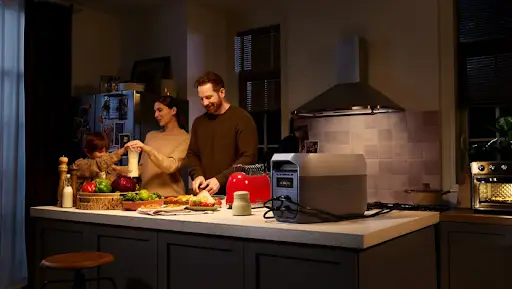
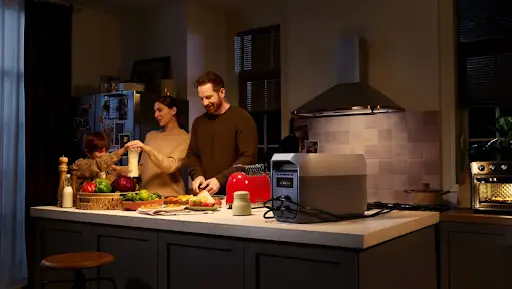
The EcoFlow DELTA 3 Max (2048Wh) + 400W Solar Panel is a practical backup power option for supporting portable cooling devices—such as fans or small, low-wattage AC units—during a heat wave, depending on power requirements. By pulling in free energy during Toronto's long summer daylight hours, you can reduce operating costs, protect your household from local grid strain, and get real peace of mind without being tied to a wall outlet.
How to Build a Heat-Resilient and Energy-Independent Home in Toronto
For long-term comfort and security, forward-thinking homeowners are looking past quick fixes and transitioning toward true residential energy independence.
Upgrade Insulation + Passive Cooling Design
Upgrading your attic insulation and switching to low‑E triple‑pane windows creates a solid thermal barrier around your home. Add some passive design tricks, like planting shade trees in the right spots or putting up exterior awnings, and you can cut down solar heat gain before it even reaches your walls.
Smart Energy Management During Peak Heat Hours
During extreme heat events and Ontario heat warnings, the province's electrical grid can come under significant strain. That often means peak‑demand pricing and the occasional brownout. Managing your energy use wisely—like shifting high‑draw activities to off‑peak hours and using smart home systems—helps keep your bills in check and supports overall grid stability in your neighbourhood.
Solar + Battery Backup for AC and Essential Cooling Systems
During a severe heat wave, the biggest risk for Toronto families isn't just the high heat itself. It's the combination of extreme temperatures and a sudden power outage. When the grid gets overloaded, localized blackouts can leave your house without air conditioning, and indoor temperatures can spike within hours. That's a dangerous situation for households with young children or elderly relatives.


To help reduce that risk, a whole‑home energy storage system like the EcoFlow DELTA Pro Ultra Whole-Home Backup Power makes a meaningful difference. It's built to handle heavy residential demands, so it can support certain central AC systems or essential cooling loads depending on configuration. Pair it with rooftop solar panels, and you can generate and store your own electricity during peak daylight hours, when grid power costs the most. For Toronto detached homes and townhouses, this system can provide both backup power and greater energy flexibility throughout the year.
Preparing Your Home Before the Next Heat Wave Hits
The best time to prepare for an intense heat wave is before the weather forecast turns red. A little proactive maintenance goes a long way toward keeping your summer stress-free.
Summer Home Checklist for Toronto Homeowners
Start the season by swapping out your HVAC filters, clearing any debris away from your outdoor AC condenser, and checking your window seals for air leaks. Make sure your ceiling fans are set to summer mode, and your home's airflow system will be ready to take on the humidity.
Emergency Cooling Kit Essentials
A 72-hour emergency kit can help ensure your household is prepared for summer disasters in Canada. Include hydration tracking tools, electrolyte powders, battery-operated personal fans, and a reliable portable power station to help keep your family safe and comfortable during outages.
When to Consider Upgrading Your Cooling System
If your current air conditioner is over ten or fifteen years old, struggles to keep up on humid summer afternoons, or makes your monthly hydro bill jump for no clear reason, it's probably time for an upgrade. Switching to a high‑efficiency heat pump or a modern ductless mini‑split system gives you better cooling in the summer and reliable heating in the winter.
Conclusion
A fan alone may not be enough during a severe Toronto heat wave. You need a smart mix of daily habits and basic home preparation. Blocking the sun and opening windows during cooler hours will help bring indoor temperatures down. But to really handle a spike in the humidex, you need a way to stay powered up on your own terms.
Adding a reliable solar backup system means you can keep your family safe, your home cool, and your hydro bills in check. Whether you go with a portable setup like the EcoFlow DELTA 3 Max to run a portable AC, or step up to the EcoFlow DELTA Pro Ultra for whole‑home protection, you'll be ready for whatever extreme weather southern Ontario throws your way.
FAQ
How Hot Does It Get in Toronto During the Summer?
Summer temperatures in Toronto typically sit around 25°C to 27°C. However, severe heat waves frequently push temperatures well above 30°C—with extreme events occasionally breaching 35°C—and when combined with the humidex, it can easily feel closer to 40°C or higher. These intense temperature spikes are becoming more common across the GTA due to broader climate shifts and the pervasive heat trapped by the urban heat island effect.
What Is the Most Effective Way to Cool a House Without Air Conditioning?
One of the most effective ways to cool a house without AC is to reduce solar heat gain. Keep reflective blinds closed during the day and use cross-ventilation at night. Adding floor fans and reducing the use of heat-generating appliances can also help lower indoor temperatures and improve comfort during hot weather.
Why Does My Room Get Hotter When the Sun Goes Down?
Your room feels hotter after sunset because dense building materials like brick, concrete, and roofing shingles soak up heat all day and slowly release it inward during the evening. That thermal lag is especially noticeable in older, poorly insulated Toronto homes, where top floors trap warm air with nowhere to go.
Do Fans Help in Extreme Heat?
Fans are effective for personal cooling through evaporation, but they do not significantly lower ambient temperature. During extreme heat, additional cooling measures may be needed to maintain safe indoor conditions.
Can a Heat Wave Cause a Power Outage in Toronto?
Yes, extreme heat waves can trigger power outages in Toronto. Thousands of air conditioners running at once put a massive strain on the electrical grid. That peak demand can overload local transformers and distribution lines, leading to brownouts or rolling blackouts in some neighbourhoods.