72-Hour Emergency Kit: What to Prepare for Summer Disasters in Canada
- Why Canadian Summers Now Demand a Proper Emergency Kit
- Water: The First Module to Get Right
- Food That Survives the Heat
- First Aid Supplies Tailored for Summer Conditions
- Communication and Navigation When Cell Towers Go Down
- Documents and Cash You Should Keep Ready
- Power Solutions for Three Days Off-Grid
- How to Organize and Maintain Your Kit
- Build Your 72-Hour Emergency Kit Before Peak Summer Arrives
- Frequently Asked Questions
Canada's summers are getting rougher. Wildfires, heat waves, floods, and severe storms have displaced tens of thousands of Canadians in recent years. Public Safety Canada recommends that every household keep a 72 hour emergency kit ready to go. A well-stocked survival kit built around six core modules, water, food, first aid, communication, documents, and power, can keep your family safe for three critical days.
Why Canadian Summers Now Demand a Proper Emergency Kit
The numbers paint a stark picture. In 2025, Canada recorded its second-worst wildfire season on record, with over 8.3 million hectares burned. Provinces from British Columbia to Ontario issued evacuation orders. Heat waves in the summer of 2025 were made two to 10 times more likely by climate change, according to Environment and Climate Change Canada. Floods displaced communities across the Prairies and eastern Ontario.
Canada is warming at more than twice the global average. Wildfire seasons are starting earlier and ending later. Heat domes can park over entire regions for days. Flash floods from intense rainstorms overwhelm aging drainage systems. 2026 is forecast to be among the four hottest years on record.
These are not abstract risks. These are reasons to assemble your emergency kit this week, before the peak of summer.
Disasters That Hit Hardest in Summer
Summer brings a specific set of threats that differ from winter hazards. Here are the most common ones across Canadian provinces:
Disaster Type | Regions Most Affected | Typical Timing |
|---|---|---|
Wildfires | B.C., Alberta, Saskatchewan, Manitoba, Northern Ontario | May to September |
Heat waves | Southern B.C., Prairies, Southern Ontario, Southern Quebec | June to August |
Flash floods | Prairies, Eastern Ontario, Atlantic Canada | June to August |
Severe thunderstorms | Ontario, Quebec, Manitoba | June to September |
Tornadoes | Southern Ontario, Southern Manitoba, Alberta | June to August |
Each of these can knock out power, cut off water supply, and make roads impassable. A 72 hour emergency kit is your buffer until help arrives or services are restored.
Water: The First Module to Get Right
Water is the single most important item in any survival equipment kit. Without it, dehydration can set in within hours during a summer heat wave.
How Much to Store
Public Safety Canada recommends four litres per person per day. For a 72-hour kit, that means 12 litres per person. A family of four needs 48 litres at minimum.
That sounds like a lot. It is. But this amount covers drinking, basic hygiene, and cooking. During summer heat, your body needs more water than in cooler months. If you have elderly family members or small children, add extra.
Storage Tips for Summer
Store water in food-grade containers away from direct sunlight. Heat degrades plastic over time, so avoid leaving bottles in a hot garage or car trunk for months. Rotate your supply every six months, ideally when clocks change in spring and fall.
Keep a portable water filter or purification tablets in your kit as a backup. If you need to evacuate near a lake or river, these can turn natural water sources into safe drinking water.
Food That Survives the Heat
Canned goods and granola bars are emergency kit staples, but summer heat can reduce shelf life and make certain items unappetizing. Pick foods that hold up well at higher temperatures and require no cooking if power is out.
Good options include:
Canned beans, tuna, and fruit (include a manual can opener)
Dried fruit, nuts, and trail mix
Peanut butter or other nut butters
Crackers and hardtack
Electrolyte powder packets
Instant oatmeal (can be made with cold water in a pinch)
Plan for at least three days of meals per person. Avoid chocolate, which melts, and anything that needs refrigeration. Check expiry dates every six months and swap out anything close to expiring.
If you have infants, stock formula and baby food. If anyone in your household has dietary restrictions or food allergies, plan around those specifically.
First Aid Supplies Tailored for Summer Conditions
A basic first aid kit handles cuts and scrapes. A summer-specific kit should go further.
Standard First Aid Essentials
Every emergency kit needs adhesive bandages, sterile gauze, medical tape, antiseptic wipes, tweezers, scissors, pain relievers, and any prescription medications your family uses. Include enough medication to last at least two weeks, as pharmacies may be closed or unreachable after a disaster.
Summer Add-Ons
Heat-related illness is a serious and sometimes fatal risk during Canadian summers. The 2021 B.C. heat dome killed over 500 people. Your first aid supplies should reflect this reality.
Item | Purpose |
|---|---|
Sunscreen (SPF 30+) | Prevents sunburn during extended outdoor exposure |
Insect repellent | Protection against mosquitoes and ticks, which peak in summer |
Oral rehydration salts | Treats dehydration from heat or physical exertion |
Instant cold packs | Provides quick cooling for heat exhaustion |
Antihistamines | Addresses allergic reactions from insect stings or plants |
Aloe vera gel | Soothes sunburn and minor burns |
N95 masks | Filters wildfire smoke particulates |
Wildfire smoke is an often-overlooked hazard. Smoky conditions from fires in Western and Central Canada have repeatedly blanketed Toronto, Ottawa, Montreal, and other major cities. N95 masks can significantly reduce the amount of particulate matter you inhale.
Communication and Navigation When Cell Towers Go Down
Power outages and infrastructure damage can knock out cell service and internet for days. You need a backup plan to receive emergency alerts, contact family, and navigate if you have to evacuate.
Essential Communication Gear
A battery-powered or hand-crank AM/FM radio is your lifeline for official emergency broadcasts. Environment Canada issues weather warnings through radio, and local authorities use it to coordinate evacuations.
Keep a whistle in your kit. It sounds low-tech, but a whistle carries much further than a human voice and costs almost nothing. Emergency responders listen for them.
Staying Connected
Write down important phone numbers on paper. If your phone dies, you will not be able to look up contacts stored only digitally. Include numbers for family members, your insurance provider, your local emergency management office, and at least one out-of-province contact who can serve as a communication relay.
A fully charged portable power bank can keep your phone alive for critical calls and texts. More on power solutions below.
Documents and Cash You Should Keep Ready
Disasters do not wait for you to find your passport. Gather copies of critical documents and keep them in a waterproof bag inside your kit.
Documents to Include
Government-issued ID (passport, driver's licence copies)
Health insurance cards
Home and vehicle insurance policy numbers
Birth certificates
A list of emergency contacts
Your household emergency plan
Medication lists and prescriptions
Keep both physical copies and digital backups on a USB drive. A waterproof document pouch costs a few dollars and can save you enormous headaches during recovery.
Cash on Hand
ATMs and card terminals often fail during power outages. Public Safety Canada suggests keeping enough cash to cover basic needs for several days. Small bills and coins are best, since stores may not be able to make change.
A reasonable amount for most households is $100 to $200 in small denominations. Store it inside your kit so it is ready when you need it.
Power Solutions for Three Days Off-Grid
Modern emergencies are also power emergencies. Phones, medical devices, radios, and lights all need electricity. When the grid goes down in summer heat, you lose air conditioning and refrigeration too.
Portable Power Options
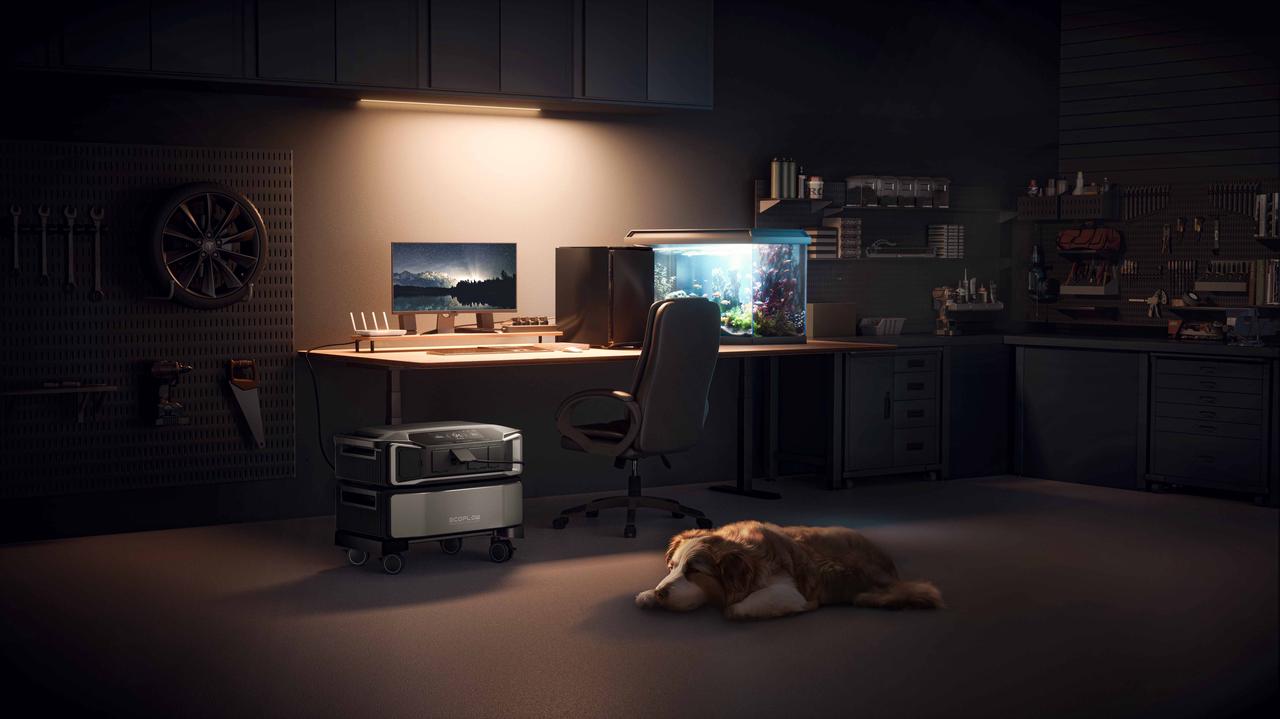
A portable power station is one of the most versatile additions to any survival kit. For households that want whole-home backup during extended outages, the EcoFlow DELTA Pro Ultra offers a high-capacity option. With enough output to run essentials like a refrigerator, fans, lights, and medical devices simultaneously, it can keep a household functional through a multi-day power failure. Paired with portable solar panels, it recharges during Canada's long summer daylight hours, giving you a renewable power source as long as the sun is out.
Smaller portable power stations from EcoFlow also work well for lighter setups, keeping phones, radios, and CPAP machines running for days. The right size depends on your household's needs, but having some form of portable power is a significant advantage in any summer emergency.
Backup Lighting
Pack at least one flashlight with extra batteries. A hand-crank flashlight is even better since it never runs out of power. LED lanterns provide area lighting for a tent or room and last much longer than candles, which also present a fire hazard, especially during dry summer conditions.
If you rely on candles, keep them in a sturdy holder and never leave them unattended. But battery-powered alternatives are safer in almost every scenario.
How to Organize and Maintain Your Kit
Having all the right supplies is only half the job. Your kit needs to be organized, portable, and current.
Storage and Portability
Pack your emergency kit in a durable backpack, duffel bag, or rolling suitcase. If your household has multiple people, split supplies across several bags so each person can carry their own. Public Safety Canada recommends keeping your kit near the front door or in a hall closet where it is easy to grab in a hurry.
For a car kit, keep a smaller version in your trunk. Summer road trips through remote areas of B.C., Northern Ontario, or the Maritimes can put you far from help if something goes wrong.
Seasonal Review Checklist
Check your kit at least twice a year. A good habit is to review it when clocks change for daylight saving time. Here is what to look for:
Expired food and water
Expired medications
Dead batteries
Outgrown children's clothing or supplies
Updated copies of important documents
Seasonal swaps (add sunscreen and insect repellent for summer, remove winter-specific items)
A neglected kit is almost as bad as no kit at all.
Build Your 72-Hour Emergency Kit Before Peak Summer Arrives
Canadian summers are becoming more unpredictable. Wildfires, heat waves, and floods can force evacuations with little warning. A 72 hour emergency kit stocked with water, food, first aid, communication tools, documents, and portable power gives your household a solid foundation for the first three days. Start small, build over time, and check your supplies every season.
Frequently Asked Questions
Q1: How much water should one person store in a 72-hour emergency kit?
Twelve litres at minimum. Public Safety Canada recommends four litres per person per day, and a three-day kit requires at least 12 litres total. In hot summer weather, consider adding a few extra litres, especially for children, elderly family members, or anyone with medical conditions that increase fluid needs.
Q2: Can I use tap water to fill my emergency water supply, or do I need to buy bottled water?
Tap water works well if stored correctly. Fill clean, food-grade plastic or glass containers with tap water and seal them tightly. Label each container with the date and replace the water every six months. Bottled water from a store is convenient, but tap water stored in proper containers is equally safe and more affordable for large quantities.
Q3: How often should I replace the food in my emergency kit?
At least every 12 months, though checking every six months is better. Canned goods typically last one to five years, but high summer temperatures in a garage or closet can shorten that window. Mark expiry dates clearly when you pack items. A simple habit is to rotate emergency food into your regular meals and replace it with fresh stock on a set schedule.
Q4: Are portable solar panels practical for emergency power in Canada?
Yes, especially in summer. Canada receives long daylight hours from June through August, making solar panels a reliable recharging option during warm-weather emergencies. Pair a foldable solar panel with a portable power station, and you can keep phones, radios, lights, and small medical devices running indefinitely. On overcast or smoky days, output drops, so a fully charged power station serves as your buffer.
Q5: What is the difference between a home emergency kit and an evacuation grab-and-go bag?
A home kit contains full supplies for sheltering in place for at least 72 hours, including larger water containers, extra food, and comfort items. A grab-and-go bag is a lighter, smaller version designed for quick evacuation, typically a single backpack per person with essentials like water, snacks, medications, documents, a flashlight, and a phone charger. Ideally, every household should have both prepared and stored in easily accessible locations.
Disclaimer: This article is for general informational purposes only and does not constitute professional emergency management, medical, or legal advice. Emergency preparedness needs vary by region, household size, and individual health conditions. Always consult official government sources for the most current guidance, including Public Safety Canada – Emergency Kits, Weather Information - Environment Canada, and your provincial or territorial emergency management organization. For medical emergencies, contact your local emergency services or call 911. Product mentions in this article are not endorsements by any government agency.