Toronto Heat Warning: What to Know and How to Prepare for Extreme Heat
Summer temperatures across the Greater Toronto Area (GTA) can escalate rapidly, shifting from pleasant conditions to a dangerous heatwave in a short time. This guide runs through Environment Canada’s heat criteria, the health risks, some practical ways to cool down, and smart home backup strategies that help keep your home comfortable and safe through the summer.
What Is a Toronto Heat Warning?
When a heat event starts putting real strain on public health, Environment and Climate Change Canada (ECCC) issues an official Toronto, Ontario heat warning, while Toronto Public Health provides localized guidance for staying safe in extreme heat.
Understand Toronto Heat Warning Criteria
ECCC runs a color-coded weather alert system, and extreme heat alerts get sorted by how severe they are, how long they’ll last, and what they do to people’s health. For Toronto and Southern Ontario, the basic trigger is a daytime high of 31°C or above with an overnight low of 20°C or above, or a Humidex of 40+ for two or more days — that’s enough for an official Yellow Heat Warning. If the heat turns severe and sticks around for three or more days straight, or starts posing serious public-health risks, ECCC bumps it up to an Orange Heat Warning.
| Alert Level | Risk & Potential Impact | Duration & Conditions |
|---|---|---|
| Yellow Heat Warning (Moderate Risk) | Moderate, localized health risks. Daily routines may require adjustment; elevated vulnerability for sensitive groups. | Daytime highs ≥ 31°C and overnight lows ≥ 20°C (or Humidex ≥ 40) expected for 2 consecutive days. |
| Orange Heat Warning (Severe Risk) | Major, widespread, and prolonged health impacts. High risk of heat-related illness across broader populations; severe demand on utilities. | Same temperature/Humidex threshold expected to persist for 3 or more consecutive days. |
| Red Heat Warning (Extreme Risk) | Very dangerous, life-threatening conditions. Widespread health emergencies and severe infrastructure strain. | Reserved for extremely rare, catastrophic, and prolonged heatwaves. |
Know When Heat Warnings Are Issued
When the weather forecast predicts a stretch of really hot weather, officials issue an extreme heat warning in Toronto. This gives people time to prepare themselves. Stay tuned to local news or weather alerts on your phone to be able to change your plans.
What Are the Health Risks of a Toronto Heat Warning?
High humidity can make hot weather feel even worse and can make it more difficult for your body to cool down by sweating.
Recognize Common Heat-Related Symptoms
What starts as a little pain can become serious faster than you realize. Spot the early signs and you can prevent ordinary fatigue from becoming a dangerous heat stroke.
Heat Exhaustion: Heavy sweating, dizziness, muscle cramps, headache, nausea, pale skin
Heat Stroke (Emergency): Body temperature above 40°C, confusion, rapid pulse, lack of sweating, loss of consciousness.
Identify Who Faces Higher Heat Risks
Extreme heat can be very hard on people, but some groups are affected way more than others.
Seniors in older or unairconditioned homes.
Babies and young children.
Outdoor workers (e.g., construction workers, transit users).
People with cardiovascular or respiratory conditions (may benefit from portable power stations to keep medical devices and cooling gear running during power instability).
Know When to Seek Medical Attention
If you have serious symptoms such as confusion, slurred speech, persistent vomiting or unconsciousness seek emergency medical care right away. If you develop more mild symptoms such as ongoing fatigue or a heat rash, call Health811 for guidance.
How Can You Stay Safe During Extreme Heat?
By making some simple changes to your daily routine, you can cope with a heat wave and avoid getting too much heat.
Stay Hydrated Throughout the Day
Never wait until you are thirsty to have a drink of water. It’s not always a good sign you need to hydrate. Or you can drink water during the day to keep your body’s electrolytes in balance. And watch out for alcohol and sugar drinks – they can make you even more dehydrated.
Limit Outdoor Activities During Peak Heat
Skip the strenuous outdoor work during the hottest stretch of the day, especially mid-afternoon. A walk through High Park, a jog on the Martin Goodman Trail, or even garden chores are all far more pleasant if you push them to early morning or late evening; when outdoor tasks are unavoidable, bringing a quiet solar generator provides a handy option to power portable misting fans or coolers away from wall outlets.
Wear Lightweight and Breathable Clothing
Reach for loose, light-colored fabrics — linen or moisture-wicking cotton let air move across your skin. Finish the outfit with a wide-brimmed hat and sunglasses that block UV.
.webp)
.webp)
How Can You Keep Your Home Cool During a Toronto Heat Warning?
Toronto is home to many different types of housing, from contemporary glass high-rises to historic brick homes in neighborhoods like Cabbagetown and The Beaches. Many older homes lack central air conditioning, making upper floor bedrooms and home offices quite hot during a multi-day heatwave.
Reduce Indoor Heat From Direct Sunlight
To cut down on heat from the sun, use blinds, blackout curtains or thermal drapes on south- and west-facing windows.
Improve Airflow Across Living Spaces
Cross-ventilation can cool your indoor space once the evening cools off. At cooler times, put box fans in the windows to pull in fresh air, and run ceiling fans in a counter-clockwise direction to create that refreshing wind-chill effect during the day.
Use Portable AC for Indoor Cooling
During a Toronto heat warning that won’t let up, indoor temps can just keep creeping up. Blinds and ceiling fans alone often aren’t enough in places like a top-floor bedroom or home office. That’s where something like the EcoFlow WAVE 3 Portable Air Conditioner comes in, which is a portable cooler you can move from room to room for targeted relief. For Toronto families who want flexibility either alongside or instead of fixed A/C, it makes a solid spot-cooling option through a long heat stretch.
What Should You Prepare Before a Toronto Heat Warning?
Getting ready ahead of time takes the last-minute scramble out of it, especially when forecasts point to an extended heat warning across Southern Ontario.
Stock Essential Heat Relief Supplies
Stock the pantry with adequate electrolyte mixes, snacks that keep, ice packs, and bottled water. Keep refillable bottles filled in the fridge so they’re ready to grab.
Plan for Vulnerable Household Members
Set up a regular check-in routine for older neighbors or relatives who live alone. And don’t forget the pets — make sure they’ve got a shady spot, a cool patch of floor, and plenty of fresh water.
Arrange Backup Power for Essential Devices
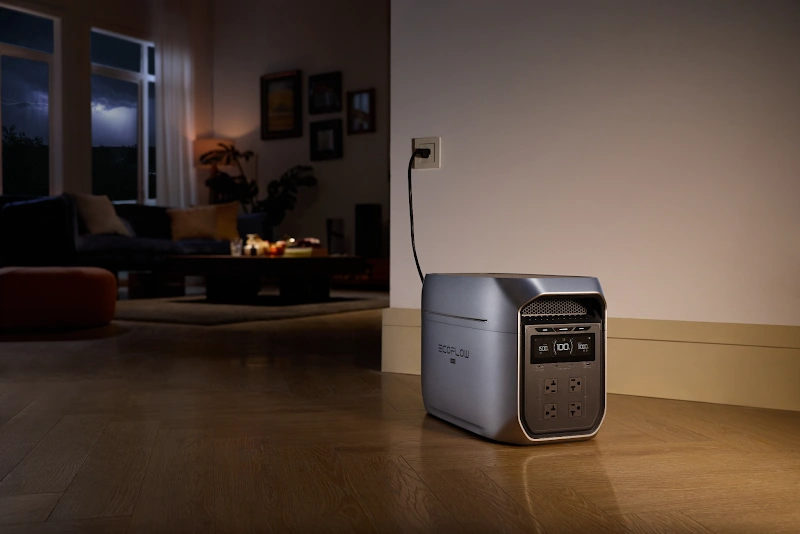
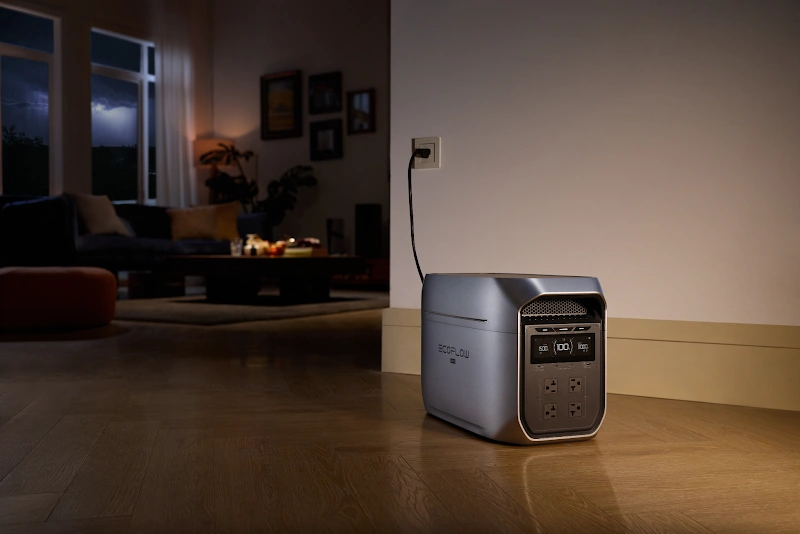
Outages are a real risk during Toronto heat warnings, usually thanks to severe thunderstorm line-ups or transformer overloads. Having a high-capacity backup generator or power station ready before the extreme weather hits keeps the critical stuff running. Top up an EcoFlow DELTA 3 Max Plus Portable Power Station (2048Wh) beforehand and your household can maintain power for critical appliances — floor fans, the fridge, medical gear, phones.
Keep Emergency Lighting and Safety Plans Ready
Knowing what to do during a Toronto power outage is essential when extreme weather strikes. Keep LED flashlights, battery-powered radios, and portable phone chargers somewhere you can grab them fast, and ensure your family has an emergency response plan in place. Skip candles during a summer blackout, as open flames only add heat and create an unnecessary fire hazard.
Conclusion
Extreme heat events in Toronto call for a bit of preparation, some thoughtful habits, and the smart home setup. Learn the warning criteria, know the signs of heat exhaustion, and keep your space cool, and an intimidating heatwave becomes something you can actually handle. Combine smart routines — drinking water, blocking the sun — with proactive gear like the EcoFlow WAVE 3 and DELTA 3 Max Plus, and most Toronto households can better maintain safety and comfort during extreme heat events.
FAQ
What Is the Hottest It's Ever Been in Toronto?
Toronto’s hottest official reading was 40.6°C, set on July 8, 1936. These days, heatwaves regularly push the Humidex well past 40°C, so the air feels a lot hotter than the number on the thermometer.
Does a Toronto Heat Warning Include Overnight Temperatures?
Yes. If you check an active heat warning in Toronto today, you will see that overnight temperatures are a big part of Environment Canada’s criteria. When nights stay at or above 20°C, homes can’t cool off the way they usually would, and your body gets less of a chance to recover from daytime heat.
Are Toronto Heat Warnings Issued for Humidity Too?
Yes. Humidity alone can trigger a warning through the Humidex rating. Even if the dry air temperatures hover around 30°C, a Humidex of 40 or higher is enough to prompt an official advisory right away.
How Long Does a Toronto Heat Warning Usually Last?
Most Toronto heat warnings run two to three days in a row. But a stubborn high-pressure atmospheric dome can pin hot air over the Great Lakes region for five days or more.
Does a Toronto Heat Warning Affect Outdoor Events?
Yes. Heat warnings often mean outdoor public events get rescheduled or called off. Festival organizers, outdoor sports leagues, and city summer camps will usually shift their schedules, set up hydration stations, or move activities indoors to keep people safe.