Top 5 Fast Charging Power Banks to Power All Your Devices
Whether you're admiring the Rocky Mountains in Alberta or navigating downtown Toronto, your devices keep you connected, capturing photos, following directions, or handling messages. Nothing interrupts the moment faster than a dead phone or laptop, which is why fast-charging power banks have become essential for Canadians, from weekend adventurers to daily commuters.
This guide takes a closer look at what actually makes fast charging technology so efficient, the key criteria you should keep in mind when choosing a power bank, and the specific models that stand out for real-world use across Canada. By the end, you’ll have a clear sense of what to look for, and which devices can keep up with the pace of life from coast to coast.
How Fast Charging Power Bank Technology Works
Fast charging technology has become a real game-changer, and it’s far more advanced than simply pushing extra current through a cable. At the heart of the process is a brief but essential exchange between the power bank and your device.
Once the connection is established, technologies like Power Delivery (PD) and Quick Charge (QC) step in to manage the rest. They continually adjust voltage and amperage as the battery fills, starting with a strong burst of power to get you back up and running quickly, then easing off as it approaches 100% to reduce heat and protect long-term battery health. This intelligent control is what lets you enjoy fast, reliable charging whether you’re topping up your phone before a morning commute or giving your laptop a boost before an afternoon meeting.
Criteria for Choosing the Best Fast Charging Power Bank
Choosing the right power bank can feel a bit overwhelming, especially with so many models promising fast charging and long battery life. The best choice really depends on how and where you plan to use it. Keeping a few core criteria in mind will help you find a power bank that fits your routine instead of slowing you down.
Fast Charging Protocols for Power Banks
Think of charging protocols as the “language” your device and power bank use to communicate. The more compatible they are, the smoother and faster the charging experience will be. Look for models that support the major standards:
Power Delivery (PD): The industry leader for high-speed charging. PD 3.0 and PD 3.1 are especially important if you use a laptop like a MacBook Pro, since these versions unlock the full, fast charging potential.
Quick Charge (QC): Common on Android phones and many accessories.
PPS (Programmable Power Supply): A smart extension of PD 3.0 that fine tunes voltage and current in real time, improving efficiency and helping devices stay cooler while charging.
Battery Capacity for Daily Needs
Battery capacity, measured in milliampere-hours (mAh), tells you how much energy the power bank can store. The ideal size depends entirely on your lifestyle:
10,000mAh: A practical, everyday size that offers one to two full smartphone charges. Great for commuting, short outings, or keeping your phone topped up during a busy day.
20,000mAh to 27,650mAh: The sweet spot for travellers, freelancers, or anyone who uses multiple devices throughout the day. These larger power banks can recharge a phone several times and provide a meaningful boost to a laptop, making them perfect for remote work from a café or a weekend getaway at a lakeside cabin.
Output Ports and Charging Speed
The number and type of ports determine how versatile a power bank really is. A good mix of USB-C and USB-A ports gives you more flexibility across different devices. Pay attention to two key specs:
The maximum output per port (for example, 100W or 140W)
The total combined output (such as 170W or 300W)
High output ratings are especially useful if you want to fast charge a laptop and a phone at the same time, or if you juggle several devices throughout your day.
Portability and Weight
If you’re packing a power bank for a hike on Newfoundland’s East Coast Trail, portability matters just as much as power. Lightweight and compact designs are easier to carry and less likely to weigh you down. For daily commuting, look for something slim enough to slip into a jacket pocket or small bag. For larger, high capacity models, aim for a balance between weight and performance so the extra power still feels worth the added bulk.
Safety Features and Protection Systems
Fast charging involves moving a significant amount of power quickly, so safety is absolutely non-negotiable. A reliable power bank should include built in protection against common issues such as overheating, overcharging, short circuiting, and over discharging. These systems work quietly in the background to keep both the power bank and your device safe during every charge.
Build Quality and Brand Reliability
A power bank is something you’ll likely use for years, so it’s worth choosing one that’s built to last. A sturdy exterior and high quality internal components make a big difference, especially when dealing with Canada’s colder temperatures, which can affect battery performance. Sticking with reputable brands also increases the likelihood of getting certified safety features, accurate output ratings, and consistent long-term reliability.
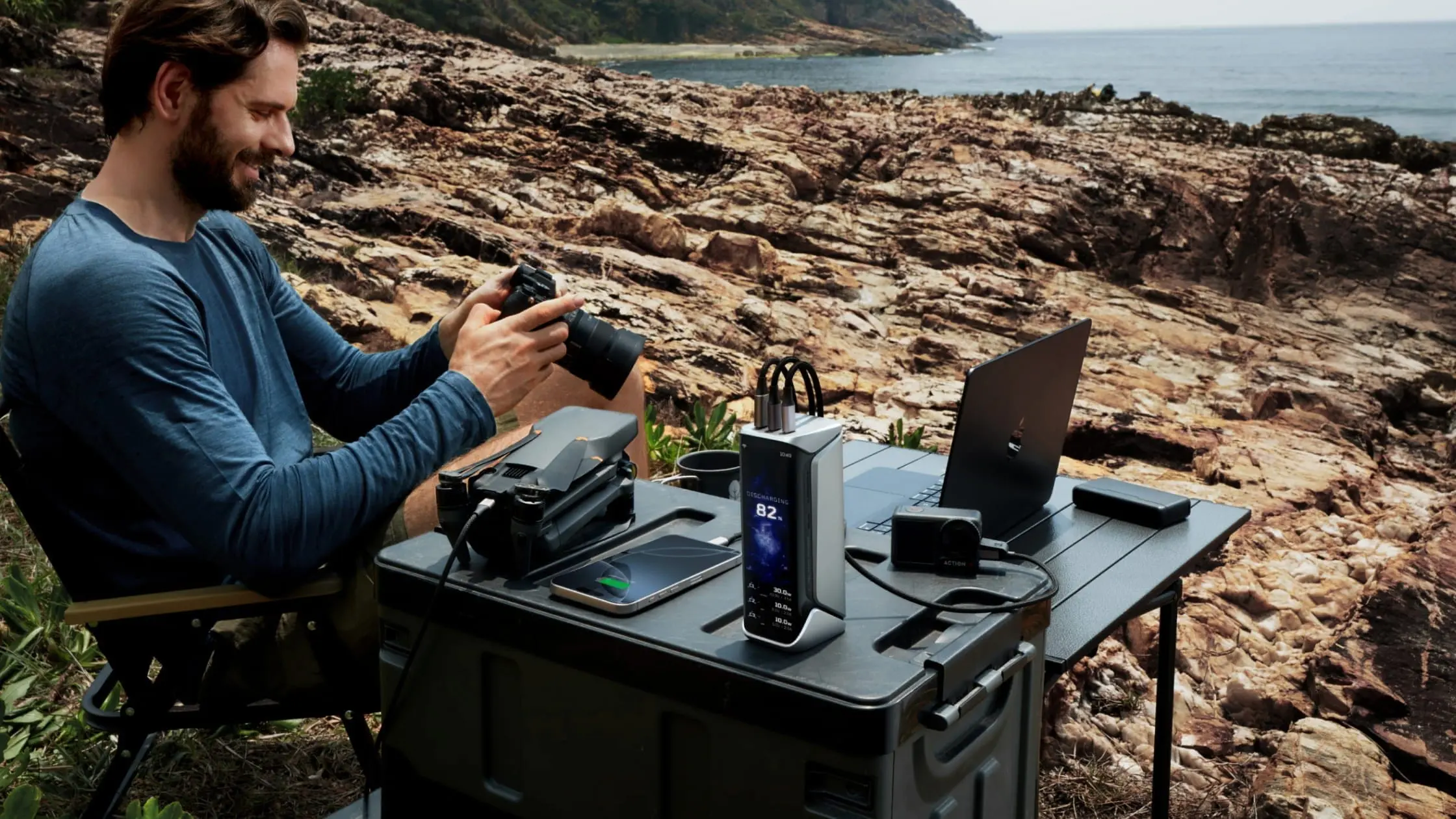
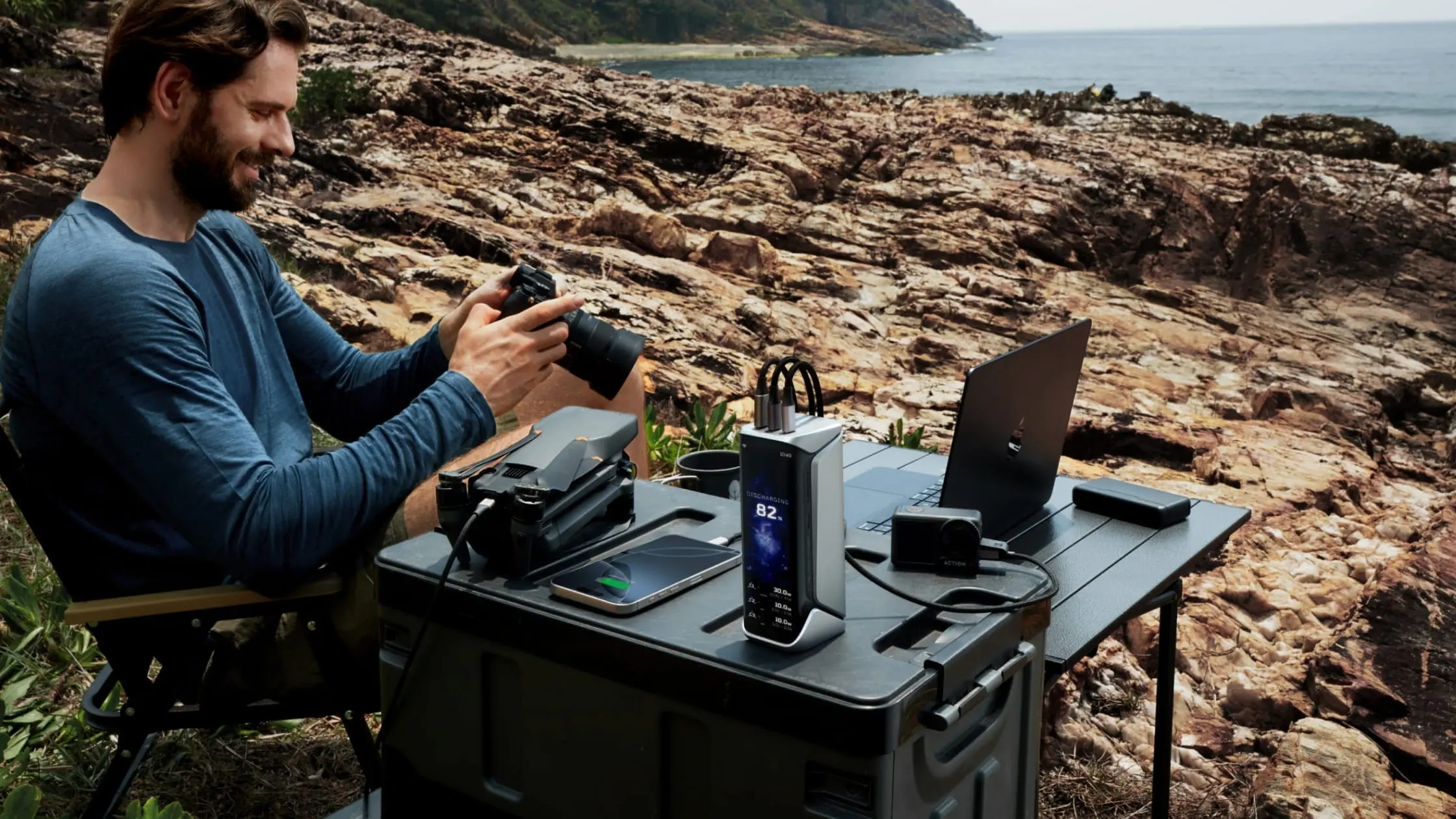
Our Top 5 Picks for Fast Charging Power Banks
Based on the criteria above, here are our top recommendations from the EcoFlow RAPID series, catering to every need from hardcore professional use to ultra-light daily carry.
With the key criteria in mind, we’ve highlighted five standout models from the EcoFlow RAPID series. Each one suits a different type of user, whether you’re a professional who relies on a laptop all day, a frequent traveller, or someone who simply wants a compact option for daily commuting.
1. Best Fast Charging Power Banks for Laptops and High-Demand Gear
When your workflow depends on devices like the latest MacBook Pro, you need a power bank built to deliver consistent, high wattage output. Smaller chargers often struggle with these demands, especially when you’re travelling or working remotely.
EcoFlow RAPID Power Bank (25000mAh, 170W)
This model stands out as a top choice for power users who need speed and reliability. EcoFlow RAPID Power Bank (25,000mAh, 170W) supports the advanced PD 3.1 protocol, offering an impressive 140W from a single USB-C port, enough to charge power hungry laptops at full speed. Its 25,000mAh capacity provides plenty of runway for long flights, busy workdays, or extended trips away from an outlet. If you rely heavily on your laptop for editing, design work, or on the go productivity, this power bank keeps everything running smoothly.
2. Best Fast Charging Power Banks for Digital Nomads
Digital nomads juggle multiple devices and often work from unpredictable places, airport lounges, cafes, co-working spaces, or a quiet cabin for the weekend. A reliable power bank becomes more than a backup; it’s an essential part of staying connected.
EcoFlow RAPID Pro Power Bank (27650mAh, 300W)
This is the powerhouse of the series. With a total output of up to 300W, EcoFlow RAPID Pro X Power Bank (27,650mAh, 300W) can fast-charge two laptops and a smartphone at the same time, making it ideal for professionals who carry multiple devices. The 27,650mAh capacity is the maximum allowed for carry-on luggage on most major airlines, so you can bring it on long flights without worry.
3. Best Fast Charging Power Banks for iPhone Users
Apple users often look for accessories that feel effortless and integrated into their everyday routine. Magnetic charging offers exactly that, no tangled cords, no searching for the right connector.
EcoFlow RAPID Mag Power Bank (10000mAh)
This compact device brings together magnetic wireless charging and fast wired output in one sleek package. Its 10,000mAh capacity is ideal for heavy smartphone use, giving you enough power to get through a full day of maps, messaging, and streaming. EcoFlow RAPID Mag Power Bank (10,000mAh, 7.5W, Magnetic Charging) also supports the new Qi2 standard, which provides more efficient magnetic charging for newer iPhone models. Just snap it onto the back of your phone and it stays securely in place while delivering a smooth, cable free charge.
4. Best All-in-One Fast Charging Power Bank for Travel (10,000mAh)
Travelling often means juggling multiple gadgets, and forgetting a cable is almost guaranteed at some point. An all-in-one design eliminates that hassle entirely.
EcoFlow RAPID Pro 3-in-1 Power Bank (10000mAh)
The EcoFlow RAPID Pro 3-in-1 Power Bank (10,000mAh, 67W) is designed for travellers who want one tool that covers every scenario. With built-in cables neatly tucked inside the unit, you don’t have to worry about packing extras or digging through your bag to find the right one. Its 67W output is strong enough to give a slim laptop an emergency boost while still fast-charging your phone. For short trips or busy travel days, this compact charger keeps everything simple and organized.
5. Ultra-Portable Solution for Daily Commuting
For light, everyday use especially when size and weight matter more than sheer capacity, sometimes a minimalist power bank is exactly what you need. Commuters, students, and anyone who prefers to travel light will appreciate a charger that offers a quick boost without taking up space.
EcoFlow RAPID Mag Power Bank (5000mAh)
This ultra thin, card style magnetic power bank is designed for people who want something they can attach and forget about. At 5,000mAh, it’s not meant to fully recharge your phone multiple times, but it’s perfect for topping up during a morning commute or keeping your device alive during a long day out. EcoFlow RAPID Mag Power Bank (5,000mAh, 7.5W, Magnetic Charging) snaps securely onto the back of your phone and adds virtually no bulk, making it an ideal emergency backup when you’re travelling with just the essentials.
| Model | Capacity | Max Output | Best For | Key Features |
|---|---|---|---|---|
| RAPID 25000mAh | 25000mAh | 170W | Laptops | PD 3.1, Remote work |
| RAPID Pro X 27650mAh | 27650mAh | 300W | Digital nomads | Charge 2 laptops, Airplane-safe |
| RAPID Mag 10000mAh | 10000mAh | 7.5W | iPhone | Qi2, Slim design |
| RAPID Pro 3-in-1 | 10000mAh | 67W | Travel | Built-in cables, All-in-one |
| RAPID Mag 5000mAh | 5000mAh | 7.5W | Daily commuting | Ultra-thin, Emergency use |
Maintenance Tips for Your Fast-Charging Power Bank
To get the best performance and longest lifespan out of your power bank, especially higher end models like the EcoFlow RAPID series, it helps to follow a few simple maintenance habits. These small steps can make a noticeable difference over years of everyday use, particularly in Canada’s varied climate.
1. Maintain 20%-80% Optimal Charge Range
Lithium-ion batteries last longest when they operate in the middle of their charge range. Although most modern chargers are built with safeguards to prevent overcharging, keeping your power bank between roughly 20% and 80% during day to day use can help slow long term battery wear. It’s a small adjustment that pays off in overall longevity.
2. Control Heat Exposure During Charging
Heat is one of the biggest threats to battery health. When fast charging, try to place your power bank on a cool, well ventilated surface so the heat can dissipate naturally. Avoid leaving it in direct sunlight or in hot environments, such as on a car dashboard during an Ontario summer, where temperatures can climb quickly and stress the internal cells.
3. Use Certified High-Spec Cables
Fast charging is only as good as the cable you pair with it. To take full advantage of protocols like PD 3.1, make sure you’re using a cable rated for the wattage you need, whether that’s 100W or 240W. Lower quality or older cables can slow down charging speeds, cause inconsistent performance, and in some cases, generate unnecessary heat.
4. Store Long-Term at 50% Capacity
If you’re planning to put your power bank away for a while, perhaps between travel seasons, set its charge to about 50% before storing it. Battery cells are most stable at this mid level state, reducing stress on the chemistry inside and helping maintain capacity over time. Store it in a cool, dry place for best results.
5. Perform Periodic Battery Calibration
If you notice unusual battery behaviour, such as sudden drops in charge percentage or inaccurate readings, a calibration cycle can help. Fully charge the power bank to 100%, let it discharge completely until it powers off, and then bring it back up to 100%. This process helps the internal gauge realign with the true battery capacity.
Conclusion
A fast charging power bank has become more than just a convenience for Canadians, it’s a practical companion that keeps your essential devices running throughout the day. Whether you rely on your phone for navigation, your laptop for work, or your camera for capturing memories, having reliable portable power helps you stay connected and prepared.
By understanding how fast charging works and choosing a model that fits your lifestyle, you can avoid those frustrating moments when your battery dies at the worst possible time. High output, dependable options, like the EcoFlow RAPID series, offer the right mix of speed, safety, and portability, making them useful whether you’re out exploring the mountains or simply getting through a busy commute in the city.
FAQ
1. Does fast charging damage battery health?
No. When it’s done properly using modern standards like Power Delivery (PD) and Quick Charge (QC), fast charging is designed to be safe for everyday use. These systems push higher speeds only in the early part of the charge, then automatically slow down as the battery approaches 80%. This tapering helps manage heat and reduces long term stress on the battery.
2. How to Choose the Best Fast Charging Power Bank?
Choosing the right power bank comes down to how you plan to use it. If you need to charge a laptop or other high demand devices, look for higher wattage, around 100W or more, and a larger capacity near 25,000mAh. For everyday phone or tablet use, a mid size option between 10,000mAh and 15,000mAh is usually enough and easier to carry. Magnetic charging can also be a helpful convenience if you use an iPhone.
3. Should I get a 10,000mAh or 20,000mAh power bank?
A 10,000mAh power bank is ideal for daily use because it’s compact and offers one or two full phone charges. A 20,000mAh model is better for travel or longer days away from outlets, since it can recharge multiple devices or give a laptop a useful boost. Your choice depends on whether you want maximum portability or longer lasting power.
4. Can I bring a 27,650mAh power bank on a plane?
Yes. Most airline regulations allow lithium-ion batteries up to 100 Watt hours (Wh) in carry-on baggage. A 27,650mAh power bank at 3.6V comes in at about 99.54Wh, which falls just under the limit. It must go in your carry on, never in checked luggage.
5. How long does it take to charge a 25,000mAh power bank?
With a modern fast charging input, such as 65W or 100W, you can typically recharge a high capacity power bank in roughly 1.5 to 2 hours. If the input is older or slower, the same power bank might take 5 to 8 hours to fill.
6. Is wireless charging faster than wired charging?
Not usually. Wired charging is much faster and far more efficient, especially with high wattage standards like 140W PD. Wireless charging shines in terms of convenience, but if speed is the priority, a good wired connection is still the best choice.