Winter Camping Tent vs Heated Cabin in Canada: How to Stay Warm and Powered
Sub-zero temperatures define Canadian winter camping from Algonquin backcountry to Jasper peaks. Your shelter selection affects budget and logistics, but heating determines comfort and safety. Traditional propane creates fatal risks in sealed environments. Modern electric systems with high-capacity power stations provide dependable warmth throughout frozen wilderness nights.
Winter Camping Tent vs Heated Cabin at Popular Canadian Destinations
When it comes to picking the right shelter between a winter camp tent and a heated cabin, it’s about money, experience, and the intended use of the wilderness. At popular Canadian winter wonderlands such as Banff, Jasper, Algonquin, and the Laurentides of Quebec, there are thousands of campers every year. Here's how they compare across critical factors at these iconic winter camping locations.
| Factor | Winter Camping Tent | Heated Cabin |
| Upfront Cost | $300-$800 tent + $300-$650 gear | No gear needed, rental only |
| Nightly Cost | $25-$40 (campsite fees) | $150-$400 (typical range at major parks) |
| Warmth Difficulty | High, requires active heating systems | Moderate, depends on cabin heating quality |
| Privacy | Excellent, backcountry solitude | Limited, shared facilities or neighbors |
| Booking Difficulty | Easy, walk in sites available | Hard, 3 to 6 months advance for peak season |
| Flexibility | High, camp anywhere permitted | Low, fixed locations only |
Winter tent camping demands more preparation but rewards you with freedom and lower costs. Heated cabins simplify logistics but lock you into expensive accommodations at popular destinations like Banff National Park or Laurentides chalets.
Important Ways to Stay Warm in Winter Camping
Staying warm in Canadian winter conditions requires a multi layered approach, whether you choose tent or cabin camping.
Dress in Layers
Your clothes create a warm bubble around your body. Use three layers:
Base layer (pulls sweat away): Merino wool or synthetic materials help wick the sweat. Do not use cotton, as it tends to retain sweat, thus cooling the body.
Mid layer (traps heat): Fleece or down jackets. Additional layers can be brought for adding and removing when needed.
Outer layer (blocks wind and rain): Wind chill is prevented by waterproof shells that allow sweating.
Sleeping System Essentials
Your sleeping setup determines whether you wake refreshed or shivering. A negative 20°C rated sleeping bag provides baseline protection, but these additions dramatically improve warmth:
Insulated sleeping pad with R value 5 or higher: Ground contact steals more heat than air exposure. Two stacked pads create superior insulation in extreme colds.
Sleeping bag liner: Add 5 to 10 degrees of warmth while keeping your bag clean.
Hot water bottle: Fill a Nalgene with boiling water before bed and place it in your sleeping bag's foot area. This works in both tents and cabins without electricity.
Shelter Specific Warming Techniques
For winter camping tents: Reduce interior space by closing vestibules. Smaller volumes heat faster and retain warmth longer. Dig your tent down 30 to 50 cm into snow to escape wind and access snow's insulating properties.
For heated cabins: Seal drafts around windows and doors with towels or extra clothing. Old Algonquin or Jasper cabins often have gaps that leak heat constantly. Close off unused rooms to concentrate on warmth.
Once you've maximized passive insulation through clothing and shelter prep, active heating becomes necessary for true comfort. This is where your choice of heating equipment creates either safety risks or reliable warmth.
Powering Your Winter Camping Tent Safely
Once you've maximized passive insulation through layering and shelter techniques, active heating becomes necessary for true comfort in sub zero temperatures. However, many winter campers make a dangerous mistake: using propane or gas heaters inside sealed tents.
Gas powered heaters produce carbon monoxide, an odorless, deadly gas that causes dizziness, unconsciousness, or death within hours in enclosed spaces.
They also create fire risks with open flames near flammable tent fabric. Opening vents for safety defeats the purpose of letting out all your heat. The solution? Electric heating powered by portable battery systems eliminates these dangers entirely.
Choosing the Right Electric Heating Devices
Electric heating systems can power low wattage electric blankets wrapped around your sleeping bag, controllable ceramic space heaters for tent interiors, and heated clothing for evening activities. Each serves different needs based on your comfort priorities and power availability.
A typical winter camping setup requires 300 to 500 watt hours per night for moderate heating. Higher capacity units can run heaters for 6 to 8 hours straight.
Calculating Your Power Needs
A typical winter camping setup requires 300 to 500 watt hours per night for moderate heating. Higher capacity units can run heaters for 6 to 8 hours straight.
Real scenario: At Algonquin's backcountry sites in January (negative 15°C), running a 500W heater for 3 hours before bed, plus a low power electric blanket through the night (50W × 8 hours), consumes roughly 1,900Wh.
For multi day winter trips in Jasper or Banff backcountry, the EcoFlow DELTA Pro 3 Portable Power Station offers expandable capacity up to 4,000Wh. A single unit can run a heater for approximately 2.2 hours continuously or power multiple heating sessions throughout your trip. Its plug and play design eliminates complicated setup in freezing conditions, while the compact build with wheels and ergonomic handle makes transport through snow effortless.
Power Backup Solutions for Heated Cabins
Heated cabins aren't immune to winter power problems. Older facilities often feature outdated electrical systems that struggle under heavy loads. Circuit breakers trip when multiple heaters run simultaneously, voltage drops during peak evening hours, and complete outages occur during ice storms or heavy snow. Remote cabins may take 12 to 24 hours for power restoration, especially if fallen trees block access roads.
Prioritizing Essential Devices During Outages
When cabin power fails, focus on essential devices rather than trying to power everything. This "load shifting" strategy maintains basic comfort without overloading your backup system.
Essential devices to prioritize:
WiFi router (10-20W): Stay connected for emergencies and weather updates
LED lighting (10-30W): Maintain basic visibility throughout the cabin
Laptop and phone charging (20-50W): Keep communication devices operational
Small electric kettle (500-800W for brief periods): Hot drinks maintain morale and body temperature
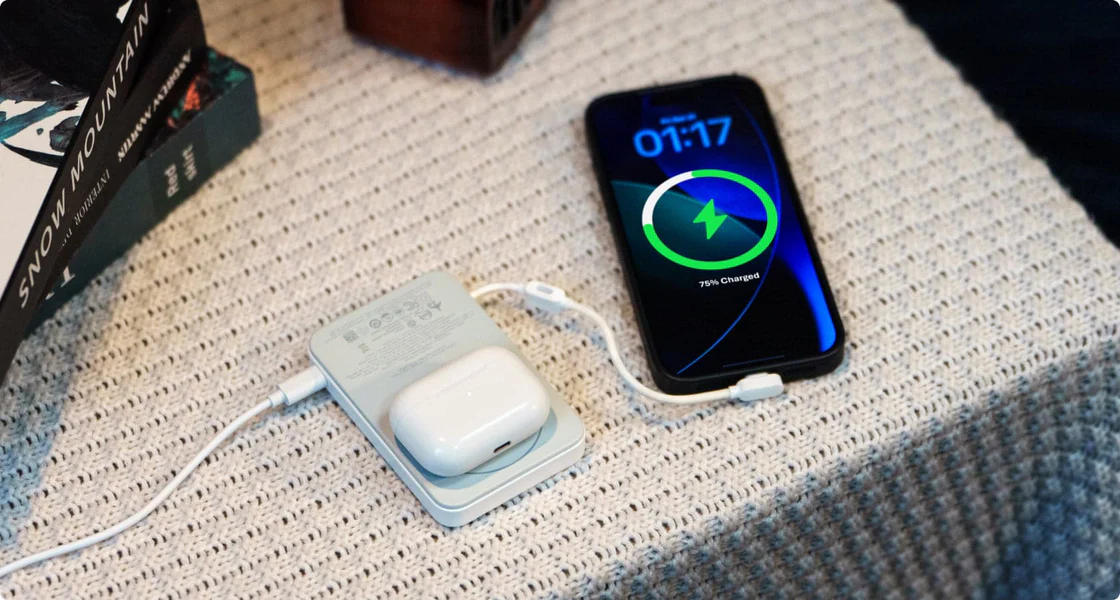
High capacity portable power stations with 3,000 to 4,000Wh can maintain these essentials for 48 to 72 hours during extended outages at Laurentides chalets or Banff cabins. For everyday convenience and quick device charging, compact solutions like the EcoFlow RAPID Mag Power Bank with its 10,000mAh capacity provide wireless magnetic charging. Perfect for keeping phones topped up without searching for outlets in dimly lit cabins, its pocket sized design makes it ideal for short walks to gather firewood or quick trips to outdoor facilities.
Quick Charging Solutions for Small Devices
Keep a compact power bank charged for everyday phone and small device needs. This prevents unnecessary drain on your main backup system for minor charging tasks. Magnetic wireless chargers with 10,000mAh capacity work well for quick top ups during short walks to gather firewood or outdoor facility visits. The EcoFlow RAPID Mag Power Bank fits this role perfectly with its pocket sized design and 7.5W charging capability.
FAQs
Q1. What Gear Should I Pack For My First Winter Tent Camping Trip?
In addition to the four-season tent, it is recommended that a negative 20°C sleeping bag, insulated sleeping pad (R value 5+), moisture-wicking base layers, and a light source be brought along. caloric-dense foods, as the body will consume more fuel for warmth. A shovel can help dig out the snow and provide shelter walls around the tent.
Q2. What Size Power Station Do I Need For Weekend Winter Camping?
For a typical weekend, the 2,000-3,000Wh portable power station will provide sufficient power for space heating and charging. This operates a 500W heater for several hours, along with the use of an overnight electric blanket, with sufficient power left for the use of phones, cameras, and lights. Larger events will require the use of expandable systems.
Q3. Which Canadian Parks Offer The Best Winter Cabin Rentals?
Algonquin Provincial Park offers year-round accessible cabins equipped with wood-burning stove heat and minimal electricity. Banff's Baker Creek Mountain Resort offers heated chalets near ski hills, equipped with complete facilities. Quebec's Mont Tremblant National Park, located in the Laurentides area, offers cabins that vary from basic heated rooms to fully serviced lodges. It is best to book these cabins 4-6 months prior for holiday seasons.
Q4. Do I Need A Permit For Winter Backcountry Camping?
For Canadian national and provincial parks, it is necessary to obtain a backcountry permit the whole year round, including the winter season. The fee for permits ranges between $10 and $15 per night per person. In other areas, for example, Jasper, the fee is lower for winter excursions. It is important that you check the avalanche forecast with Avalanche Canada.
Prepare Smart and Camp Comfortably
Winter camping success depends on proper preparation for both warmth and power. Tents offer freedom but require electric heating systems to avoid combustion dangers. Cabins provide structure yet need backup power for unreliable electrical systems. Portable battery stations deliver safe, controllable warmth for both options while maintaining comfort during outages. Proper layering, quality sleeping systems, and reliable power equipment transform winter camping from survival challenge into enjoyable wilderness experience.