A Complete Breakdown of Ontario Hydro Rates
Trying to make sense of your Ontario electricity bill can feel a bit like driving through a winter blizzard, confusing and, if you’re not prepared, expensive. Whether you’ve just opened a higher-than-expected bill or you’re planning ahead for the season, understanding how “hydro” works in this province is the first step toward managing your monthly costs.
In this guide, we’ll walk through what actually makes up your bill, compare the major 2026 pricing plans, and share practical tips for keeping your costs down even during those long, chilly Canadian nights.
What Are the Key Components of a Typical Residential Electricity Bill?
An Ontario hydro bill isn’t just about how much power you used. It’s made up of several layers, and understanding each one helps you see where your money is actually going.
Here’s how a typical residential bill breaks down:
| Component | Description | Approximate Share |
|---|---|---|
| Electricity Charges | The cost of the actual electricity you use, regulated by the Ontario Energy Board (OEB) | 50-60% |
| Delivery Charges | Cost of delivering power from generators to your home, including poles, wires, and transformers | 50-60% |
| Regulatory Charges | Fees for managing the provincial electricity system, including the IESO | 5-10% |
| HST (13%) | Harmonized Sales Tax applied to the total bill, often offset by the Ontario Electricity Rebate | 10-15% |
Electricity charges usually make up the largest portion of your bill, but delivery fees are a close second. Even if you reduce your usage, some of these costs remain fixed, which is why bills don’t drop as dramatically as people expect. Visualizing it as a pie chart can help, electricity takes the biggest slice, followed by delivery, then tax and regulatory fees.
What Are the Current Major Electricity Pricing Plans in Ontario?
As of early 2026, Ontario households can choose how they’re billed. Most homes are automatically placed on Time-of-Use TOU rates, but you can switch to Tiered pricing or the newer Ultra-Low Overnight ULO plan depending on how and when you use electricity.
Time-of-Use (TOU) Rates
TOU rewards households that shift usage to lower demand hours. Under the Winter schedule running until April 30, 2026, rates are:
| Period | Days | Hours | Rate (¢/kWh) |
|---|---|---|---|
| Off-Peak | Weekdays, Weekends, Holidays | Weekdays 7 p.m. – 7 a.m.; All day weekends & holidays | 9.8 |
| Mid-Peak | Weekdays | 11 a.m. – 5 p.m. | 15.7 |
| On-Peak | Weekdays | 7 a.m. – 11 a.m.; 5 p.m. – 7 p.m. | 20.3 |
Note: These reflect the 2025-2026 winter Regulated Price Plan schedule. Rates can vary slightly depending on your local utility such as Hydro One or Toronto Hydro, and annual updates from the Ontario Energy Board.
For many families, simply running laundry or dishwashers after 7 p.m. can noticeably lower monthly costs.
Tiered Rates
Tiered pricing removes the time-of-day factor. You pay one rate up to a set monthly threshold, and a higher rate above that amount.
For winter November 1 to April 30:
Tier 1: 12.0 cents per kWh for the first 1,000 kWh
Tier 2: 14.2 cents per kWh for usage above 1,000 kWh
This option can make sense for households that use most of their electricity during daytime hours, such as work-from-home families.
Ultra-Low Overnight (ULO) Rates
Ultra-Low Overnight (ULO) Rates
The ULO plan is designed for EV owners and households that can shift heavy usage overnight. It offers:
3.9 cents per kWh from 11 p.m. to 7 a.m. daily
39.1 cents per kWh during weekday evenings from 4 p.m. to 9 p.m.
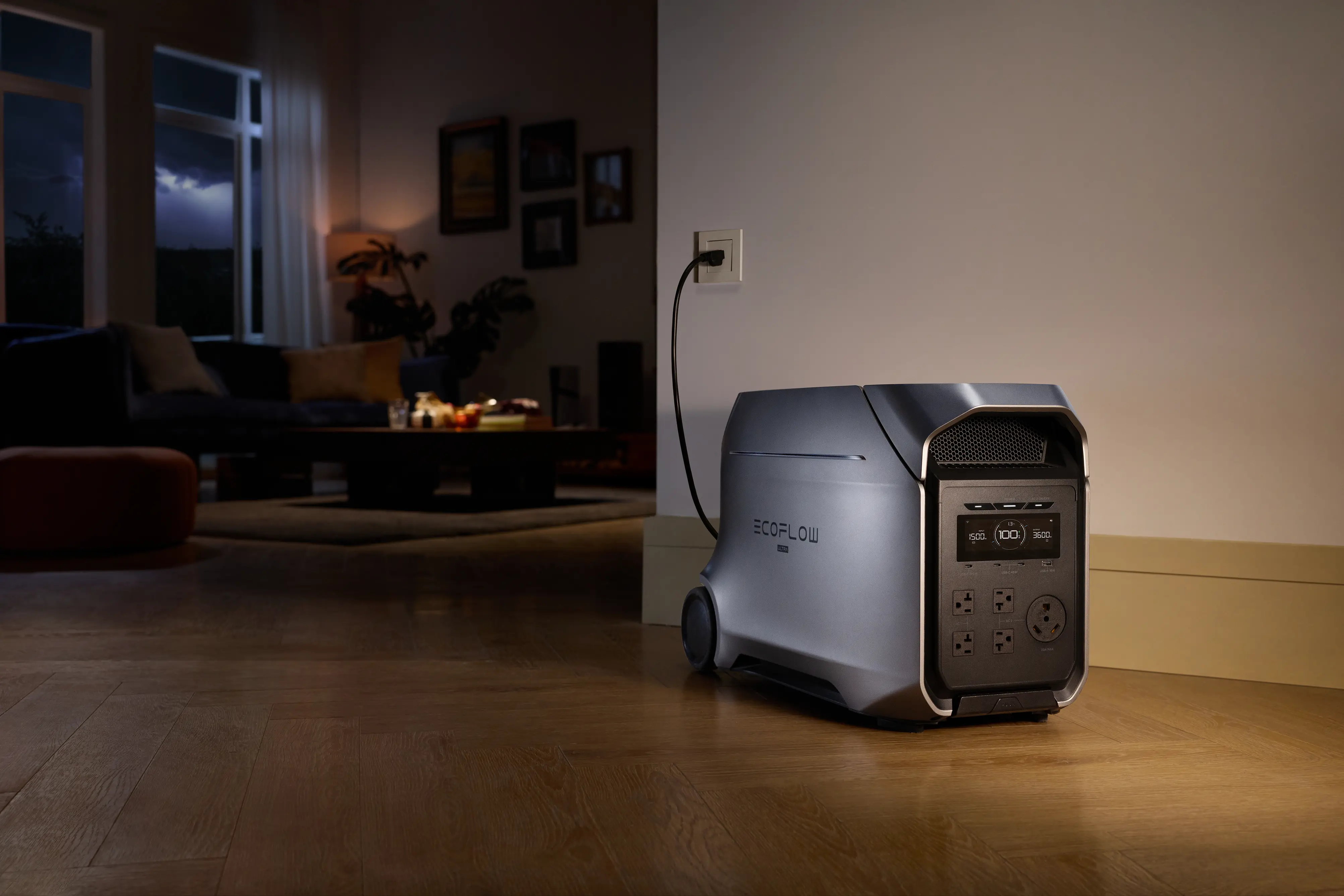
The difference between overnight and peak pricing is significant. That gap is what makes energy storage more attractive for some households. Many Ontario homeowners using the ULO plan pair it with a home battery system like the EcoFlow DELTA Pro Ultra Whole-Home Backup Power. The idea is simple: charge the battery overnight when rates are low, then use stored energy during peak evening hours instead of drawing from the grid.
Is the Investment Worth It?
A common question Ontario homeowners ask is how long a home battery system takes to pay for itself. Under the Ultra-Low Overnight ULO plan, the math can become interesting.
The concept is called energy arbitrage. You charge a battery overnight at 3.9 cents per kWh, then use that stored power during peak hours when rates rise to 39.1 cents per kWh. The wider the gap between those two prices, the greater the potential savings.
Here’s a simple illustration:
| Daily Usage Shifted | Overnight Cost (3.9¢) | Peak Cost (39.1¢) | Daily Savings | Annual Savings (Approx.) |
|---|---|---|---|---|
| 6 kWh (Basic appliances) | $0.23 | $2.35 | $2.12 | ~$770 |
| 12 kWh (Heavy AC/Heating) | $0.47 | $4.69 | $4.22 | ~$1,540 |
These estimates assume consistent usage shifting throughout the year. Actual savings depend on your household’s efficiency, delivery charges, and how much of your evening load you can realistically move to stored energy.
For families with high evening consumption, a system like the DELTA Pro Ultra can reduce exposure to peak pricing while also providing backup during outages. In a province where winter storms occasionally knock out power, that backup value adds another layer beyond simple cost savings.
Ontario Electricity Rebate (OER)
It’s also important to remember that most residential customers receive the Ontario Electricity Rebate, currently around 23.5 percent as of late 2025 to 2026. This credit is applied automatically to eligible accounts and reduces the base portion of your bill, helping keep overall hydro costs more manageable.

How Much Do Ontario Households Pay On Average For Hydro?
The average electricity bill in Ontario varies widely depending on household size, location, and usage. A condo in North York won’t have the same bill as a rural farmhouse in the Ottawa Valley. Still, there are some general benchmarks that help set expectations.
Typical Usage and Monthly Bill Range
The average Ontario household uses roughly 700 to 1,000 kWh per month. In 2026, that usually translates to a bill between $120 and $150 per month after the Ontario Electricity Rebate is applied. Homes that rely heavily on electric heating or cooling will sit at the higher end of that range, especially in winter or during humid summer stretches.
Example Monthly Usage Calculation
To see how usage adds up, here’s a simplified example of a household’s monthly electricity consumption:
| Appliance | Power (W) | Daily Usage (hours) | Monthly kWh |
|---|---|---|---|
| Fridge | 100 | 24 | 72 |
| LED Lights | 10 | 4 | 1.2 |
| Space Heater | 1,500 | 5 | 225 |
| Dishwasher | 1,200 | 1 | 36 |
| Laundry Machine | 500 | 1 | 15 |
| Total | — | — | 349.2 kWh |
Using average winter Time-of-Use rates, 9.8 cents off-peak, 15.7 cents mid-peak, and 20.3 cents on-peak, this amount of usage would cost roughly $50 to $70 per month before delivery charges and taxes. Add in heavier heating, air conditioning, or more appliances, and usage can easily climb to 700 to 1,000 kWh, which aligns with the $120 to $150 monthly range after rebates.
Factors That Influence Total Costs
Electric dryers, space heaters, and air conditioners are often the biggest drivers of high bills. Even small behavioural changes, like running a dryer during off-peak hours, can make a difference over time. Location also matters. Rural delivery charges are typically higher because electricity has to travel farther to reach lower-density areas.
Delivery and Account Charges
Regardless of usage, most bills include a fixed monthly service charge, often around $30 to $40. This covers infrastructure and account management costs from your local utility provider.
Variations Between Dwellings
A newer, well insulated condo might see monthly bills as low as $60 to $70. An older detached home with electric baseboard heating, on the other hand, can see bills approach $300 during a cold Ontario February. Insulation, heating type, and square footage all play a major role.
How Can Residents Manage and Reduce Hydro Costs?
You can’t control the rates set by the Ontario Energy Board, but you can control how and when you use electricity. Small adjustments, especially in winter, can make a noticeable difference on your monthly bill.
Shifting Load to Off-Peak and Overnight
Savings with Ontario's time-of-use pricing start by moving high-usage activities to cheaper hours. Under the Time-of-Use plan, electricity drops to the off-peak rate after 7 p.m. on weekdays and all weekend.
Running your dishwasher, laundry, or charging devices during those hours can reduce overall costs. For households on the Ultra-Low Overnight plan, shifting usage after 11 p.m. can result in even deeper savings.
For those who don’t want to reorganize their schedule around electricity rates, some homeowners use battery systems like the EcoFlow DELTA 3 Ultra Plus Portable Power Station (3072Wh). It can store power during low-rate periods and supply it during the day, allowing you to benefit from cheaper pricing without dramatically changing daily routines.
Choosing the Right Rate Plan
Ontario offers Time-of-Use, Tiered, and Ultra-Low Overnight options. The best choice depends on your lifestyle. If you work from home and use most of your electricity during the day, Tiered pricing might actually be more predictable and cost effective. The Ontario Energy Board’s online calculator is a useful starting point when comparing plans.
Improving Home Energy Efficiency
Basic upgrades still matter. Sealing drafty windows with plastic film, switching to LED bulbs, using a programmable or smart thermostat, and upgrading insulation can reduce total usage by 10 to 15 percent in many homes.
Checking Eligibility for the Ontario Electricity Rebate
Most households automatically receive the Ontario Electricity Rebate, currently around 23.5 percent. If you live in a condo or rental where units are not individually metered, confirm that the proper paperwork has been submitted so the rebate is applied correctly.
Using Smart Meter Insights and Apps
Utilities like Hydro One and Toronto Hydro offer online portals where you can track hourly usage. Reviewing this data can help you identify appliances that run constantly, sometimes called “vampire loads”, and make simple changes that lower your bill without affecting comfort.
Conclusion
Ontario’s hydro system isn’t simple, but once you understand how the rates work, it becomes much easier to manage. Choosing the right pricing plan, whether that’s Time-of-Use, Tiered, or Ultra-Low Overnight, can make a noticeable difference over the course of a year.
Pair that with smart usage habits, better insulation, or even a whole home battery backup system to shift energy away from peak hours, and you gain more control over your monthly costs. Staying informed and adjusting how you use electricity is often the most practical way to keep your home warm, bright, and affordable through every Ontario season.
FAQ
1. Is hydro cheaper after 7pm in Ontario?
Yes. Under the Time-of-Use plan, electricity switches to the Off-Peak rate at 7 p.m. on weekdays. That lower rate also applies all weekend and on holidays. For many households, running laundry or dishwashers after 7 p.m. can noticeably reduce monthly costs. Some also choose a power station to store electricity during these cheaper hours.
2. How much of Ontario is powered by nuclear energy?
Approximately 50 to 60 percent of Ontario’s electricity comes from nuclear power. Nuclear provides a steady baseload supply, supported by hydroelectricity, natural gas, wind, and solar generation.
3. How often are Ontario hydro rates updated?
Hydro rates are typically reviewed annually. The Ontario Energy Board usually announces updated Regulated Price Plan rates that take effect on November 1 each year.
4. Why are hydro bills so high in Ontario?
Higher bills are often the result of both usage and delivery costs. Ontario is geographically large, and maintaining transmission infrastructure adds to overall expenses. Heavy electricity use during winter heating or summer air conditioning, especially during On-Peak hours, can significantly increase total costs.
5. Which province has the cheapest electricity in Canada?
Quebec consistently has the lowest residential electricity rates in Canada. This is largely due to its extensive hydroelectric generation and the provincial utility model operated by Hydro-Quebec, which keeps rates comparatively low.