Tidal Bore: Where to See It in Canada and How to Stay Safe Near Fast-Rising Water
- What Is A Tidal Bore?
- Where Can You See It In Canada?
- How Should You Plan A Tidal Bore Moncton Visit?
- Is Tidal Bore Rafting Worth Trying?
- How Can You Stay Safe Near Fast-Rising Water?
- What Should You Pack For A Viewing, Road Trip, Or Camping Day?
- When Is The Best Time To See The Bay Of Fundy Tides?
- Plan Your Fundy Trip With Safety and Power Backup In Mind
- FAQs
A tidal bore is one of Atlantic Canada’s most unusual natural sights: an incoming tide pushes upriver as a visible wave. Around the Bay of Fundy, visitors can watch it from city viewpoints, riverside parks, and guided rafting trips. This guide explains where to see the phenomenon in Canada, how to time your visit, and how to stay safe near fast-rising water.
Safety Note: This article is for general travel planning only. Tides, river conditions, weather, and access rules can change quickly. Always check official tide tables, local park notices, and on-site signs before approaching shorelines, mudflats, or tidal rivers. If conditions look unsafe, stay back and choose a marked viewing area.
What Is A Tidal Bore?
Many travellers search “what is a tidal bore” after hearing about the Bay of Fundy or seeing videos of muddy rivers suddenly reversing direction. The short answer is that it happens when a strong incoming tide moves into a narrow river or estuary and forces the river current to turn back upstream.
How The Wave Forms
The Bay of Fundy has a large tidal range, and that moving water can create dramatic changes in connected rivers. When the incoming tide meets a river flowing out toward the sea, the front edge of the tide can appear as a wave or surge.
The size and shape of the wave can vary. It may look like a rolling line of water on one day and a more energetic surge on another day. Weather, river flow, tide height, wind, and location can all affect what visitors see.
Why Canada Is A Special Place To See It
Canada’s Bay of Fundy region is one of the most accessible places to learn about this phenomenon. New Brunswick and Nova Scotia both have viewing spots where visitors can plan a short stop or build a longer coastal road trip. This is why “what is a tidal bore” is not only a science question. For many Canadians, it is also a travel question tied to Moncton, Truro, the Shubenacadie River, and the wider Fundy coastline.
What To Expect As A Viewer
Do not expect every viewing to look like a huge ocean wave. At some locations, the first sign may be a raised line of water moving upstream, followed by a fast change in river level. The most impressive part is often how quickly the river changes direction and fills in after the bore passes.
Where Can You See It In Canada?
The best-known Canadian locations are in the Bay of Fundy region. Each place offers a different experience, from easy urban viewing to guided adventure trips.
Moncton, New Brunswick
Tidal bore Moncton searches usually lead visitors to Bore Park along the Petitcodiac River. It is one of the most convenient places to watch because it is close to downtown and has a clear riverside viewing area.
The event happens around predicted times, but visitors should arrive early because timing can shift. The visible wave in Moncton is not always large, yet the river’s rapid change is still worth seeing for first-time visitors.
Truro And The Fundy Discovery Area
Near Truro, Nova Scotia, visitors can learn about the Fundy tides and watch the phenomenon from riverside observation areas. This area works well for travellers who want a slower educational stop rather than a high-adrenaline activity.
It can also be a good option for families because the experience can be paired with interpretive information, short walks, and other Fundy-region stops.
Shubenacadie River, Nova Scotia
The Shubenacadie River is closely associated with tidal bore rafting. Instead of watching from shore, visitors join guided boat tours that ride the incoming surge and rapids created by the tide.
This experience is more active and wet, so it is better suited to travellers who are comfortable with guided water adventure. Check operator requirements, age limits, clothing guidance, and seasonal availability before booking.
How Should You Plan A Tidal Bore Moncton Visit?
A Moncton stop is one of the easiest ways to see the phenomenon without a full-day adventure plan. The main challenge is timing.
Check The Arrival Time
Tidal bore Moncton viewing depends on predicted arrival times, which change daily. Check the City of Moncton tidal bore schedule before leaving, and compare it with Canadian Hydrographic Service tide information for nearby stations when planning a wider Fundy route. Because arrival times are estimates, arrive early rather than timing your visit to the exact minute.
If you are planning photos or video, give yourself enough time to park, walk to the viewing area, and choose a safe spot.
Pick A Safe Viewing Location
Use established viewing areas, railings, boardwalks, or marked public spaces. Avoid going down onto muddy banks or river edges for a closer look. The ground can be slippery, and water levels may change faster than expected. For visitors with children, keep them close and explain that the river may look calm before the water rises.
Bring The Right Day Gear
A Moncton viewing stop may seem short, but it can still involve waiting, walking, and using your phone for maps, photos, and tide updates.
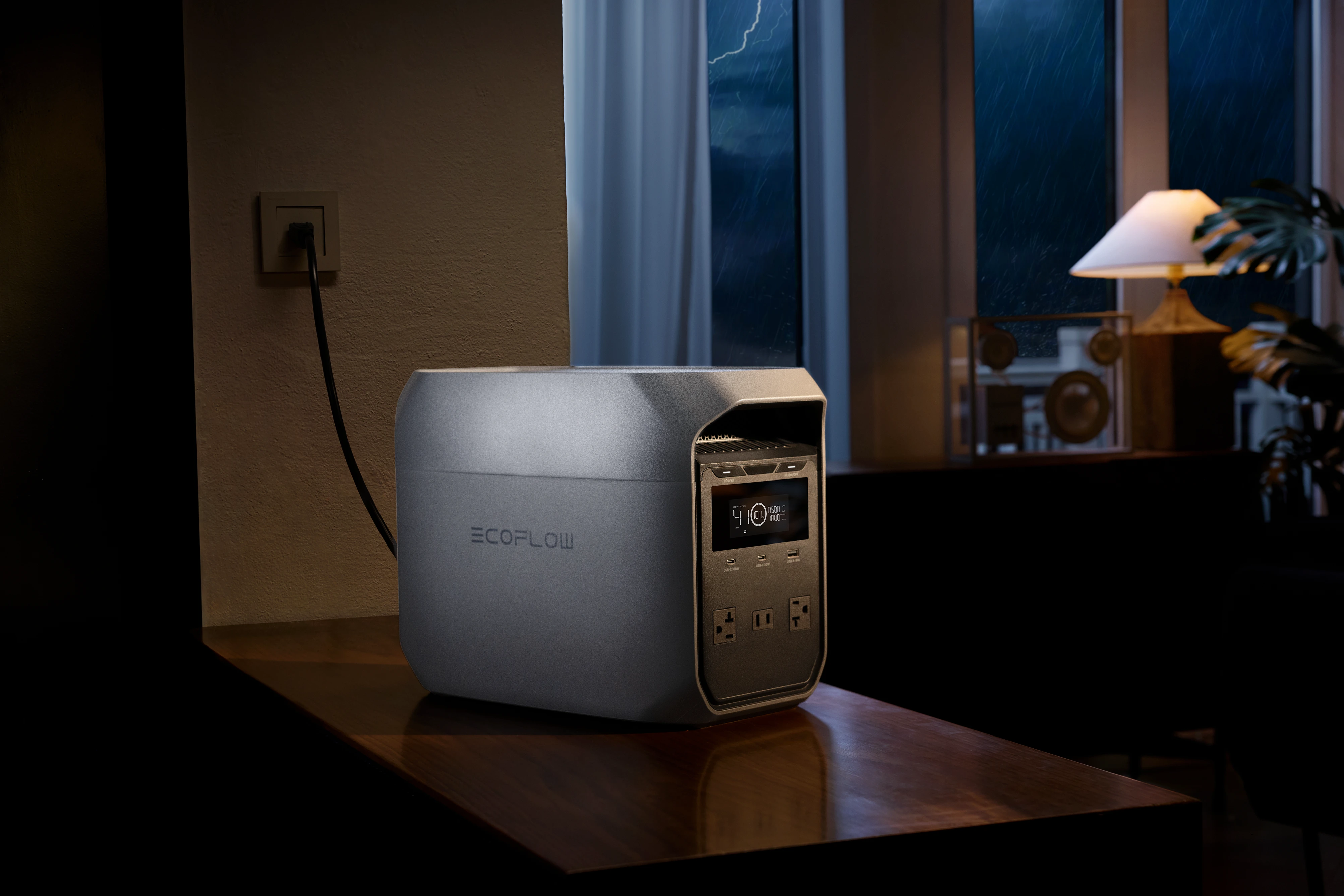
As one example, the EcoFlow DELTA 3 Classic Portable Power Station can support phones, cameras, small coolers, and navigation gear when outlets are limited.
Is Tidal Bore Rafting Worth Trying?
For many visitors, tidal bore rafting is one of the most memorable ways to experience the Bay of Fundy’s energy. It is also very different from standing at a viewpoint.
What The Experience Is Like
Guided rafting trips usually take visitors onto a river before the incoming tide arrives. As the tide pushes upstream, the water becomes rougher, and the boat rides waves and rapids created by the changing current.
Expect to get wet and muddy. This is part of the appeal for many travellers, but it also means you should dress properly and follow all guide instructions.
Who Should Consider It
Tidal bore rafting may suit adventurous travellers, groups of friends, families with older children, or visitors who want more than a quick viewing stop. However, it may not be ideal for people who dislike rough water, cold splashes, or physically active outings.
Before booking, read the operator’s safety guidance. Ask about life jackets, footwear, weather policies, medical restrictions, and what to bring.
Why Guided Trips Matter
Do not try to enter fast-rising tidal rivers on your own. Local guides understand timing, river conditions, boat handling, and safety procedures. Guided tidal bore rafting is designed around those conditions, while casual shoreline access is not.
How Can You Stay Safe Near Fast-Rising Water?
Safety should be part of every Fundy-region visit. The water can rise quickly, and muddy shorelines can be difficult to cross.
Check Tides Before Walking On Shorelines
In the Bay of Fundy region, low tide can reveal large mudflats, beaches, and shoreline areas. These places may look open and walkable, but the returning tide can move faster than expected.
Check official tide tables before walking on beaches, mudflats, or exposed ocean floor. In the Bay of Fundy region, rising water can move quickly and may cut off return routes around headlands, coves, or sandbars. Turn back early, follow posted signs, and use marked access points instead of walking farther for photos.
Avoid Mudflats And Slippery Banks
Mudflats can be soft, sticky, and difficult to leave quickly. Riverbanks may also be slippery or unstable. Avoid walking down to the edge for a photo, especially near narrow river channels.
A safe photo from a viewing area is usually better than a risky close-up.
Watch Children And Pets Closely
Children and pets may not understand how quickly water can change. Keep them away from river edges, mudflats, and steep banks. Use leashes for pets in viewing areas and avoid bringing them on crowded or slippery paths if they are nervous.
Do Not Rely Only On Phone Signal
Some rural areas may have weak reception. Download maps, save tide information, and tell someone your plan if you are driving to a less busy location.
What To Do If Water Starts Rising
If water begins rising faster than expected, move away from the shoreline immediately and return by the same safe route you used to enter. Do not cross fast-moving water, mud channels, or flooded low spots. If someone is trapped, do not attempt a risky rescue from shore. Call 911 and ask for local emergency help. For marine emergencies where available, contact the Canadian Coast Guard through VHF Channel 16 or the appropriate emergency reporting channel.
What Should You Pack For A Viewing, Road Trip, Or Camping Day?
A good packing list makes the day easier, especially if you are moving between small towns, coastal parks, and riverside viewpoints.
For Viewing And Photography
Bring a charged phone, camera, extra battery, light jacket, rain layer, water, snacks, and comfortable footwear. A small towel can help if you are near muddy areas or damp viewing spots.
If you want video, arrive early and set up before the water begins changing. Avoid walking backward while filming near banks or railings.
For Road Trips
Pack water, a cooler, sunscreen, bug spray, a first-aid kit, paper towels, hand sanitizer, and offline maps. Gas stations and restaurants can be spaced out in some coastal areas, so plan food and fuel stops.
If you are travelling with kids, bring simple activities for waiting times. The bore itself may pass quickly, but timing your arrival may involve extra downtime.
For Camping Or Cottage Stays
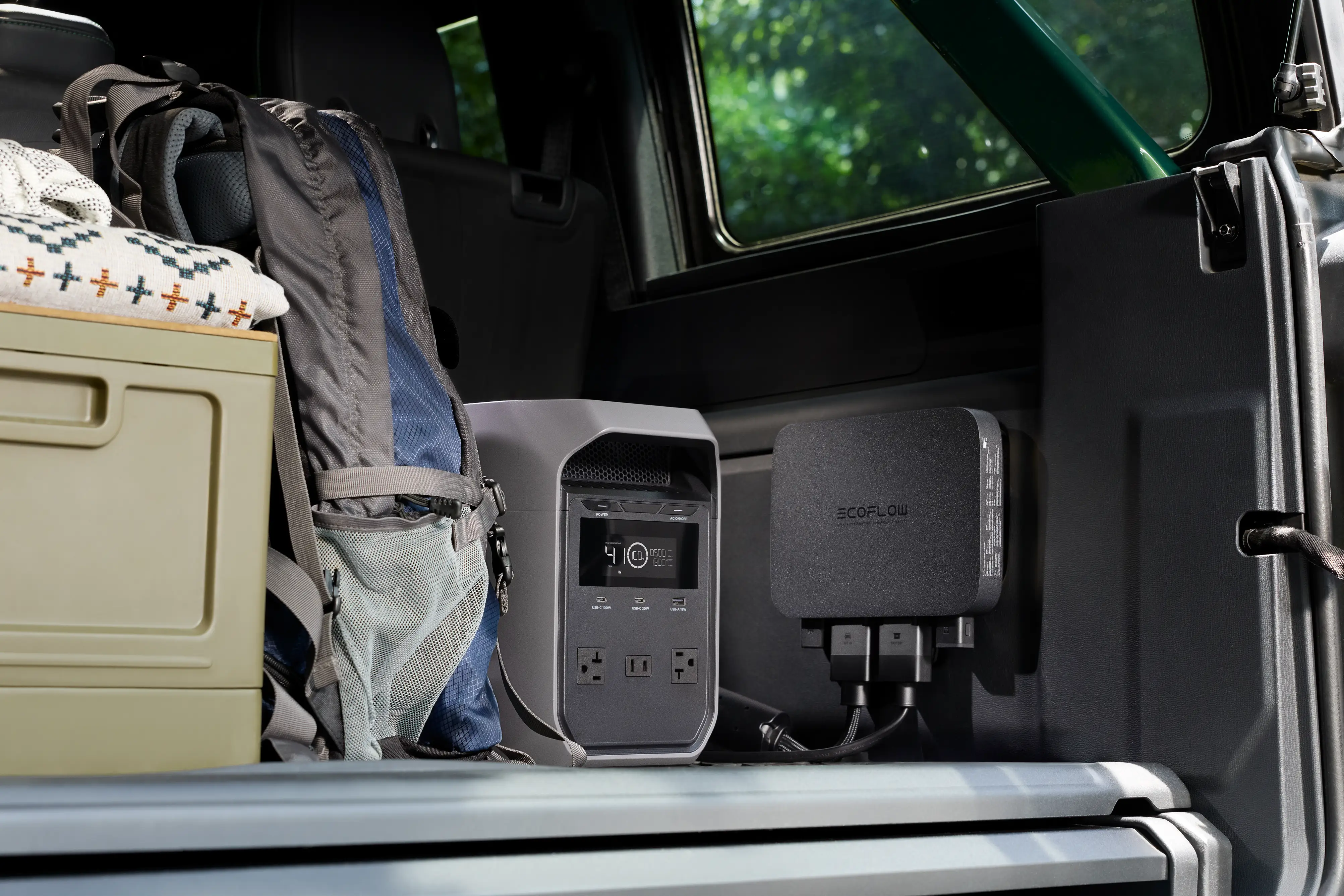
Bring layered clothing, headlamps, cooking supplies, charging cables, food storage, and weather-ready gear. Check campsite rules before bringing extra equipment, especially if power access is limited.
For longer days, keep important devices charged so you can use maps, tide schedules, weather alerts, and camera storage without stress.
When Is The Best Time To See The Bay Of Fundy Tides?
The best time depends on location, tide schedule, season, and what kind of experience you want. There is no single perfect time for every visitor.
Use Tide Tables, Not Guesswork
Tide timing changes daily. Always check the specific location you plan to visit. A good time in Moncton may not match a good time on another river or beach.
For viewpoints, arrive early and stay long enough to watch the water change after the first wave passes. For rafting, follow the tour operator’s schedule.
Consider Spring And Summer Travel
Warmer months are often more comfortable for road trips, rafting, camping, and family travel. Some tours are seasonal, so check availability before planning around a specific activity.
Autumn can also be beautiful in the Maritimes, but weather can change quickly. Dress in layers and check road conditions if travelling later in the season.
Plan More Than One Stop
A Fundy trip can include a viewpoint, a coastal walk, a local meal, a museum or interpretive centre, and a safe shoreline visit at low tide. Seeing more than one location helps you understand the full tidal landscape, not just one moment.
Plan Your Fundy Trip With Safety and Power Backup In Mind
Canada’s Fundy region offers memorable places to watch a tidal bore, from Moncton viewpoints to Nova Scotia rafting routes. Check official tide times, use marked viewing areas, and prepare for fast-changing water. If your trip includes road stops, camping, or photography, the EcoFlow DELTA 3 Classic Portable Power Station is a practical example for keeping essential devices charged.
FAQs
Q1. What Is A Tidal Bore?
A tidal bore happens when a strong incoming tide moves into a river or estuary and pushes the river current upstream as a visible wave or surge. It is easiest to see in places with large tides, narrow channels, and the right river shape.
Q2. Where Is The Best Place To See A Tidal Bore In Canada?
Moncton, New Brunswick, is one of the easiest places to view it from shore. Nova Scotia’s Shubenacadie River is well known for guided rafting trips. The best choice depends on whether you want a simple viewpoint or an active water adventure.
Q3. When Can I See Tidal Bore Moncton?
Tidal bore Moncton viewing depends on daily predicted arrival times along the Petitcodiac River. Check the official schedule before going and arrive early because actual timing may shift. Bore Park is a popular downtown viewing location.
Q4. Is Tidal Bore Rafting Safe?
Guided tidal bore rafting can be a managed adventure activity when done with a qualified operator and proper safety equipment. Conditions can still be wet, rough, and physically active. Follow guide instructions and check age, health, and clothing requirements before booking.
Q5. Can You Walk On The Bay Of Fundy Ocean Floor?
In some areas, visitors can walk on exposed shoreline or tidal flats at low tide, but only when it is safe and permitted. Always check tide times, follow signs, and leave plenty of time to return before the water rises.
Q6. Why Is The Bay Of Fundy Famous For Tides?
The Bay of Fundy is famous because its shape and tidal conditions create a very large tidal range. This makes the region a strong place to see dramatic shoreline changes, tidal rivers, and related experiences such as viewing points and rafting trips.
Q7. What Should I Bring To Watch The Tidal Bore?
Bring a charged phone, camera, water, weather-appropriate layers, comfortable footwear, tide information, and snacks. For rural stops, offline maps are helpful. Stay on safe viewing areas and avoid muddy banks or fast-rising water.