What Is the True Boondocking Meaning? A Complete Guide for Beginner RVers
- What Does Boondocking Mean in RV Camping?
- Why Do RVers Choose Boondocking?
- Boondocking vs. Dry Camping vs. Dispersed Camping
- How Does Boondocking Work?
- What Do You Need for Boondocking? (Essential Gear & Power Solutions)
- Where Can You Go Boondocking in Canada?
- Boondocking Safety, Rules, and Etiquette
- Conclusion
- FAQ
Boondocking means RV camping without traditional hookups like electricity, water, or sewer connections. For Canadian RVers, it’s a way to explore remote landscapes while staying completely self-sufficient. This guide walks you through what boondocking really means, how it stacks up against other styles of off‑grid camping, and what gear and safety basics you’ll need to get started on your first independent adventure into Canada’s backcountry.
What Does Boondocking Mean in RV Camping?
Leaving organized campgrounds can feel challenging at first, but understanding boondocking makes it easier to see why many Canadian RVers choose this style of travel.
The Simple Definition of Boondocking
Boondocking is RV camping in remote spots with no hookups—no power, no water, no sewage. The biggest difference is that boondockers usually choose remote or undeveloped locations and rely completely on their own resources. It’s one of the most self-sufficient approaches to experience the outdoors, where your rig becomes a fully contained setup that relies on your own tanks and power systems to keep everything going out in the wild.
Where the Term “Boondocking” Comes From
The term actually comes from the Tagalog word bundok, which means “mountain.” Back in the early 1900s, American soldiers stationed in the Philippines started using “boondocks” to describe remote, wild, or rural backcountry areas. Over the years, the RV crowd picked it up and shortened it to “boondocking” to talk about camping out in those same kinds of isolated spots.
Why Boondocking Is Popular Among RV Travellers
The popularity of boondocking comes mainly from a desire for more freedom and quieter outdoor travel. Many travellers are choosing to trade cramped, gravel RV pads for wide‑open spaces where the only neighbours are the wildlife and the sound of wind moving through the pines.
Why Do RVers Choose Boondocking?
Regular campgrounds are convenient, no question. But they don’t always give you that raw, unfiltered feel of the Canadian outdoors. Many modern explorers find that integrating a reliable system for solar power for RV setups helps reduce reliance on crowded campgrounds and supports off-grid travel. When you look at what boondocking actually offers, it’s easy to see why more and more travellers are leaving the paved lots behind.
Freedom, Privacy, and Connection with Nature
Boondocking also offers more privacy, since campsites are usually far from other RVs. You can sip your morning coffee in total quiet, step right out onto untouched ground, and soak in Canada’s natural beauty without the crowds, noise, or restrictions that come with traditional campgrounds.
Cost Savings Compared to Campgrounds
Commercial RV resorts can eat into your travel budget fast, especially with nightly rates that climb during peak summer months. Boondocking, on the other hand, is usually free or costs a fraction of what you’d pay at a standard campsite. That frees up a lot of cash and lets you go farther and stay out longer on the road.
Access to Remote and Scenic Locations
Some of the best views in North America are tucked away well beyond the reach of any utility line. Boondocking gets you right up to dramatic cliff edges, remote glacial lakes, and deep alpine valleys across Canada—places that commercial campgrounds just can’t touch.
Boondocking vs. Dry Camping vs. Dispersed Camping
The world of off‑grid camping is full of terms that sound pretty similar but actually mean different things. To help you plan your trips, it’s useful to understand the common off-grid camping terms first.
| Type | Meaning | Typical Location | Main Difference |
|---|---|---|---|
| Boondocking | RV camping without hookups in remote areas | Crown land, forests, backcountry | Complete self-sufficiency |
| Dry Camping | Any camping without hookups | Campgrounds, parking areas, Crown land | Focuses on lack of hookups |
| Dispersed Camping | Camping outside designated sites | Crown land, public forests, undeveloped land | Focuses on campsite location |
Which Camping Style Is Best for Beginners?
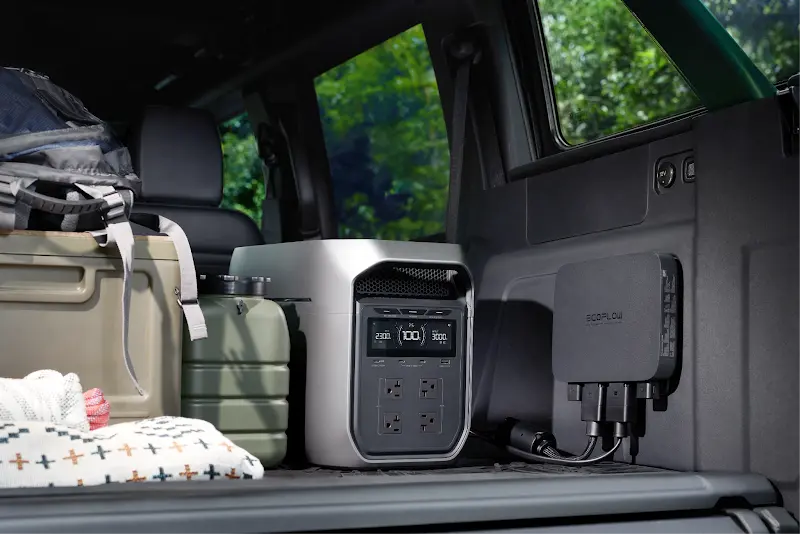
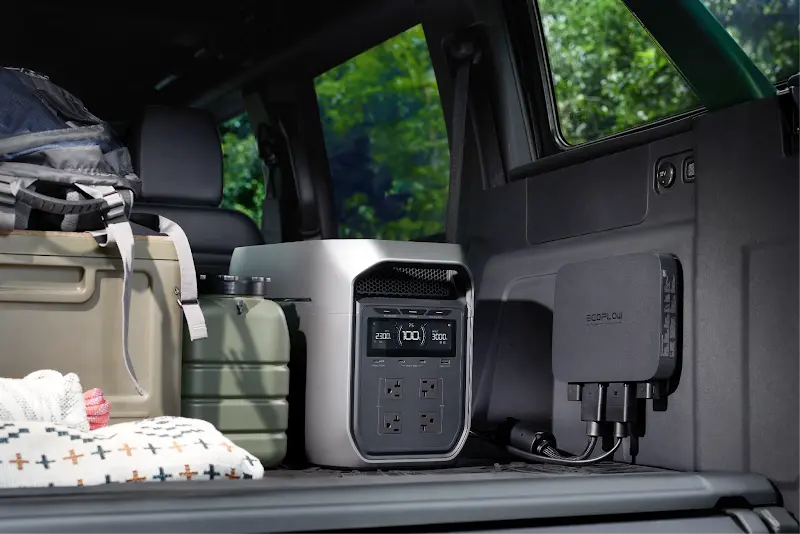
If you’re new to off-grid travel, it’s a good idea to start with a weekend of dry camping at a local provincial park. That way, you can practice managing your water and power use, and test equipment such as a portable power station, while still having the safety net of a clear campground road and park staff nearby before heading deeper into the backcountry.
How Does Boondocking Work?
Getting through your first off‑grid trip comes down to managing your resources. The key to a smooth transition is keeping a close eye on what you’re using and staying prepared for the kinds of challenges you’ll run into across different parts of the country.
Living Fully Off-grid: Water, Power, and Waste Basics
When you’re boondocking, resource management is a careful balancing act. Your fresh water tank holds all the water you drink and clean with. Your grey and black tanks collect your waste. Your house batteries keep your appliances running. Conservation is everything—short showers, running your gear efficiently, and keeping an eye on your power use are what let you stay out longer.
How Long Can You Boondock Before Resupplying?
Most beginner RVers may manage around three to five days of boondocking before they need to resupply. That window really depends on how fast you run through your fresh water and fill up your waste tanks—though a good power setup can extend your stay quite a bit.
Common Challenges First-Time Boondockers Face
The learning curve usually hits you in a few ways. Unexpected battery drain, running through fresh water way too fast, and bouncing down rough logging roads that aren’t on any map. Learning how to track your daily power use and plan your route ahead of time will save you from a stressful weekend rescue situation.
What Do You Need for Boondocking? (Essential Gear & Power Solutions)
Heading deep into the backcountry means changing up your gear strategy. Making sure your rig is equipped with the right tools keeps you safe, comfortable, and powered up—even when there’s not a power pedestal in sight.
Water, Food, and Waste Management Essentials
To stay comfortable out there, bring portable freshwater jerry cans to top up your main tank. Use heavy‑duty biodegradable bags and quality tank treatments to keep odours in check. A reliable water filtration system is also a smart investment—it lets you safely draw from natural water sources when you need to.
Solar Power, Batteries, and Portable Power Stations
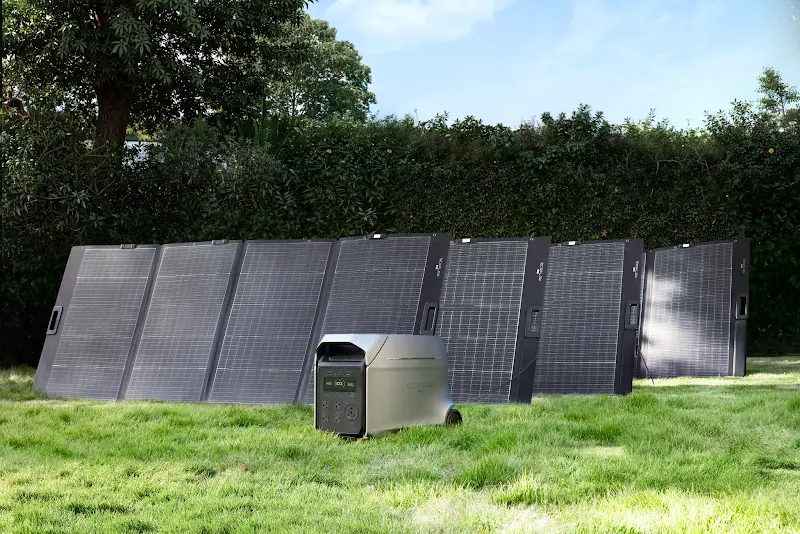
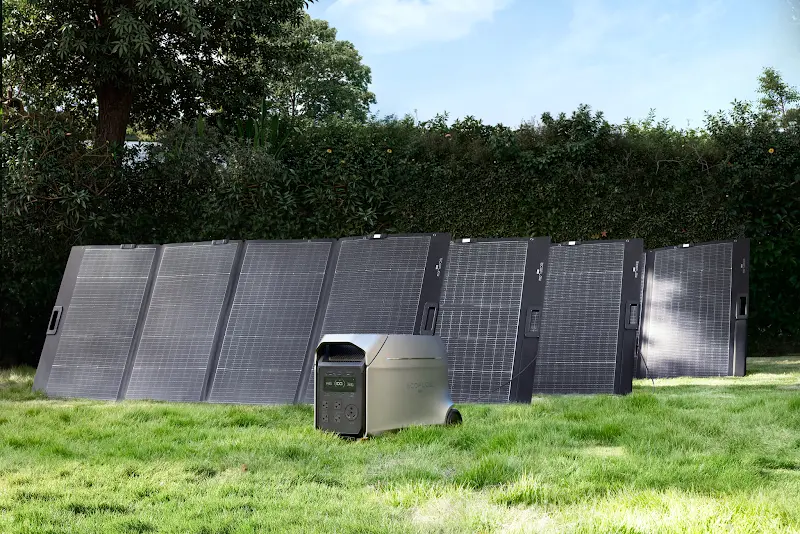
When it comes to boondocking, especially at remote lakeside or mountain campsites in British Columbia and Alberta, solar power is one of the most reliable and eco‑friendly ways to stay powered. If you’re planning to extend off‑grid stays in an RV, a solid energy storage and solar setup is a must.
One example is the EcoFlow DELTA 3 Ultra Plus + 400W Solar Panel bundle. It’s designed for off-grid travel in demanding outdoor conditions. With a high-capacity battery system and a high‑efficiency 400W panel, it recharges quickly on bright summer days. Even in cooler or overcast shoulder‑season weather, it keeps your essential gear running smoothly, from portable fridges and camp lights to laptops. For travellers crossing the Rockies or setting up basecamp on Crown land, this solar‑and‑power‑station combo gives you more stability and freedom when you’re off the grid.
Connectivity, Navigation, and Emergency Gear
Never head past cell coverage without offline maps downloaded, a reliable GPS communicator, a well‑stocked first aid kit, and a physical topographic map. It’s also a good idea to keep a basic toolset and traction boards in your rig for handling any unexpected issues on isolated routes.
How to Keep Your RV Powered Off-Grid
When you’re truly boondocking, vehicle‑based charging matters just as much as solar, especially given how vast Canada is and the long distances between destinations. If your travel style involves moving frequently between remote areas or taking extended cross‑country RV trips, having a way to generate power while you drive is a huge plus.
That’s where the EcoFlow DELTA 3 Max Plus (2048Wh) + 800W Alternator Charger comes in. This system taps into your vehicle’s alternator to recharge your battery bank quickly while you’re on the road, so your RV stays topped up during transit and you don’t have to stress about power when you’re off‑grid. For overland travels tackling massive distances across these expansive provinces, this charge-as-you-go approach gives you a massive boost in off-grid reliability, and cuts down your reliance on fixed campground hookups.
Where Can You Go Boondocking in Canada?
Canada has millions of square kilometres of stunning public land, which makes it a dream destination for off‑grid RVers. Knowing the rules and knowing where to go will set you up for a legal, hassle‑free trip.
Understanding Crown Land Camping Regulations
Camping on Crown land is allowed in many parts of Canada, but rules vary by province. Always check local regulations, permits, and stay limits before setting up camp.
National Parks and Provincial Park Restrictions
Boondocking is generally not permitted in Canada’s National Parks, where overnight stays are restricted to designated campgrounds under Parks Canada regulations. In most provincial parks, similar rules apply, and overnight parking outside designated campsites is also not allowed. Always check local park regulations before your trip.
Popular Boondocking Destinations
British Columbia Backcountry: Explore stunning, free forestry recreation sites tucked away along old logging roads near Revelstoke and the Kootenays.
Alberta Crown Land Areas: Discover spectacular, rugged mountain backdrops along the famous Public Land Use Zones (PLUZ) just off the David Thompson Highway near Abraham Lake.
Northern Ontario Wilderness: Camp alongside peaceful, secluded shield lakes and dense pine forests far north of the standard tourist paths.
How to Find Boondocking Sites (Apps & Maps)
Finding a good legal spot is pretty straightforward if you use tools like iOverlander, Campendium, or the official provincial Crown land maps. These resources give you crowdsourced reviews, road condition updates, and clear boundaries to help you stay safe and on the right side of the rules. Many reviews also include practical information about campsite conditions, helping RVers determine whether additional equipment such as a solar generator may be useful for longer off-grid stays.
Boondocking Safety, Rules, and Etiquette
Sharing the outdoors with wildlife and other travellers means taking personal responsibility seriously. Following proper outdoor etiquette helps keep these beautiful public lands open and safe for years to come.
Leave No Trace Principles
Make sure you pack out everything you packed in, and leave your campsite looking like you were never there. Dispose of your waste properly, follow any local fire bans, and never dump your greywater or blackwater directly on the ground.
Wildlife Safety in Canada
Canada’s backcountry is home to grizzly bears, black bears, wolves, and moose, so keeping a clean campsite is non‑negotiable. Always store food inside your hard‑sided RV, keep bear spray within easy reach, and never leave garbage outside overnight.
Weather Preparedness for Canadian Conditions
Canadian weather can turn fast. Mountain temperatures can drop below freezing even on midsummer nights. Keep an eye on local weather radio alerts, be ready for sudden downpours or early snow, and make sure your heating and insulation are in good working order before you head out.
Conclusion
Boondocking is one of the best ways to experience Canada’s backcountry in its rawest, most freeing form. Once you get the hang of self‑sufficiency, follow the local rules, and equip your rig with smart power solutions, you can take your RV off the main roads with confidence. Pack your gear, charge your power banks, and go find your own piece of the great Canadian outdoors.
FAQ
Is Boondocking Legal in Canada?
Boondocking is allowed in many parts of Canada, particularly on Crown land, but regulations vary by province and land designation. Just make sure you check local bylaws and provincial rules ahead of time, since it’s generally not allowed in most urban areas, national parks, and certain conservation zones.
Can You Boondock in a Travel Trailer?
Yes, travel trailers can be used for boondocking as long as it has its own fresh water, grey water, and black water tanks. You’ll also need an independent power source, like a portable power station or solar panels, to run your lights, water pump, and appliances without being plugged in.
How Much Power Do You Need for Boondocking?
A basic boondocking setup usually needs about 1 to 2 kilowatt‑hours of power a day to run lights, a water pump, and a few small electronics depending on your setup and daily habits. If you want to use higher‑draw appliances like a microwave, coffee maker, or a laptop setup for remote work, your daily consumption can jump to 3 to 5 kWh or more. That means you’ll need a solid battery bank and a solar kit to match.
Is Boondocking Safe for Beginners?
Yes, boondocking can be perfectly safe for beginners, as long as you prepare properly, plan your campsite in advance, and test your RV’s systems at home before you head out. For your first few trips, sticking within a reasonable drive of a highway or a small town gives you a little extra peace of mind.
How Do RVers Get Internet While Boondocking?
Most RVers stay connected while boondocking through satellite internet like Starlink, or by using cellular hotspots with directional signal boosters. With the right setup, you can keep working remotely even when you’re parked deep in the Canadian backcountry.