Cottage Checklist: What to Pack for a Hot Summer Weekend in Canada
- Quick Cottage Checklist
- 1. Start With a Cottage Packing Checklist for the Basics
- 2. Pack for Sun, Heat, and Outdoor Comfort
- 3. Organize Food, Drinks, and Cold Storage
- 4. Prepare Power, Connectivity, and Backup Essentials
- 5. Plan for Swimming, Water Safety, Kids, and Pets
- 6. Prepare for Rain, Storms, and Wildfire Smoke
- 7. Use This Final Cottage Pack List Before You Leave
- Pack Smarter Before Your Next Cottage Weekend
- FAQs
A hot summer cottage weekend in Canada can mean swimming, barbecues, bugs, sudden rain, wildfire smoke, and limited store access. A practical cottage packing list helps you prepare for comfort, food safety, kids, pets, and backup plans without overpacking. Use this guide to organize essentials before you leave home.
Quick Cottage Checklist
If you are loading the car right now, make sure you have these non-negotiables in your immediate-reach bag:
Health & Safety: Personal prescriptions, broad-spectrum sunscreen, insect repellent, and a basic first-aid kit.
Documentation: Printed copy of check-in details, offline maps, and emergency local contacts.
Hydration & Power: Extra potable water, fully charged phones, flashlights, and a backup battery source.
Weather Prep: At least one warm layer, a rain jacket, and high-quality protective masks (N95/KN95) for potential smoke days.
1. Start With a Cottage Packing Checklist for the Basics
A good cottage weekend starts with the items you will use every day. Before packing extras, cover clothing, bedding, toiletries, medications, documents, and simple comfort items.
Clothing for Hot Days and Cool Evenings
Summer cottage weather can shift quickly. Pack breathable clothing for daytime, a hoodie or light jacket for evenings, and at least one rain layer. If the cottage is near a lake, river, or forested area, bring clothing that can handle damp ground, mosquitoes, and cooler nights.
Include:
T-shirts and shorts
Light pants or long sleeves for bugs
Swimsuits
Sleepwear
Rain jacket
Extra socks
Water-friendly sandals
Comfortable walking shoes
This basic cottage packing checklist should be adjusted by region. A weekend in Muskoka, the Laurentians, Vancouver Island, or Atlantic Canada may feel different, even in the same month.
Toiletries and Personal Items
Pack sunscreen, lip balm with SPF, insect repellent, after-bite care, personal medications, glasses or contact lenses, toothbrush, toothpaste, shampoo, soap, and towels. If the cottage has hard water, lake water, or limited bathroom supplies, bring your own essentials.
Do not forget prescriptions, allergy medicine, and any medical items that may be difficult to find near a rural cottage.
Documents and Access Details
Save the cottage address, check-in instructions, Wi-Fi details, emergency contacts, parking rules, and local store hours before leaving. Remote areas may have weak signal, so offline access helps. A printed copy of key details can be useful if your phone battery runs low or reception drops.
2. Pack for Sun, Heat, and Outdoor Comfort
Hot cottage weekends are often built around being outside. Sun protection and heat planning should be part of your packing list, not an afterthought.
Sun Protection
Pack broad-spectrum sunscreen, sunglasses, hats, light cover-ups, and shade options if the cottage has limited tree cover. Reapply sunscreen throughout the day, especially after swimming, sweating, or towel drying.
If children are coming, pack extra hats, rash guards, and shaded play options. Keeping kids in the shade during the strongest sun hours can make the day easier for everyone.
Heat and Hydration
Bring more drinking water than you think you need, especially if the cottage water supply is limited, private, or unfamiliar. Reusable water bottles help guests stay hydrated during swimming, hiking, paddling, and lawn games.
Useful hot-weather items include:
Electrolyte packets
Refillable bottles
Cool towels
Portable fan
Shade canopy or umbrella
Light blankets for evening
A packing list for cottage weekends should always include a heat plan, especially when several people will be outside for hours.
Bug Protection
Mosquitoes, blackflies, and ticks can affect cottage areas in many parts of Canada. Pack insect repellent, long sleeves for dusk, light pants, and a tick removal tool if you will be hiking or staying near tall grass.
Keep doors closed, repair torn screens if possible, and avoid leaving standing water in buckets, toys, or open containers.
3. Organize Food, Drinks, and Cold Storage
Food planning matters because cottage stores may be far away, expensive, or closed earlier than expected. A clear plan also helps prevent food waste and fridge crowding.
Build a Simple Meal Plan
Plan meals before shopping. A weekend usually needs fewer complicated recipes than people expect. Choose easy breakfasts, one or two grill meals, simple lunches, and snacks that work outdoors.
Good cottage meal options include:
Eggs and toast
Sandwiches or wraps
Grilled vegetables
Burgers or skewers
Pasta salad
Fruit
Granola bars
Chips and salsa
Easy desserts
Avoid planning every meal around oven or stovetop use if the cottage kitchen is small or warm.
Use Separate Coolers
Use one cooler for drinks and one for perishable food when possible. Drink coolers are opened more often, which lets warm air in. Keeping food separate helps it stay colder longer.
Pack raw meat, fish, and poultry in sealed containers. Keep them away from ready-to-eat foods. Use ice packs or block ice, and keep coolers in the shade.
Bring Safe Food Tools
Pack a food thermometer if you are grilling meat, plus cutting boards, knives, tongs, foil, storage containers, garbage bags, dish soap, and paper towels. If the cottage kitchen is lightly stocked, bring your own basics.
A cottage pack list should include cleaning supplies because outdoor meals, sticky drinks, and lake days can make surfaces messy quickly.
4. Prepare Power, Connectivity, and Backup Essentials
Cottages often have fewer outlets, weaker Wi-Fi, and occasional power concerns during storms. Power planning helps with comfort, safety, and basic communication.
Charge Before You Leave
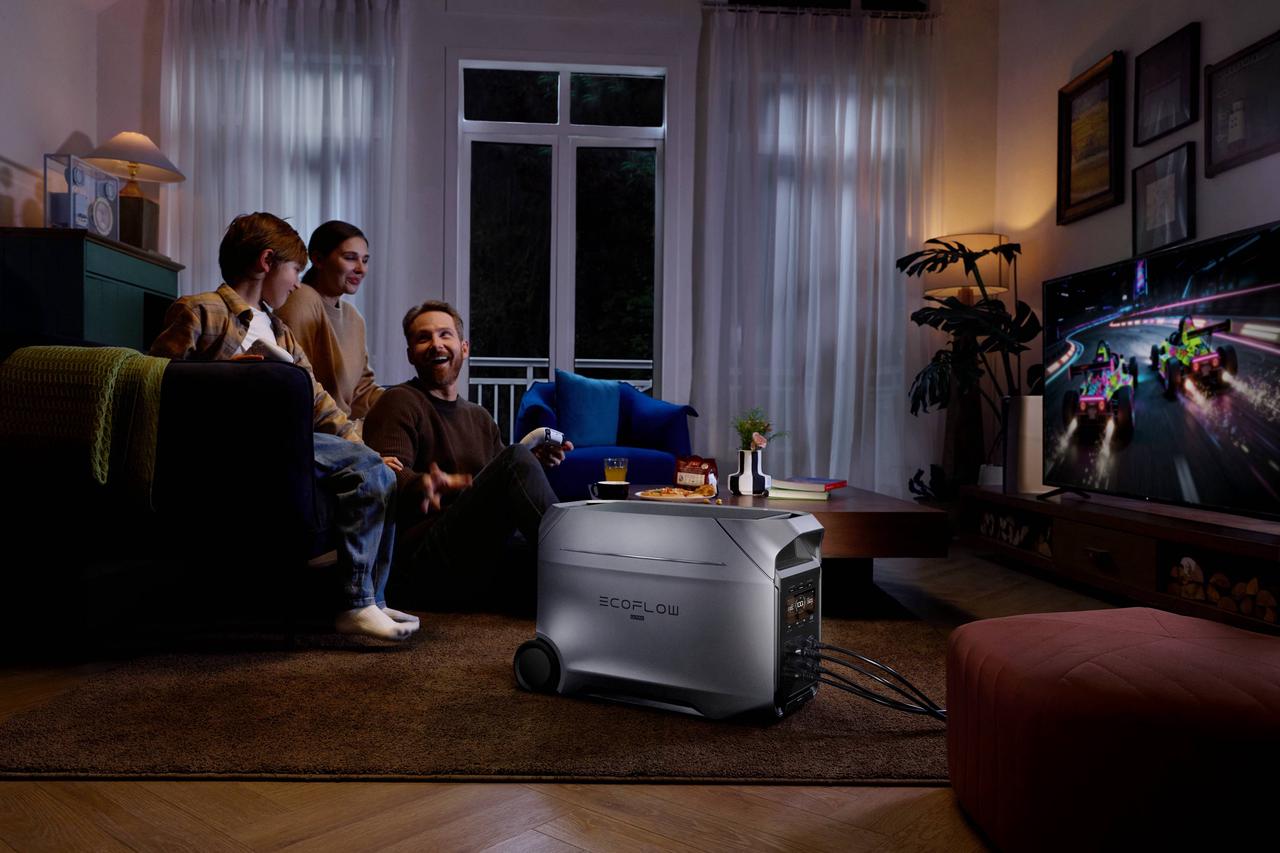
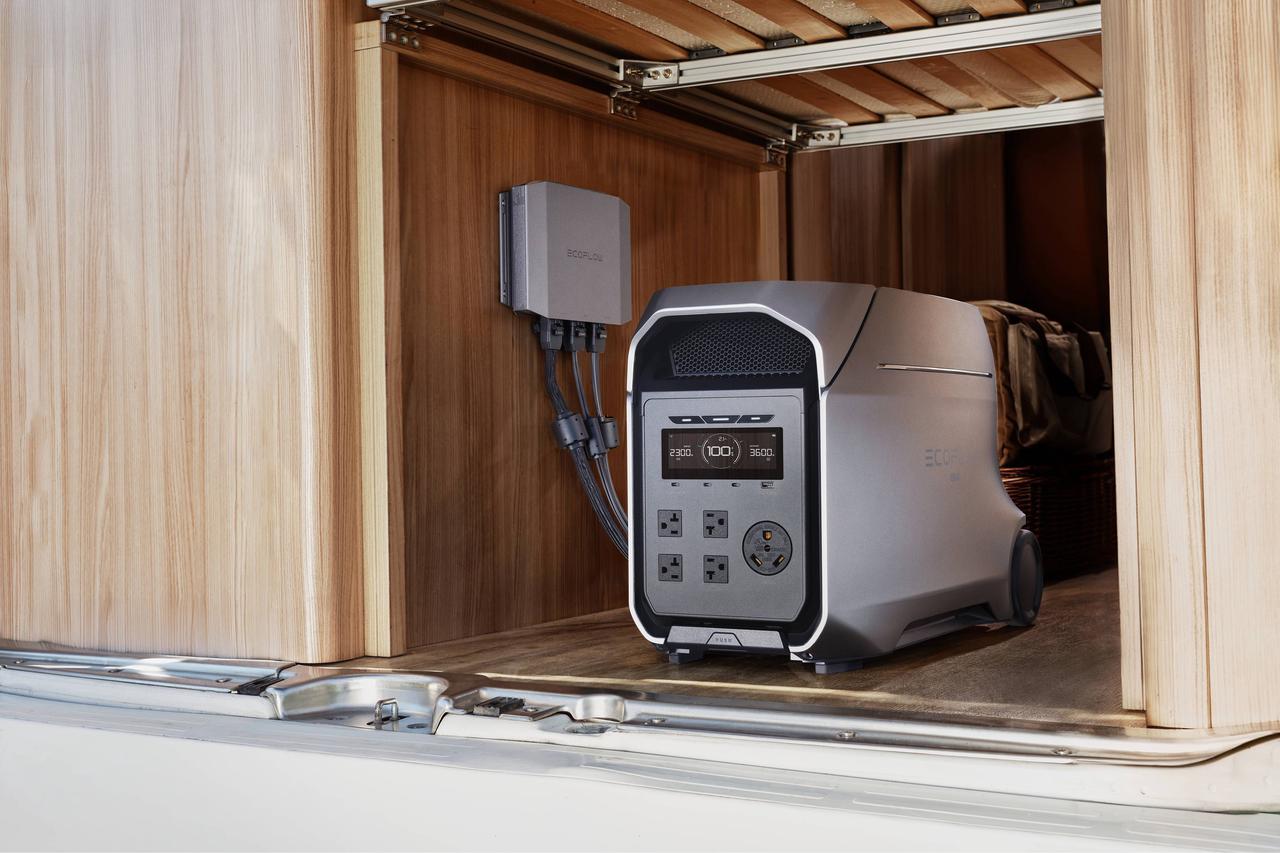
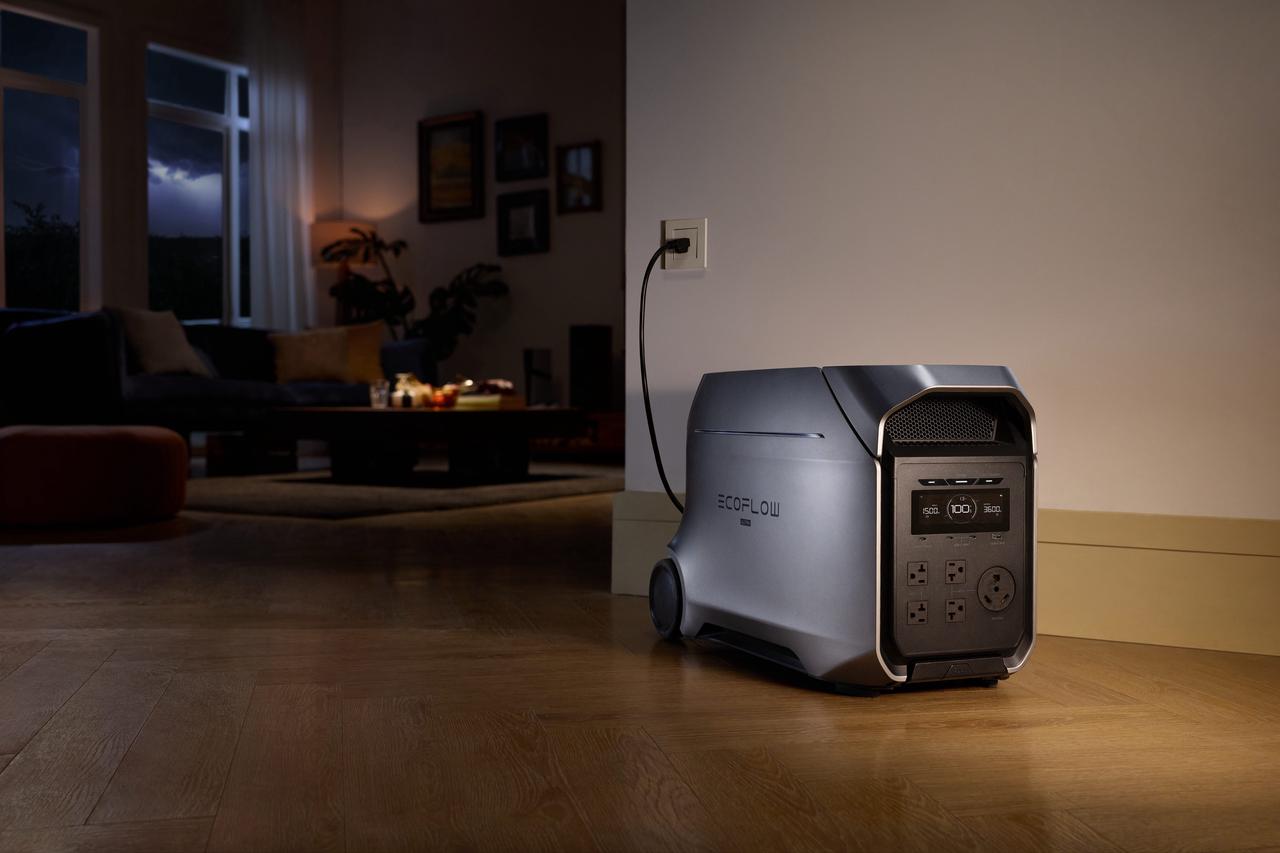
Charge phones, tablets, cameras, speakers, flashlights, headlamps, portable fans, and battery packs before departure. Download maps, music, weather apps, and entertainment in advance. For phones, lights, car fridges, fans, routers, and small kitchen gear, the EcoFlow DELTA 3 Ultra Plus (3072Wh) + 400W Solar Panel can help plan reliable cottage backup power.
Think About The Devices You Actually Use
Not every trip needs the same gear. A quiet reading weekend may only need phones and lamps. A family weekend may involve a cooler, speaker, projector, baby monitor, fan, router, or camera charger. List devices before packing cables. This prevents arriving with the device but not the charger.
Pack Light and Safe Power Accessories
Bring charging cables, extension cords rated for the intended use, power strips if appropriate, and spare batteries for flashlights or remotes. Keep cords away from wet areas and walking paths. If using any power equipment outdoors, follow the product instructions and avoid exposing electronics to rain or standing water.
5. Plan for Swimming, Water Safety, Kids, and Pets
Cottage weekends often involve lakes, docks, boats, pools, or rivers. Pack based on the water access and the age of your group.
Swimming and Lake Gear
Bring swimsuits, towels, water shoes, dry bags, and goggles. Water shoes are highly recommended to protect against rocky shorelines or hidden lake hazards. Importantly, ensure you pack Canadian-approved personal flotation devices (PFDs) for every family member, as required by Transport Canada’s Safe Boating Guide. If a thunderstorm approaches, strictly follow the "30-30 rule" recommended by Canada's National Lightning Safety Overview: seek shelter immediately if the time between lightning and thunder is 30 seconds or less, and do not return to the water until 30 minutes after the last rumble.
Children’s Items
For kids, pack sunscreen, hats, snacks, water bottles, swim diapers if needed, extra clothes, sleep items, books, games, and comfort objects. Bring a small first-aid kit with bandages, antiseptic wipes, tweezers, and any child-specific medicine. Set clear rules for docks, boats, fire pits, stairs, and roads before the first afternoon gets busy.
Pet Supplies
For pets, pack food, bowls, leash, waste bags, bed, towels, tick protection, medication, and proof of vaccination if needed. Bring extra drinking water if your pet may not tolerate unfamiliar water. Create a quiet indoor space for pets during storms, fireworks, or busy gatherings.
6. Prepare for Rain, Storms, and Wildfire Smoke
Summer cottage weather can change quickly. A backup plan helps you adjust without cancelling the whole weekend.
Rain and Thunderstorm Plan
Pack rain jackets, extra socks, indoor games, books, cards, and a small drying area for wet towels. Move shoes, coolers, and electronics under cover before weather turns.
If thunder is nearby, move away from water, docks, open fields, and tall isolated trees. Wait until conditions improve before returning to swimming or boating.
Wildfire Smoke Plan
Wildfire smoke can affect many Canadian regions during summer. Check the local air quality forecast before and during your trip. If conditions are poor, reduce strenuous outdoor activity, keep windows closed when practical, and shift plans indoors.
Wildfire smoke can affect many Canadian regions during the summer. Before and during your trip, check the local Air Quality Health Index (AQHI) via Environment Canada. As a general guide: if the AQHI reaches 7 or higher (indicating "High Risk"), cancel strenuous outdoor activities and move indoors, especially for children, seniors, or those with respiratory conditions. Ensure your first-aid kit contains certified N95 or KN95 respirators to protect against fine particulate matter (PM2.5) if outdoor exposure is unavoidable, and seek immediate medical attention if anyone experiences persistent coughing, wheezing, or shortness of breath.
Power and Communication Backup
Storms and smoke can affect travel, comfort, and communication. Save local emergency numbers, road information, and weather alerts. Keep phones charged and tell someone your plan if heading to a remote area.
7. Use This Final Cottage Pack List Before You Leave
Before loading the car, run through the final categories. This helps catch small items that are easy to forget.
Essential Bags
Keep these items easy to reach:
Wallet and ID
Medications
Phone and charger
Cottage access details
Sunscreen
Bug spray
Water bottle
Snacks
Rain layer
First-aid kit
Do not bury these under coolers or bedding.
Kitchen and Food
Check meals, drinks, ice, coolers, coffee, cooking tools, dish soap, garbage bags, foil, containers, and paper towels. Confirm whether the cottage has a working fridge, freezer, stove, barbecue, and clean drinking water.
Comfort and Entertainment
Pack books, games, speaker, camera, binoculars, swim gear, blankets, and indoor activities. If travelling with kids or pets, pack their items separately so they are easier to find. This cottage pack list is meant to be practical, not perfect. Adjust it for cottage location, group size, weather, and how remote the property is.
Pack Smarter Before Your Next Cottage Weekend
A smart cottage packing list helps you enjoy the lake, backyard, road trip, and summer weather with fewer last-minute problems. Cover sun, bugs, water, food, kids, pets, storms, and smoke before you go. For trips with cooling, lighting, fans, and device charging, consider EcoFlow DELTA 3 Ultra Plus (3072Wh) + 400W Solar Panel.
Disclaimer: This article provides general packing suggestions for informational purposes and does not constitute professional medical, safety, or survival advice. In high-risk situations, severe weather, or emergencies, please consult local authorities or emergency services.
FAQs
Q1. What Should I Pack for a Cottage Weekend in Canada?
Pack clothing for heat and cool evenings, sunscreen, bug spray, water bottles, swim gear, food, coolers, towels, medications, chargers, and a first-aid kit. A cottage packing checklist should also include rain gear and backup indoor activities.
Q2. What Food Should I Bring to a Cottage?
Bring easy meals that do not require a complicated kitchen. Good options include eggs, sandwiches, grilled food, pasta salad, fruit, snacks, and simple desserts. Pack perishable foods in a cooler with ice packs and keep raw meat separate from ready-to-eat items.
Q3. What Should I Bring to a Cottage With Kids?
Bring sunscreen, hats, swim gear, life jackets where needed, snacks, water bottles, extra clothes, sleep items, games, books, and child-safe first-aid basics. A packing list for cottage trips with kids should also include indoor activities for rain or smoke days.
Q4. How Do I Keep Food Cold at a Cottage?
Use insulated coolers with ice packs or block ice, keep coolers in the shade, and open them as little as possible. Separating drinks from perishable food helps because the drink cooler is usually opened more often.
Q5. What Should I Pack for a Cottage During Wildfire Smoke?
Pack indoor activities, necessary medications, charged devices, air quality apps, and masks if appropriate for your situation. Check local air quality updates before outdoor activities. Be ready to reduce or reschedule strenuous plans if smoke conditions worsen.
Q6. What Should I Bring for Pets at the Cottage?
Bring pet food, bowls, leash, waste bags, bedding, towels, medication, tick protection, and extra drinking water. Keep pets away from unsafe water, wildlife, hot decks, and fireworks. A quiet indoor area can help pets settle.
Q7. How Do I Avoid Overpacking for a Cottage Weekend?
Group items by use: clothing, food, water, safety, power, kids, pets, and weather. Choose simple meals and versatile clothing. A cottage pack list should help you avoid duplicates while keeping essential items easy to find.