White Water Rafting in Canada: Ultimate Guide for Beginners and Thrill Seekers
- Why White Water Rafting Is Popular in Canada
- Best White Water Rafting Destinations Across Canada
- Essential Gear for White Water Rafting and Backcountry Camping
- When Is the Best Time for White Water Rafting in Canada?
- Is White Water Rafting Safe and How Can You Prepare for Risks?
- What to Do If You Fall into the River: A 3-Step Self-Rescue Guide
- Conclusion
- FAQ
Canada is one of the world’s top white water rafting destinations. You get everything from calm family-friendly floats to extreme Class V wilderness rapids. With mountain ranges, glacier-fed rivers, and vast forests, rafting is also a way to experience Canada’s landscapes.
This guide covers everything you need to plan a white water rafting trip in Canada. You will learn how river difficulty levels work, explore some of the best rafting spots across British Columbia, Alberta, Ontario, and Quebec, and understand what to expect in different seasons. We also cover essential rafting gear, safety practices, and multi-day backcountry preparation, including how to stay powered and connected in remote wilderness areas.
Why White Water Rafting Is Popular in Canada
Beyond the variety, rafting is part of Canada’s outdoor identity. It follows the same river routes once used by Indigenous peoples and later by voyageurs, who helped shape early exploration across the country. That history still shows up every summer as people head out on the water, backed by experienced local outfitters and a strong outdoor culture that is hard to miss.
Suitable for Beginners and Experts
One major reason river rafting is so popular across Canada is its wide accessibility. The country’s diverse river terrain offers options for nearly all skill levels. Beginners can tackle Class I–II rapids, which are calm and low-risk. Experienced rafters can take on Class IV–V rapids, which require precision and endurance.
Thrilling Rapids and Scenic Views
Few places in the world offer both world-class whitewater and postcard-worthy scenery. As you work through the roaring channels, you will drift past towering granite canyons, ancient pine forests, and dramatic mountain valleys. The experience is immersive. During rapids, coordination is essential. Then the river opens up again and you’re just drifting past forest, maybe spotting an eagle overhead or a moose along the shore.
Compatibility With Camping and Wilderness Travel
In Canada, rafting trips often extend beyond a single day. It is a gateway into the deeper backcountry. Whitewater rafting pairs perfectly with Canada’s camping culture. Adventurers load up their rafts and head out on multi-day trips. You spend the day paddling through rapids. At night, you pull off onto secluded Crown land or wilderness campsites. You fall asleep under the stars with the sound of rushing water in your ears. Having an eco-friendly solar generator on hand quietly powers your campsite, keeping lights, devices, and cooking gear ready without interrupting the wilderness experience.
Best White Water Rafting Destinations Across Canada
Canada’s waterways vary across regions, reflecting the country’s diverse landscapes. Each province offers unique rafting conditions, from calm scenic stretches to challenging rapids. Consider your experience level and preferences, and consult the International Scale of River Difficulty below to identify a suitable itinerary:
| Class | Difficulty | Target Audience | What to Expect |
|---|---|---|---|
| Class I - II | Easy / Mild | Ages 5+, multi-generational families, absolute beginners | Playful splashes and gentle ripples; perfect for relaxed scenic photos. |
| Class III | Medium / Thrilling | Adventurous beginners, active families | Larger waves with noticeable bounces and a face full of refreshing whitewater spray. |
| Class IV - V | Extreme / Wild | Thrill seekers, strong swimmers, adrenaline junkies | Massive roaring waves, dramatic sudden drops, and intense, synchronized paddling under strict guide commands. |
Ottawa River for First-Time and Intermediate Rafters
The Ottawa River sits right on the border between Ontario and Quebec. Most people call it one of Canada’s most popular rafting destinations. Deep channels and warm summer water make it a great spot for beginners and intermediate rafters. The river splits into two main channels. The Middle Channel gives you a bouncy, playful ride that works well for families. The Main Channel has massive deep water waves. Big thrills without the high risk of hitting rocks.
Kicking Horse River for Advanced and Adventure Seekers
If you are looking for an intense, fast-paced mountain rush, head straight to Golden, British Columbia, to tackle the Kicking Horse River. Fed by glacial meltwaters high up in the Canadian Rockies, this river starts out calm but quickly transforms into a non-stop, roaring torrent as it plunges through the kicking horse canyon. It is famous for its sustained Class IV rapids, ice-cold turquoise waters, and a steep gradient canyon section that will keep even the most experienced thrill-seekers actively engaged.
Fraser River for Scenic Wilderness Rafting
For those who want to immerse themselves in Canada’s long river-running history and expansive wilderness, the Fraser River in British Columbia is an exceptional choice. As the longest river in BC, it carves massive canyons through the landscape, offering majestic views of the surrounding mountains and desert-like benchlands. Rafting these continuous stretches balances technical river running with the awe-inspiring experience of navigating a historic, high-volume river system, making it an ideal venue for multi-day wilderness expeditions rich in heritage and wildlife opportunities.
Athabasca River for Family-Friendly Experiences
The Athabasca River runs right through Jasper National Park in Alberta. It offers a gentle, beautiful introduction to mountain rafting. This glacier-fed river has mild Class II rapids, so it is safe and easy for kids and seniors. Your guide handles the major technical steering, allowing multi-generational families to paddle comfortably at a relaxed pace while taking in the wide-open views.
Essential Gear for White Water Rafting and Backcountry Camping
Canada’s wild rivers need good preparation. Especially in remote areas with no cell service. Securing a checklist of top-tier essentials for outdoor adventures keeps you warm, dry, safe, and powered up from start to finish.
Clothing and Footwear for Changing River Conditions
Canadian river water can be brutally cold, especially early in the season when it comes straight from melting snow. Start with a synthetic, moisture-wicking base layer. Stay away from cotton completely. It soaks up water and drops your core temperature. Most outfitters give you thick neoprene wetsuits and splash jackets. But bring your own secure, closed-toe water shoes or rugged sandals with ankle straps. You need to protect your feet on slippery river rocks.
Waterproof Essentials for Multi-Day Adventures
When you are on the water for multiple days, keeping your sleep gear and electronics bone dry is critical. Heavy-duty roll top dry bags are non-negotiable. Use them for your clothes, sleeping bag, and camp stove. For smaller valuables like your phone, car keys, and camera gear, get a rugged hard shell waterproof case with a pressure valve. That keeps everything safe when you hit heavy rapids. A compact portable power station can also keep your electronics running throughout the trip.
Navigation, Communication, and Emergency Equipment
Many of Canada’s best rafting routes cut through deep valleys with zero cell service. So you need to be completely self-reliant. A solid first aid kit, a physical topographic map, and a reliable compass should always be in your pack. For communication, pack a satellite messenger or an emergency personal locator beacon. That is how you call for help or check in with family if you hit unexpected delays on the river.
Solar-Powered Energy Solutions for Off-Grid Campsites
For many whitewater enthusiasts, a rafting trip is more than just a few hours on the river. It often means riverside camping, wilderness hiking, or multi-day expeditions. When your campsite is off the grid, keeping your phone, GPS, action camera, and camp lights powered becomes essential for both safety and capturing the experience.
Along remote stretches of the Fraser or Kicking Horse River, charging options quickly disappear. In these environments, power becomes part of trip planning rather than convenience.
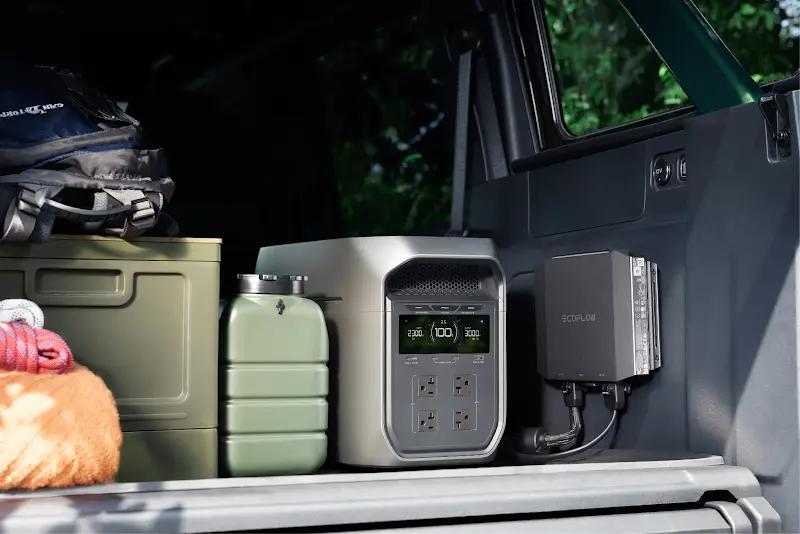
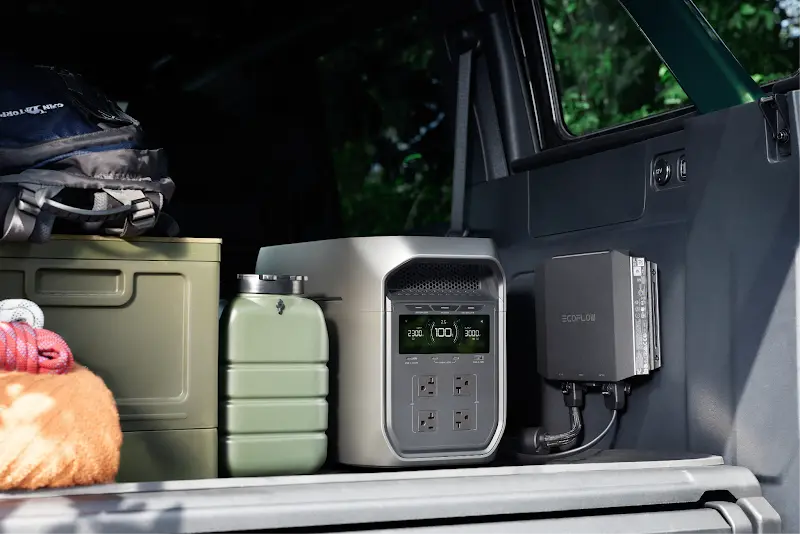
In these rugged backcountry conditions, a portable power system like the EcoFlow DELTA 3 Max Plus + 400W Solar Panel helps keep essential devices running. With Canada’s long summer daylight hours, the solar panel can recharge efficiently during the day, while stored energy powers lights, navigation tools, and communication devices at night.
For multi-day river trips deep in mountain valleys or forest campsites, this means fewer worries about dead batteries—and more focus on the river, the landscape, and the journey itself.
Vehicle-Based Power for Extended Rafting Road Trips
Many of Canada’s best rafting destinations are located far from major cities, often requiring long drives to reach remote river access points. If you are hauling GPS units, camera gear, a 12V fridge, or a full camping setup, efficient in-transit charging becomes an important part of trip preparation.
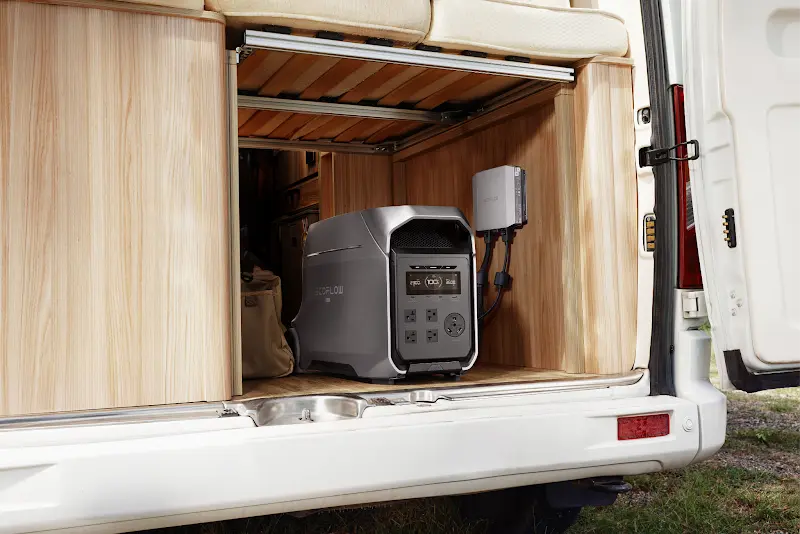
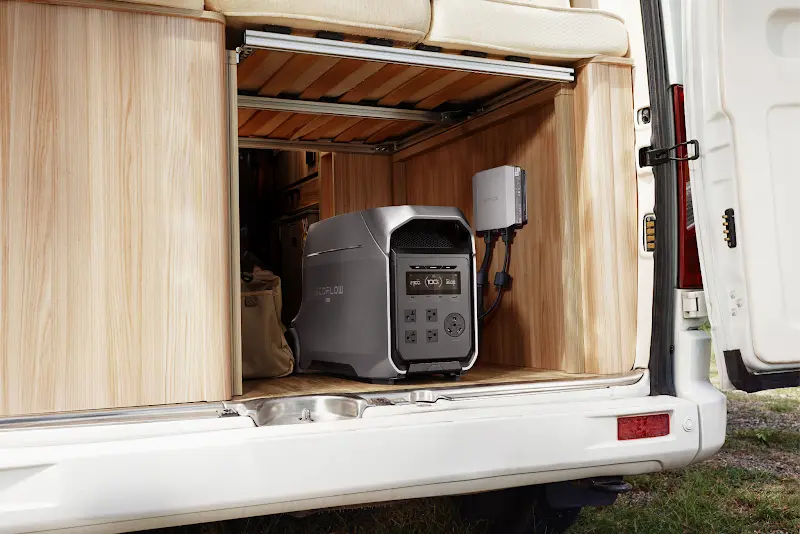
The EcoFlow DELTA 3 Ultra Plus + 800W Alternator Charger is designed for extended road trips and off-grid travel. It taps into your vehicle’s alternator while you drive and turns excess engine power into a fast charge for your portable power station. By the time you arrive at remote river access points or basecamps, the system is fully charged and ready to support essential devices such as lighting, navigation tools, and outdoor equipment, reducing reliance on external power sources during the trip.
When Is the Best Time for White Water Rafting in Canada?
The Canadian rafting season is short but intense. It runs roughly from May through September. When you plan your trip depends entirely on the kind of water and weather you want.
Spring for High Water Levels and Challenging Rapids
May and June are peak months for true adrenaline seekers. As the winter snowpack melts off the mountains, rivers swell to their highest levels. You get massive fast moving waves and highly technical rapids. Expect colder air and water temperatures. But look forward to the most intense, heart pounding rides of the year.
Summer for Warm Weather and Family-Friendly Trips
July and August bring warm, beautiful Canadian summer weather. That makes it the best time for families, first timers, and casual rafters. River levels drop and stabilize during these months. Aggressive rapids turn into fun, playful splashes. The warmer water and predictable weather also make swimming, cliff jumping, and riverside camping a real treat. Proper food storage becomes especially important along remote riverbanks during hot summer conditions, and how to store food when camping is key to preventing spoilage and reducing the risk of attracting local wildlife.
Early Fall for Fewer Crowds and Scenic River Conditions
September offers a peaceful window for river conditions. Water levels are typically at their lowest. The air becomes cooler and crisp. Rivers are generally less crowded compared to peak summer months. Best of all, you paddle through a stunning display of fall colours. Canada’s maples and birches turn red, orange, and gold. The scenery is widely regarded as highly scenic during this season.
Is White Water Rafting Safe and How Can You Prepare for Risks?
It is normal to feel a bit nervous before hitting the water. But understanding how the industry handles safety can help settle your mind. Like any adventure sport, whitewater rafting has some risk. Proper preparation makes all the difference.
Safe for Most Participants With Proper Guidance
When you go with a licensed professional outfitter, white water rafting is very safe for almost all ages and fitness levels. Commercial guides go through tough standardized training in swiftwater rescue, wilderness first aid, and river navigation. They know the rivers inside out. They will steer your raft down the safest and most enjoyable lines while giving you clear paddling commands.
Risks Can Be Reduced With Appropriate Safety Measures
Risks can be reduced by following safety rules. That means wearing a properly fitted PFD and a helmet with the straps done up tight every second you are on the water. Pay close attention during your guide’s pre trip safety talk. They will cover paddling technique and what to do if you fall in. This is your primary defense against accidents.
What to Do If You Fall into the River: A 3-Step Self-Rescue Guide
The following self-rescue techniques are based on widely accepted whitewater safety practices taught by organizations such as Paddle Canada and swiftwater rescue programs across North America.
Step 1: The First 3 Seconds — Stay Calm & Lean on Your PFD
Your immediate priority is to surface and maintain controlled breathing. Let your Personal Flotation Device (PFD) do the heavy lifting to keep you buoyant.
Step 2: While Floating Downstream — Assume the "White Water Floating Position"
Maintain a defensive floating position on your back, pointing your toes downstream with your knees slightly bent. This allows your shoe soles to absorb the impact if you bump into rocks, protecting your head and body.
Crucial: Never try to stand up in fast-moving rapids, as this poses a severe risk of “foot entrapment” between underwater rocks.
Step 3: Finding Your Window — Look for Rescue Tools or Swim to Safety
Keep an eye out for a rescue throw-bag tossed by guides, or follow their strict commands to swim toward the nearest safety kayak or a calm pocket of water along the shore (an eddy).
Conclusion
Whether you are paddling through the historic canyons of the Ottawa River or navigating the icy glacial drops of the Kicking Horse, white water rafting in Canada is an unforgettable way to experience the true spirit of the North. Pick the right destination for your skill level. Time your trip for the water intensity you want. Pack the right gear. You will have a safe and enjoyable experience in nature.
Do not let a lack of grid power hold you back from going deeper. With off-grid setups like EcoFlow’s portable power stations, you can keep your essential gear charged from the highway all the way into the deepest river valleys. Pick your river. Grab your paddle. Get ready for the Canadian adventure of a lifetime.
FAQ
How Much Does White Water Rafting Cost in Canada per Person?
A standard day trip usually runs between $90 and $215 CAD per person. That fee is all-inclusive, covering a certified guide, a riverside lunch, and all core river gear such as a wetsuit, helmet, and life jacket. Multi-day wilderness trips can go from $500 to over $2,000 CAD (and up to $5,000+ CAD for remote northern expeditions), depending on the duration and remoteness of the route.
What Is the Minimum Age for Wild Water Rafting?
For gentle Class I and II family rivers, the minimum age is generally 5 to 7 years old. For more intense Class III and IV rapids, it is usually 12 to 14. Outfitters enforce these limits strictly based on safety rules, river conditions, and weight requirements. Life jackets need to fit properly.
What Is the Easiest Class of Whitewater?
Class I is the easiest level of whitewater. The water moves quickly but stays smooth, with small waves, light ripples, and very few obstacles. The route is usually clear and straightforward, making it ideal for floating, relaxed paddling, and first-time trips. It’s a great option for beginners and families with young kids.
How Physically Fit Do You Need to Be for Rafting?
You just need a basic moderate fitness level and a comfortable attitude toward water. If you can sit comfortably, hold a paddle, and follow your guide’s instructions, you will do fine on Class I to III rivers. Advanced Class IV and V trips do need stronger swimming skills and upper body endurance.
Is It Common to Fall out White Water Rafting?
It is exceedingly rare to fall out on Class I and II scenic floats. On Class III intermediate sections, swimmers can occasionally occur due to rolling waves, while on high-level Class IV and V rapids, falling out is an anticipated part of the sport for which outfitters extensively prepare you.