Canada's Gas Tax Cut: Will You Save $17 a Month for Five Months or $250 a Month Forever?
In April 2026, Canada announced it was suspending its federal fuel excise tax through September 7th, providing roughly 4.5 months of relief for Canadians every time they're at the gas pump. The change was triggered by conflict in the Middle East that disrupted international oil shipments and raised the global price of gas.
What does this change mean for you, and are there any other ways that Canadian drivers stand to save more? Learn how the gas tax cut will impact drivers and the economy, and discover a modern energy strategy for lasting resilience.
What the Gas Tax Cut Means for Drivers and the Economy
The federal excise tax applies at the wholesale and manufacturer level, ensuring it gets embedded into the price you pay at the pump. The change is estimated to bring a total of $2.4B in tax relief as a bridge measure to get Canadians through this time of volatility, driven by disruptions in the Strait of Hormuz.
What Is Being Suspended And For How Long?
With this change in effect, the excise tax rates have been set to zero cents per litre, made effective on April 20th, 2026. The suspension includes gasoline, diesel, unleaded aviation gas, and aviation fuel. Natural gas, propane, and heating oil are not included. Full rates will return on October 8th, 2026, unless additional measures are taken.
How Much Does The Cut Save The Average Driver?
Previously, the excise tax was 10 cents per litre on regular gasoline and 4 cents per litre on diesel. These savings will apply depending on which type of gas you use.
Clean Energy Canada estimates that the typical driver will save around $77 total over the suspension period, which breaks down to about $17 per month. However, this estimation assumes a full pass-through at the pump, which isn't necessarily guaranteed and will vary based on the region and retailer.
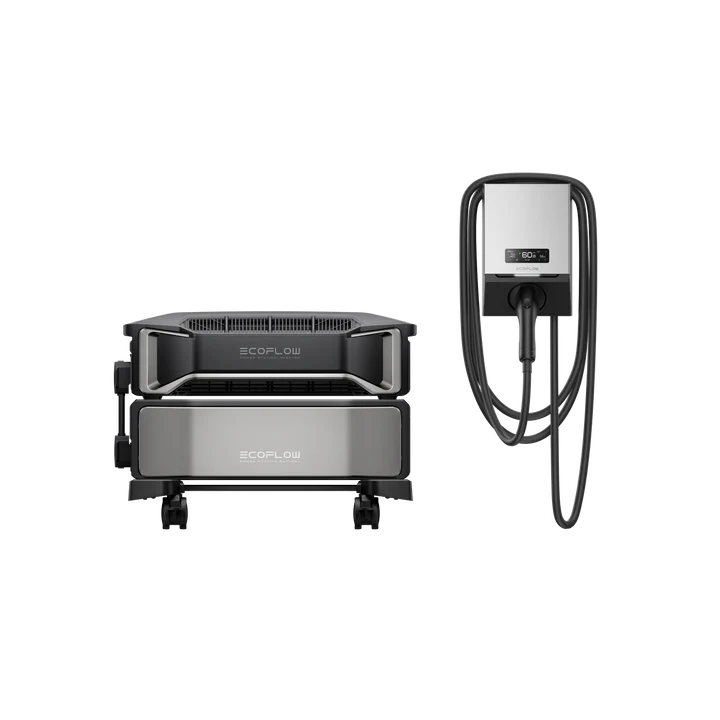
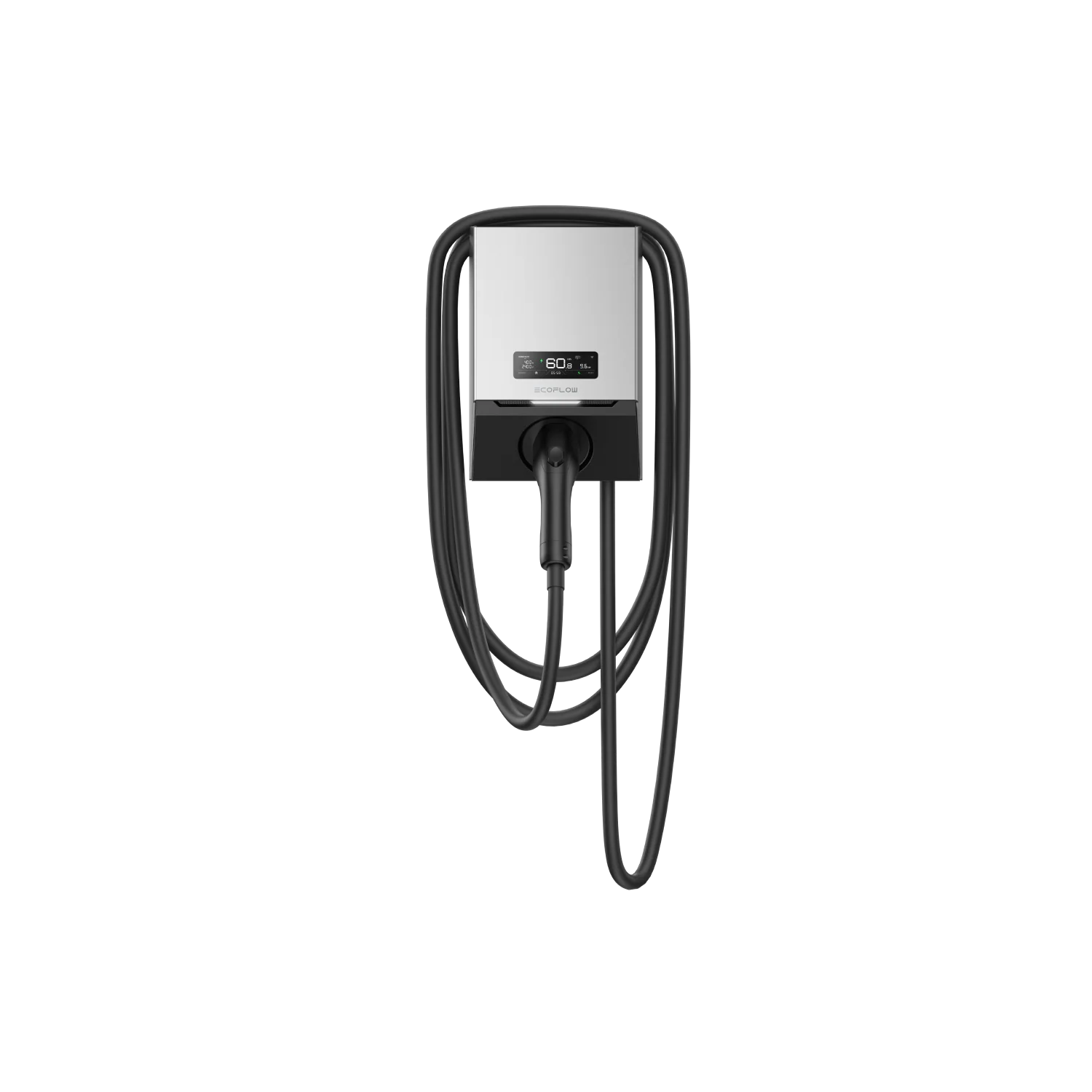
If you want to find ways to save even further, switching to an electric vehicle is a compelling option. You can ditch the gas pump entirely and instead use grid power to recharge the battery or draw renewable solar energy from the EcoFlow DELTA Pro Ultra + Smart Home Panel 2 + EV Charger.
How Savings Translate Into Consumer Behaviour And Costs
While the projected savings will be modest for consumers, a bit of extra budget breathing room could stimulate driving activity, encouraging more trips and more frequent fill-ups. You could use a gas price calculator to see just how much you’ll save on a road trip with this change in place.
The fuel tax cut will especially benefit higher-income households who already spend more on fuel. But anyone who visits a gas station during the effective period will see savings. Business sectors with high fuel costs will also see meaningful operating cost relief.
One thing worth noting is that there's no requirement in place for retailers to fully pass these savings on to consumers, and market pricing will determine the actual price you pay at the pump.
Outcomes And Broader Implications
This tax cut is not a signal of a change in long-term fuel tax policy. It's been framed by the Prime Minister as an economic stabilizer during this temporary geopolitical supply shock. However, the restoration of the full rate on September 8th could face political pressure if oil prices are still high.
Impact on EV Adoption And Long-Term Savings
Interest in electric vehicles is rising globally. While gas savings are temporarily available for gas vehicle drivers, the savings can't compare to those who own an EV. Canadian EV ownership saves a typical driver $250 per month indefinitely compared to a gas vehicle, a gap that continues to widen as gas prices increase.
You can save even more when you don’t have to rely on grid power for EV charging. Whole home backup power solutions can charge your car using solar power. And depending on your solar generator size, you may also be able to offset more of your home energy use beyond your EV. They can provide essential circuit support or even full-home coverage, and the savings compound over time, offsetting the upfront equipment costs.
Impact On Household Budgets And Energy Costs
The modest savings at the pump likely won't offset the broader inflation seen in current housing, food, and utilities. Since natural gas, heating oil, and propane are not included in the exemption, home heating costs will also remain as is. But households that have longer commutes or use multiple vehicles will see proportionally higher dollar savings.
The Smarter Solution: A Modern Energy Strategy For Resilience
This gas tax relief is temporary, but energy prices will always be at risk of volatility due to geopolitics. The best way to reduce your exposure to fuel market swings for the long term is home energy independence. And when fuel price fluctuations are what you’re trying to avoid, the solar vs. gas generator decision has a clear winner: solar.
Frequently Asked Questions
How Much Will I Actually Save Per Month?
The current gas tax cut is estimated to save you about $17 per month for 4.5 months, or about $77 total. However, switching to an electric vehicle and using solar charging instead of a gas generator or grid power can reduce monthly fuel costs by about $250/month indefinitely.
Should I Buy An EV Or Wait For Better Incentives?
Canada currently offers up to $5,000 for eligible EVs under the Electric Vehicle Affordability Program (EVAP). Waiting carries risk because the EVAP funding is finite and could deplete before the program end date in 2031. The incentive amounts also step down after 2026. If you're ready to act now, it might be a good call.
Save Money, Build Resilience, Reduce Emissions
Canada's current gas tax cut provides limited short-term relief, around $17 per month for four and a half months. If you want to save more for longer, switching to an electric vehicle can save you an estimated $250 per month indefinitely.
While the temporary relief is helpful, it doesn't change Canada's underlying fuel price exposure to geopolitical disruption. The best way to build resilience against the current price shock and the next ones to come is to invest in solar, battery storage, and electric transportation, because this strategy will work indefinitely and regardless of geopolitics.
Start with an EV and the EcoFlow DELTA Pro Ultra + Smart Home Panel 2 + EV Charger and see how much you stand to save.