Things to Do in Ucluelet: Complete Travel Guide to Attractions, Trails and Coastal Experiences
Ucluelet offers a quieter way to experience Vancouver Island’s Pacific coastline. Pronounced “Yew-KLOO-let” (or simply “Ukee” by locals), this working harbour town blends mossy ancient rainforests, exposed granite headlands, and deep marine waters. Whether you are tracking gray whales, hiking along crashing ocean swells, or just relaxing in a quiet coastal village, this guide lays out the best spots, trail breakdowns, and practical tips for visiting Vancouver Island’s west coast.
What Are the Best Attractions to Visit in Ucluelet?
Ucluelet packs its best stops into a compact area. Hit the coastal lookouts, dip into a bit of local history, and a solid chunk of the town is covered in a single afternoon, no rushing required.
Amphitrite Point Lighthouse
Amphitrite Point Lighthouse dates back to 1906. The Pacific battered the original into submission, so the current structure went up in 1915 and has been operating ever since, marking the entrance to Barkley Sound. The path out to it is paved and accessible. Storm season transforms the point, photographers line up for shots of heavy swells detonating over the offshore reefs right behind the lighthouse.
Big Beach
Big Beach sits a short walk from the south edge of downtown. Dark sand, cobbles worn smooth, bleached driftwood piled along the shore. At low tide, the water pulls back and leaves the rocky margins exposed, pools packed with purple sea stars and green anemones. Quick to reach and spacious enough that it often feels more relaxed.
Ucluelet Aquarium
The Ucluelet Aquarium follows a unique catch-and-release model. Each season, staff collect local marine life from the surrounding waters, and most animals are returned to the ocean at the end of the season. Touch tanks are a highlight, with species such as sea cucumbers and rockfish available for close-up encounters. The aquarium has also featured giant Pacific octopuses among its seasonal exhibits.
Terrace Beach and Little Beach
Terrace Beach and Little Beach sit in sheltered coves, well protected from the open ocean. Terrace Beach links straight to the Wild Pacific Trail, easy to hop on between hikes. Little Beach feels more tucked away. A quiet pebble cove for launching a kayak, watching shorebirds, or catching an evening sunset. On calmer days, the sheltered shoreline works for paddleboarding too.
What Makes the Wild Pacific Trail a Must-Visit in Ucluelet?
Plenty of coastal hikes promise big views. The Wild Pacific Trail in Ucluelet offers some of the best coastal views. The trail traces the outer edge of the peninsula, weaving between dense forest and exposed headlands. The Pacific stays visible through most of it, off to one side, then straight ahead, then below you, depending on the section.
Lighthouse Loop: Coastal Views and Lighthouse Scenery
The Lighthouse Loop circles the Amphitrite Peninsula over 2.6 kilometers of wide, well-maintained trail. No scrambling, no technical sections, just steady walking with the ocean never far from view. Sections pass under towering coastal cedars. Lookouts appear at regular intervals, opening onto offshore rocks crowded with sea lions and deeper channels where gray whales move through during migration. At the far end of the loop, the lighthouse stands where it has since 1915, still active, still watching over the sound.
Ancient Cedars Loop: Old-Growth Forest Experience
This loop pulls away from the coast and heads inland, sheltered from the wind that pounds the outer cliffs. The trail winds through a stand of western red cedar and Sitka spruce, some of them 800 years old or more. Moss drapes everything. The light filters down green and muted. It’s a different experience from the coastal sections, quieter, more enclosed, focused on the forest rather than the horizon.
Rocky Bluffs: Rugged Coastline and Ocean Views
The Rocky Bluffs stretch runs right along the cliff edge. Below the trail, swells push into narrow surge channels carved into the rock, and the impact sends spray shooting upward. On stormy days, waves can send spray high above the rocks. This is the most exposed part of the trail, no trees, no buffer, just rock and ocean, and it tends to be the section people remember longest.
What Coastal Experiences Can You Enjoy in Ucluelet?
The shoreline looks entirely different once you’re out on the water. Cold currents off Ucluelet drive thick plankton blooms, and those blooms pull in humpbacks, sea otters, and dense schools of baitfish, all of it concentrated just offshore, well within reach of a half-day tour.
Whale Watching and Wildlife Tours
Charter boats depart right from the local docks, heading into Barkley Sound or pushing further out toward the open ocean. Covered cruisers run with heated cabins and comfortable seating. Zodiacs are the faster, wetter option. You sit closer to the waterline, which puts you at eye level with anything that surfaces nearby. Guides track the marine activity in real time and reposition constantly, so the boat ends up wherever the whales or otters are actually active.
Humpback Whales: Late spring through autumn, humpbacks work the krill and baitfish that stack up in the sound. They surface, blow, dive, sometimes breach, and they’re the main reason most people book a tour in the first place.
Sea Otters and Sea Lions: Steller sea lions haul out on rocky reefs and make a racket you’ll hear long before you spot them. Sea otters stay quieter, small groups drifting through kelp beds, wrapped up in the fronds, watching the boat go by.
Bald Eagles: Look up at the treeline. Eagles nest along this entire stretch of coast. When the tide drops, they work the shallows for fish, and they’re big enough to spot from a moving boat without binoculars.
Kayaking in Barkley Sound
Barkley Sound breaks into a network of sheltered islands that rank among the most popular kayaking areas on the BC coast. The Broken Group Islands scatter outward, hundreds of tiny islets, sheltered coves, rocky shorelines, and narrow channels shielded from the open swell. Guided day trips make the area accessible even if you’ve never sat in a kayak before. More experienced paddlers load their boats with camping gear and spend days moving through the archipelago at their own pace.
Surfing Along the Coast
Swells roll into this part of Vancouver Island all year. Wickaninnish Beach and Florencia Bay, both inside Pacific Rim National Park Reserve, sit within a short drive of Ucluelet and pick up consistent waves through most seasons. Shops in town rent the full setup: thick 5/4mm wetsuits, booties, boards. Beginners can book a lesson with instructors who stick to the gentler beach breaks where learning doesn’t mean getting pounded.
Fishing and Ocean Adventures
Chinook, Coho, and Pacific halibut run through the offshore waters in strong numbers. Half-day and full-day charters launch from the harbour with all the gear included, tackle, bait, and a captain who knows the tides. Scenic cruises head out to the same outer islands without any of the gear, just a seat on the boat and a slow loop along the coastline. Once you’re back on shore, a portable power station helps keep your gear ready for the next adventure. Cameras, action cameras, phones, and other rechargeable devices can be topped up overnight at your campsite or accommodation before heading out again.
Where Can You Stay During Your Ucluelet Visit?
Where you unpack sets the tone for the whole trip. Ucluelet offers a solid range of options, waterfront rooms with open-ocean views, private cabins tucked under cedars, and campgrounds where the forest meets the shore.
Oceanfront Hotels and Lodges
A few properties along the coast build right onto the granite. Black Rock Oceanfront Resort fits its rooms with floor-to-ceiling windows that face the open Pacific. Nothing between you and the water except rock and a stretch of trees. Gray whales spout offshore while you’re holding your first coffee of the morning. Town shops and trailheads sit just a few minutes away, so the location balances the views with easy access to everything else.
Vacation Rentals and Cabins
A private cabin trades hotel corridors for space and silence. More square footage, a proper kitchen, usually a deck with a view of the trees or the water. Most are tucked under old cedars or set above a cove, far enough from the main road to feel private, close enough that nothing in town requires a long drive. Pick up fresh salmon or Dungeness crab from the docks, bring it back, cook it at your own table. The pace slows down. It feels less like accommodation and more like staying somewhere.
Camping and RV Options
Camping along the Ucluelet coastline puts you directly in the coastal environment. Waking up to the smell of damp cedar and salt air, stepping outside to fog still hanging in the trees, that’s the experience. Unserviced sites keep things simple, but West Coast weather changes quickly.Humidity, marine fog, and cooler temperatures can make it harder to keep outdoor electronics charged, especially phones, headlamps, camera gear, and camp lights.
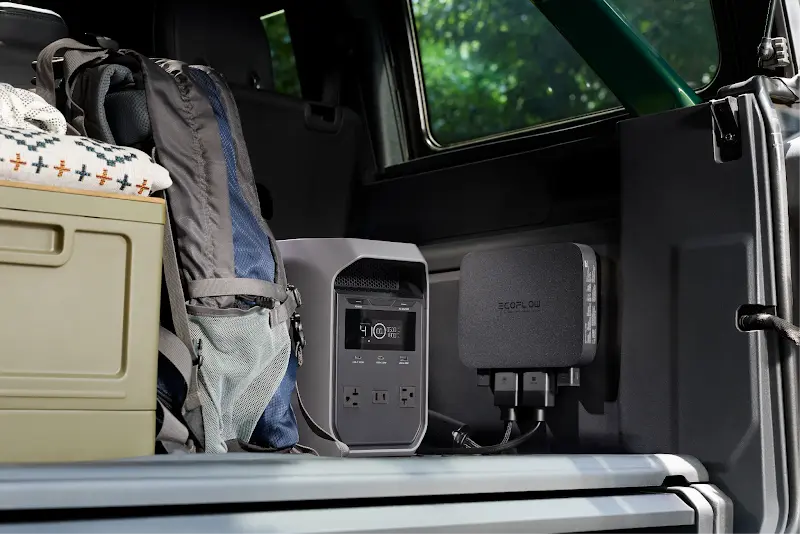
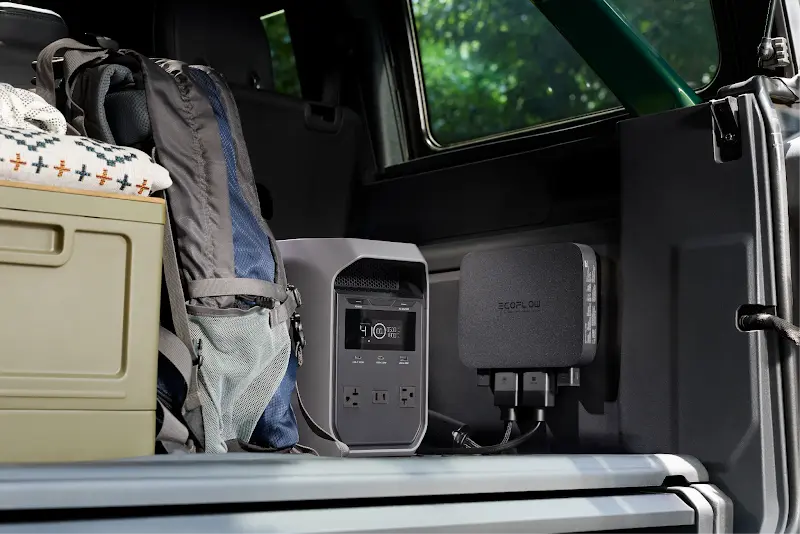
For unserviced campsites, a quieter battery-powered setup can be a practical alternative to traditional generators. A setup like the EcoFlow DELTA 3 Classic Portable Power Station can help support everyday camping needs, including charging camera equipment, powering camp lights, running small appliances, and keeping essential devices ready during longer stays. With reliable portable power available, campers can spend more time enjoying the coast and less time managing battery levels.
Moisture is a separate challenge in enclosed camping spaces such as RVs, camper vans, and cabins. Rain and sea fog can quickly increase indoor humidity, making bedding and clothing feel damp after a day on the coast. The EcoFlow WAVE 3 Portable Air Conditioner with Heater runs heat, cooling, and a dehumidifier mode in one compact unit. Warm air on cold Pacific nights, dry mode after hiking through coastal drizzle all day, It helps manage comfort in changing coastal conditions. Temperature and humidity settings are controllable from a phone, which makes crawling back from a muddy trail feel a lot less damp.
How Can You Plan Your Ucluelet Trip?
A little planning goes a long way on the outer coast. Timing, road conditions, and what you toss in your pack, get those right and the trip unfolds smoothly. Get them wrong and you’ll spend more time dealing with logistics than actually enjoying the place.
Choose the Best Time to Visit Ucluelet
Ucluelet’s coastal climate changes significantly throughout the year. To help you plan your trip, the chart below summarizes Ucluelet’s typical seasonal average high and low temperatures.
| Season | Avg High (°C) | Avg Low (°C) | Main Highlights | Vibe and Crowds |
|---|---|---|---|---|
| Spring (Mar-May) | 9°C–13°C | 4°C–8°C | Whale Festival, gray whale migration | Moderate crowds, high wildlife activity |
| Summer (Jun-Aug) | 16°C–19°C | 11°C–12°C | Kayaking, hiking, longer daylight hours | Peak season, requires early booking |
| Fall (Sep-Nov) | 9°C–17°C | 5°C–11°C | Salmon spawning, quieter beaches | Slower pace, transitional weather |
| Winter (Dec-Feb) | 7°C–8°C | 3°C–4°C | Storm watching, massive ocean swells | Quietest season, lower rates |
Note: These figures show typical seasonal averages. Actual temperatures and weather conditions may vary throughout the year.
Summer brings the driest conditions, warm enough for paddling, long daylight for the trails. Spring and fall strip away the crowds and add the migration traffic: gray whales moving through, salmon pushing into the rivers. Winter draws a different crowd entirely. Storm watchers book rooms facing the outer headlands and wait for the big swells to roll in and slam the coast.
Prepare for Changing Coastal Weather
West Coast weather doesn’t stay put. Blue skies at the trailhead turn to thick marine fog two hours in. Heavy annual rainfall keeps the rainforest green, so rain stays a possibility regardless of the forecast. Check the marine radar each morning before heading out. Against headland winds, a heavy-duty rain shell is far more practical.
Pack Proper Gear for Outdoor Adventures
The right gear keeps you on the trail longer. If you’re cold or wet, the day cuts short fast. These are the essentials for outdoor adventures to pack:
Waterproof Rain Shell: Bring a jacket built for actual rain, breathable, heavy-duty, hood that stays up when the wind howls. A windbreaker alone may not be enough here. A Pacific front sweeps in and soaks through lightweight shells in minutes.
Sturdy Hiking Boots: The ground throws a lot at your feet. Wet roots crisscross the trails, mud collects in the low spots, and the granite ledges turn slick the second they get wet. Deep tread, waterproofing, and boots that have already been worn in, new stiff ones on wet rock are asking for a fall.
Dry Bag: Phones, socks, camera bodies, anything that shouldn’t get drenched goes in a roll-top dry bag. Seal it tight before boarding a boat, pushing off in a kayak, or even just walking a wet ledge. Saltwater exposure can permanently damage electronics.
Thermal Layers: Wool or fleece, either works. The chill catches up fast once you leave the sun, duck under the cedars or stop on a windy headland and body heat vanishes. A mid-layer you can throw on without breaking stride is worth its weight.
Sun Protection: Don’t trust the clouds. Ocean glare punches UV through thin overcast without much trouble, and hours on the water or the rocks burn skin before you notice. Sunglasses and sunscreen, every time.
Plan Transportation and Parking Before Arrival
Highway 4 cuts across Vancouver Island to reach Ucluelet. The route is scenic but demands attention. Past Cameron Lake, the road tightens into sharp turns and steep climbs over Sutton Pass. Road construction can affect travel times, especially during summer months. Gas stations thin out after Port Alberni, fill the tank before heading into the mountains. A power station in the trunk keeps phones and camera gear charged along the way. Check DriveBC for construction updates and closures before setting out.
Parking in town gets tight once summer hits. The lots at Lighthouse Loop and Big Beach fill by mid-morning on any decent weekend, and circling for a spot eats into your trail time. Heading out early solves most of it, you grab a spot, skip the midday scramble, and hit the trail while the light on the headlands is still worth waking up for.


Conclusion
A smooth trip to Ucluelet comes down to a few basics. Heavy waterproof layers, because the rain shows up whether the forecast mentioned it or not. A quick check of Highway 4 road updates before crossing the mountains. Enough power to keep your gear running without constant battery anxiety. Whether you’re picking your way along slick roots on the Wild Pacific Trail, tracking humpbacks through Barkley Sound, or setting up camp under thick coastal fog, showing up prepared shifts the whole experience. Less time reacting to surprises, more time taking in what the west coast actually looks like when you stop to pay attention. Sturdy boots and reliable portable power can help solve some of the most common challenges. Toss your rain shell in the pack, check the marine forecast, and get ready for a stretch of time on the wild edge of the Pacific.
FAQs
Which Is Better, Ucluelet or Tofino?
The short answer: neither is better, they’re just different. Tofino runs on surf culture, long sandy beaches, and a food scene that draws crowds from all over. Ucluelet feels quieter and a bit rougher around the edges, still a working fishing town, with the Wild Pacific Trail tracing the headlands right above the ocean. The two are only 40 km apart, roughly a 35-minute drive, so picking one as a home base and day-tripping to the other is easy enough.
How Can I Get to Ucluelet from Vancouver?
The trip from Vancouver starts with a ferry. Two routes service Vancouver Island: Horseshoe Bay to Departure Bay, or Tsawwassen to Duke Point, both drop you in or near Nanaimo. Once off the boat, take Highway 19 north toward Parksville, then pick up Highway 4 heading west. The road climbs through Port Alberni, skirts Kennedy Lake, and eventually spits you out at the west coast junction. Total travel time runs 6 to 7 hours, counting the terminal wait, the crossing itself, and the winding mountain drive. Fill up in Port Alberni, gas stations get scarce after that.
How Long to Spend in Ucluelet?
Three to four days hits the sweet spot for most visitors. That gives you enough runway to cover the main sections of the Wild Pacific Trail, explore a handful of beaches, and still move at a pace that doesn’t feel rushed. If surfing, a multi-day kayak trip in the Broken Group, or just having the flexibility to wait out a storm day sounds appealing, stretch the stay to a week. The town rewards slowing down.
What to Do in Ucluelet on a Rainy Day?
It rains on the West Coast. A lot. The trick isn’t avoiding it, it’s having a plan when it shows up. The Ucluelet Aquarium runs entirely indoors, with touch tanks full of local species collected from surrounding waters. Cafes along the water make a solid backup: warm drink, storm swells out the window. If the rain lightens up, the inland forest trails stay walkable even in wet weather. The canopy catches most of it, and fog moving through old-growth cedars is its own kind of spectacle.
How to Spend a Day in Ucluelet?
Start early with coffee and the Lighthouse Loop, morning light on the headlands is worth it. Midday, hit the tide pools at Big Beach, then walk over to the Ucluelet Aquarium by the harbour. Afternoons work best on the water: book a boat tour and let someone else track the whales and sea otters. Wrap up with fresh salmon or fish and chips at a marina restaurant as the boats come in.