Paddleboarding Guide 2026: Essential Techniques and Safety Tips
- What Is Paddleboarding and Why Is It Popular in Canada in 2026?
- How to Start Paddleboarding Safely as a Beginner in Canada?
- How to Improve Paddleboarding Technique and Energy Efficiency?
- How to Stay Safe and Sustainable While Paddleboarding in 2026?
- Paddleboarding Safety Checklist for Canadian Beginners
- Conclusion
- FAQ
Few activities offer a better way to explore Canada's lakes, rivers, and coastlines than stand-up paddleboarding. Combining light exercise with time on the water, paddleboarding is easy to learn and enjoyable at any skill level.
This guide covers the essential skills every paddler should know, from efficient stroke technique and reading wind conditions to staying safe on the water. You'll also find practical advice for longer trips, including how to manage gear and keep important devices powered when venturing beyond the beaten path.
What Is Paddleboarding and Why Is It Popular in Canada in 2026?
Stand-up paddleboarding has become one of the most popular outdoor activities for many in Canada, offering an incredible way to explore lakes, rivers, and coastlines. Easy to learn and suitable for all skill levels, it perfectly combines light exercise with outdoor adventure.
What Is Stand-Up Paddleboarding?
True to its name, stand-up paddleboarding involves standing on a buoyant board and using a single-bladed paddle to move across the water. Unlike surfing, which depends on waves, SUP works best on flat, open water. That means you can explore shorelines, rivers, and lakes at your own pace, all from a raised vantage point that offers a different view of the landscape.
Why Canadian Lakes Drive SUP Growth
Canada is home to an unparalleled network of freshwater lakes, giving paddleboarders an almost endless playground to explore. From the clear, cold waters of Alberta's Lake Louise to the calm, sprawling lakes of Ontario's cottage country, these vast waterways offer countless places to paddle. It's no surprise that inland paddling has become such a big part of how Canadians spend their summers.
Recreational and Fitness Benefits
Stand-up paddleboarding is widely considered a low-impact, full-body workout that can help improve aerobic fitness, balance, and core strength. This gentle yet effective activity builds leg strength, engages your core, and supports cardiovascular endurance. At the same time, being out on the water offers a natural way to reduce stress—something that's hard to beat.
Seasonal Water Activity Trends in Canada
The paddleboarding season in Canada has stretched well beyond the summer peak in 2026. Paddlers are no longer confining themselves to July and August—with improved cold-water gear and access to portable power stations for keeping essential devices charged during longer outings, more people are confidently heading out on the calm waters of early spring and the crisp, colourful days of autumn.
How to Start Paddleboarding Safely as a Beginner in Canada?
Stepping onto a paddleboard for the first time is an exciting moment. But starting safely means taking the time to understand your surroundings and your gear. A little preparation goes a long way toward making your first experience smooth, confident, and injury‑free.
Choosing Calm Lakes and Sheltered Waters
When you're starting out, stick to small, sheltered lakes or protected bays away from heavy boat traffic and strong currents. Calm water lets you focus on your stance and balance without having to fight wind or waves.
Understanding Wind and Water Conditions
Wind is a paddleboarder's biggest challenge—your upright body catches it like a sail. Always check the local marine forecast before you head out. A light breeze on shore can kick up choppy conditions on open water, making the return journey significantly more challenging than the paddle out.
Proper Fall and Recovery Techniques
Falling is part of learning, but there's a right way to do it. When you lose your balance, aim to fall away from the board into deep water that keeps you clear of the board and reduces the risk of injury. It's also worth practicing how to pull yourself back onto the centre of the board from the water.
Essential First-Time Balance Skills
To get comfortable on the board, start on your knees. That gives you a feel for how it moves and responds. When you're ready to stand, take it slow—feet hip-width apart, knees slightly bent to absorb the chop, and keep your eyes on the horizon, not your feet.
How to Improve Paddleboarding Technique and Energy Efficiency?
Once you've mastered the basics of balance, refining your paddling technique will help you travel farther with less effort. Efficient paddling relies on engaging your entire body, transforming each stroke into a smooth, coordinated movement.
Proper Paddling Stroke Mechanics
For maximum efficiency, fully immerse the paddle blade in the water before it reaches your feet. Focus on pulling the board past the paddle instead of dragging the paddle through the water. As the blade approaches your ankles, lift it out smoothly to reduce drag and keep your stroke powerful.
Core Engagement for Reduced Fatigue
Avoid relying solely on your arms for power. By engaging your core, back, and leg muscles and rotating your torso through each stroke, you'll paddle more efficiently, conserve energy, and stay comfortable on longer outings.
Turning and Direction Control Skills
When it's time to change direction, the sweep stroke is your go-to technique. Sweeping the paddle in a wide arc from the board's nose to its tail helps you turn efficiently while keeping your glide and momentum intact.
How to Stay Safe and Sustainable While Paddleboarding in 2026?
As paddleboarding takes us into more remote natural environments, safety and sustainability are equally important. Being prepared means understanding potential risks and managing your resources responsibly.
Monitoring Weather and Water Conditions
Canadian weather changes quickly. A calm, sunny paddle can turn into a windy, cold haul back to shore. Keep an eye on Canada weather warnings, watch the sky and the water, and always stay close enough to shore to get back safely if conditions shift.
Using Efficient Power Solutions for Outdoor Trips
When paddleboarding across Canada's expansive lakes, keeping your essential devices—such as smartphones, action cameras, and GPS navigators—fully charged is especially important. However, batteries drain significantly faster in outdoor environments and under continuous usage, and running out of power can disrupt your route tracking, video capture, or emergency communication.
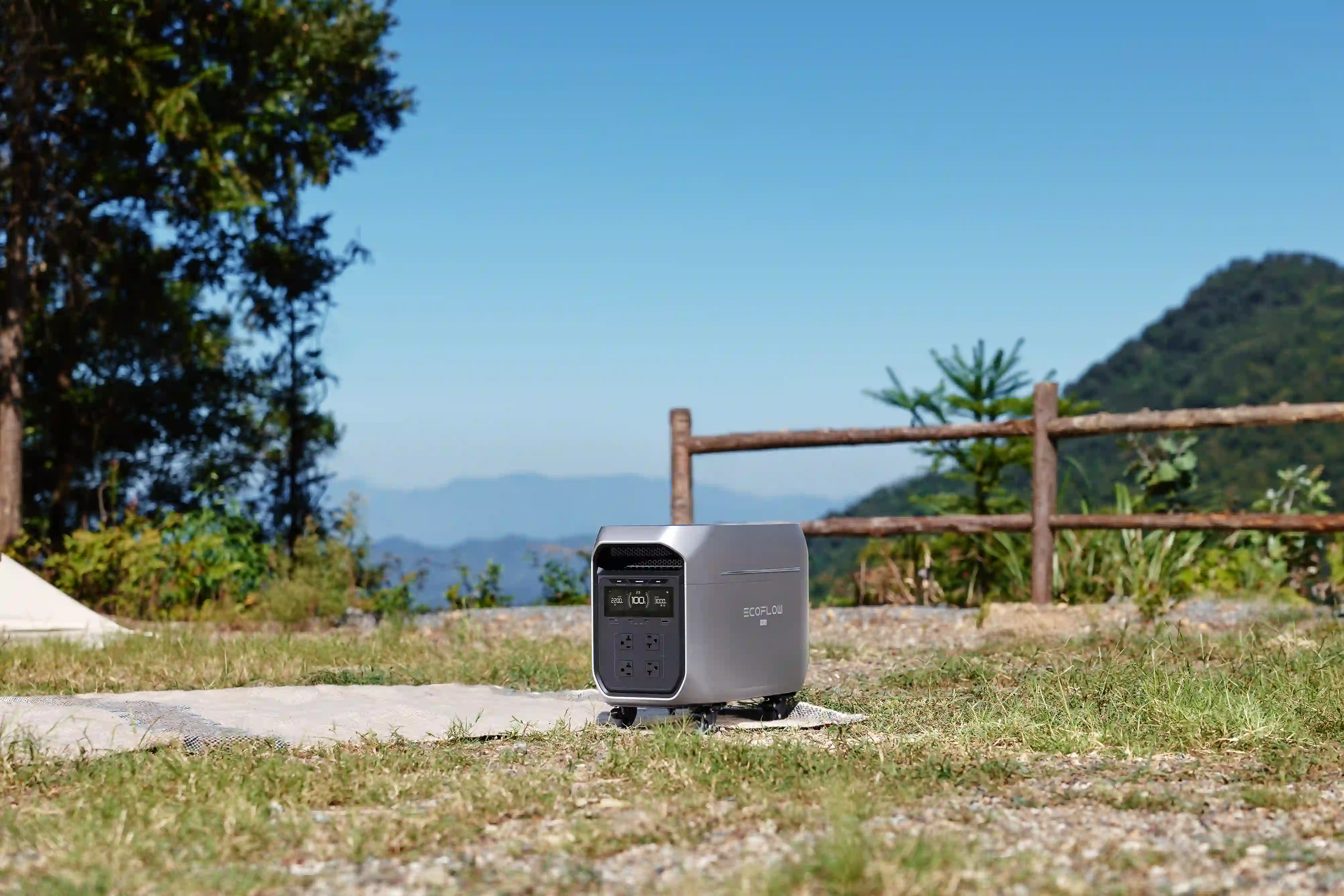
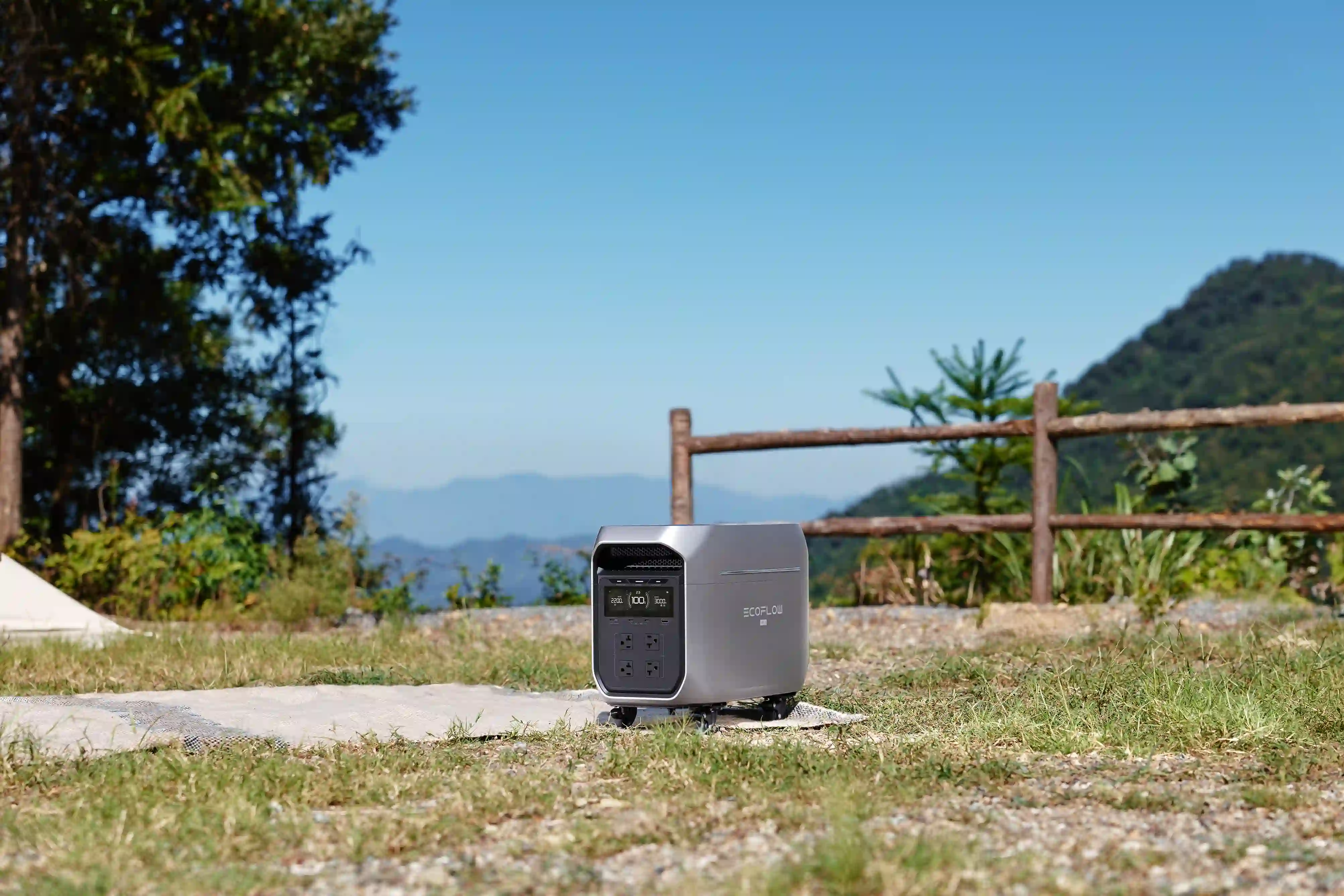
For casual or short-duration paddleboarding trips, a reliable portable power station like the EcoFlow DELTA 3 Classic Portable Power Station is an ideal lakeside companion. It provides stable power for phones, action cameras, and communication gear, helping reduce concerns about low battery levels. With its exceptional fast-charging efficiency, you can quickly replenish the power station before leaving home or during a quick break by the vehicle, keeping your focus entirely on the water and the beautiful surroundings.
Respecting Wildlife and Natural Water Systems
Canadian waters are home to diverse wildlife, including loons, beavers, and nesting waterfowl. Always maintain a respectful distance from animals, practice strict Leave No Trace principles, and ensure your equipment is clean to avoid transferring invasive species between different lakes.
.webp)
.webp)
Paddleboarding Safety Checklist for Canadian Beginners
A successful day on the water relies on proactive preparation. Verifying a structured checklist before launching—from inspecting safety gear to confirming that your power station is fully charged for backup electronics—ensures you remain resilient and prepared, even in challenging conditions.
Pre-Launch Equipment Inspection Steps
Before launching, check your board for optimal inflation and inspect your ankle leash for any signs of wear. Additionally, ensure your Personal Flotation Device (PFD) fits securely and is equipped with a high-decibel safety whistle.
Physical Energy and Hydration Preparation
Paddleboarding consumes a considerable amount of physical energy, especially when paddling against a headwind. Always pack plenty of fresh water to prevent dehydration and bring along high-protein, easily packable snacks to sustain your stamina throughout the trip.
Emergency Contact and Route Planning
When you're heading out on Canada's big lakes or remote backcountry waters, good route planning and a reliable way to call for help are non‑negotiable. Always leave your full itinerary, estimated return time, and planned stops with family or someone on shore. This ensures help can be directed accurately should weather conditions deteriorate or delays occur.
Cellular coverage is often unreliable or non-existent across remote Canadian waterways, so keeping your devices charged is a safety must. A solid power setup, like the EcoFlow DELTA 3 Max Plus (2048Wh) + 800W Alternator Charger in your vehicle, gives you a dependable backup. It tops up your power station and comms gear while you're driving between paddling spots—so your phone, satellite messenger, and GPS stay online when you need to check in or call for help.
Conclusion
Paddleboarding in Canada offers a rare combination of fitness, calm, and adventure on some of the world's most stunning waterways. Master the basic strokes, learn to read changing conditions, and respect the environment—and every trip becomes both safe and rewarding. Add the right preparation, including reliable portable power like EcoFlow to keep your devices charged, and you can explore Canada's wild blue spaces with confidence in 2026.
FAQ
Can I Take My Paddle Board Anywhere?
No. Some waterways have environmental protections, private property restrictions, or heavy motorized boat traffic. Always check local regulations, permits, and vessel rules before launching somewhere new.
Can I Paddleboard While Pregnant?
Generally, paddleboarding may be possible during pregnancy for some individuals, but it depends on personal health, pregnancy stage, and balance experience. It is important to consult a healthcare provider before participating. If approved, choose flat, calm water, avoid windy conditions, and consider kneeling if standing feels unstable.
How to Choose a Touring Paddle Board for Long Distance?
For long-distance touring, look for a board that's longer—typically 12 to 14 feet—with a narrow, displacement-style nose. That shape cuts through the water more efficiently and holds a straighter line over distance. It also gives you plenty of deck rigging to secure dry bags and camping gear.
How Long Does It Take to Learn to Paddle Board?
Most beginners can pick up the basics within 30 to 60 minutes on calm water. Building efficient technique and confidence in different conditions will take a few more outings.
How Far Can You Safely Paddleboard in One Trip?
For beginners, a safe distance is typically 3 to 5 kilometres in a single trip. Experienced paddlers can cover 15 to 20 kilometres, depending on conditions. Always plan your distance around your own stamina, the wind forecast, and how much daylight you have.