Solar Potential in the North: Harnessing the Midnight Sun
- How the Midnight Sun Affects Solar Energy Generation
- Can Northern Climates Support Solar Power?
- Seasonal Storage Strategies: Banking Summer Power
- Tech That Makes Northern Solar Work
- Best Practices for Solar in Northern Zones
- Frequently Asked Questions
- Integrated Solar and Storage Improve Northern Energy Resilience
Despite some common misconceptions about solar power in the Nordic regions, they still have huge solar potential. It’s no surprise people often think otherwise, with freezing temperatures, shorter days, reduced sunlight, and vast amounts of snow. So, how does the North actually produce enough solar power to supply homes across the region?
In this article, we’re answering that question. Read on to discover how Nordic regions are capitalizing on the midnight sun and the crucial role that backup battery systems play.
How the Midnight Sun Affects Solar Energy Generation
When thinking about Nordic countries, solar energy might not be the first thing that comes to mind. But, during peak summertime, these polar regions have midnight sun—a phenomenon where the sun is visible for 24 hours, never setting below the horizon. This occurrence makes Nordic nations a great candidate for solar generation, given their ability to produce more than enough power during the long summer days.
With such high levels of production, much of this energy can be stored in battery systems and used during the very dark, cold winters instead.
Can Northern Climates Support Solar Power?
Northern climates do have the potential to support solar power; in fact, many solar panels are actually more effective in lower temperatures. Yes, they need sunlight—but the panels themselves work optimally to absorb sunlight when they’re not overheating.
Nowadays, solar panels have advanced and are reaching new levels of efficiency, with new panels reaching around a 23% conversion rate. This makes them much more equipped to handle the changing seasons, while still being able to produce a substantial amount of energy.
Seasonal Storage Strategies: Banking Summer Power
With such stark differences in solar power production during summer vs winter, Nordic regions need to be prepared for the colder winter months. One way they’re doing this is by implementing whole-home backup solutions. When sunlight is at its highest in the summer, excess energy is stored in battery systems to be used in the winter, when production dips significantly.
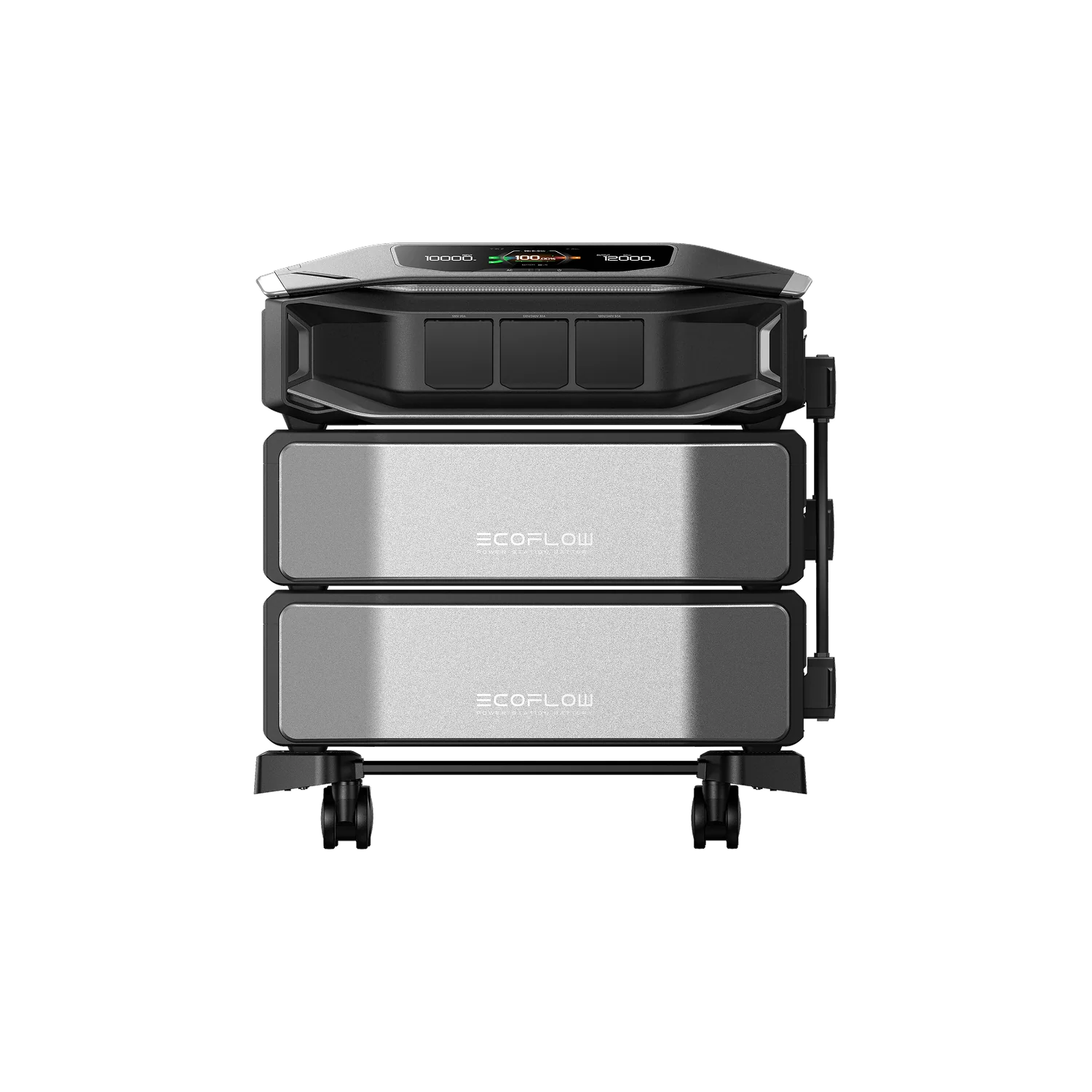
While in some regions, battery storage systems are still being developed and deployed, it doesn’t mean you can’t take matters into your own hands. In fact, there are many home storage systems—like the EcoFlow DELTA Pro Ultra X Whole-Home Backup Power—that you can use to generate power and store your own solar energy at home.
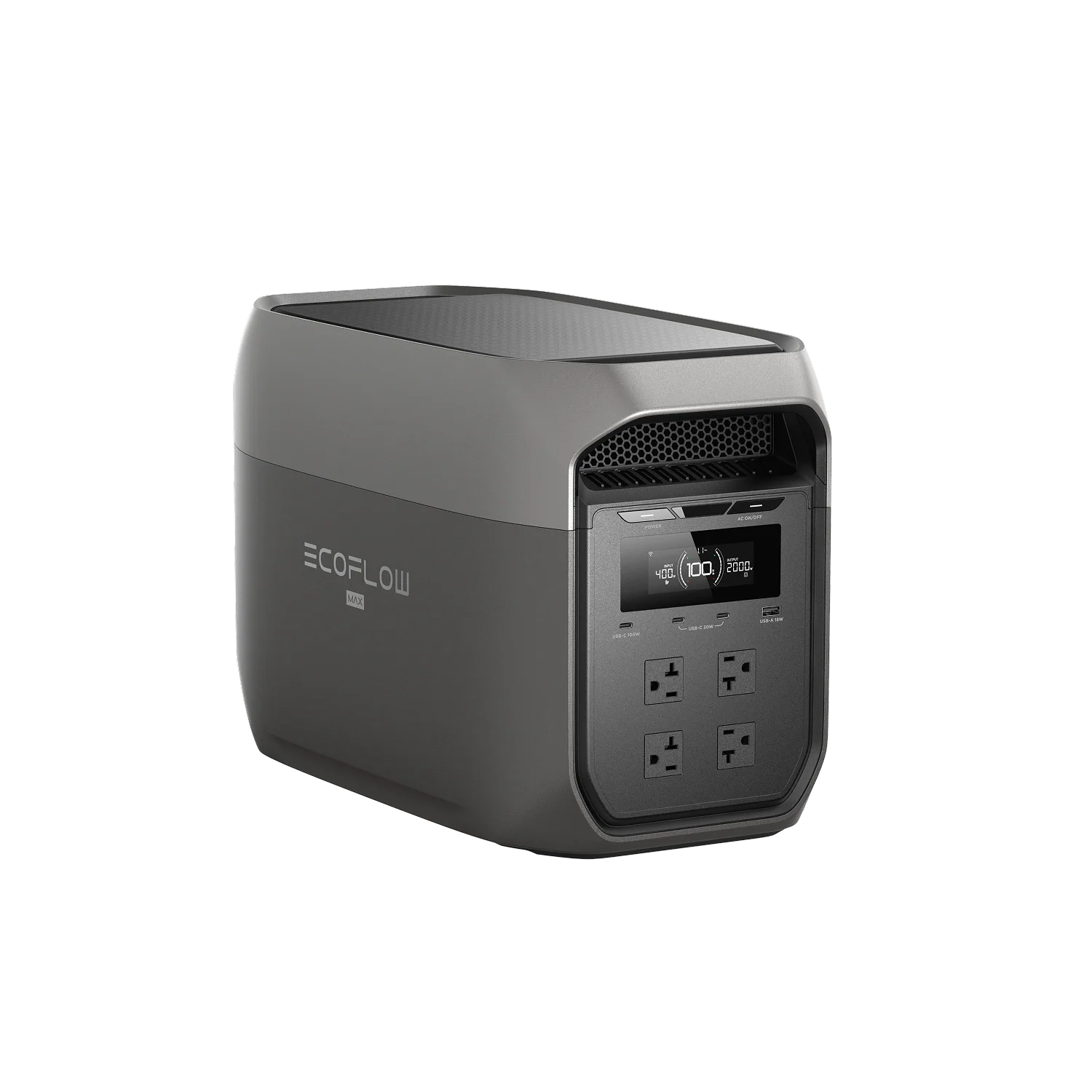
It’s built for large-scale storage, powering your entire home with the ability to scale from 12kWh to 180kWh. For smaller home setups, the EcoFlow DELTA 3 Max Series Portable Power Station (2048Wh) offers a more compact and portable solution. It’s still as powerful, with a 3000W output to support all of your essential household items.
Tech That Makes Northern Solar Work
Constant advancements are being made in solar power, making it a more viable option for Northern regions than ever before. Improvements in cell efficiency mean high-efficiency solar panels can capture more sunlight, even during overcast or low-light days. Scientists are even working on developing panels that can capture the twilight glow.
The next generation of AI systems will be able to predict weather, optimize storage, and manage power distribution. Other smart monitoring systems will be able to manage and prioritize critical loads, so solar can operate more reliably in unpredictable conditions.
Best Practices for Solar in Northern Zones
Panel orientation: When setting up your solar panel, ensure it’s positioned facing south, and adjust the angle as needed. During the winter months, it’ll need to be adjusted as the sun will sit much lower in the sky.
Keep away from shaded areas: Avoid the panel being shaded by trees, foliage, and other buildings, for optimal efficiency.
Use a battery storage system: Invest in a good-quality backup battery storage system so you can store excess energy produced during the summer months.
Snow and ice management: During the winter season, always clear off any snow or ice that may accumulate on the panels, as this can affect performance.
Research solar panels: Before buying your panels, ensure they have a high cell efficiency rating for optimal energy conversion. EcoFlow solar panels have a high-efficiency rating of 23%.
Monitor energy use: Monitor your energy use to keep track of production and consumption levels. This will help you prioritize loads when the solar production is low.
Frequently Asked Questions
Can Solar Panels Generate Enough Power That Far North?
Yes, despite common misconceptions, solar panels can still generate plenty of power in the far North. Panels with high efficiency can still produce solar energy, even on overcast days; just make sure it’s positioned at an angle so heavy snow slides off the panels. During the summer season, when excess power is produced thanks to long daylight hours, the energy can be stored in batteries for use at a time of less production.
What Happens to Solar Panels in the Winter up North?
Solar panels can still operate as normal during the winter. If you choose a good-quality panel with high efficiency, it can still produce solar energy even on days with reduced sunlight. Production will be less than during the summer months, which is why pairing with a backup battery system is ideal.
Integrated Solar and Storage Improve Northern Energy Resilience
Solar power production in the Northern hemisphere isn’t to be underestimated. Despite long winters with very limited hours of daylight, Nordic regions can harness the power of the midnight sun and store excess energy in battery storage systems. When production is low in winter, this stored energy offers a reliable renewable energy source for homes across Northern nations.
While large-scale storage systems are still being deployed, you can use a whole-home backup power solution, like the EcoFlow DELTA Pro Ultra X Whole-Home Backup Power, for complete solar backup that’ll keep your home powered through even the darkest of winters.