What to Do When a Snow Squall Warning Hits Your Area?
If you’ve lived through a Canadian winter, you’ve seen how fast things can change. One minute it feels fine to be out, and the next you’re stuck in a wall of white with almost no warning. That sudden shift is often a snow squall, a short burst of heavy snow and strong wind that can make conditions dangerous very quickly.
Snow squalls don’t hang around like big winter storms, but they’re risky because they hit so fast. With winter hydro bills climbing and the chance of power outages, it’s worth being ready ahead of time. In this guide, we’ll go over what a snow squall is, what the warnings actually mean, how to stay safe indoors and outside, and how to keep things running at home if the power cuts out.
What Is a Snow Squall and How Is It Different from a Blizzard?
Winter weather terms get mixed up all the time, especially when it’s cold and blowing sideways outside. But knowing the difference between a snow squall and a blizzard helps you understand how serious the situation is and how quickly you need to react.
A blizzard is something you usually see coming. It builds over time and can last for hours or even days, often triggering a formal winter blizzard alert well in advance. A snow squall, on the other hand, hits fast and hard. Conditions can go from clear to near-zero visibility in minutes, which is why squalls often catch drivers and pedestrians off guard.
Snow Squall vs. Blizzard: Key Differences:
| Feature | Snow Squall | Blizzard |
|---|---|---|
| Duration | Brief (usually under 3 hours) | Long (3 hours to several days) |
| Snow Intensity | Extremely heavy and sudden | Steady and heavy |
| Visibility | Near-zero (Whiteout) | Less than 400m |
| Wind Speed | Strong, gusty winds | Sustained 40km/h or more |
| Scope | Localized (Specific corridors) | Widespread (Entire regions) |
| Warning Time | Short (Minutes to hours) | Long (Days in advance) |
| CA Hotspots | Great Lakes region, Maritimes | Prairies, Northern Ontario, Arctic |
The main danger with snow squalls isn’t how long they last, it’s how quickly they arrive. That sudden loss of visibility is what makes them especially dangerous on highways and open roads.
What Does a Snow Squall Warning Mean?
When a snow squall is possible, Environment Canada uses different alert levels to show how serious things are. When an alert pops up on your phone, the key question is simple: is this just a heads up, or do you need to act right now?
Yellow Warning: Uncertain Risk
This is more of a warning to stay alert. Conditions are right for a snow squall to form, but one hasn’t fully developed yet. There’s no need to panic, but it’s a good time to get ready. Charge your phone, check your emergency supplies, and think twice about driving later on. Snow squalls can form quickly, so being ready early makes a big difference.
Orange Warning: Snow Squall Approaching or Ongoing
At this stage, things are more serious. A snow squall has been spotted on radar or is already moving into your area. If you’re driving, this is your signal to get off the road while you still can. Visibility can drop to zero very fast, and even short trips can turn risky. Taking action now helps avoid getting caught in a bad spot.
Snow Squall Warning: Snow Squall Confirmed
This is the highest level of urgency. A snow squall is happening or about to hit. In places like Southern Ontario or the St. Lawrence Valley, this usually means dangerous travel conditions and possible power outages are already underway. The safest move is to stay off the roads if you can, get indoors, and make sure your home and emergency power are ready.
What to Do Indoors During a Snow Squall Warning
When a snow squall rolls through and everything outside turns white, staying indoors is usually the safest option. The challenge in Canada is that heavy, wind driven snow can also knock out power without much notice. A little preparation helps keep your home comfortable and safe while the squall passes. Taking steps to protect your home during Canadian winter weather alerts helps you stay safer until conditions improve.
Close and Seal Doors and Windows
Strong winds can push cold air through even small gaps. Make sure windows are fully latched, exterior doors are closed tight, and use draft stoppers if you have them. Keeping the heat inside the house is your first priority, especially if the temperature is dropping fast.
Unplug Unnecessary Electronics
If you notice lights flickering or the power cutting in and out, unplug sensitive electronics like computers, TVs, or gaming consoles. Quick power dips and surges during storms can damage equipment, and it’s better to be cautious until things settle down.
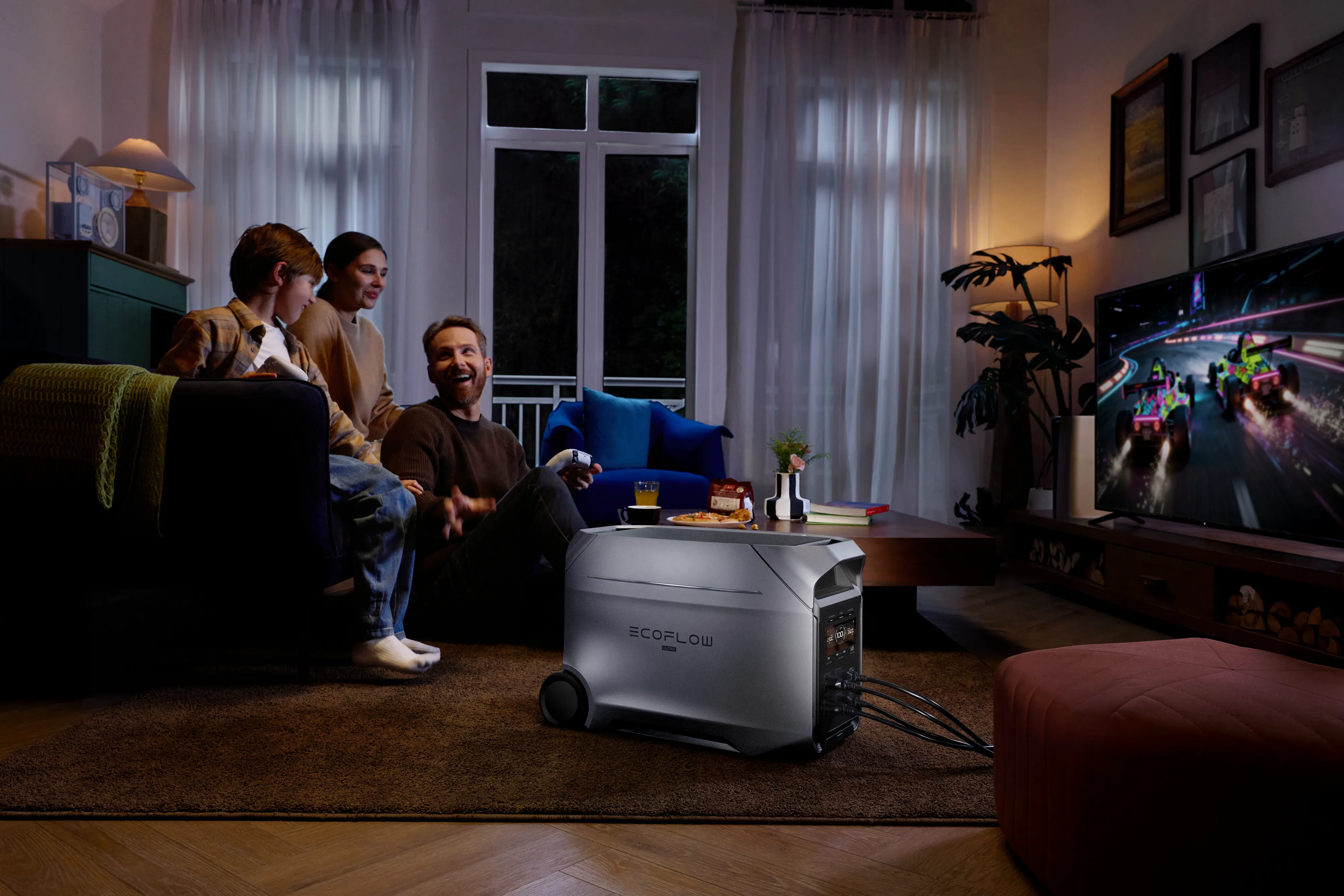
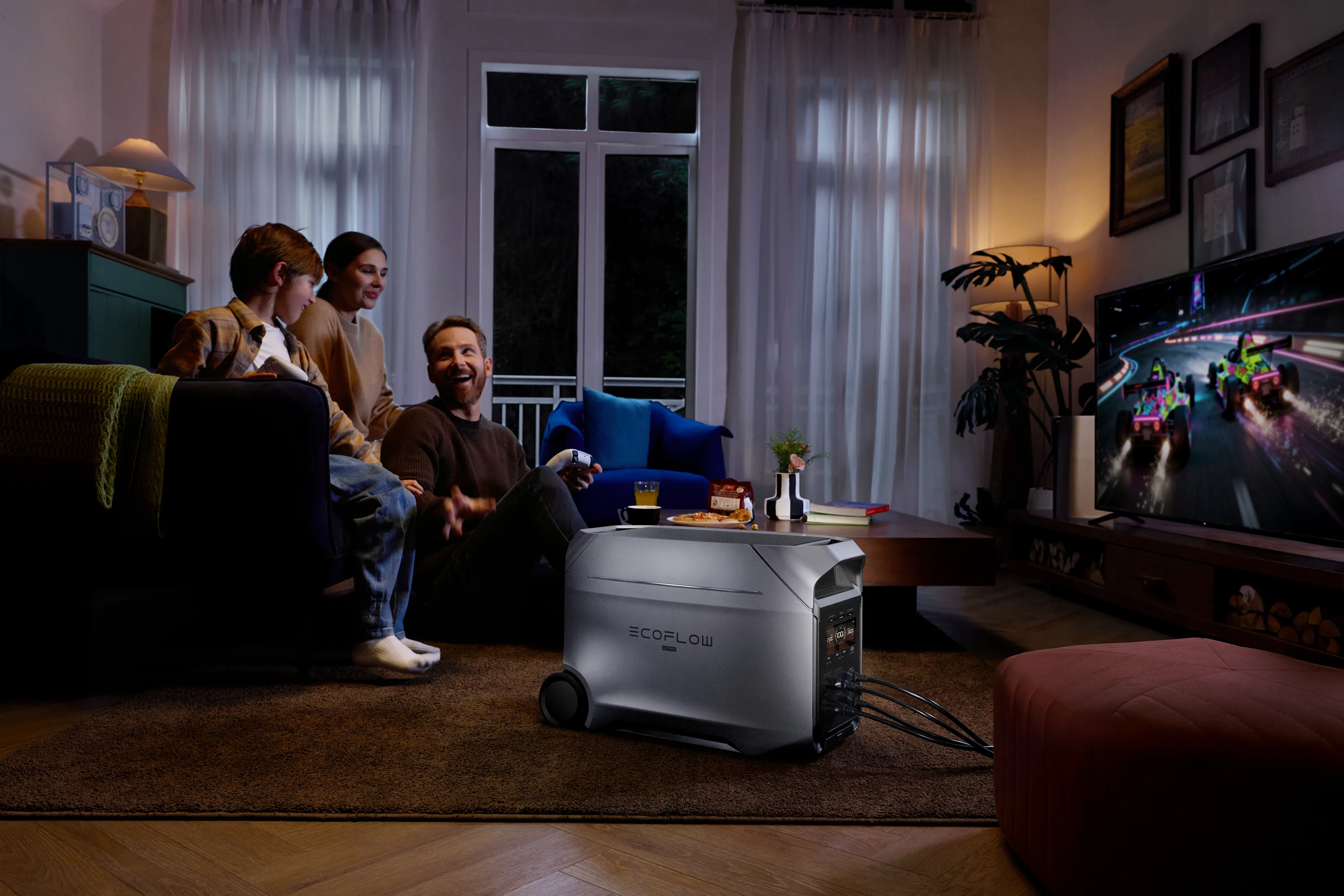
During short winter outages, a portable power station can help keep essential devices like phones and small lights running safely without relying on fuel-based generators indoors.
Activate Emergency Power for Essential Needs
When the power cuts out during a snow squall, the sudden quiet can be unsettling. Having a backup power source on hand can make a big difference in how comfortably you ride it out. Some households use a portable battery system from EcoFlow to cover the basics during short outages.
A higher capacity unit like the EcoFlow DELTA 3 Ultra Plus Portable Power Station (3072Wh) can keep essentials running, such as phones, a Wi-Fi router, and a few lights, so you can stay connected and keep an eye on weather updates. Depending on the setup, it can also help power a small space heater or an electric blanket, which makes it easier to keep one room warm until the grid comes back. The goal isn’t to run the whole house, it’s to stay safe, informed, and comfortable while the squall passes.
Have Emergency Supplies Easy to Reach
Snow squalls are usually short, but they can still cause road closures or delays. Keep a small emergency kit nearby with water, non-perishable food, a flashlight, and a basic first aid kit, just in case you’re stuck indoors longer than expected. For households in areas prone to frequent outages, installing a home battery backup can provide longer-lasting support for essential systems during winter storms.
What to Do Outdoors During a Snow Squall Warning
If you’re outside when a snow squall hits, things can change fast. One minute you’re walking the dog or driving home, and the next you can barely see a few metres ahead. The goal at that point is simple: get to shelter as quickly and safely as you can, and make yourself easy to find.
Stay Out of Open Areas, Lakes, and Trails
Whiteout conditions can mess with your sense of direction almost right away. It becomes hard to tell where the ground ends and the sky begins. If you’re on a frozen lake, an open trail, or anywhere exposed, move toward solid shelter right away. Wind is strongest in open areas, and wind chill can become dangerous very quickly.
If You’re Driving, Get Off the Road Safely
Driving into a squall can feel like hitting a wall of snow. Stopping on the shoulder of a highway is risky because other drivers may not see you in time. If you can, exit the road completely and pull into a gas station, parking lot, or another sheltered area. If you’re forced to stop on the road, turn on your hazard lights and stay inside the vehicle with your seatbelt on. Getting out in near-zero visibility puts you at greater risk.
Protect Your Face and Neck From the Cold
Strong winds and blowing snow can cause frostbite on exposed skin in minutes. Cover your face, neck, and ears with a scarf, neck warmer, or anything you have on hand. Keeping those areas covered helps trap warm air and reduces heat loss. If you’re stuck outside or waiting in your vehicle, save your phone battery by lowering screen brightness, closing apps, and keeping the phone inside your jacket so it stays warm.
If you’re trapped in your car for more than half an hour, run the engine for short periods to warm up if it’s safe to do so. Use blankets, extra clothing, or anything available to keep your core warm.
Stay Away From Fallen Trees and Power Lines
Heavy snow and strong gusts can bring down branches and power lines that may be hidden under fresh snow. Stay well clear of anything that looks damaged. If a power line falls on your vehicle, stay inside and wait for emergency crews, the tires help insulate you from the ground.
Let Someone Know Where You Are
Snow squalls can make even familiar areas hard to recognize. Before moving toward shelter, send a quick text or share your live location with a friend or family member. That way, someone knows where you are and where you’re headed if you don’t check in right away.
What to Do After a Snow Squall Warning
Once the wind eases and visibility starts to improve, it’s tempting to jump right back into your routine. But after a snow squall, taking a few minutes to check things over can help prevent injuries and avoid problems later on.
Make Sure It’s Safe Before Heading Outside
Before stepping out, take a quick look around. Watch for leaning trees, hanging branches, or anything that may have shifted during the storm. If snow has piled up against your door, clear a small path first so you can get out safely if needed.
Clear Snow Early to Avoid Ice
Freeze thaw cycles are tough in Canada, and packed snow can turn into slick ice overnight. Clearing walkways, steps, and driveways as soon as possible helps reduce the risk of slips and falls, especially once temperatures drop again.
Inspect Electrical and Heating Equipment
After a snow squall passes, problems often show up when the power comes back on. Sudden surges can be harder on appliances than the outage itself, especially things like furnaces, heat pumps, and modern fridges with electronics built in.
Some homeowners use a whole home battery system like the EcoFlow DELTA Pro Ultra Whole-Home Backup Power to smooth that transition. By supplying steady power while the grid stabilizes, it helps reduce the risk of damage from electrical spikes. It’s less about convenience and more about protecting the equipment your home depends on after a rough winter outage.
Keep an Eye on the Forecast
Snow squalls don’t always come one at a time. It’s common for another one to follow not long after the first. Keep checking your weather app or local alerts so you’re not caught off guard if conditions change again.
Watch for Secondary Hazards
Heavy, wet snow can put extra weight on roofs, especially after multiple squalls. It’s also important to make sure the furnace and exhaust vents are clear of snow. Blocked vents can cause carbon monoxide to build up indoors, which is a serious safety risk.
Conclusion
Snow squalls are just part of winter in Canada. They’re sudden, intense, and can catch you off guard, but they don’t have to turn into a crisis. Knowing what the warnings mean and having a basic plan in place makes a big difference when conditions change fast. Whether it’s staying off the roads, keeping your home safe during a brief outage, or checking in on the forecast afterward, small steps go a long way. Stay warm, stay aware, and be ready, that’s usually all it takes to get through a snow squall safely.
FAQ
1. What is the biggest risk of a snow squall?
The biggest risk is how fast visibility disappears. Roads that look fine can turn into a whiteout in seconds, which often leads to multi-car crashes. For anyone outdoors, that sudden loss of visibility can also cause disorientation very quickly.
2. How long does a snow squall usually last?
Most snow squalls are short, often under three hours. Even though they move through quickly, they can drop several centimetres of snow in a very short time, which is enough to make roads dangerous.
3. Is a snow squall a whiteout?
A snow squall causes a whiteout. A whiteout is the condition where you can’t tell the ground from the sky. The squall is the weather event that creates that blinding effect.
4. Is a snow squall a mini blizzard?
Not exactly. They can feel similar, but they’re different. Snow squalls are localized and short lived, while blizzards affect much larger areas and last much longer.
5. How should you drive through a snow squall?
If you can avoid driving, that’s the safest choice. If you’re already on the road when a squall hits, slow down gradually, turn on your full headlights (not just daytime running lights), and increase the distance between you and other vehicles. If visibility drops too low, pull off the road completely in a safe location and wait until conditions improve.