How to Protect Your Home During Canadian Winter Weather Alerts
Winter in Canada isn’t just a season, it’s a reality you have to plan around. From Prairie windchill that cuts through walls to lake effect snow piling up fast across Ontario, harsh weather can hit with little mercy. Staying informed and protecting your home isn’t optional; it’s part of daily life here. This guide explains how Canadian winter weather alerts work, what different storm warnings actually mean for your home, and the practical steps, including dependable backup power planning, you can take to stay safe, warm, and prepared when temperatures drop and conditions turn severe.
How Canadian Winter Weather Alerts Are Issued
In Canada, official winter weather alerts are issued by Environment and Climate Change Canada (ECCC). You’ll see them pushed through the WeatherCAN app, local radio and TV stations, and the National Public Alerting System, known as Alert Ready, which sends emergency notifications straight to compatible smartphones across the country.
The goal of this system is early awareness, not panic. Alerts are meant to give homeowners time to prepare, whether that means adjusting travel plans, securing the house, or getting ahead of possible power outages. Learning the alert terminology helps families respond calmly and make the right calls before conditions worsen.
Types of Canadian Winter Weather Alerts
Not all winter storms carry the same level of risk. Depending on factors like temperature, wind speed, snowfall rate, and ice accumulation, Environment and Climate Change Canada (ECCC) issues different alerts to help Canadians quickly understand what they’re dealing with and how seriously to take it.
1. Winter Storm Warning
This warning is issued when multiple dangerous winter conditions are expected at once, think heavy snowfall paired with strong winds, freezing rain, or extreme cold. It’s the most common “major” winter alert and usually signals a high risk to travel, property, and personal safety.
2. Blizzard Warning
A blizzard warning means conditions are severe enough to make travel extremely dangerous or outright impossible. Visibility drops below 400 metres due to blowing snow, with sustained winds of at least 40 km/h lasting four hours or more. In these situations, homes can cool quickly, and emergency services may be delayed.
3. Snow Squall Warning
Snow squalls are fast, intense, and often catch drivers off guard, especially around the Great Lakes. These short lived bursts of heavy snow can turn clear highways into whiteouts in seconds, causing sudden pileups even though the storm itself may only last minutes.
4. Freezing Rain Warning
Freezing rain is one of the most disruptive winter events in Canada. Rain freezes instantly on contact with cold surfaces, coating roads, trees, and power lines in ice. This type of warning often precedes widespread power outages, particularly in provinces like Quebec, Ontario, and New Brunswick.
5. Extreme Cold Warning
Issued when temperatures or wind chills reach dangerously low levels, extreme cold warnings highlight serious health risks like frostbite and hypothermia. In many regions, this threshold is around -30°C, though it can vary by location.
6. Wind Chill Warning
Sometimes issued on its own, a wind chill warning focuses on how fast wind strips heat from exposed skin and buildings. Even moderate temperatures can become hazardous when combined with strong winds, increasing heating demand and stress on infrastructure.
7. Winter Weather Advisory
An advisory is the lowest tier and usually refers to “nuisance” weather, conditions that may disrupt daily routines but don’t quite reach warning criteria. Slippery sidewalks, light snowfall, or patchy ice are typical triggers, especially in urban areas.
Understanding these alerts helps Canadians respond appropriately, whether that means staying off the roads, adjusting heating plans, or simply allowing extra time to get through the day safely.
Typical Regional Winter Weather Alert Considerations Across Canada
Canada’s size and geography mean winter weather alerts can feel completely different depending on where you live. What counts as disruptive in one region may be routine in another, so preparation should always reflect local conditions rather than national averages.
1. Toronto Weather Alerts
In the GTA, winter weather is heavily influenced by Lake Ontario. While the urban heat island can soften temperatures slightly, it also fuels heavy, wet snow and freezing rain events. These conditions are especially hard on trees and power lines, which is why power outages are a frequent concern during winter alerts.
2. Alberta Weather Alerts
Alberta winters are defined by sharp contrasts. Chinooks can bring sudden warm ups, but they’re often followed by rapid temperature drops. Extreme Cold Warnings are common, and heating systems may run nonstop for extended periods, making energy reliability and insulation critical for homes across the province.
3. Ottawa Weather Alerts
Ottawa experiences long stretches of deep cold combined with significant snowfall. Ice storms are also a recurring risk. The mix of heavy snow loads and freezing rain means residents need to watch both roof stress and power disruptions closely throughout the winter season.
Home Protection Strategies for Canadian Winter Weather Alerts
When a winter weather alert pops up on your phone, it’s your cue to switch into prep mode. Acting early before conditions worsen, can help avoid costly repairs and keep your home comfortable when temperatures drop fast.
1. Heating System Protection and Cold Weather Readiness
Before the season ramps up, have your furnace or heat pump inspected and serviced. Swap out filters regularly to keep airflow steady, and make sure outdoor intake and exhaust vents stay clear of snow and ice to avoid carbon monoxide risks during long cold snaps.
2. Pipe, Plumbing, and Water Damage Prevention
Frozen pipes are one of the most expensive winter problems Canadian homeowners deal with. When indoor temperatures drop due to a furnace failure or power outage, water inside the walls can freeze, expand, and rupture pipes, often without warning until major damage appears.
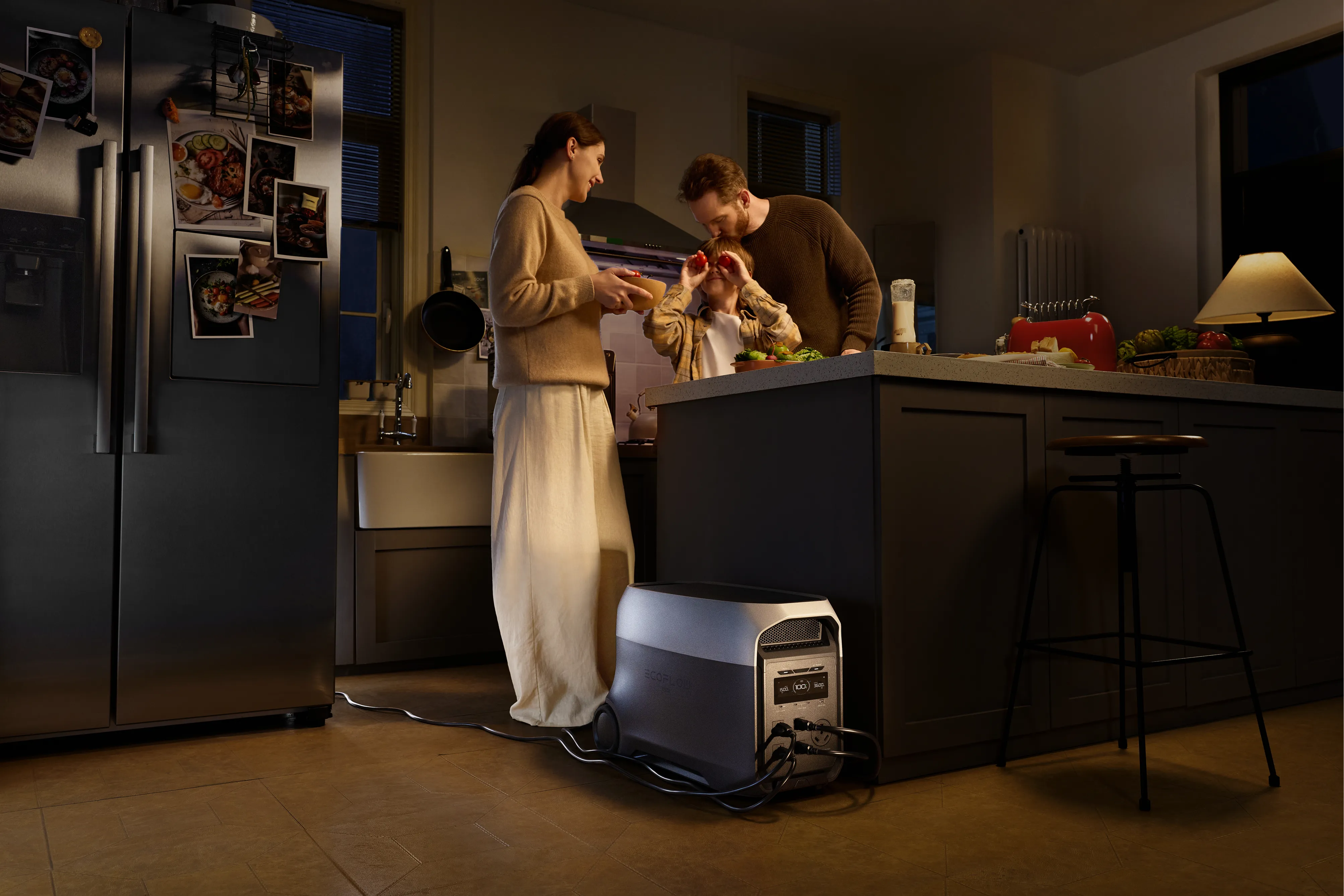
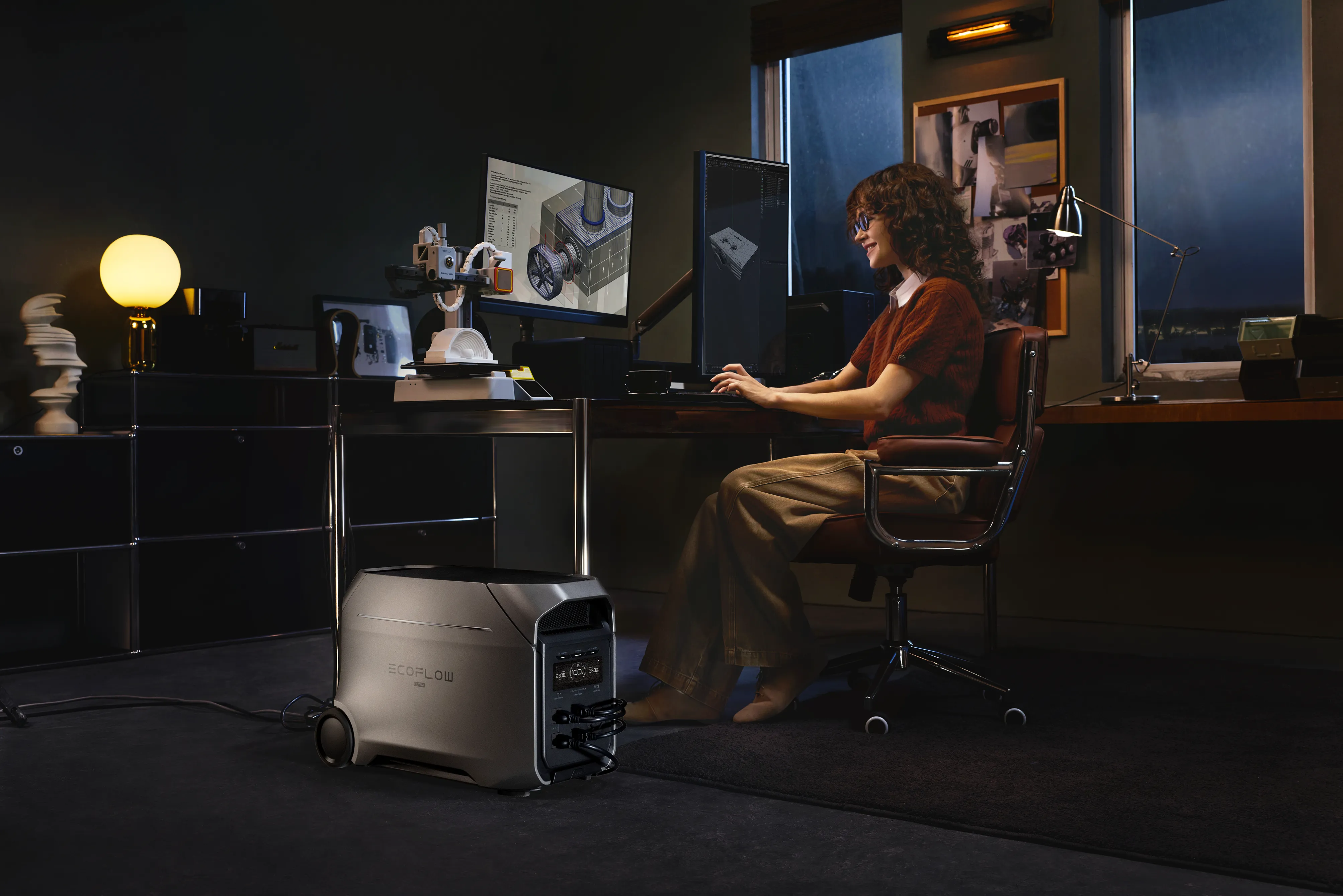
Keeping your heating system running, even at a low level, is key. A whole-home or high-capacity battery backup system can support key heating components, such as furnace blowers or circulation pumps, depending on system configuration and load requirements. Solutions like the EcoFlow DELTA Pro Ultra X Whole-Home Backup Power help maintain enough ambient heat to reduce the risk of frozen pipes and costly water damage during extended winter grid failures.
3. Electrical Safety and Power Outage Preparedness
During Canadian ice storms and blizzards, power outages are more the rule than the exception. When lines come down, keeping essentials like your sump pump, internet, and basic kitchen appliances running becomes critical for safety, warmth, and staying informed.
A high capacity portable power station, such as the EcoFlow DELTA 3 Ultra Plus Portable Power Station (3072Wh) can play an important backup role in these situations. Designed to support higher demand household equipment, it helps maintain basic functionality during outages, giving families time to ride out the storm without scrambling in the dark.
4. Roof, Window, and Structural Protection Measures
Heat loss through the roof can lead to ice dams, where melting snow refreezes at the eaves and forces water under shingles. Good attic insulation helps prevent this. Inside the home, sealing drafts with weatherstripping or thermal curtains keeps warm air in and cold air out.
5. Emergency Supplies and Household Safety Planning
Every Canadian household should be ready to manage at least 72 hours without outside help. Stock non-perishable food, water (about 2–4 litres per person per day, depending on conditions), flashlights, batteries, and a first aid kit. Make sure everyone knows the emergency plan, including where the main water shut-off valve is located.
Conclusion
Canadian winter weather alerts are more than background noise, they’re a clear signal to get ready. By understanding ECCC warnings and accounting for regional conditions, you can stay ahead of fast changing storms. From sealing drafts to having a dependable portable power station like the EcoFlow DELTA series to keep heat and essentials running, thoughtful preparation reduces risk and stress. When winter hits hard, being ready makes all the difference for your home and family.
FAQ
1. Which is the Safest Place to be During a Winter Storm?
The safest place during a winter storm is indoors, ideally inside a well-insulated home with a steady heat source. Staying off the roads reduces risk from whiteouts, black ice, and stranded vehicles. If you’re caught outside, find shelter immediately and avoid exposure to wind and moisture, which can accelerate heat loss.
2. Is it a Good Idea to Put Salt Down Before an Ice Storm?
Yes. Applying salt or de-icer before an ice storm helps prevent ice from bonding tightly to concrete or asphalt. This creates a brine layer that makes cleanup safer and faster once freezing rain or sleet begins to accumulate. Pre-treating surfaces is essential to prepare your home for an ice storm, keeping steps and driveways manageable once the freezing rain hits.
3. At What Temperature is it Unsafe to be Outside in the Cold?
Extended outdoor exposure becomes dangerous when wind chill reaches around -27°C or colder. At this level, frostbite can develop on exposed skin in under 30 minutes. The risk increases quickly with wind, damp clothing, or reduced mobility, making it critical to limit time outside.
4. What is the Extreme Cold Warning in Canada?
An extreme cold warning is issued when temperatures or wind chill values pose a serious risk to health, including frostbite and hypothermia. Thresholds vary by region, lower in the Prairies, slightly higher in Southern Ontario, but the message is the same: limit outdoor activity and protect your home.
5. Will the Emergency Alert Go Off if the Phone is on Silent?
Yes. In Canada, Alert Ready emergency notifications override silent mode and “Do Not Disturb” settings on most compatible phones. This ensures critical alerts, such as extreme cold warnings or major winter storms, reach you even overnight or when your phone is muted.