8 Types of Weather Disasters in Canada You Should Be Prepared For
- 1. Floods
- 2. Wildfires and Forest Fires
- 3. Winter Storms, Blizzards, and Extreme Cold
- 4. Ice Storms and Freezing Rain Events
- 5. Extreme Heat and Prolonged Heat Waves
- 6. Severe Thunderstorms, Tornadoes, and Large Hail
- 7. Hurricanes, Tropical Storms, and Coastal Storm Surges
- 8. Drought and Extreme Dry Conditions
- Conclusion
- FAQ
Canada is known for its natural beauty, but anyone who’s lived here for a while knows the weather doesn’t always play nice. From sticky summer heat in Southern Ontario to bitter Prairie winds and powerful Atlantic storms, living in Canada means constantly adjusting to whatever the season throws at you. Heading into 2026, extreme weather isn’t just something we see on the news once in a while anymore, it’s becoming part of everyday life.
This guide looks at eight of the most common and serious weather disasters Canadians face, along with practical ways to stay safe and keep your home running when conditions turn rough.
1. Floods
Flooding is still the most common and most expensive natural disaster in Canada. It doesn’t always come from rivers overflowing, either. Spring snow melting too fast or a strong summer rain can push water into homes before people have time to react.
Types of Floods Common in Canada
In most parts of Canada, flooding happens in a few main ways. River flooding occurs when waterways rise and spill over their banks. Urban flooding is caused by heavy rain that drains and sewers can’t handle. In places like New Brunswick and parts of Southern Alberta, ice jams in the spring can also cause water to back up quickly and flood nearby areas.
Flood Safety Tips for Homeowners
For many homeowners in Toronto and Southern Ontario, basement leaks during heavy rain are a very real problem. One of the biggest risks comes during power outages, when sump pumps stop working. When that happens, water can build up fast.
Some households plan for this by keeping a battery backup on hand to power essential equipment during outages. A higher-capacity unit like the EcoFlow DELTA 3 Ultra Plus Portable Power Station (3072Wh) can keep a sump pump running until power comes back. That extra time can help prevent serious water damage and save a lot of stress during a storm.
2. Wildfires and Forest Fires
Wildfires used to be something Canadians mainly worried about in the middle of summer. Lately, that’s changed. We’re now seeing fires smoulder underground through the winter and flare back up in early spring, catching communities off guard before the season even starts.
High-Risk Areas and What Starts Fires
British Columbia and Alberta have always been high-risk areas, but wildfire danger isn’t limited to the West anymore. Northern Ontario and parts of Quebec have also seen more fire activity in recent years. Dry winters, early heat, and long stretches without rain leave forests extremely dry. In those conditions, it doesn’t take much, a lightning strike or a carelessly tossed cigarette can start a major fire.
Evacuation and Dealing With Smoke
If evacuation orders are issued, don’t wait. Fires spread quickly and conditions can change fast. Having a small go bag ready ahead of time makes it easier to leave without scrambling. Even if you’re not in the fire’s path, smoke can still be a serious issue. When air quality drops, keep windows and doors closed as much as possible. Using an air purifier with a HEPA filter can help indoors, and it’s worth paying attention to the Air Quality Health Index when smoke hangs over your area.
3. Winter Storms, Blizzards, and Extreme Cold
Canadian winters are nothing new, but a full on blizzard is a different situation altogether. Before temperatures plunge, it’s important to winterize your home for safety to reduce heat loss and protect essential systems during outages.
Knowing When It’s a Blizzard and Staying Indoors
A blizzard isn’t just heavy snowfall. It’s when strong winds, around 40 km/h or more, blow snow around so much that you can’t see more than a few hundred metres, and that lasts for hours. When conditions hit that point, the safest move is usually to stay put. If you’re home during a storm, make sure heating vents and exhaust pipes stay clear of snow. Blocked vents can cause dangerous fumes to build up, especially when heating systems are running non-stop.
Avoiding Frostbite and Hypothermia
Once temperatures drop below about -30°C, exposed skin can freeze in minutes. If the power goes out during a deep freeze, keeping heat in the house becomes about safety, not comfort. Layers help, but they’re not a long-term solution if the outage drags on.
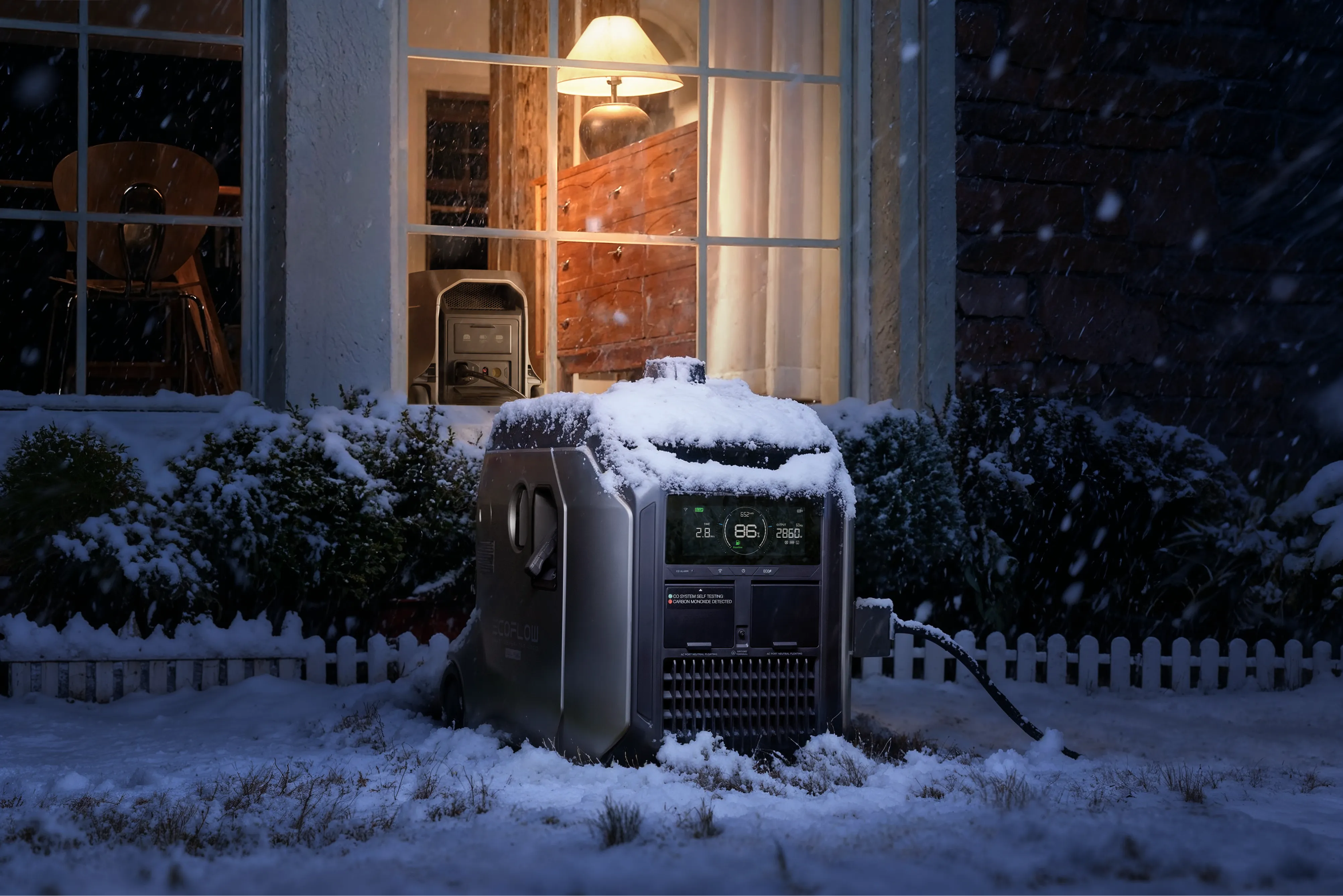
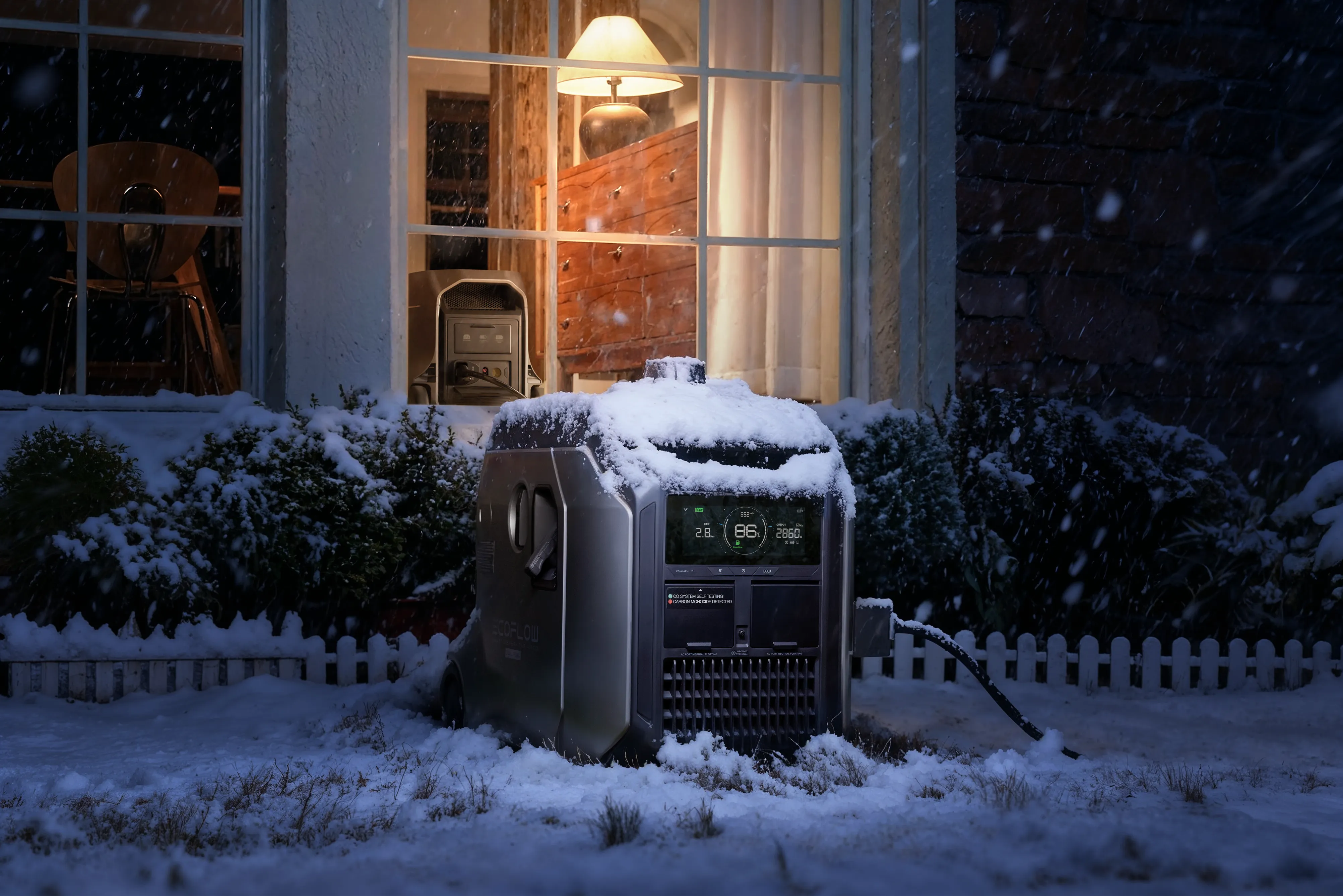
Some households prepare for this by having a backup power option that can keep essential systems running. A whole home battery system like the EcoFlow DELTA Pro Ultra Whole-Home Backup Power can help maintain heat during outages while protecting furnaces and appliances from power surges when electricity comes back on. It’s a way to get through a winter storm without relying on unsafe fuel based heaters indoors.
4. Ice Storms and Freezing Rain Events
Ice storms are often more disruptive than snowstorms because they hit the infrastructure hard. It doesn’t take much ice to cause problems. A thin layer can weigh down tree branches, snap power lines, and leave entire neighbourhoods without electricity.
Why Ice Buildup Is So Dangerous
When freezing rain coats everything, even a short walk becomes risky. Sidewalks and roads turn slick fast, and falling ice can damage cars and roofs. Heavy ice can also cause power lines to sway and fail, which is why outages during ice storms can last much longer than people expect. We’ve seen how quickly freezing rain can shut down cities like Montreal or Ottawa, bringing traffic and daily routines to a standstill.
Staying Safe During Travel and Power Outages
If freezing rain is in the forecast, the safest option is usually to stay home and off the roads. If you absolutely have to go out, it’s best to wait until plows and salt trucks have had time to do their work. At home, make sure phones and essential devices are charged ahead of time, and keep an emergency kit handy. Non-perishable food that doesn’t need cooking is especially important, since ice storms can knock out power for days in some areas.
5. Extreme Heat and Prolonged Heat Waves
Heat might not be the first thing people think about in Canada, but summer heat waves are becoming more common, especially in cities. Urban areas like Vancouver or Windsor tend to trap heat, and during a stretch of hot days, apartments and older homes can warm up quickly.
Preventing Heat-Related Illness
Extreme heat can be dangerous, particularly for seniors, young children, and anyone without air conditioning. Staying hydrated is key, and it’s important to check in on neighbours who may be more vulnerable. If you start feeling dizzy, weak, or confused, get out of the heat right away and cool down with water and shade. Heat stroke is serious and shouldn’t be ignored.
Keeping Homes Cooler During Heat Waves
Simple steps can help keep indoor temperatures more manageable. Closing blinds or curtains during the day blocks direct sunlight, and fans help move air around, even if they don’t lower the temperature on their own.
During periods of high demand, power outages or brownouts can happen. Some households use portable power stations to keep a fan or small, efficient air conditioner running when the grid is under strain. Having that option can make a big difference during long stretches of extreme heat.
6. Severe Thunderstorms, Tornadoes, and Large Hail
Severe summer storms can build quickly in many parts of Canada. From the Prairies, where tornadoes are more common, to Southern Ontario, where strong thunderstorms roll through regularly, conditions can change in minutes.
Understanding Tornado Watches and Warnings
It’s important to know the difference between a watch and a warning. A tornado watch means conditions are right for one to form. A warning means a tornado has been spotted or detected and you need to take shelter right away.
If a warning is issued, go to the lowest level of your home and stay away from windows. Basements are best, but even an interior room or hallway is safer than staying near glass. If you’re in a mobile home, leave and find a solid, permanent building as quickly as you can.
Staying Safe During Large Hail
Hailstorms can do serious damage in a short amount of time. Hail can be small, but it can also grow large enough to dent vehicles, break windows, and damage roofs. If you’re driving when hail starts, pulling into a covered area like a gas station or under an overpass can help protect your car. Stay inside the vehicle until the storm passes to avoid injuries from shattered glass.
7. Hurricanes, Tropical Storms, and Coastal Storm Surges
Atlantic Canada sees its share of powerful storms, especially in late summer and fall. Even when storms weaken before reaching Nova Scotia or Newfoundland, they can still bring strong winds, heavy rain, and coastal flooding that causes serious damage.
Preparing for Coastal Flood Risks
One of the biggest dangers during these storms is storm surge. Seawater can be pushed far inland, flooding roads, basements, and ground-level homes near the coast. If you live in a coastal area, proper drainage around your home matters. Make sure water can flow away from the foundation, and have window protection ready in case winds pick up.
Staying Safe During Hurricanes and Tropical Storms
Before a storm arrives, bring in or secure anything outside that could be blown around, like patio furniture or garbage bins. Clear out eavestroughs so heavy rain can drain properly instead of backing up near the house.
It’s also smart to fill up your gas tank early. Power outages and closed stations are common during storms, and having fuel gives you options if you need to leave or check on family members once conditions improve.
8. Drought and Extreme Dry Conditions
Drought doesn’t hit all at once like a storm or a flood. It builds slowly, and it’s felt most in the Prairies and parts of Interior B.C. Over time, dry conditions affect water supplies, farming, and eventually the cost of food across the country.
How Drought Affects Daily Life
Drought is more than just brown lawns and dry gardens. Water restrictions become common, dust levels increase, and air quality can suffer, which isn’t great for people with breathing issues. Long dry periods also put pressure on farmers, and that often shows up later at the grocery store in the form of higher prices and fewer local options.
Conserving Water and Reducing Fire Risk
During dry stretches, it’s important to be careful with water use and follow local watering rules. Avoid outdoor burning altogether, even if conditions seem calm. Dry grass, leaves, and yards can easily catch from a stray spark or ember carried by the wind, especially if there’s a wildfire burning nearby.
Conclusion
From the deep cold of a January blizzard to a sudden summer flood, Canada’s weather can change quickly and hit hard. Being prepared isn’t about worrying all the time, it’s about knowing what risks are common where you live and having a basic plan in place before something happens. For households concerned about prolonged outages, investing in a whole-home battery backup can provide greater stability when the grid is down.
Whether that means thinking ahead about heat during a power outage, keeping water away from your basement, or having supplies ready to go, small steps make a big difference. When the weather turns and the power goes out, being prepared helps life carry on with a lot less stress.
FAQ
1. What is the most common disaster in Canada?
Flooding is the most common, and most expensive, natural disaster in Canada. It happens in every province and territory, often caused by spring snowmelt, heavy rainfall, or coastal storm surges. Basement flooding after major rainstorms is especially common in urban areas.
2. What was the worst disaster in Canada?
Historically, the Halifax Explosion in 1917 remains the deadliest disaster on Canadian soil. In more recent times, the 2023 and 2024 wildfire seasons are considered the most severe in terms of environmental damage and total economic impact, affecting millions of hectares and multiple provinces.
3. What are the five levels of severe weather?
In Canada, weather risks are communicated through alerts issued by Environment Canada. While the wording can vary by situation, the general impact levels are:
No alert (normal conditions)
Special Weather Statement (awareness)
Yellow (moderate impact)
Orange (high impact)
Red (extreme or life threatening conditions)
These alerts help people understand how serious a situation is and when to take action.
4. Has there ever been an F6 tornado?
No. There has never been an officially rated F6 tornado anywhere in the world. The Fujita scale tops out at F5. Winds beyond that level are considered theoretical, and the damage would be impossible to distinguish from a very strong F5 tornado.
5. What weather usually cancels flights in Canada?
Flights are most often cancelled due to poor visibility from heavy snow or fog, strong winds, and ice buildup on aircraft. Extreme cold can also cause delays or cancellations by freezing ground equipment and creating unsafe working conditions for airport crews.