Ice Storm Warning: How to Prepare for Power Outages with EcoFlow Backup Power
- What Is an Ice Storm, and How Does It Impact Power?
- Why Do Ice Storms Cause Long Power Outages?
- What Should You Do Before an Ice Storm Hits?
- What Should You Power First During an Ice Storm Outage?
- How Can You Manage Power During a Multi-Day Ice Storm Outage?
- Frequently Asked Questions
- Reliable Backup Power Keeps Homes Running During Ice Storms
Power outages are never fun, but ice storm warnings present a greater challenge. Ice storms are a highly destructive weather event that can leave a region without power for days or weeks.
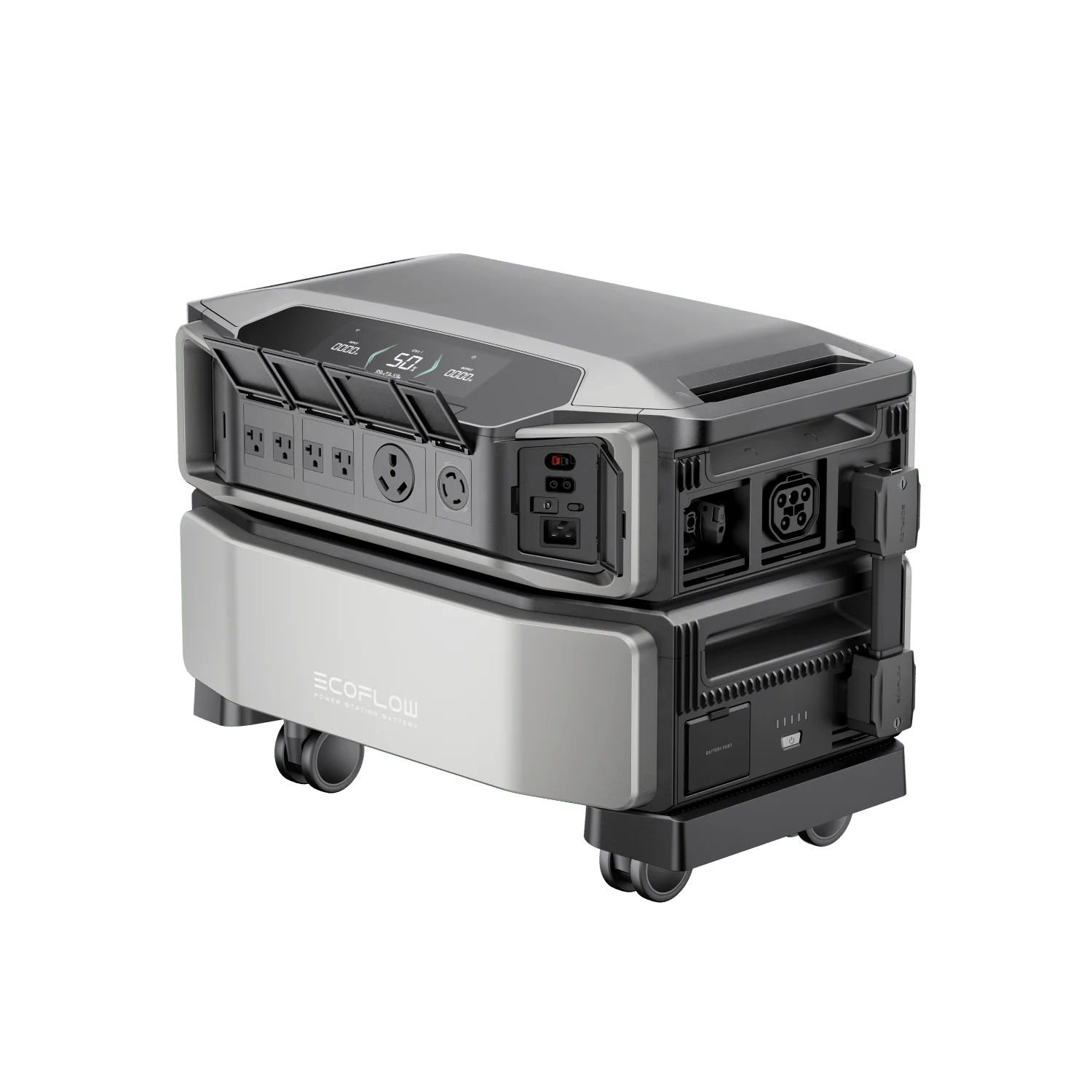
A comprehensive backup battery system, like the EcoFlow DELTA Pro Ultra, is essential to weathering an ice storm safely, keeping heating, refrigeration, and communication running for days without grid access.
Learn more about how to prepare for outages caused by an ice storm in this guide.
What Is an Ice Storm, and How Does It Impact Power?
An ice storm is a type of winter storm characterized by a significant amount of freezing rain. The rain glazes roads, trees, power lines, and other exposed surfaces, creating hazardous, slippery conditions and adding a great deal of weight.
Ice accumulation occurs rapidly during intense storms, adding hundreds of pounds of weight to power lines and tree branches. The excessive weight, paired with intense winds, can cause lines to sag and cross paths, causing them to short out.
In other cases, the weight causes lines to snap or pull entire utility poles down. Tree branches unable to support the ice load can snap and fall onto lines or topple and take down multiple lines.
Ice storms require specific atmospheric conditions to occur: a warm layer of air above a subfreezing layer. The “supercooled” raindrops fall as liquid droplets but freeze the moment they make impact. These conditions typically occur during winter weather transitions, meaning damage occurs when people need power most for heating.
Why Do Ice Storms Cause Long Power Outages?
Ice storms cause long outages due to the challenging repair conditions they create. The weather damages power infrastructure across thousands of miles of lines, making repairs more troublesome than a few fallen poles or broken lines.
Ice-coated roads create extremely hazardous driving conditions, heavily delaying response times or preventing utility trucks from accessing affected areas altogether.
Repairs also take much longer as utility workers face electrocution risks from broken lines, falling branches from loaded trees, and slippery conditions on icy surfaces.
Frozen ground makes digging for new utility poles difficult, and extreme temperatures limit how long workers can safely operate before needing a warming break. Ice can also accumulate on equipment and vehicles, requiring constant de-icing.
What Should You Do Before an Ice Storm Hits?
As soon as ice storm warnings are issued, take these steps:
Charge your backup battery systems to full capacity
Charge all phones, laptops, and other essential devices
Create a priority list of essential, important, and non-essential devices and appliances to ensure your backup power lasts throughout the outage
Stock up on essential supplies before the outage occurs:
Fill bathtubs with water
Gather flashlights and candles
Buy non-perishable food that doesn't require cooking
Collect extra blankets and warm clothing
Your backup power could continue to power lights, heating, and cooking appliances, but it’s best to be prepared for worst-case scenarios.
What Should You Power First During an Ice Storm Outage?
Prioritizing power needs during ice storm outages requires a balance between upholding safety and having enough energy for multi-day outages. Ice storms typically cause longer outages than other weather events, making power management essential.
Heating Systems and Warmth
Keeping warm is critical during outages in freezing temperatures. Ice storms can create life-threatening conditions within hours if homes are left unheated.
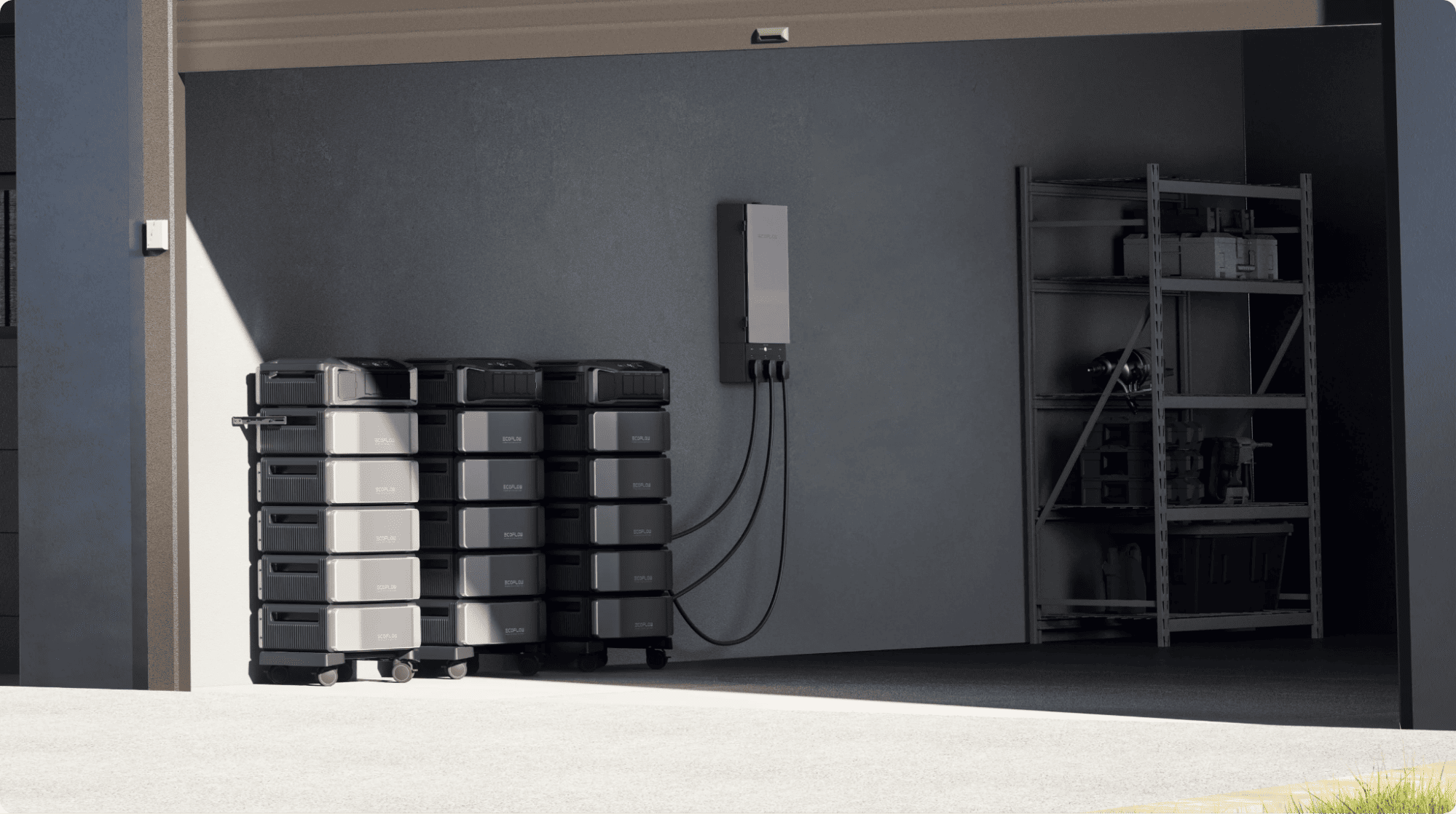
The EcoFlow DELTA Pro Ultra Whole-Home Backup Power system scales from 6kWh–90kWh capacity and 7.2–21.6kW output, making it powerful enough to run central heating.
To save battery, heat your home to a comfortable temperature, then allow it to cool several degrees before reheating.
To lessen power demands, dress in layers, use heavy blankets, and have family members stay together to share body heat. Concentrate household members in one room and close doors to reduce the space requiring heat.
Space heaters offer an alternative to a furnace, but they use a significant amount of power. They should be run intermittently rather than continuously.
Food Storage and Refrigeration
Powering refrigerators and freezers is a must during outages. EcoFlow backup systems can easily run refrigeration appliances, especially if they are Energy Star-certified.
However, these appliances don’t always need to be powered continuously.
Keeping the refrigerator doors closed can keep it cold for hours, while a full freezer can maintain safe temperatures for up to 48 hours. Powering these appliances periodically helps reduce the reliance on backup power. It’s also possible to take advantage of the freezing temperatures outdoors and transfer frozen items to coolers outside.
Refrigerator temperatures must be below 4.4°C (40°F) and freezers below -18°C (0°F) to maintain food safety and prevent spoiling.
When in doubt after a prolonged outage, discard questionable items rather than risk foodborne illness.
Phones and Emergency Communication
Communication devices are extremely useful during outages, and they demand very minimal power. Phones allow you to stay in contact with others and coordinate in case of an emergency.
If cell towers are down, battery-powered radios can provide weather updates and emergency information.
While they use very little power, avoid constant use and unnecessary recharging.
How Can You Manage Power During a Multi-Day Ice Storm Outage?
Multi-day ice storm outages require disciplined power management to avoid depleting your backup power on the first day. Calculate your total available backup capacity in watt-hours. Create a daily power budget, allocating capacity to essential functions until the power returns or solar charging becomes available.
Behavioral changes may need to occur to make your backup power last. Rely on daylight for visibility and sleep earlier in the day to wake with the sunrise, minimizing lighting demands. Gather family members in one room to preserve warmth and limit cellphone use to prioritize emergency use.
Frequently Asked Questions
How Long Do Ice Storm Power Outages Last?
Ice storm outages can last several days to weeks, depending on the severity of the storm and the extent of the damage. Urban areas typically see restoration faster than rural areas as crews repair major infrastructure first, then work their way outward.
What Is the Best Backup Power Option for Ice Storms?
The best backup option for ice storms is a whole-home battery system with solar panel compatibility to keep the house running for days, and indefinitely when solar charging becomes available again.
Reliable Backup Power Keeps Homes Running During Ice Storms
Ice storms test your home's resilience more than almost any other weather event. The combination of extreme cold and extended outage duration makes a robust backup system essential, not optional.
The EcoFlow DELTA Pro Ultra delivers whole-home backup power with enough capacity and output to keep heating, refrigeration, and communication running for as long as it takes.