Wildfire Smoke Indoor Air Quality: How Canadians Can Protect Their Homes This Summer
- Why Wildfire Smoke Is a Growing Indoor Air Quality Problem in Canada
- What “Good” Indoor Air Quality Means During a Smoke Event
- How Wildfire Smoke Gets Inside Your Home (and What Makes It Worse)
- The Most Effective Tools to Clean Indoor Air During Wildfire Season
- Smoke-Season Home Plan: Seal, Filter, Monitor, and Stay Powered Through Outages
- Frequently Asked Questions
- Protect Health, Comfort, and Energy Resilience
Peak wildfire season is here again, and as summer temperatures soar and droughts continue, Canadians should be extra diligent. Wildfire smoke has a severe effect on air quality because it travels far and easily infiltrates our homes. This guide will explore what you can do this smoke season to protect your indoor air quality and your family.
Why Wildfire Smoke Is a Growing Indoor Air Quality Problem in Canada
Wildfires are on the rise across Canada, due to a combination of ongoing drought, climate change, and large areas of dead timber. Add to that the predicted return of El Niño hitting Canada, and the risk increases.
Canadian wildfire season is especially harmful for indoor air quality because smoke travels hundreds of kilometres. Smoke from Canadian wildfires is often seen far south into the United States and sometimes east into the United Kingdom.
Since smoke is warm, it naturally rises, allowing it to travel and carry particulate matter 2.5 (PM2.5) with it. These are fine particles with a diameter of less than 2.5µm, which are a concern for human health. That smoky air easily infiltrates indoor spaces.
What “Good” Indoor Air Quality Means During a Smoke Event
During a smoke event, your air won’t be perfectly clean. However, “good” air quality means you significantly reduce indoor pollutants compared to outdoors, and it shouldn’t have a strong smoky smell or irritate your eyes.
Wildfire smoke affects air quality because it contains contaminants like PM2.5, tiny particles that can penetrate the lungs, enter the bloodstream, and may trigger asthma, allergies, inflammation, and other health concerns. It also contains volatile organic compounds (VOCs), some of which are irritants or otherwise toxic.
While itchy, watery eyes, a sore throat, and a mild cough are common symptoms, if anyone is having severe breathing difficulties, chest pain, or heart palpitations, they should seek medical attention immediately.
How Wildfire Smoke Gets Inside Your Home (and What Makes It Worse)
Smoke gets indoors through doors and windows anytime they’re opened. However, smoke also seeps in through closed doors, windows, attics, or other areas that aren’t well sealed.
Another big source could be HVAC intakes if they pull outdoor air inside.
However, you can also introduce indoor air pollutants by smoking, burning candles or incense, and using a gas or propane stove. Keep those to a minimum during smoke events.
The Most Effective Tools to Clean Indoor Air During Wildfire Season
Depending on your HVAC setup, try recirculating your air to limit smoke entering the home. Then, replace standard filters with high-performance filtration, like MERV 13 or higher, which captures PM2.5. Look for an activated carbon add-on to capture smoke odours and VOCs that mechanical filters miss.
Then, use a portable air purifier that you can move to different rooms if needed. It must have HEPA filtration that also captures PM2.5 and an activated carbon filter.
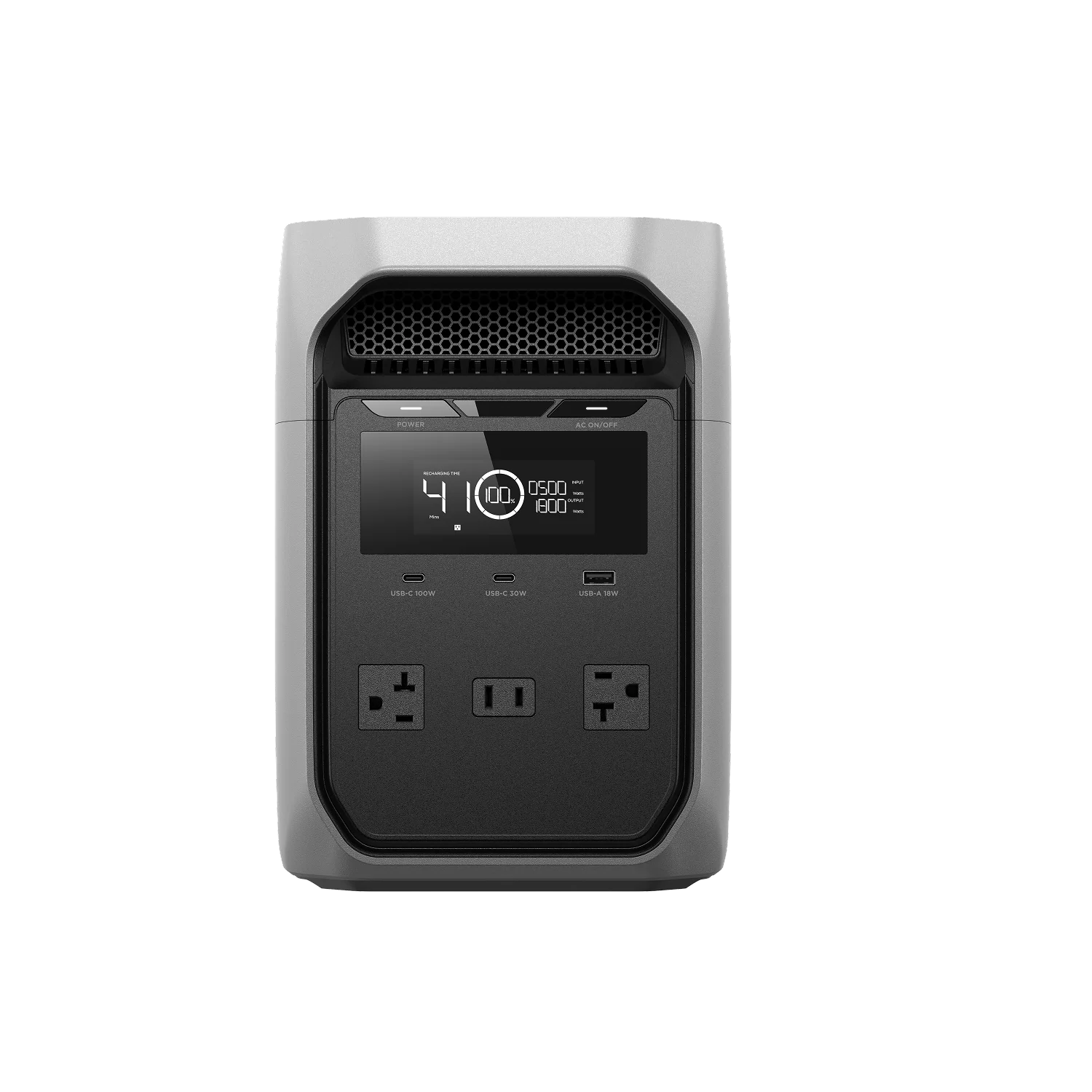
Since power outages are common during wildfires, having an indoor-safe, emissions-free EcoFlow DELTA 3 Classic portable power station will keep your air purifiers running.
Smoke-Season Home Plan: Seal, Filter, Monitor, and Stay Powered Through Outages
Seal your doors, windows, and any drafts with weatherstripping and caulking.
Upgrade your HVAC filtration to a MERV 13 or higher and add one or more standalone air purifiers that use both HEPA and activated carbon.
Monitor your wildfire risk so you’re prepared for evacuation alerts.
Avoid burning anything indoors or using gas or propane stoves, which worsen air quality.
Since wildfires may cause power outages:
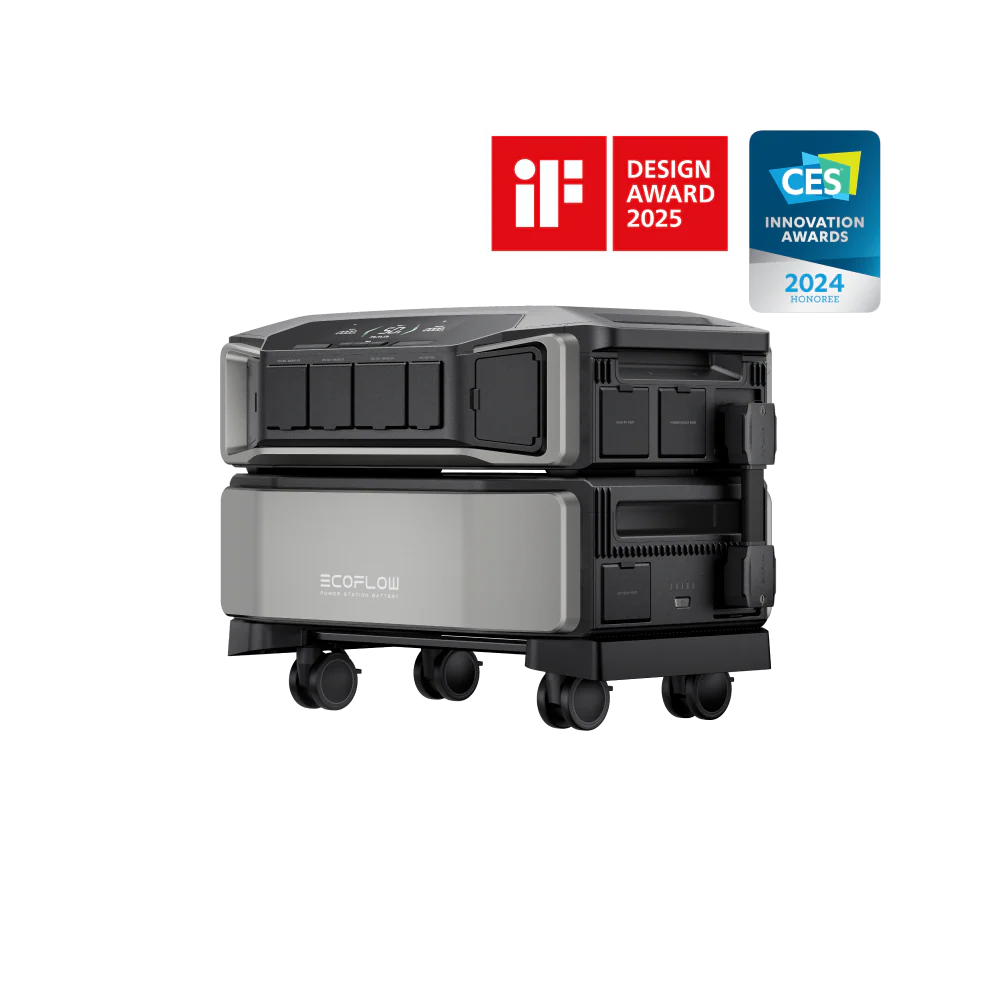
Plan a battery-operated whole home backup power solution to avoid storing flammable fuels or creating more toxic emissions. The EcoFlow DELTA Pro Ultra has enough expandable capacity to run any size home.
Alternatively, use a battery-operated portable power station to run an air purifier and other essential appliances like fridges or medical devices.
Pair your battery backup with solar panels to last through extended outages.
Frequently Asked Questions
How Can I Reduce Smoke Levels Inside My Home?
To reduce smoke inside your home, seal drafty doors, windows, and attics. Then, keep your doors and windows closed, recirculate the air in your HVAC system, install MERV 13 HVAC filters, and use an air purifier with HEPA and activated carbon.
What Types of Filters Remove Pm2.5 and Smoke Odours?
To remove PM2.5, you need an air purifier with HEPA or an HVAC system using MERV 13 filters, both of which remove those fine particles. To address smoke odours, you need an activated carbon filter, which also works on VOCs that HEPA and MERV 13 filters miss.
When Should I Seal My Home Versus Using Mechanical Filtration?
Doing both is best for improving indoor air quality. Sealing your home helps keep smoke out, but it’s not 100% effective. This is why mechanical filtration is necessary to keep PM2.5 to a minimum, and it should be combined with activated carbon to remove VOCs and smoke odours.
Can Backup Power Keep Purifiers Running During Outages?
Yes, you can use an emission-free indoor-safe battery-operated whole-home backup or portable power station during outages to keep your air purifiers working. Avoid using traditional gas generators during wildfires, as they increase both air pollutants and fire risk due to flammable fuel storage.
Protect Health, Comfort, and Energy Resilience
Wildfire season is a natural part of life in Canada, but warmer temperatures and a changing climate are making it worse. The smoke travels far and enters our homes, where it can irritate the eyes, lungs, and throat and may cause more serious health problems in sensitive individuals.
But sealing your home, upgrading your HVAC filtration, and purchasing a HEPA air purification device with activated carbon can make a big difference.
Then, to deal with those power outages that often accompany wildfires, be sure to have an emissions-free portable power station like the EcoFlow DELTA 3 Classic to keep your air purifier running.