Power Outage in BC: What to Do, How Long They Last, and How to Stay Prepared
- What Causes Power Outages in British Columbia?
- How Long Do BC Power Outages Usually Last?
- What Should You Do Immediately After Losing Power?
- What Essential Devices Should You Keep Powered During a BC Outage?
- What Backup Power Solutions Work Best for BC Homes?
- How Does Battery Backup Improve Emergency Preparedness?
- Frequently Asked Questions
- Backup Power Helps British Columbia Homes Stay Safe During Unexpected Outages
British Columbia experiences some of the most severe weather in Canada due to its geographic diversity. Its location along the Pacific coast, rainforests, mountainous interior, and island communities all create vulnerabilities across multiple seasons and regions.
Understanding what causes most BC outages, how long they typically last, and how to stay prepared can make a difference for your household.
What Causes Power Outages in British Columbia?
British Columbia's high winds, freezing rain, hailstorms, and heavy snowstorms are the leading causes of outages in British Columbia.
The province's high concentration of trees also comes into play — British Columbia has 3x more trees per kilometre of transmission line than any other utility in North America, making vegetation contact one of the most common outage causes.
Wildfires and other extreme heat events can also trigger service interruptions, especially in the province's interior during summer months.
And of course, there are times when maintenance work, equipment faults, or vehicle collisions create a non-weather-related outage.
However, sometimes outages are planned, such as in the case of rolling blackouts to prevent a complete and catastrophic grid collapse.
How Long Do BC Power Outages Usually Last?
A power outage’s duration varies widely depending on its cause, location, and crew accessibility. A localized fault can typically be restored in a few hours, while larger outages may run two to six hours or more.
If the outage is triggered by major storm damage, like snapped poles or downed transmission lines, this can extend outages to 24 hours or more. Many BC Gulf Islands and remote communities have gone days without power following severe weather.
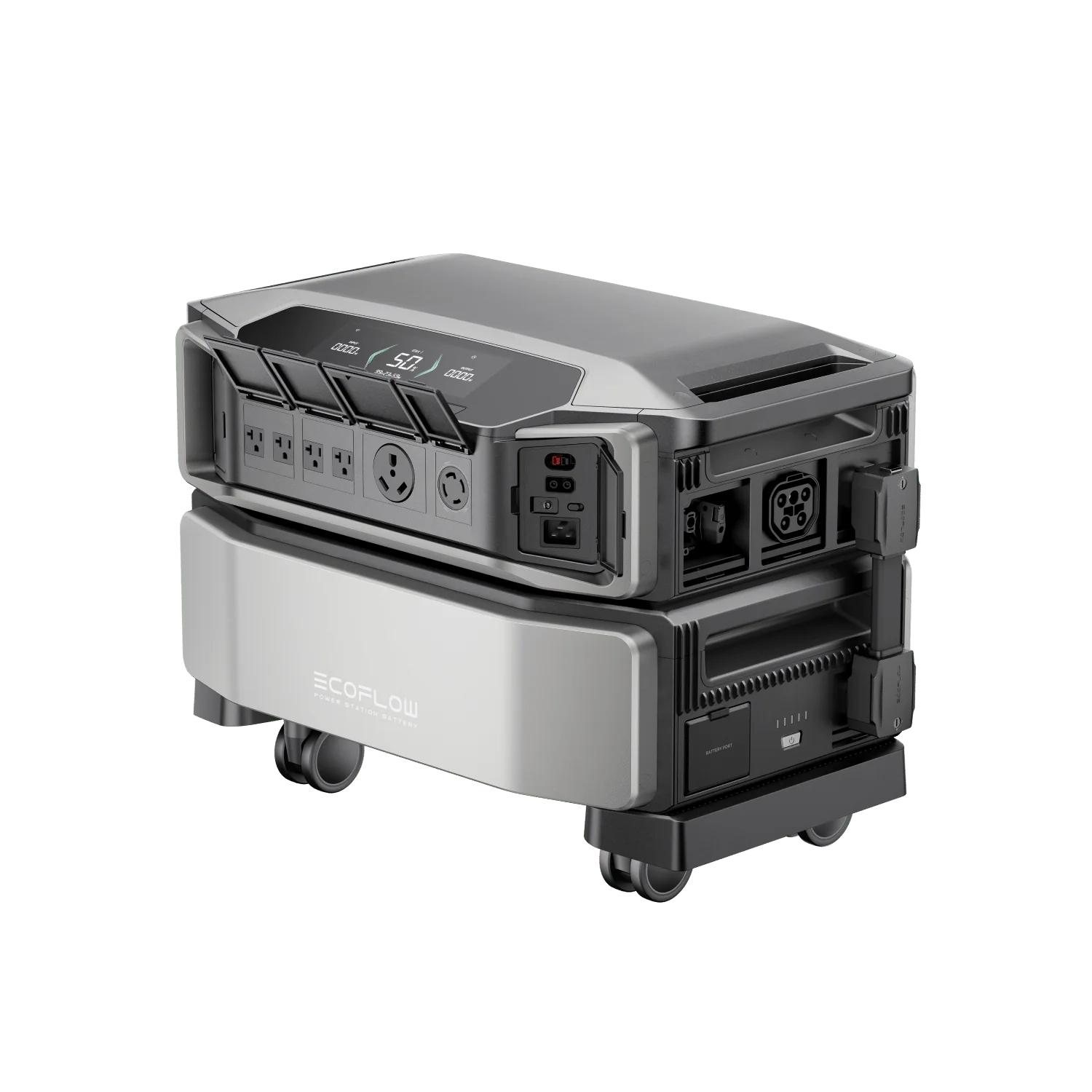
If you’ve experienced several extended outages, a whole-home generator solution, like the EcoFlow DELTA Pro Ultra, can provide coverage well beyond what standard battery-only setups or fuel generators can offer, without fuel dependency.
What Should You Do Immediately After Losing Power?
Check your breaker panel to confirm if the outage is limited to your home before reporting a wider event.
Report an unlisted outage to BCHydro.com or by calling 1-800-BCHYDRO. If you’re a FortisBC customer, use the FortisBC outage map.
Turn off appliances and electronics to prevent surge damage when the power returns. Leave one light on inside and outside your home so you know when power is restored.
Keep your freezer and refrigerator doors closed to keep food safe.
If it’s an extended winter blackout, it can be tempting to use heaters or camp stoves indoors, but you should avoid this at all costs, as it runs a carbon monoxide risk.
Check on your vulnerable neighbours.
What Essential Devices Should You Keep Powered During a BC Outage?
Refrigerator and freezer — Food safety is the most immediate concern. A closed fridge can keep food safe for 4 hours; a closed freezer can keep food safe for 48 hours.
Medical devices — like CPAP or oxygen machines, insulin refrigeration, etc.
Heating systems — especially during BC winters.
Communication devices — phones, modem, and router for emergency updates.
Sump pump — especially if you have a basement and your home is in a flood-prone or low-lying area.
What feels essential to you is also personal. You may prefer to have backup for large circuits to put your mind at ease, or opt for a smaller backup solution for just the basics.
What Backup Power Solutions Work Best for BC Homes?
A portable power station is effective for short outages and keeps essential devices and communication running without noise, fuel, or emissions. The EcoFlow DELTA 3 Ultra Plus Portable Power Station (3072Wh) is a strong choice for this, offering 3,072Wh of capacity to power your essentials through most BC outages.
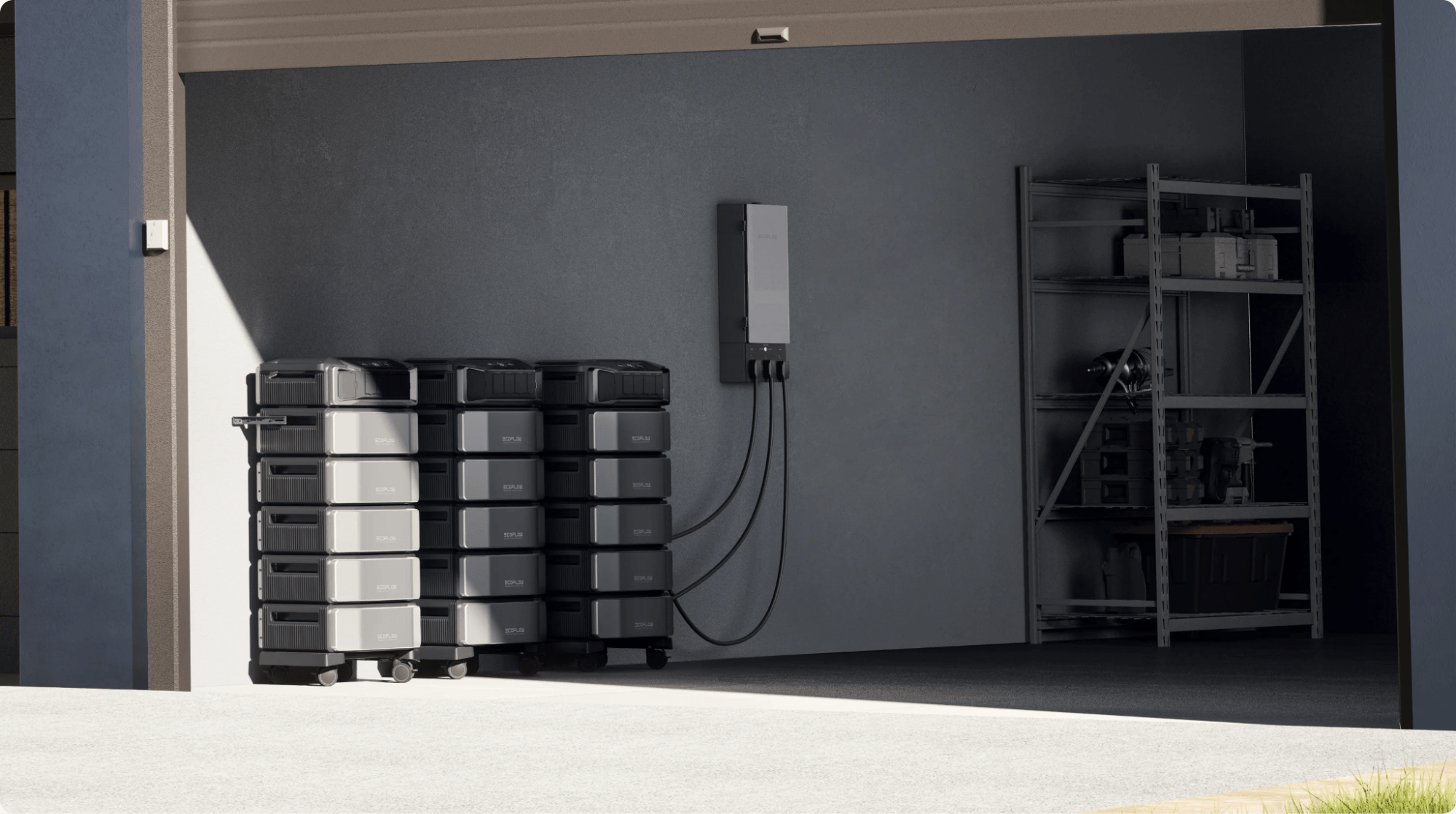
That being said, you may want to switch to a whole-home solution like the EcoFlow DELTA Pro Ultra Whole-Home Backup Power System if you want to maintain selected circuits automatically during outages.
By pairing your battery system with solar, you can extend the runtime indefinitely during longer outages and reduce your grid dependence.
EcoFlow battery systems and solar generators switch on automatically within milliseconds during an outage to protect your sensitive electronics and medical devices, without requiring manual intervention.
How Does Battery Backup Improve Emergency Preparedness?
Unlike a traditional fuel generator that requires outdoor placement, a manual start, and fuel management, a battery system activates automatically and runs silently and emissions-free. They're safe to run inside without carbon monoxide risk and recharge via solar input, restoring your capacity even during long outages.
Spring power outages are common in months like March and April, during the seasonal transition weather. The extended daylight hours are helpful, however, allowing your solar-paired battery backup system to generate new energy during the day.
Having pre-charged backup capacity matters the most, since outages often occur without warning. A charged battery system can hold its capacity in storage so it’s always ready whenever a blackout strikes.
Frequently Asked Questions
Which Areas in BC Experience the Most Power Outages?
The coastal islands are some of the most outage-prone regions in BC (rainstorms), but other areas often affected include the lower mainland (windstorms), northern BC communities (transmission failures), and interior communities (winter snowstorms).
Can Heavy Snow and Ice Cause Power Outages in BC?
Yes. Wet snow and ice accumulation add weight to power lines and tree branches, stressing transmission infrastructure. When trees fall, they often bring down multiple power lines at once, causing widespread and simultaneous outages. Snow-related restoration takes longer due to poor access conditions, which slow the crew's response.
Backup Power Helps British Columbia Homes Stay Safe During Unexpected Outages
British Columbia's unique geography and climate make power outages an ongoing reality. As weather-related events continue to increase, it's helpful to know the likely causes of outages, a typical duration to expect, and the immediate steps to take to reduce your risk and keep your household safe during disruptions.
If you're ready to move beyond basic preparedness, explore EcoFlow’s whole-home backup power solutions. From the portable EcoFlow DELTA 3 Ultra Plus to full whole-home systems, there’s an option suited to every BC household. Pair it with solar, and you’ll enjoy recharge capability for extended blackouts.