Thunderstorm Power Outages: Protecting Your Home in Summer
- Why Do Thunderstorms Cause Power Outages in Canada?
- Which Parts of Canada Are Most Prone to Summer Thunderstorm Outages?
- How Can You Protect Your Home Before a Storm Hits?
- What Should You Power First During a Summer Outage?
- How Does Backup Power Protect Your Home During a Blackout?
- Frequently Asked Questions
- Backup Power Helps Canadian Homes Stay Safe Through Summer Storm Season
Summer thunderstorms are an ongoing reality every year in Canada. And with them come storm damage and electrical outages. Even if you don’t live in a high-risk area of Canada, you should still prepare your yard and home for inevitable outages.
Here are some practical tips and backup power options so you can protect your home and family this storm season.
Why Do Thunderstorms Cause Power Outages in Canada?
Summer thunderstorms bring high winds, lightning, and heavy rain. Alone, any one of those factors can cause outages, but together they can severely damage grid infrastructure.
Downed trees caused by wind, heavy rain, and lightning are the biggest cause of outages when their trunks or branches hit the lines and damage them.
Lightning strikes can also hit transformers, causing immediate outages, while heavy rain can saturate soils, causing power poles to lean or collapse.
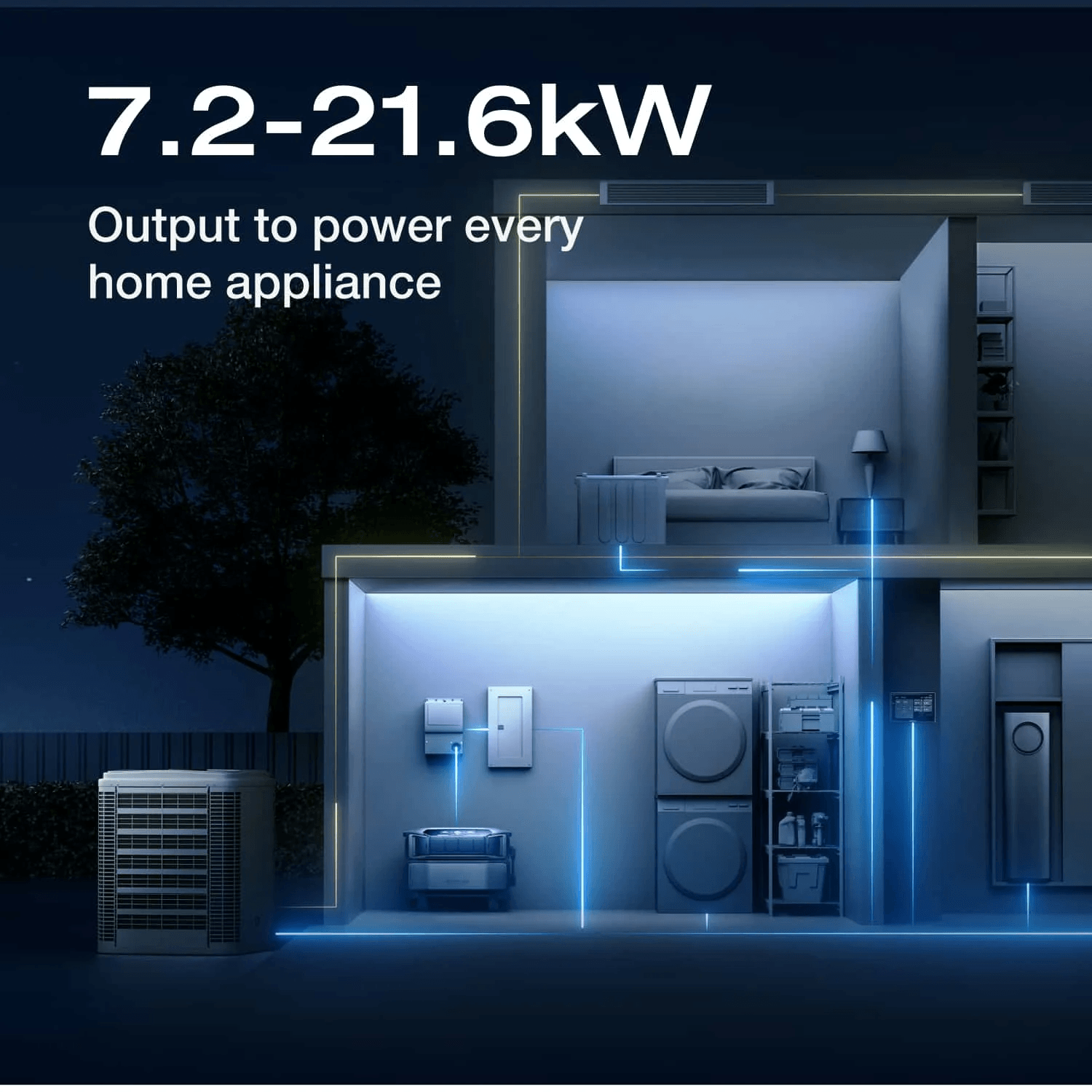
But you can protect your home with a robust, expandable battery backup solution like the EcoFlow DELTA Pro Ultra, which will keep your essential appliances, or your whole home when used as a full system, running.
Which Parts of Canada Are Most Prone to Summer Thunderstorm Outages?
While nowhere is immune to thunderstorms or electrical outages, the Prairies, southern Ontario, and Quebec see the most supercell activity in Canada. But no matter where you live, lessons from Manitoba Hydro power outages that forced evacuations in subzero temperatures are a good example of why backup power in Canada is a necessity, not a luxury.
How Can You Protect Your Home Before a Storm Hits?
A whole-home backup power solution tied into your household electrical panel can keep your entire home running during outages.
Alternatively, a few simple tips and a properly sized portable power station can still protect your home.
Surge Protection for Electronics and Appliances
Since lightning strikes cause massive voltage spikes, you want surge protection for your sensitive electronics. These include individual surge strips for specific appliances, but also a whole-home surge protector at your breaker panel.
Yard and Property Prep
Next, examine your yard and clean up any broken, dead, or dying trees and secure outdoor furnishings that can all become projectiles in high winds.
Sump Pumps and Flood Risk
During summer thunderstorms, heavy rains can rapidly generate flash floods. If your sump pump loses power, your basement is immediately at risk.
Clean your gutters and ensure the drainage around your home isn’t blocked.
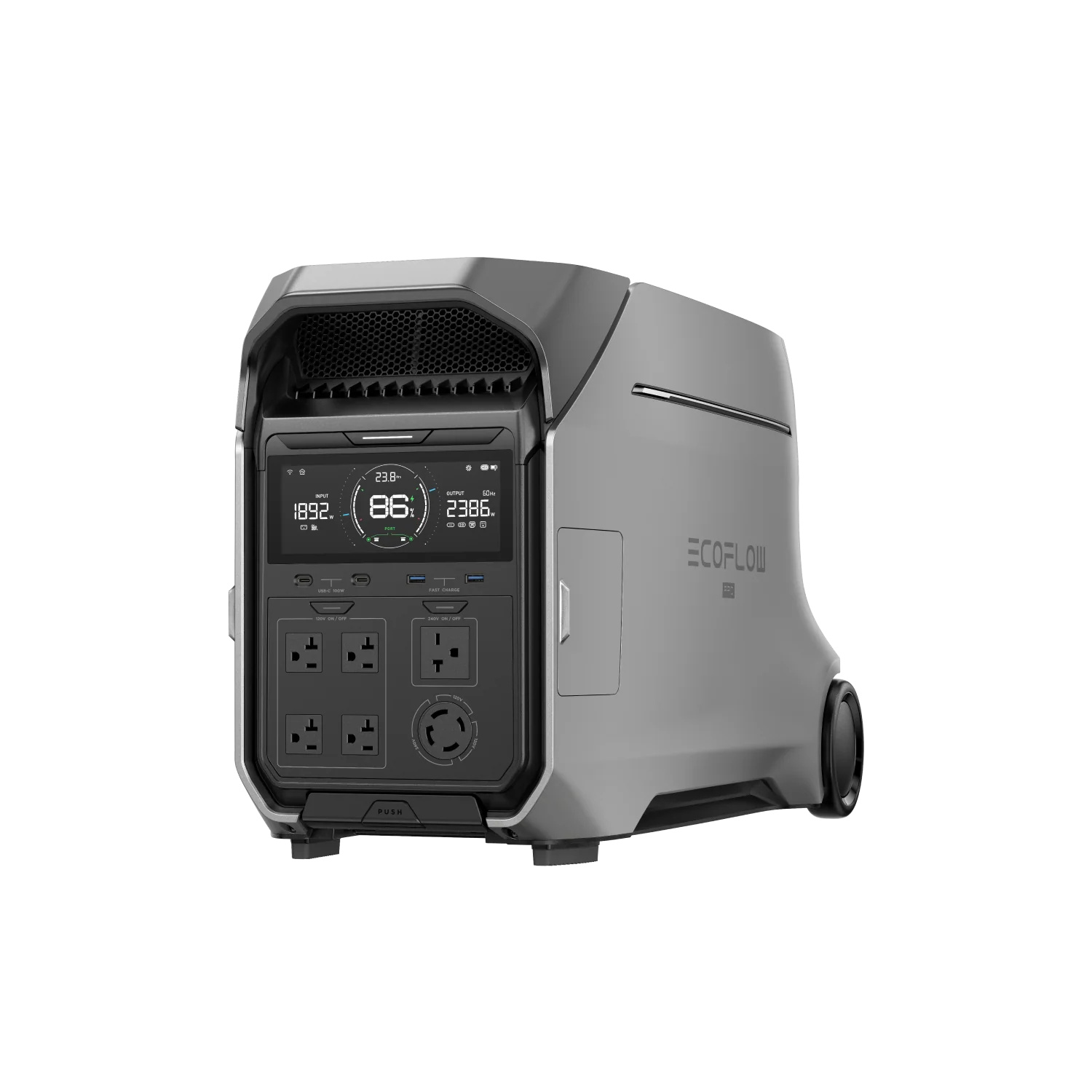
Then, have a dedicated battery-operated portable power station like the EcoFlow DELTA Pro 3 Portable Power Station charged and ready to run your pump.
What Should You Power First During a Summer Outage?
If you don’t have a robust home generator, you must prioritize your appliances. Which you need to focus on first varies with your home and the people living in it.
Medical equipment like oxygen concentrators and CPAP machines.
Refrigerators and freezers to prevent food spoilage.
Sump pumps to prevent flooding.
Well pumps if you rely on one for water.
Routers and devices for monitoring emergency alerts.
Lights for use at night to prevent accidents.
Smart home and security systems.
How Does Backup Power Protect Your Home During a Blackout?
Backup power keeps your home or essential systems running the moment the grid fails, with coverage depending on the size of your system.
You can keep sump pumps, fire alarms, carbon monoxide detectors, and refrigerators running to protect your home and family. You can even run air conditioners during heat waves and heaters during cold Canadian winters if your system is large enough.
However, if protecting your home and family is your top priority, you should consider traditional generators vs batteries for storm outages.
Traditional generators are not a particularly good option since you can never bring them indoors because of lethal carbon monoxide poisoning. They also require flammable fuel storage, which is a serious concern during summer wildfire season.
Battery storage (solar generators) requires no flammable fuels and produces no emissions, so they’re safe for use indoors and run quietly enough to use in your bedroom at night.
Frequently Asked Questions
How Long Do Power Outages Usually Last After a Thunderstorm?
Most summer outages restore within a few hours, but the duration depends on the storm's severity and your location. If you experience severe wind damage or live in a remote area, you can expect to be without power for at least 24–48 hours. Utility crews typically prioritize repairs based on safety hazards and the number of homes affected, so densely populated areas often see power restored faster than rural properties.
Is It Safe to Use a Generator Indoors During a Storm?
No. Under no circumstances should a traditional gas generator be used indoors, not even in sheds or garages, due to the very real risk of lethal carbon monoxide poisoning. Your best option for safe energy is an indoor-safe battery-operated portable power station. If you must use a gas generator, keep it well-ventilated and away from windows and vents, since carbon monoxide can build up inside your home even from an outdoor unit.
What Causes Most Summer Power Outages in Canada?
The biggest cause of summer power outages in Canada is high winds that knock trees or their branches onto the power lines, damaging them. Lightning hitting transformers is another common cause of summer electrical outages. Heavy rainfall can also saturate the ground around power poles, causing them to lean or fall and triggering outages across entire neighbourhoods.
How Do You Protect Your Fridge and Freezer During an Outage?
First, always keep the fridge and freezer doors closed during outages so they can keep foods safe longer. If your electricity is out for more than a couple of hours, you'll need a portable power station to run the fridge so it can maintain food-safe temperatures. A full freezer holds its cold temperature longer than a partially full one, so keeping it stocked can buy you extra time during shorter outages.
Backup Power Helps Canadian Homes Stay Safe Through Summer Storm Season
Thunderstorms can’t be stopped, but we can take steps to keep our homes and families safe this summer storm season. Start with surge protection and yard prep, then think about sump pumps and flood protection for those heavy rains.
Finally, whether your outage lasts a few hours or a few days, having backup power for your essential appliances or your entire home is crucial for comfort and safety. The EcoFlow DELTA Pro Ultra offers expandable output, scaling to match the needs of your home.