Why Power Outages Are Common in March—and How Canadians Can Prepare
- Why March Is a High-Risk Month for Power Outages in Canada
- How March Power Outages Affect Canadian Homes
- How Long March Power Outages Last
- Essential Safety Risks During Cold-Weather Power Outages
- What Every Canadian Household Should Prepare Before March
- How to Stay Warm Safely During a March Power Outage
- Protecting Pipes and Plumbing During Late-Winter Outages
- Power, Lighting, and Communication Essentials
- Why Modern Backup Power Is Part of Emergency Readiness
- Frequently Asked Questions
- Preparing Now Means Less Stress When the Power Goes Out
As winter begins to loosen its grip, Canadians often face an unexpected challenge: power outages. March has become notorious for blackouts, leaving homes cold, appliances offline, and daily routines disrupted. A mix of factors contributes to this seasonal surge, from powerful late-winter storms and sudden temperature swings to aging electrical infrastructure struggling to keep up with demand.
Even falling tree branches or heavy ice accumulation can knock out power in a matter of minutes. This tells you just how vulnerable communities can be.
Why March Is a High-Risk Month for Power Outages in Canada
March sits at the crossroads of winter and spring and creates conditions that make power outages more frequent. Late-winter storms often bring heavy snow, freezing rain, and strong winds, which can weigh down power lines or snap tree branches. Many parts of Canada still rely on aging electrical infrastructure, which struggles under these stresses.
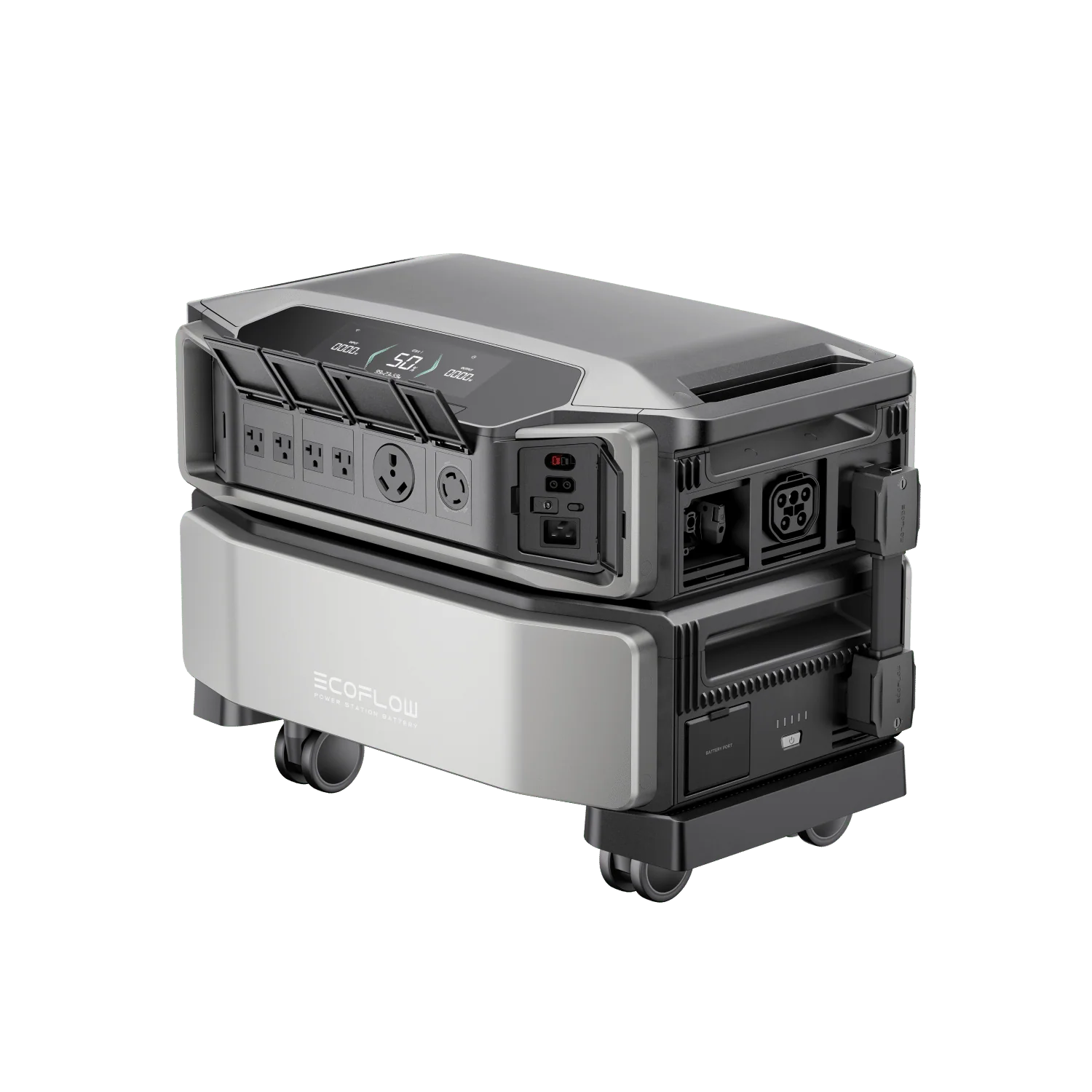
Rapid temperature swings like sudden thaws followed by cold snaps can further strain the grid, while melting snow can lead to flooding that affects underground systems. When these factors combine, even a minor problem can quickly escalate into a widespread outage. It’s key to have a portable power solution like the EcoFlow DELTA Pro Series to protect yourself and your family from total blackouts during storms.
.png)
How March Power Outages Affect Canadian Homes
Power outages in March can impact safety, comfort, and even your finances. Without electricity, heating systems may fail during sudden cold snaps and leave homes uncomfortably cold, increasing the risk of frozen pipes. Appliances, refrigerators, and freezers can stop working and potentially lead to spoiled food. Even small electronics, like phones and computers, become unusable and make communication and remote work difficult.
For homeowners looking for a long-term solution, investing in a whole-home backup solution can provide peace of mind. These systems automatically supply power during an outage.
How Long March Power Outages Last
The duration of a power outage in March can vary widely depending on its cause and severity. Minor outages caused by blown transformers or fallen branches may last only a few minutes to a few hours, while more serious disruptions from major storms or infrastructure damage can leave communities without electricity for a day or even several days. Weather conditions, accessibility for repair crews, and the overall strain on the electrical grid all play a role.
Many Canadians wonder how long a power outage will last during this unpredictable month. While there’s no exact answer, preparing for outages of several hours or even a full day can help families stay comfortable until power is restored.
Essential Safety Risks During Cold-Weather Power Outages
Cold-weather power outages can be dangerous and leave homes without heat, increasing the risk of hypothermia or frozen pipes. Fire hazards from candles or alternative cooking methods are also a concern.
Using devices like EcoFlow DELTA Portable Power Stations can provide temporary electricity to run essential appliances and charge phones, helping keep your home safe and functional until power is restored.
What Every Canadian Household Should Prepare Before March
To stay safe during March power outages, households should stock flashlights, batteries, non-perishable food, water, and a first-aid kit. Keep devices charged and consider a whole-home generator or portable power station for essential appliances.
How to Stay Warm Safely During a March Power Outage
Staying warm during a March power outage is crucial, but doing so safely is important. Layering clothing, using blankets, and closing off unused rooms can help retain heat. Avoid using outdoor grills or gas stoves indoors, as they pose serious carbon monoxide risks.
For planned outages or rolling blackouts, often called load shedding, having a safe backup heating option, like a portable electric heater or a properly ventilated fireplace, can keep your home comfortable while minimizing hazards.
Protecting Pipes and Plumbing During Late-Winter Outages
Late-winter power outages can freeze pipes and cause costly damage. Keep faucets dripping, insulate exposed pipes, and open cabinets to let warm air circulate. For longer outages, a backup power source like the EcoFlow DELTA Pro Ultra can keep pumps and essential appliances running.
Power, Lighting, and Communication Essentials
During a March power outage, staying connected and maintaining visibility is crucial. Stock up on reliable flashlights, extra batteries, and battery-powered lanterns to keep your home well-lit. Keep phones, tablets, and other essential devices charged, and consider portable power stations to maintain power for longer outages.
Why Modern Backup Power Is Part of Emergency Readiness
Modern backup power solutions, like portable power stations and whole-home generators, ensure homes stay powered during outages. They keep essential appliances running, maintain communication, and provide peace of mind when storms or unexpected disruptions strike.
Investing in reliable backup power is a key step in any household’s emergency preparedness plan.
Frequently Asked Questions
Why Are There So Many Power Outages in Canada?
Power outages in Canada are common due to severe weather, aging electrical infrastructure, and seasonal temperature fluctuations. Snow, ice, and strong winds can damage power lines, while increased energy demand during cold snaps can strain the grid.
How cold is March in Canada?
March temperatures in Canada vary widely by region, but it’s generally still cold. Southern areas may see averages around 23°F to 41°F, while northern regions can remain well below freezing, sometimes dropping below -4°F.
What Country Gets the Most Power Outages?
Countries with less-developed electrical infrastructure tend to experience the most power outages. Globally, nations in sub-Saharan Africa, parts of South Asia, and some Latin American countries face frequent outages, while Canada, the U.S., and much of Europe generally have more reliable grids.
Preparing Now Means Less Stress When the Power Goes Out
Power outages in March are a reality for many Canadians, but being prepared can make all the difference. Understanding why outages happen, keeping essential supplies on hand, protecting your plumbing, and having safe heating and lighting strategies can help your household stay safe and comfortable.
For reliable peace of mind, investing in a high-capacity backup power solution ensures your home remains powered during storms or unexpected blackouts. Explore whole-home backup solutions today and take the first step toward stress-free emergency readiness. Also, remember to check out the EcoFlow DELTA Pro Series and start building your smarter energy plan today.