Perseid Meteor Shower in Vancouver 2026: Peak Dates, and Where to Watch
- When Can You See the Perseids Meteor Shower in Vancouver in 2026?
- Where Are the Top Places to Watch the Perseids Near Vancouver?
- How Can You Prepare for a Perseid Meteor Shower Camping Trip?
- What Power Options Are Useful for Stargazing and Camping?
- Tips to Enjoy a Better Perseid Meteor Shower Experience in Vancouver
- Conclusion
- FAQ
Every August, the Perseid meteor shower provides one of the most reliable celestial displays of the year, offering an ideal opportunity to escape Vancouver’s city lights for a night. Skywatchers across British Columbia head for mountain lookouts, quiet lakesides, and provincial parks. Under a clear night sky, dozens of shooting stars can be seen streaking past the Milky Way. Whether you are taking a late-night drive along the Sea-to-Sky Highway or setting up camp in the Fraser Valley, this guide covers all the essential details: peak dates, prime viewing locations, trip preparation, and reliable power solutions for a comfortable night outdoors.
When Can You See the Perseids Meteor Shower in Vancouver in 2026?
With meteor showers, timing is as critical as location. The shower runs from mid-July through late August. In 2026, conditions are exceptionally favorable as the peak coincides with a New Moon, preventing fainter meteors from being obscured by moonlight.
Perseid Meteor Shower Peak Dates
The primary night for the Perseids peak in 2026 is August 12, running into the early morning of August 13. During this window, Earth passes through the densest stretch of the cosmic debris trail left by Comet Swift-Tuttle. Thanks to the August 12 New Moon, moonlight interference will be virtually nonexistent (or minimal). Away from city lights and under dark skies, observers can expect an unobstructed view of 50 to 100 meteors per hour.
Best Viewing Hours After Midnight
Shortly after sunset, a few early-evening meteors (known as "earthgrazers") may skim the upper atmosphere, but the real show starts after midnight. Between 1:00 AM and 4:30 AM PDT, the radiant point in the constellation Perseus climbs steadily higher in the northeastern sky. As the radiant point ascends, meteors become more frequent and visibly brighter, continuing until the first light of dawn.
Weather Conditions for Clear Skies
Vancouver summers are famously pleasant, but coastal thermal layers and offshore fog can occasionally roll in over English Bay and Richmond. Checking the local hourly satellite forecasts on Environment Canada—or an astronomy-specific tool like ClearDarkSky (Vancouver Clear Sky Chart)—before heading out is essential. If low cloud cover hugs the coast, driving just slightly inland toward the Fraser Valley or climbing to higher elevations often puts you right above the blanket; if you plan an overnight stay in these off-grid higher altitudes, packing a solar generator provides a reliable way to keep your essential gear powered while waiting for clear skies.
Where Are the Top Places to Watch the Perseids Near Vancouver?
In any Vancouver meteor shower viewing guide, picking the right spot comes down to a trade-off between three things: how dark it gets, how long the drive is, and how much sky opens up once you are standing there. Vancouver’s urban core glows brightly, but a short drive away puts you in world-class dark-sky territory.
Choose Dark Sky Locations Away from Cities
Downtown Vancouver, Burnaby, and Surrey generate significant light pollution that washes out faint meteors. The full magic of the Perseids is best experienced where the sky qualifies as Class 3 or lower on the Bortle Dark-Sky Scale. This requires a 30 to 60-minute drive outside the city center, offering a remarkable visual contrast.
Explore Parks and Lakeside Viewing Areas
A few regional spots open up a big stretch of sky, and none of them requires an arduous backcountry trek:
Porteau Cove Provincial Park: Situated along Highway 99 north of Horseshoe Bay, this park features dark skies looking out over Howe Sound.
McDonald Park (Abbotsford): A popular astronomy viewing spot in the Fraser Valley known for its relatively low light pollution and open views of the night sky. Local astronomy groups often use the area for stargazing events and meteor shower observations.
Boundary Bay Regional Park (Delta): The wide-open southern shoreline offers uninterrupted horizons over the ocean, ideal for viewing without mountain obstructions.
Cypress Mountain Lookout / Mount Seymour: High elevation lookouts above West Vancouver and North Vancouver offer quick access, though urban glow remains visible to the south.
Find Scenic Camping Spots Near Vancouver
Combining camping with stargazing creates an immersive outdoor experience. E.C. Manning Provincial Park, up the Hope-Princeton Highway, provides breathtaking high-altitude alpine viewing with virtually zero light pollution. Closer in, the backcountry and frontcountry sites around Golden Ears Provincial Park or Alice Lake offer peaceful lakeside settings framed by starry skies.
Quick Comparison of Vancouver Stargazing Spots
| Location | Distance from Downtown | Dark Sky Level | Highlights & Features |
|---|---|---|---|
| Porteau Cove | ~45 mins north | Moderate Dark | Waterfront piers, Howe Sound backdrop |
| McDonald Park | ~1 hour east | Moderate Dark(Preserve) | Designated Dark Sky Preserve, flat terrain |
| Manning Park | ~2.5 hours east | Exceptional Dark | High alpine meadows, zero city glow |
| Boundary Bay | ~40 mins south | Moderate Dark | Wide ocean horizon, easy beach access |
| Cypress Lookout | ~30 mins north | Partial Light | Quick drive, elevated view over the region |
Note: Travel times from Downtown Vancouver are estimates and may vary based on traffic and weather conditions.
How Can You Prepare for a Perseid Meteor Shower Camping Trip?
A successful excursion depends on adequate comfort and proper preparation. Temperatures drop surprisingly fast once the sun goes down, even in peak August weather in British Columbia.
Pack Essential Stargazing Equipment
A great rule for stargazing for beginners is keeping gear simple: optical equipment like telescopes and binoculars are generally optional for meteor showers, as they overly narrow your field of view. Bring reclining camp chairs or insulated ground mats instead, so you can lie back comfortably without straining your neck. Layering is essential—pack fleece jackets, warm socks, and a windproof outer shell to stay warm during hours of static viewing.
Prepare Lighting for Night Activities
Night vision takes roughly 20 to 30 minutes to substantially adapt, and one flash of white light resets that timer instantly. Equip everyone with a headlamp or flashlight that features a red-light mode. Red light allows you to move safely around the campsite, adjust a camera tripod, or access snacks without disrupting night vision.
Keep Devices Charged Outdoors
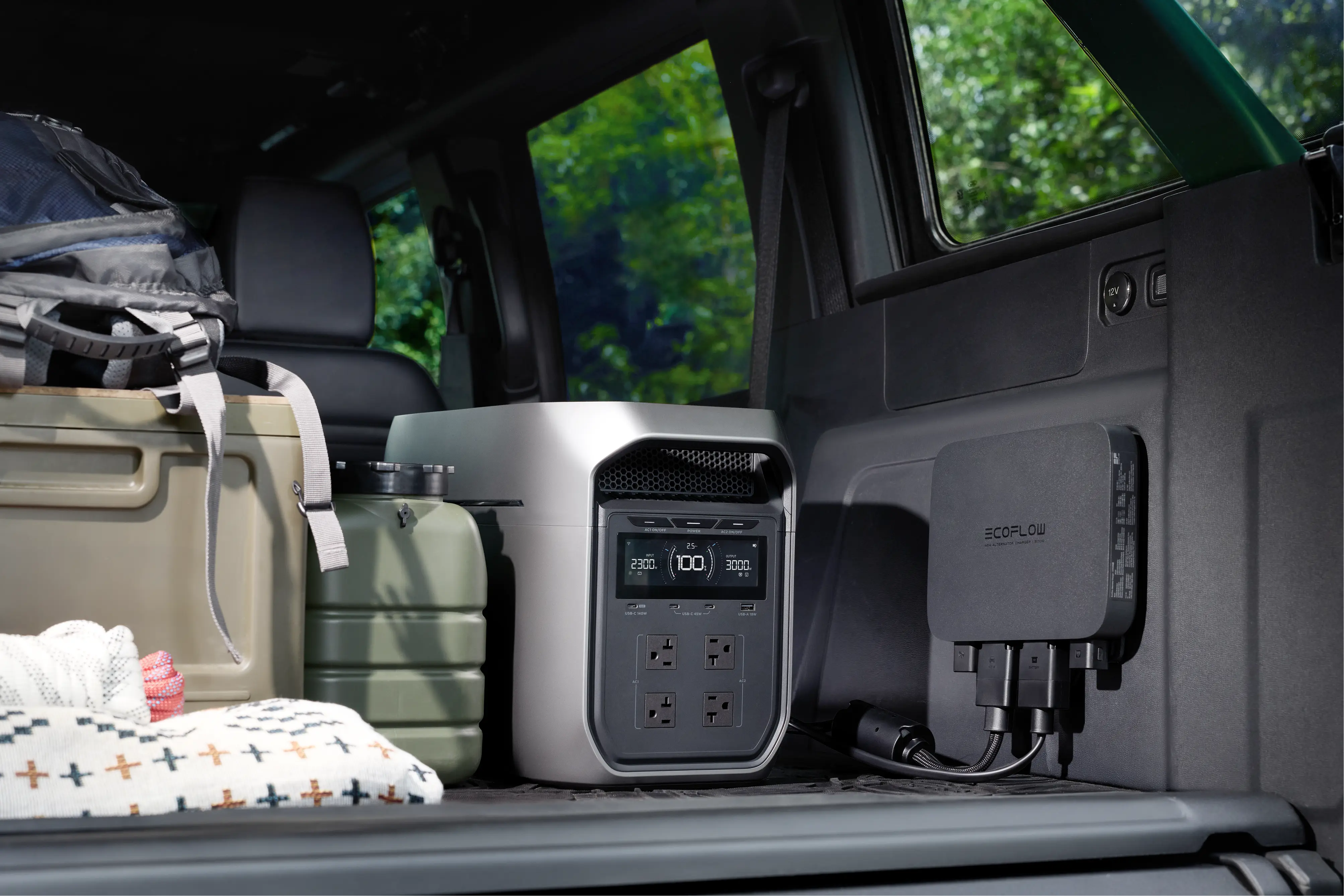
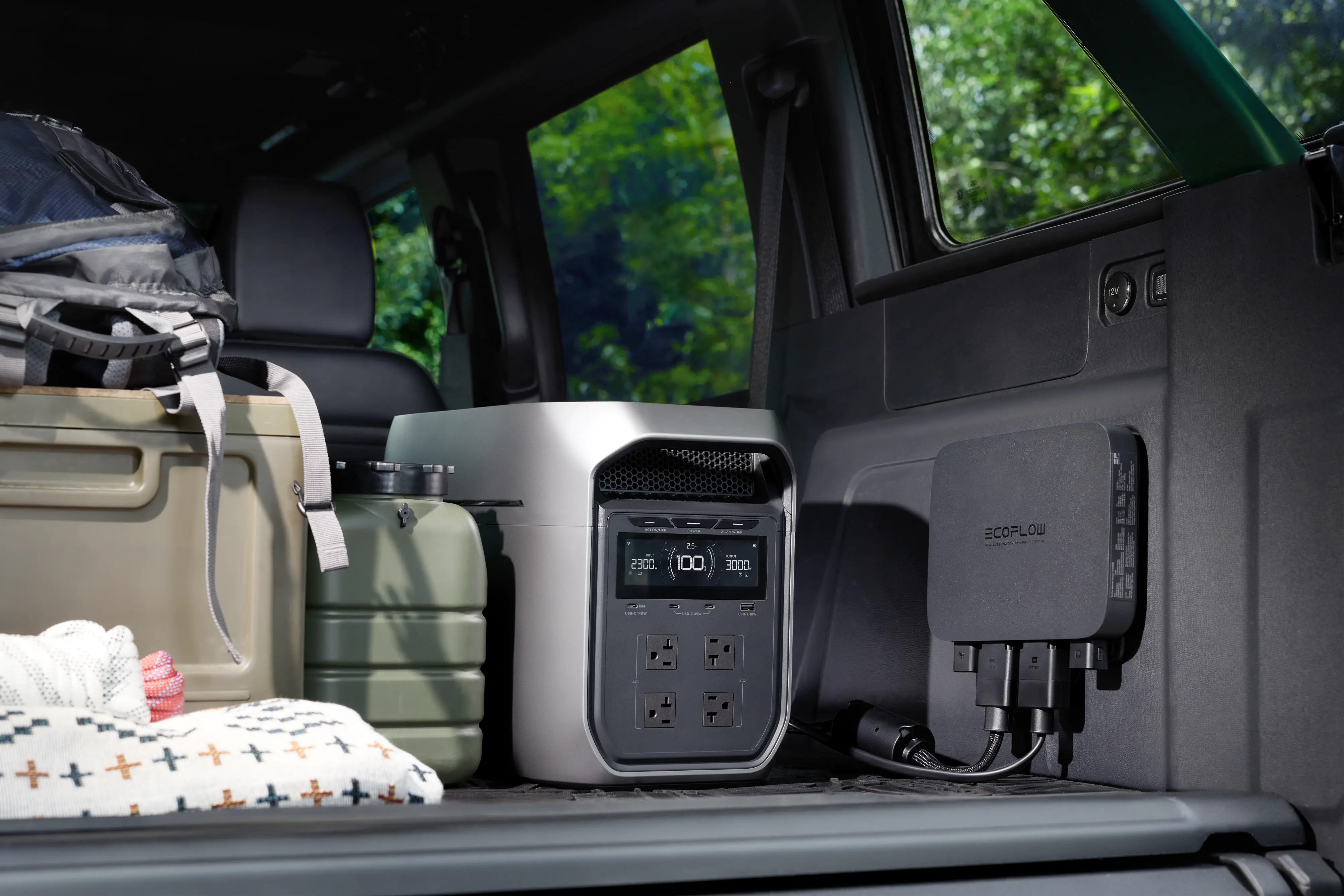
Dark forestry roads, a camera running long exposures all night, and a phone continuously searching for signals can deplete batteries quickly. Low ambient temperatures at night can degrade battery performance further. A dependable portable power station for off-grid power is what keeps essential equipment operational until morning.
What Power Options Are Useful for Stargazing and Camping?
Modern stargazing relies heavily on battery-powered equipment—such as mirrorless cameras, intervalometers, smartphones, heated blankets, and camp lighting. Relying solely on internal batteries or an idling vehicle engine is inefficient and poses risks in isolated locations.
Portable Power for Photography and Mobile Devices
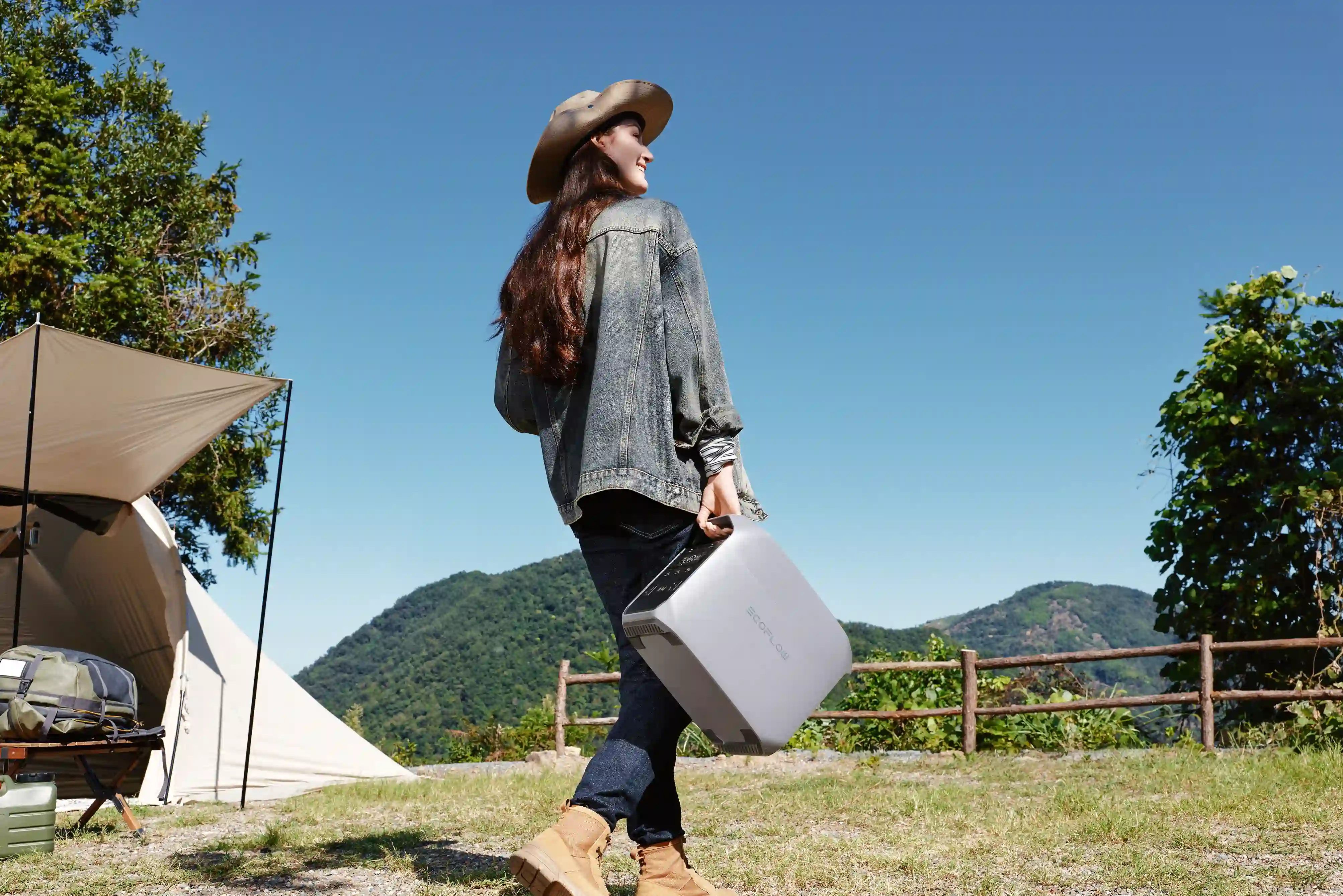
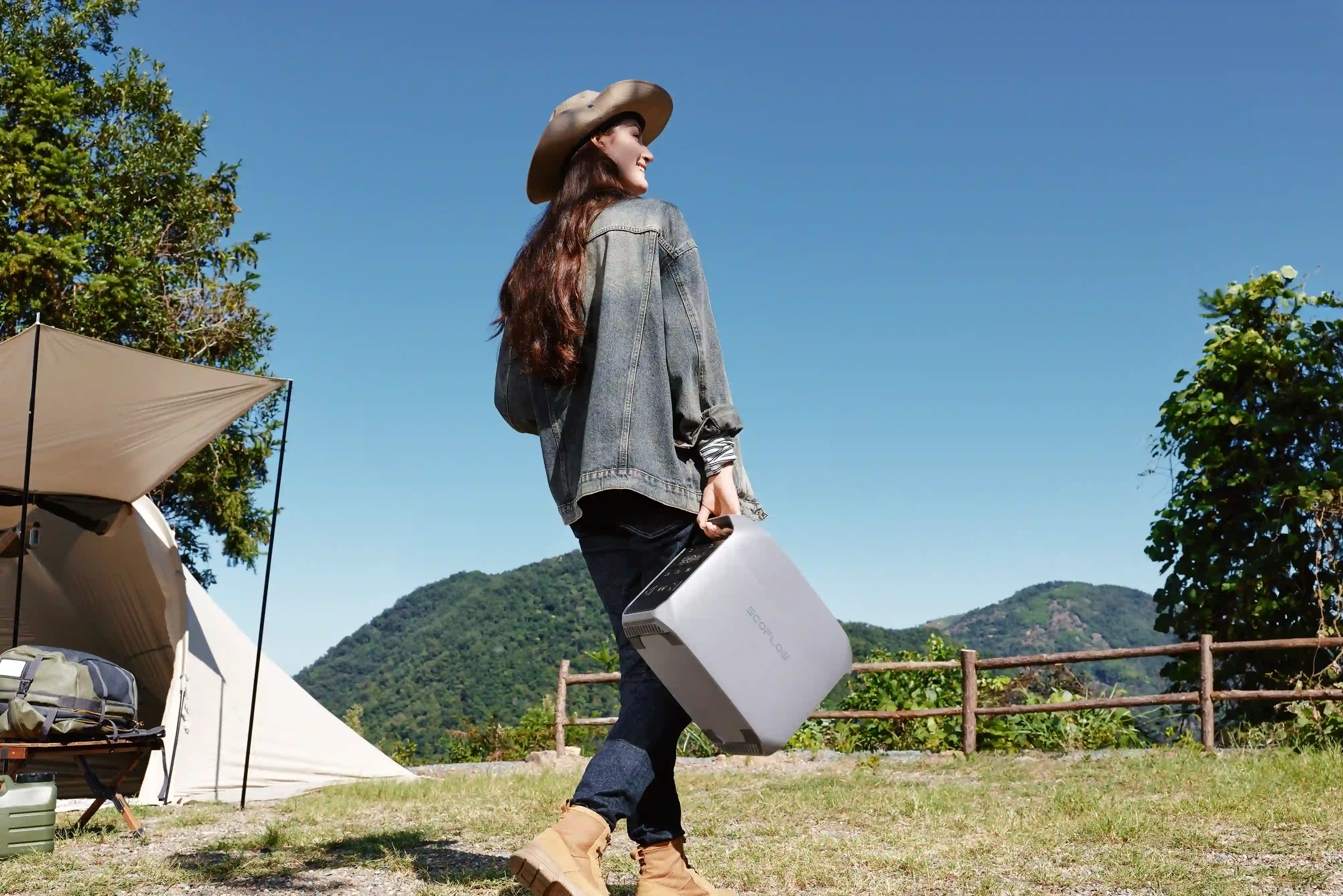
Time-lapse work runs all night. So does a star chart left open on a tablet. Both require a continuous power source, and a compact portable power station provides a quiet, lightweight solution.
For a quick overnight trip, the EcoFlow DELTA 3 Classic Portable Power Station delivers stable power for phone chargers, camera battery hubs, and LED camp lighting without adding excessive weight to your vehicle. Its long-lasting Lithium Iron Phosphate (LFP) cells handle frequent charge cycles with high thermal stability—making it a dependable choice for summer camping trips, road trips along the Sea-to-Sky corridor, or weekend stargazing excursions.
Reliable Electricity for High-Power Camping Needs
When stargazing is part of a larger group camping trip, power demand extends beyond small electronics. A portable fridge, high-lumen campsite floodlights, heated sleeping pads, or an electric coffee maker for the sunrise require substantial power capacity.
When energy requirements increase, the EcoFlow DELTA 3 Max Plus Portable Power Station(2048Wh) delivers heavy-duty off-grid reliability. It can run multiple high-draw devices in remote wilderness areas like Manning Park or designated camping areas or permitted Crown land sites, subject to device wattage and total battery runtime, easing power concerns during extended trips. With thoughtfully managed high-capacity power, the campsite remains comfortable, well-lit, and functional throughout an overnight skywatch.
Tips to Enjoy a Better Perseid Meteor Shower Experience in Vancouver
A few extra precautions can turn a good night into an extraordinary memory.
Arrive Early Before Nightfall
Porteau Cove and Cypress Mountain tend to fill up fast on peak nights. Arriving before sunset secures a prime parking spot, leaves time to set up camp chairs on level ground, and lets your eyes adjust naturally as twilight fades into complete darkness.
Bring Comfortable Camping Essentials
Lying directly on cold ground rapidly draws away body heat. Insulated foam pads, thick wool blankets, or zero-gravity camp chairs are highly recommended. Additionally, a thermos of hot tea, hot chocolate, or coffee significantly enhances comfort during the colder hours between midnight and 3:00 AM.
Respect Nature and Local Parks
British Columbia’s natural parks are fragile ecosystems. Adhere to Leave No Trace principles and pack out all trash and food waste. Watch for summer fire bans too; they are frequently enforced across Metro Vancouver and the Fraser Valley during August. Stay on designated trails, and keep noise levels low to respect wildlife and fellow stargazers.
Capture Meteor Shower Memories Safely
To photograph meteors successfully:
Mount your camera or smartphone on a sturdy tripod.
Set your lens to its widest aperture (f/1.8 to f/2.8) and widest focal length.
Use manual focus locked to infinity (∞).
Set exposures between 10 to 25 seconds at ISO 1600–3200.
Use a remote shutter release or built-in intervalometer to take continuous shots hands-free.
For more localized stargazing safety and etiquette, check out resources from the Royal Astronomical Society of Canada.
Conclusion
The 2026 Perseid meteor shower is one of the finest outdoor experiences in Pacific Canada. Choosing a dark spot away from Metro Vancouver’s city lights, dressing warmly for the cool night air, and bringing the right camping equipment and portable power set you up for an unforgettable night under a sky full of shooting stars. Mark August 12–13 on your calendar, gather your gear, and enjoy the show!
FAQ
How Many Meteors Can You See During the Perseid Meteor Shower?
You can expect somewhere between 50 and 100 meteors per hour on the peak nights under optimal dark skies. In town, or with a moon up, that drops to roughly 10 to 20 visible meteors per hour.
How Often Does the Perseid Meteor Shower Occur?
Every summer. The Perseids run from mid-July through late August, and maximum activity lands around August 11 to 13, as Earth orbits through Comet Swift-Tuttle’s debris stream.
Can You See the Perseid Meteor Shower Without a Telescope?
Yes. The Perseid meteor shower is best viewed with the naked eye — no telescope, no binoculars. A broad view of the sky is what lets you catch the fast-moving streaks across wide angles that optical lenses would miss.
How to Capture a Meteor Shower on a Phone?
Put your phone on a tripod, switch to Night Mode or Pro/Manual Mode, set a long exposure time (10–30 seconds), and use a timer or remote trigger so nothing shakes. A continuous intervalometer app, or the phone’s night sky mode, photographs the meteors automatically while the device stays powered up.
What Direction Do I Look for the Perseids Meteor Shower?
Northeast, in the general direction of the constellation Perseus, which is where the meteor radiant point sits. But meteors streak across all parts of the night sky, so gazing broadly overhead yields the best results.